Best Chairs for Neck Support: What Your Money Really Gets You at Every Price for 2026
Disclosure: We may earn a commission when you buy through links on this page, at no extra cost to you. As an Amazon Associate I earn from qualifying purchases. Learn more

Guide to the best chairs for neck support by price tier, covering headrest fit, lumbar support, and adjustments that matter for long hours at a desk.
Prices for chairs that promise neck support range from under $100 to about $1,000 or more, and the price tag alone tells you little about how your neck will feel at the end of the day. The best chairs for neck support share a well placed headrest and a backrest shape that keeps your whole spine aligned, not just extra padding at the top. This guide explains where the money goes at each price tier so you can spend on features that matter.
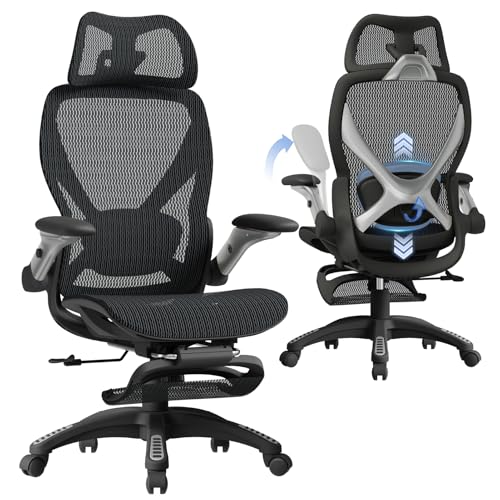
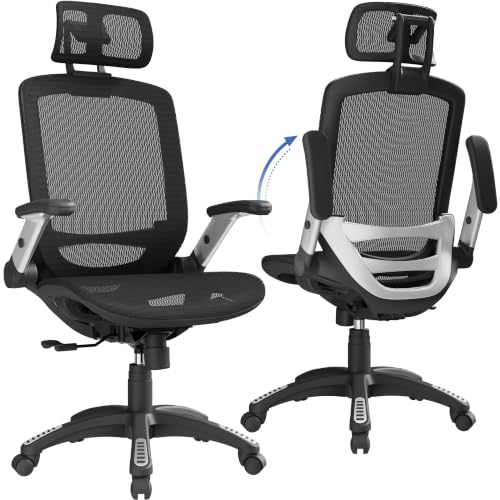
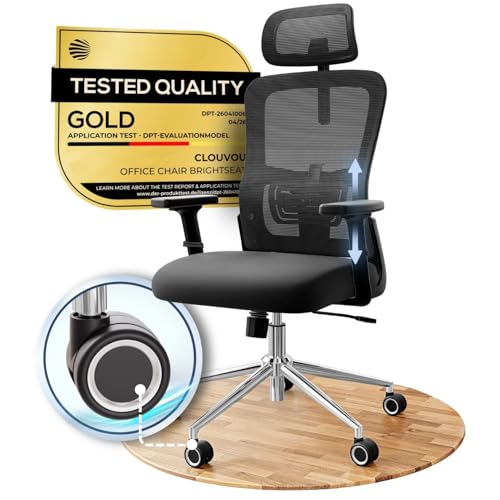
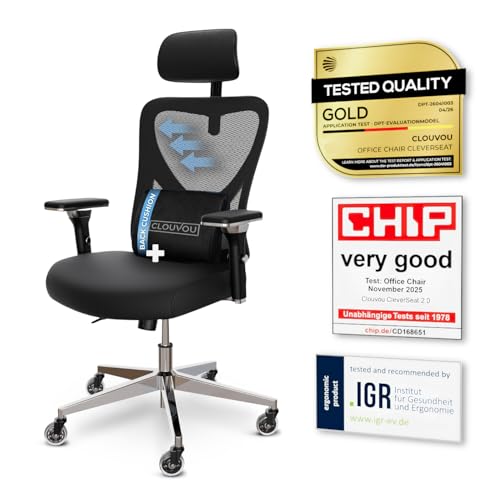
Use the comparison table below to check headrest adjustment, backrest height, and weight capacity side by side before you read on. Then work through the tiers below to decide which level fits your body, your desk, and your budget.


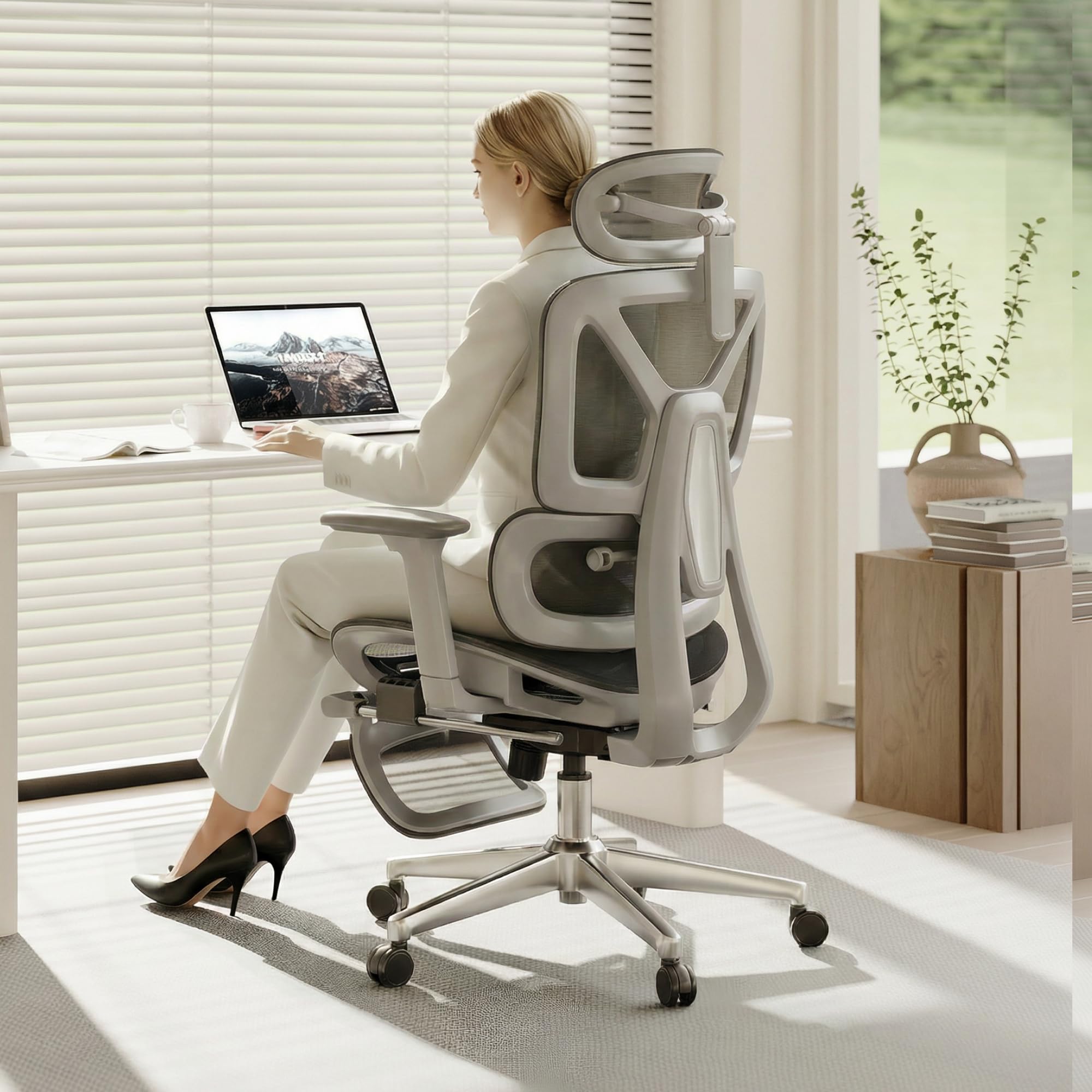

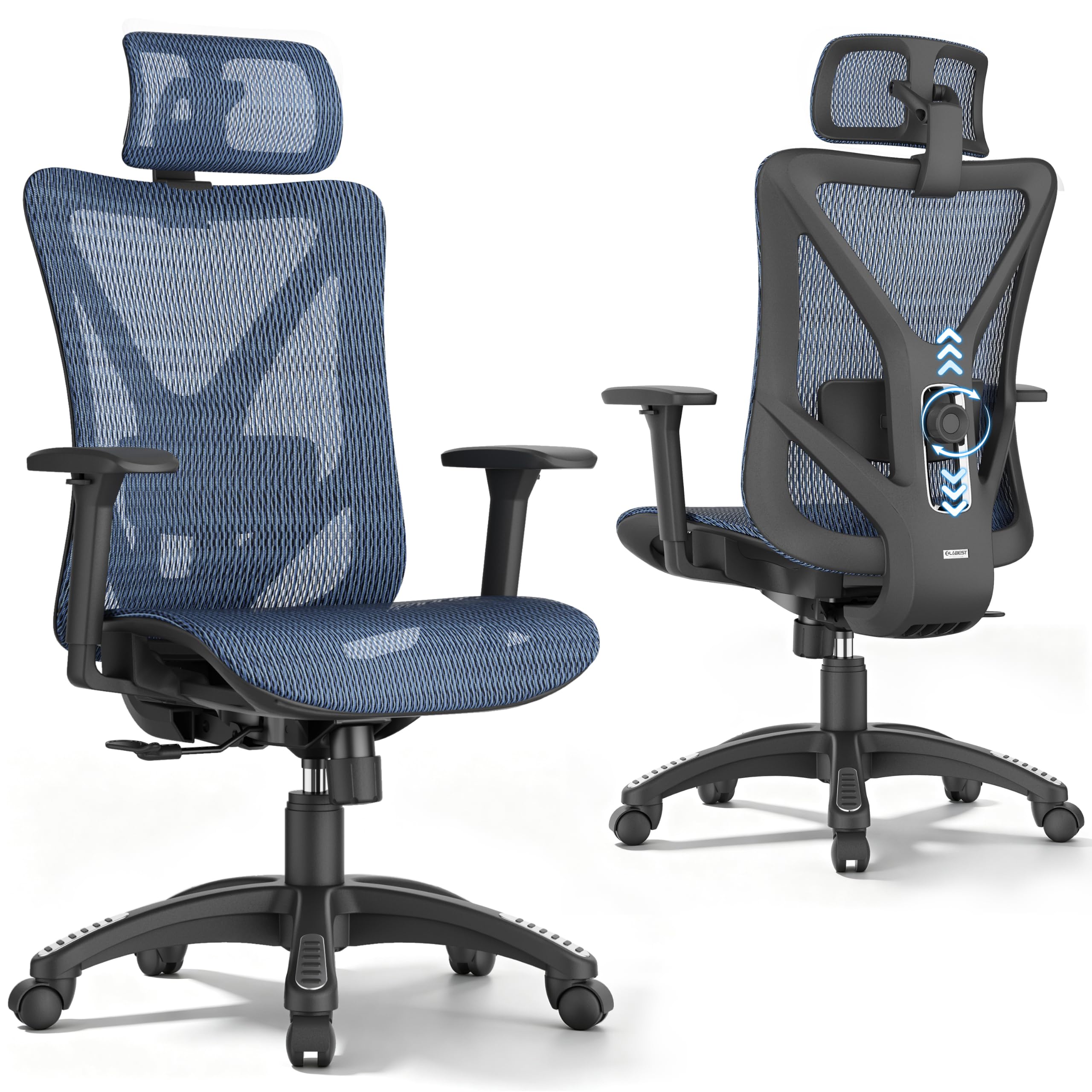
How to Judge Neck Support Before You Spend
A headrest only helps when it meets the back of your head at the right height and angle in your normal working posture. Judge every chair by that contact point first, and treat everything else as support for that one goal.
Start With Headrest Position and Shape
Look for a headrest that moves up and down over a wide range, tilts to match the curve of your neck, and ideally moves forward and back as well. A flat pad fixed high on the backrest often pushes taller users forward and never touches shorter users at all. A gently curved pad that cradles the base of your skull lets your neck muscles relax.
Check How the Backrest Supports Your Whole Spine
Neck comfort starts lower down, because a slumped lower back rolls your shoulders forward and forces your neck to crane. A supportive backrest follows the natural curve of your spine and stays tall enough that your shoulder blades rest against it. Readers who need help through the whole back should see our guide to the best chairs for back and neck support for a wider view of combined support.
Know When Neck Pain Needs More Than a Chair
A better chair can reduce strain from poor posture, but it cannot treat a medical problem. See a doctor promptly if you have numbness or weakness in an arm or hand, pain that spreads down your shoulder, or neck pain after a fall or accident. Talk with your clinician about your personal needs if you have a diagnosed neck condition, recent surgery, or pain that keeps getting worse.
What Your Money Gets You at Each Price Tier
The tiers below reflect typical Amazon US pricing for this category. Each step up should buy better adjustment, stronger parts, and a longer warranty, so check that a pricier chair delivers those things rather than only nicer styling.
Budget Tier: What to Expect
Budget chairs at around $100 to $200 usually give you a tall backrest and a fixed or height only headrest, basic lumbar support, and a simple tilt mechanism. Seats in high density foam can feel firm at first, though thinner padding may flatten sooner. These chairs suit lighter use and guest desks, as long as the headrest height happens to match your torso. Expect a shorter warranty and mostly plastic trim.
Midrange Tier: Where Most Buyers Get Enough
Midrange chairs at about $200 to $450 add the adjustments that make neck support reliable, including headrests that tilt as well as rise, adjustable armrests, and a tilt lock that holds a gentle recline. A mesh back is common here and keeps air moving during long sessions, while better lumbar support helps your posture stay upright without effort. For most desk workers, this tier offers the strongest balance of fit, durability, and price.
Premium Tier: When Spending More Pays Off
Premium chairs at around $450 and above, including executive models with leather upholstery, should add a headrest that also adjusts in depth, smoother recline control, and stronger frames with higher weight capacity. You also pay for longer warranties and parts that can be replaced years later. Spending more pays off if you sit for most of the workday and plan to keep the chair for many years, and far less if the fit is wrong for your height.
Features Worth Paying For and Ones to Skip
When you sort the best chairs for neck support by feature rather than by price, some upgrades change how your neck feels while others only dress up the chair. The sections below separate the two.
Features That Matter for Neck Support
The headrest design matters most, followed by backrest height and recline range. A useful recline of roughly 100 to 130 degrees lets you shift pressure off your neck during calls and reading, especially when the headrest stays in contact as you lean back. Pay for headrest depth adjustment if you often recline. Skip decorative neck pillows that strap on loosely, since they slide out of place without adding stable support.
Ergonomics and Adjustability
Seat height should let your feet rest flat with your knees near a right angle, and seat depth should leave a small gap behind your knees. Lumbar support that adjusts in height, and ideally in depth, keeps your lower back from slumping, which protects your neck posture above it. If you want to compare lower back options in more depth, see our guide to the best chairs for lumbar support. Adjustable armrests help your shoulders relax, and relaxed shoulders mean less tension in your neck.
Warranty and Return Policy
Read the warranty by part, not just by the headline number of years, because frames, gas lift cylinders, and upholstery often carry different terms. Returns matter just as much, since neck fit is hard to judge from photos. Favor sellers with a trial window long enough for a full week of work, and keep the box until you are sure the headrest suits you.
Assembly and Delivery
Most chairs here arrive in a large box with the backrest, base, casters, and gas lift packed separately, and assembly usually takes one person about 20 to 40 minutes with the included tool. Clear instructions and labeled hardware are worth more than a small price cut. Check box size if you have stairs or a narrow doorway.
Picking the Right Chair for Different Uses
Your main use shapes which adjustments matter most, so match the chair to the hours you actually spend in it.
Best Office Chairs with Good Neck Support
For office work, the phrase best office chairs with good neck support should mean a headrest that works in an upright typing posture, not only when you recline. Look for a tilt lock that holds a slight recline for calls, a mesh back for long meetings, and armrests that slide back so you can sit close to the desk. Workers comparing desk setups can also see our guide to the best office chairs for back and neck support.
Chairs for Shared Desks and Formal Offices
Shared chairs need the widest adjustment ranges you can afford, because a headrest and seat that fit one person rarely fit the next without changes. Quick levers and durable upholstery that wipes clean both help in shared spaces. In a formal front office where appearance also counts, see our guide to the best officer chairs for styles that suit a more traditional setting.
Long Term Costs to Factor In
The purchase price is only part of what a chair costs you. Replacement casters, a worn gas lift, new armrest pads, and a flattened seat cushion add up over the years, especially on budget models with no spare parts. Premium ergonomic models often cost less over a long life because parts can be replaced one at a time. Check parts availability before you buy, and count a longer warranty as real savings.
Your time is a cost too, since a headrest that will not stay put taxes your attention daily. Readers focused on the back as a whole may want to see our guide to the best chairs for back support. One well fitting chair usually beats two poor fitting chairs in a row.
How to Make Your Chair Last Longer
Tighten the armrest and backrest bolts about twice a year, because small movements loosen hardware and a loose headrest bracket will drift out of position. Keep the gas lift shaft clean and avoid sitting on the front edge of the seat, which strains the lift. If the chair starts to sink or wobble, address it early.
Clean upholstery by material. Vacuum a mesh back weekly with a soft brush, and blot fabric spills quickly instead of scrubbing them wider. Wipe leather and faux leather with a slightly damp cloth and keep the chair out of constant direct sunlight, which dries and cracks the surface.
Common Mistakes to Avoid
- Buying a chair with a fixed headrest that misses your head entirely, so the neck support you paid for never makes contact.
- Judging neck comfort in a two minute sit, when poor support usually shows up only after an hour or more of work.
- Choosing a very tall executive backrest for a short torso, which can push your head forward instead of supporting it.
- Ignoring weight capacity and seat width, which leads to a sinking gas lift and a frame that feels unstable.
- Setting the headrest to support your forehead or mid neck, rather than the base of your skull where support belongs.
- Throwing away the box before the return window closes, which makes sending back a poor fitting chair costly and difficult.
Frequently Asked Questions About Neck Support Chairs
What features matter most in a chair for neck support?
Headrest height and tilt adjustment matter most, because they decide whether the pad meets the base of your skull in your normal posture. After that, look at backrest height and recline range. One point many buyers miss is headrest width, since a very narrow pad can feel unstable when you turn your head during calls. Choose a pad wide enough to stay supportive as you shift in the seat.
What features matter most in a neck support chair for long hours?
For long hours, a neck support chair needs breathable materials, a seat that resists flattening, and a recline you can lock at more than one angle. Small posture changes through the day reduce stiffness better than one perfect position held for hours. Stand or walk briefly each hour, because no chair fully replaces movement.
How do I choose the right size chair for neck support?
Choose the right size chair for neck support by matching the headrest range to your torso length, not just the total chair height. Sit in your usual posture, note where the base of your skull falls against the backrest, and check that the headrest adjusts to that spot. If you fall between sizes, the chair with the wider headrest adjustment range is usually the safer choice.
How long should a quality chair for neck support last?
A quality chair for neck support should last about five to ten years of daily use, depending on materials and how many hours you sit each day. Foam and armrest pads usually wear first, while a sound frame lasts much longer. A parts list from the maker is a useful sign of a chair built to last, because replaceable pads, casters, and gas lifts extend its life well beyond the first worn part.
Is an expensive chair for neck support worth the cost?
An expensive chair for neck support is worth the cost when it adds real fit adjustments, a longer parts warranty, and comfort you will use for a full workday over many years. It is not worth it when the extra money buys only leather, chrome trim, or a bigger silhouette with the same fixed headrest as a budget model. Compare the product table above on adjustment ranges, and let fit justify the higher price.
Final Thoughts
The right chair is the one whose headrest meets your head exactly where you need it, at a price tier whose trade offs you understand. Budget models can work for lighter use, midrange models give most buyers the adjustments that matter, and premium models earn their price through fit range, parts, and warranty. Use the product table above to compare those details, and choose the best chairs for neck support option that fits your body first and your budget second.
Prices and availability can change, so check the product page before ordering. Take your time with the headrest and seat settings during the first week, and make small changes one at a time. A chair that truly supports your neck should feel almost forgettable by the end of a long day, and that quiet comfort is the result worth paying for.