
Best Chairs for Back and Neck Support by Budget for 2026
Disclosure: We may earn a commission when you buy through links on this page, at no extra cost to you. As an Amazon Associate I earn from qualifying purchases. Learn more
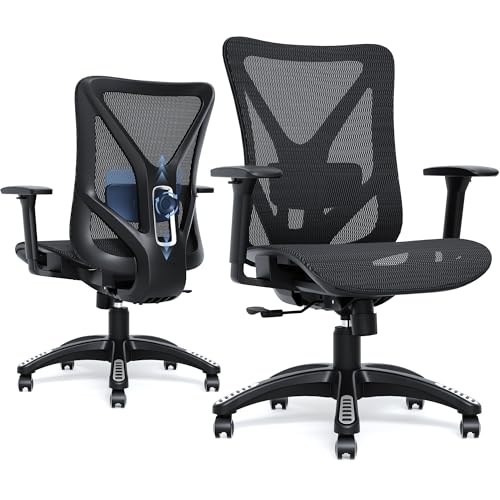
Compare the best chairs for back and neck support by budget, covering lumbar fit, headrests, cushioning and sizing.
Prices for supportive chairs stretch from under $100 to well over $800, and the gap is not obvious from photos. The best chairs for back and neck support share a few traits at every price, including a backrest that follows your spine and a headrest that meets your head without pushing it forward. This guide shows where extra money helps, so you can read the comparison table below with a budget in mind.
Start with how you sit most days, not with a brand or a color. Note your sitting hours and whether discomfort gathers in your lower back or at the base of your neck. Those answers point to the tier, features, and size that deserve your money first.
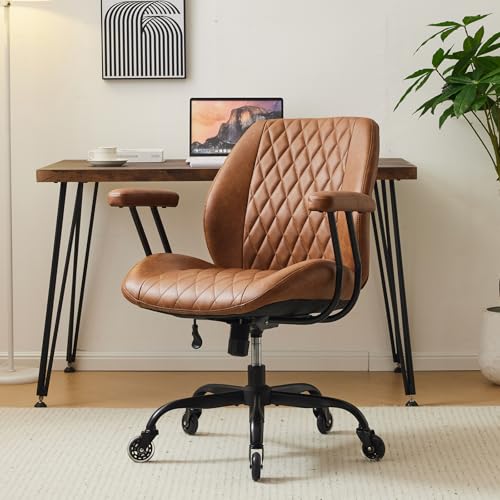
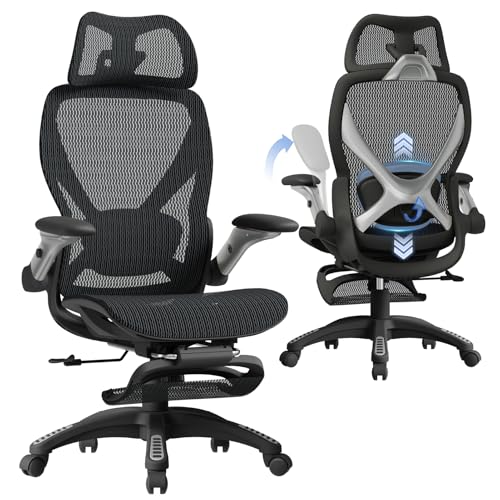
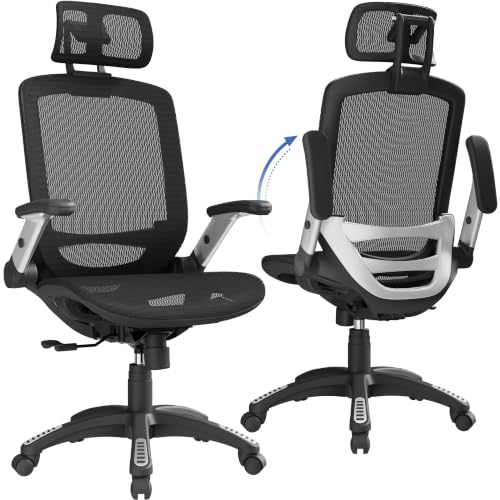


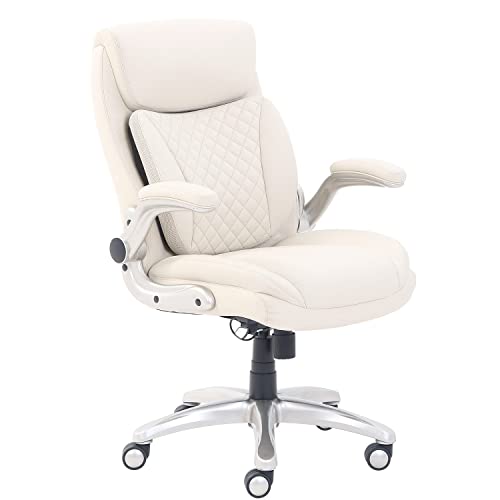
Who Should Buy a Chair for Back and Neck Support?
Buyers differ less by job title than by sitting pattern. Then use the price tiers to decide how much adjustment to pay for.
Desk Workers Who Sit Six Hours or More at a Stretch
You need support that still works in hour five, when posture drifts and cushions feel thinner. Prioritize adjustable lumbar support, a headrest you can raise or tilt, and seat depth that leaves a small gap behind your knees. If a partner shares the desk, see our guide to the best office chairs for back and neck support.
Readers and Callers Who Lean Back Often
You split time between typing upright and reclining for calls and reading. A tilt lock at more than one angle lets you rest back without sliding forward, and tilt tension keeps the motion smooth for your weight. Choose a taller backrest and a headrest with angle adjustment, because a fixed headrest often meets recliners at the wrong spot.
Taller or Heavier Sitters Who Outgrow Standard Sizes
You need dimensions and a frame rating that fit your body before any comfort extra matters. Look for a weight capacity with a clear margin above your weight, a seat width of about 20 to 22 inches or more, and a backrest that reaches your shoulder blades. A stronger gas lift matters more than plush padding.
What Each Budget Buys in Back and Neck Support
When you compare best chairs for back and neck support by budget, the main jump at each tier is adjustment range, not looks. Use the tiers below to set a ceiling before you shop.
Budget Tier Around $100 to $200: The Support Basics
Budget models usually give you a fixed or simply adjustable lumbar pad, a basic headrest, and a foam seat over a nylon base. That can be enough for shorter days if backrest and seat height fit you. Expect fewer tilt positions, a shorter warranty, and a lower weight capacity than the photos suggest.
Midrange Tier About $200 to $400: Fit Controls for Most Desks
Midrange chairs add lumbar depth or height adjustment, armrests that move up and down and side to side, and a mesh back or denser foam that holds shape longer. This tier suits most full time desk users, because the controls fix the two common fit errors, a lumbar pad in the wrong place and a headrest at the wrong height.
Premium Tier About $400 to $800: Finer Adjustment and Longer Cover
Premium and executive models refine what midrange chairs do, with smoother recline, four way armrests, richer fabrics or leather, and lumbar systems that move as you shift. The gain is precision and durability. Choose this tier if you sit all day or want cover past ten years on key parts.
Key Features to Compare for Back and Neck Support
Support fails when one part fits and another fights it, so judge these features as a set. Seek care promptly if you notice new numbness or weakness in an arm or a leg, pain that spreads, or severe pain after a fall. A chair can improve fit and comfort, but it cannot diagnose or treat a medical problem, so talk with your clinician about personal needs.
Lumbar Support That Lands on Your Lower Back
Lumbar support should fill the natural curve above your belt line, not press into your ribs or pelvis. Height adjustment matters because that curve sits higher on a long torso than on a short one, and depth adjustment decides whether pressure feels steady or sharp. A separate lumbar pad lets you fine tune placement, while a fixed curve only fits if it matches your spine.
Headrest Height and Angle for Real Neck Relief
A useful headrest meets the back of your head when you lean back, supports it without tipping your chin down, and moves aside when you sit upright. Height range matters most for tall users, and angle adjustment matters if you recline for calls. If pain centers on the neck alone, see our guide to the best chairs for neck support.
Seat Cushion Density and Seat Depth
Seat foam should feel firm at first and still feel even after a long stretch, which is why high density foam is worth paying for over soft, thin padding. A mesh seat feels cooler and spreads weight, but some users find its edge frame firm under the thighs. Seat depth of about 18 to 20 inches suits many adults, and a sliding seat helps longer or shorter legs.
Recline Range, Tilt Lock and Tilt Tension
Recline lets your back muscles rest at intervals, but only if you can lock the angle you use, often between upright and about 120 degrees. Tilt tension should match your weight, so a light user is not pushed forward and a heavy user does not drop back too fast. A single lock is fine for upright work, while several lock points suit varied tasks.
Adjustable Armrests, Seat Height and Overall Size
Armrests should let your shoulders hang relaxed with elbows bent near a right angle, and they should clear your desk when you pull in close. Seat height of about 17 to 21 inches covers most desks, with feet flat and thighs roughly level. If lower back fit is your main concern, see our guide to the best chairs for back support.
Replacement Parts and Upkeep Over the Years
The purchase price is only part of what a supportive chair costs you. Foam flattens with daily use, casters wear on hard floors, and a gas lift can lose height after years of service, so a chair with replaceable parts and a clear parts warranty often costs less over its life than a cheaper chair replaced whole.
Common Mistakes to Avoid
- Buying a tall headrest chair without checking its height leaves your head pushed forward and your neck more tired.
- Choosing soft, thick seat foam for comfort makes the seat bottom out within months and shifts pressure to your tailbone.
- Ignoring seat depth lets the front edge press behind your knees and cuts circulation during long sessions.
- Paying for decorative stitching instead of lumbar adjustment spends your budget where support does not improve.
- Skipping the return window check traps you with a chair whose fit problems appear only after a full work week.
- Setting armrests too high lifts your shoulders all day and moves strain from your back into your neck.
Care and Maintenance for Supportive Chairs
Vacuum fabric and mesh weekly with a soft brush, because grit worked into a mesh back weakens fibers and dulls the tension that supports you. Wipe faux leather with a damp cloth and mild soap, and keep it out of long direct sun. Spot clean stains at once.
Every few months, tighten the bolts under the seat and at the armrests, check that the gas lift holds height overnight, and clear hair from the casters so the chair rolls straight. If the seat lists to one side, inspect the base for a cracked foot.
Chairs for Back and Neck Support: Your Questions Answered
What features matter most in a chair for back and neck support on a small budget?
Fit basics matter most, starting with seat height you can set so your feet rest flat. On a small budget, give up extra recline angles before you give up an adjustable lumbar pad and a headrest that reaches your head. A plain chair that fits beats a padded chair that does not.
How should a chair for back and neck support be set for long hours?
Set the chair so your screen sits at eye level and your elbows rest near a right angle, then adjust the lumbar pad to your belt line. For long hours, change the recline angle slightly every so often instead of holding one pose, and stand during calls when you can. Small shifts spread load across muscles.
How do you choose the right size chair for back and neck support?
Choose size from three measures, seat height, seat depth, and backrest height. Sit with feet flat and check for a gap of about two to three fingers behind your knees, then confirm the backrest reaches your shoulder blades. If you shop for a desk setup too, see our guide to the best desk chairs for back support.
How long should a good chair for back and neck support last?
A good chair should last about seven to ten years of daily use, with seat foam and casters wearing first. Replacing worn casters early extends that span, before they strain the base. A sinking seat or a lift that drops overnight signals a key part is near the end.
Is an expensive chair for back and neck support worth it for occasional use?
No, an expensive chair is rarely worth it if you sit for only an hour or two a day. Occasional users get most benefit from correct seat height and a simple lumbar cushion. Save the premium price for daily, long hour use, where finer adjustment repays the cost.
Our Verdict
Spend first on fit you can adjust, namely lumbar placement, headrest height, and seat depth, and let budget tier decide how refined those controls are. A midrange chair covers most desk workers well, while budget models suit shorter days. Compare your shortlist against the product table above, and use the return window to check across a full work week.
Chosen with those checks, the best chairs for back and neck support for your budget will feel unremarkable in the best way, letting you work and recline without thinking about your chair.

