Best Chairs for Lumbar Support in 2026: Matching the Right Chair to Your Routine
Disclosure: We may earn a commission when you buy through links on this page, at no extra cost to you. As an Amazon Associate I earn from qualifying purchases. Learn more
Compare the best chairs for lumbar support by support class, fit, and room. Types, price bands, mistakes, and setup notes for comfortable everyday sitting.
Listings use the words lumbar support for everything from a shaped foam back to a small pad on a strap, so the label alone tells you very little about what you would actually sit against. This guide sorts the best chairs for lumbar support by how that support is built, then matches each build to the rooms and routines where it makes sense. The comparison table below puts the classes side by side so the differences are easy to see before you spend anything.
The honesty note comes first, because it shapes everything that follows. A chair is a piece of furniture for sitting comfort, and it does not treat, cure, prevent, or relieve back pain or any other condition. The support classes below change how a chair feels against your lower back while you sit, and comfort while sitting is the whole of what they offer.

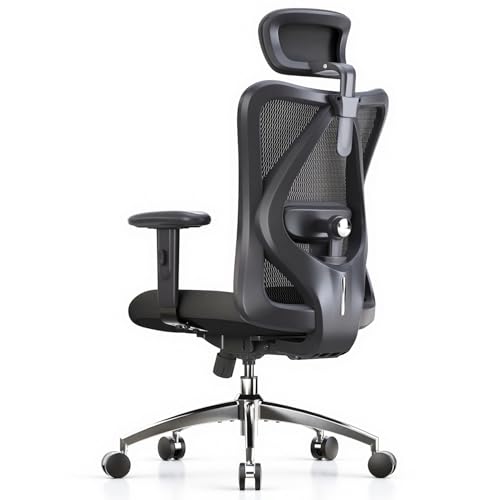

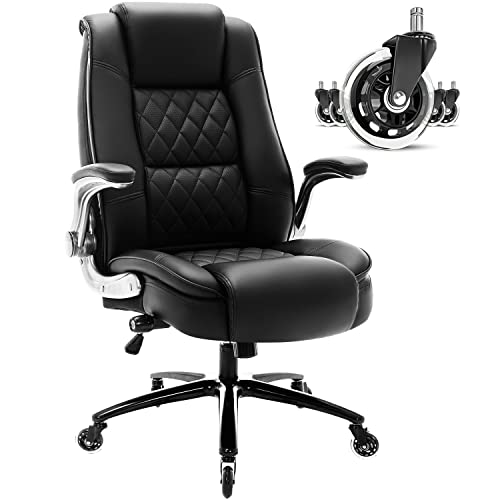

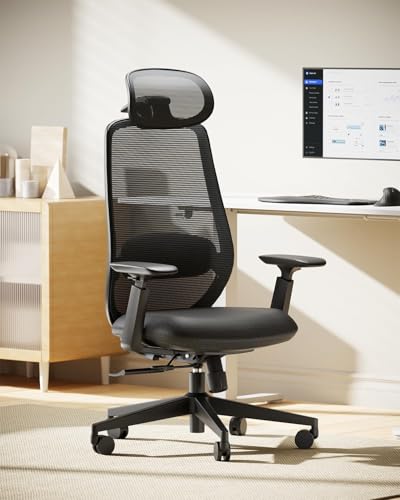
Pain Signals That Call for a Clinician First
Some symptoms should send you to a clinician rather than a checkout page, whatever chair you sit in now. Pain that is persistent or keeps worsening week after week belongs in that group, as does pain that starts after a fall, a lift gone wrong, or another injury. Numbness or weakness in a leg, fever alongside the pain, or any change in bladder or bowel control all need prompt medical attention. A chair is never the right response to those signs.
For ordinary sitting discomfort with none of those signals, what people call a chair problem is often a stillness problem. Hours without a position change will make almost any seat feel wrong by late afternoon, and regular movement breaks plus a sensible setup remain the larger half of sitting comfort. Buy the chair for the smaller half, and build the breaks into your day on purpose rather than waiting to feel stiff.
Three Ways Lumbar Support Is Built
Nearly every chair in this category delivers its support in one of three ways, and the build decides how precise the fit can be. Listings also use the rearranged label covered in our guide to the best chairs for lumbar back support; the word order changes, but the three builds below do not. Read the classes first, then use the room sections further down to narrow them to your routine.
| Support class | How it is built | Best suited to | Watch out for |
|---|---|---|---|
| Built in curve | The backrest itself is molded or tensioned into a forward curve at lower back height | Average height sitters who want nothing to adjust | The curve sits at one fixed height and misses taller or shorter frames |
| Adjustable pad | A pad inside or behind the backrest moves up and down, and sometimes in and out | Shared chairs and anyone outside the average height range | Knobs and straps need resetting when another person uses the chair |
| Separate cushion | A shaped cushion rests against the backrest of a chair you already own | Dining chairs, car seats, and one chair that must serve several rooms | It takes up seat depth and can slide out of place during the day |
Built In Curve: Support Molded Into the Backrest
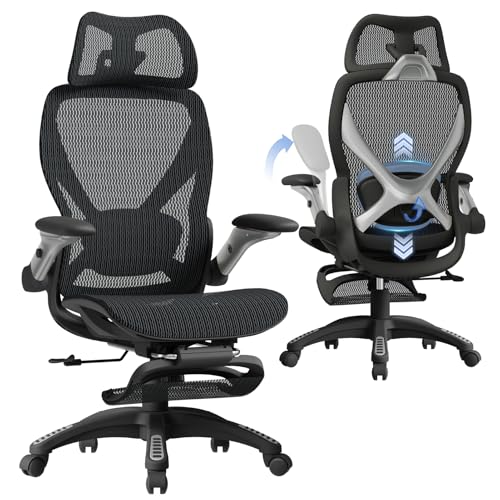
A built in curve is the quietest of the three classes, because there is nothing to set, strap, or lose. Mesh backrests often work this way, with the fabric tensioned so the lower section presses gently forward, and molded foam backs do the same with shape instead of tension. The fit is good when your belt line happens to meet the curve where the maker put it, which is most often true for sitters of average height. If you are much taller or shorter than average, sit in the chair before buying where you can, because this class gives you no way to move the support to meet you.
Adjustable Pad: Support You Can Move to Meet You
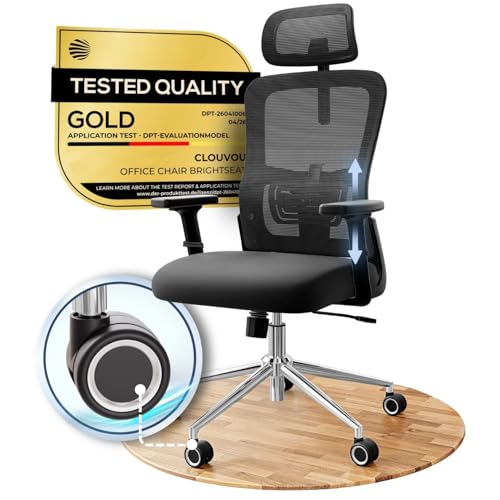
An adjustable pad trades simplicity for precision, and for many buyers that trade is worth it. The pad slides up and down behind or inside the backrest until it sits at your belt line, and some designs also move in and out to change how firmly it presses. This is the class to choose when two people of different heights share one chair, since each sitter can reset the pad in seconds. The cost of the flexibility is a little daily discipline: a pad left at the wrong height after someone else used the chair supports nothing at all.
Separate Cushion: Support Added to a Chair You Own
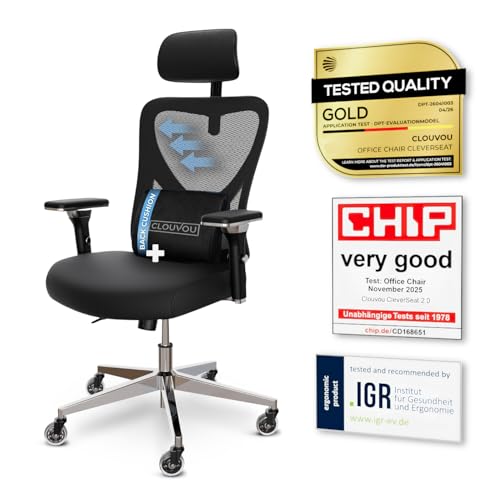
A separate cushion is the only class that does not require a new chair, which makes it the cheapest way to test whether added lower back contact suits you. It works best on chairs with a fairly upright back, such as dining chairs, kitchen chairs, and simple task chairs without their own shaping. Two limits follow it everywhere: the cushion consumes about two or three inches of seat depth, which matters on shallow seats, and it can creep downward as the day goes on unless it straps firmly to the backrest. Treat it as a flexible extra rather than a full substitute for a chair built around support.
Picking the Right Chairs for Different Uses
Desk shoppers can start with our guide to the best desk chairs for lumbar support and then use the class checks in this guide for the rest of the house. The sections below take the rooms and uses one at a time, because the right support build changes with the chair it has to live in.
Best Leather Chairs with Lumbar Support
Best leather chairs with lumbar support usually hide their support under the upholstery, so you judge this class by shape rather than by visible parts. Run your hand down the backrest: the forward curve at lower back height should feel smooth and even, not like a hard ridge under the surface. Leather and leather look coverings also hold warmth against the back, which suits a cool room better than a hot one. Because the support is built in and fixed, this class rewards sitters whose height matches the chair, so check the backrest dimensions with extra care.
Best Home Chairs for Lumbar Support
Best home chairs for lumbar support have to work across the whole day rather than one task, from morning coffee to evening paperwork at the same table. A moderate built in curve is usually the practical choice here, since it asks for no adjustment when different family members sit down. Weight matters more than people expect, because home chairs get carried between rooms, and a chair that is easy to move gets used where it is needed. If one person uses the chair far more than everyone else, fit it to that person first.
Best Camp Chairs with Lumbar Support
Best camp chairs with lumbar support are folding chairs whose back panel is shaped or tensioned to meet the lower back instead of sagging away from it. That shaping is the whole feature: a camp chair back made from loose fabric hammocks under your weight and leaves the lower back unsupported. Look for a back panel that stays firm when you lean into it, and check that the seat is not so deep that you slump to reach the back at all. Support outdoors is about an hour or two of sitting comfort by the fire or the pitch, and portability still comes first in this class.
Best Low Chairs with Lumbar Support: What to Prioritize
Best low chairs with lumbar support put the sitter closer to the floor, which changes the geometry of the whole chair. With the seat low, your knees sit higher relative to your hips, and the lower back rounds more easily, so the backrest angle and curve placement matter even more than usual. Prioritize a backrest that reaches well up the back and a curve positioned low on it, close to the seat. Also think about standing up again: a low seat asks more of the legs, and sturdy arms you can push against make the chair far more usable day to day.
Best Upholstered Chairs for Lumbar Support: What to Prioritize
Best upholstered chairs for lumbar support build their curve from foam and fabric, so foam quality is the deciding factor in this class. Dense foam holds the curve where the maker shaped it, while soft foam lets you sink past the support within a year or two of daily use. Press the backrest at lower back height with your palm: it should push back firmly rather than collapsing flat. Removable covers are a practical bonus in this class, since upholstered backs collect dust and spills in a way mesh never does.
Best Living Room Chairs for Lumbar Support: What to Prioritize
Best living room chairs for lumbar support compete with the sofa for the same hours, so they are bought as much for looks and company as for support. The practical approach is to shortlist chairs whose style fits the room, then try the backrest curve on each one and drop any chair whose curve misses your belt line. A gentle built in curve inside a comfortable armchair serves most evening sitting well. Remember that guests will use this chair too, and a moderate curve suits the widest range of visitors.
Best Living Room Chairs with Lumbar Support: What to Prioritize
Best living room chairs with lumbar support treat the support as a named feature rather than a quiet bonus, and that usually means an adjustable element somewhere in the design. In living room furniture this tends to be a movable back cushion or a reclining backrest whose lower section firms up as it tilts. Prioritize the version you can set once and forget, since living room chairs are rarely adjusted between sittings. Check also that the adjustment survives the chair being moved for cleaning, because a support that resets itself every week quickly gets ignored.
Key Features to Compare
Gaming listings lean on the same three builds as every other class, and our guide to the best gaming chairs with lumbar support applies the checks below to that style of chair. Whatever the room, these are the features that decide whether the support you bought is the support you actually get.
Fit: Backrest Height and Pad Position
Fit begins with one measurement: the distance from the seat to your belt line when you sit down. The support, whether molded or padded, has to arrive at that height, so prefer designs whose pad travels across a range of about four to six inches. Backrest height matters alongside it, because a short backrest on a tall sitter leaves the upper back to round forward and drag the lower back with it. This is also why our guide to the best office chairs for lumbar support treats pad position as the first check on any workplace chair.
Seat Depth, Width, and Weight Capacity
Seat depth controls whether you can reach the backrest without the seat edge pressing behind your knees, and most adults sit comfortably in about 16 to 19 inches of depth. A deep seat plus a separate cushion is a common mismatch, since the cushion spends depth the chair could not spare. Width and weight capacity are listed together on most product pages: capacity is a maker figure rather than a promise, so choose a rating comfortably above the heaviest sitter who will use the chair. Roomier seats also change support, because a sitter who shifts sideways in a wide seat leaves the curve behind.
Materials and Upholstery
Mesh backs breathe and hold a tensioned curve well, which is why they dominate desk chairs, but the curve is only as good as the frame tension behind it. Fabric over foam feels warmer and softer, suits living rooms, and asks for vacuuming and the odd spot clean to stay fresh. Leather and leather look coverings wipe clean and suit dining and camp settings where spills happen, though they can feel warm against the back in summer. None of these materials changes what support can do; they change how the chair feels and how much care it asks from you.
Assembly and Delivery
Most chairs in this category arrive flat packed, and a realistic assembly time is about 20 to 40 minutes with the included tool. Check the box dimensions against your doorway and stairs before ordering, because a chair that cannot reach the room cannot support anyone. Larger armchairs and recliners are heavy enough to be a two person lift, so plan help rather than dragging the box alone. Keep the receipt and warranty card with the instructions, since adjustment parts and lift cylinders are the pieces most likely to need a claim later.
Who Should Buy Which, and What to Spend
For Gift Shoppers
A chair is a hard gift to fit, because support only works at the right height on the right back. The safer gift in this category is a separate lumbar cushion or a gift budget the person can spend after measuring their own seat and belt line. If you do buy the chair itself, choose a design with an adjustable pad, since it forgives the height guess better than a fixed curve. Keep the receipt and favor sellers with a plain return window, and tell the person honestly that swapping it is expected if the fit is wrong.
For People Who Want the Best Performance
Performance in this category means adjustment range and build quality, not stronger promises about your back. The money buys pads that travel further and lock more firmly, mechanisms that move smoothly after years of use, and foam that holds its shape under daily sitting. Readers setting up a full time desk can compare the best computer chairs with lumbar support against the class notes in this guide before settling on a budget. Expect to spend about $400 to $800 for that level of hardware, and judge chairs in that band by fit first and features second.
For Value Seekers
Value seekers get the most from the middle of the market, where adjustable pads first appear without premium finish costs. From about $150 to $400, you can find chairs whose support you can genuinely position, seated on foam that survives daily use. Below about $150, support is usually a fixed curve and thinner foam, which still serves lighter sitting in a home or guest room. Spend the savings on the unglamorous parts of the setup instead, such as a footrest for a shorter sitter or a cushion to test support on a chair you already own.
Common Mistakes to Avoid When Buying Chairs
- Assuming the words lumbar support on a listing mean the support is adjustable, when most fixed curves cannot move at all.
- Adding a thick cushion to a chair whose seat is already too deep, then perching on the edge with no back contact.
- Judging support from a two minute showroom sit, instead of checking where the curve lands and how the foam pushes back.
- Ignoring backrest height on a tall frame, so the shoulders round and the lower back follows them.
- Skipping the return window details, even though support fit is one of the hardest things to judge from photos.
How to Make Your Chair Last Longer
Adjustable parts last longer when they are moved now and then, so slide the pad through its range every few weeks instead of leaving it frozen for years. Tighten the bolts every few months, vacuum fabric and mesh regularly, and wipe smooth coverings with a damp cloth so grit does not wear the surface. Rotate a separate cushion end for end if its shape allows, which spreads the compression across the foam. None of this is complicated, and ten minutes a few times a year is the whole cost.
Chairs for Lumbar Support: Questions Answered
What features matter most in chairs for lumbar support?
The features that matter most are pad position, backrest height, and a seat depth that lets you reach the backrest in the first place. One test tells you more than any listing: sit down, lean back, and notice whether the support contacts your lower back without you hunting for it. If you have to shuffle or slump to find the curve, the chair does not fit you, whatever its feature list says. Clothing plays a part too, since a thick winter layer changes how much of the pad you feel.
What matters most when a chair is used for long hours?
For long hours, what matters most is a chair that lets your sitting vary: a tilt that unlocks, a pad that stays put at your height, and a seat that does not trap heat. Long sessions expose foam quality, because a seat that feels fine at nine can feel thin by three. Plan your breaks as part of the purchase decision, since a chair used with regular breaks serves you better than a costlier chair used without them. If two people share the chair, write the pad setting on a note by the desk so it gets reset.
How do I choose the right size chair for my height?
Choose by comparing your seated measurements with the chair dimensions, not by the size words in the listing. Measure from your seat to your belt line and look for support that can be placed at that height, then check seat depth against the back of your knees. Tall sitters should also confirm the backrest tops out high enough to support the shoulder blades area. When a listing gives a height range for the chair, treat the middle of that range as the honest fit zone rather than the edges.
How long should a good chair last with daily use?
A good chair used daily should give you about five to ten years of comfortable sitting before its foam and mechanisms tire. The pad and seat foam usually fade first, softening until the support feels vague and the seat feels low. Gas lifts and tilt mechanisms are wear parts on desk chairs and can often be replaced without replacing the chair. Frames and bases outlast everything else, so a chair that still feels solid but sits soft is a candidate for a new cushion or pad rather than the curb.
Is an expensive chair worth it for lumbar comfort?
An expensive chair is worth it when its wider adjustment range solves a fit problem that cheaper chairs could not, such as an unusual height or a chair shared by two very different sitters. If a mid priced chair already places its support at your belt line and fits your legs, the extra money buys materials and finish rather than extra support. Try to sit in the expensive chair beside the mid priced one before deciding. The honest difference, when there is one, shows up in the first minute of contact rather than in the feature list.
Final Thoughts
Decide which of the three support builds suits your room, place that support at your belt line, and let movement breaks carry the larger half of your sitting comfort. The product table above gathers the current options in one view so you can compare builds and sizes without opening a dozen pages. Readers who shop by build and fit, rather than by the label alone, stand the best chance of finding the best chairs for lumbar support for the way they really live. If your back pain is persistent, worsening, or paired with any of the warning signs listed earlier, talk with a clinician about your own needs rather than shopping your way around them.