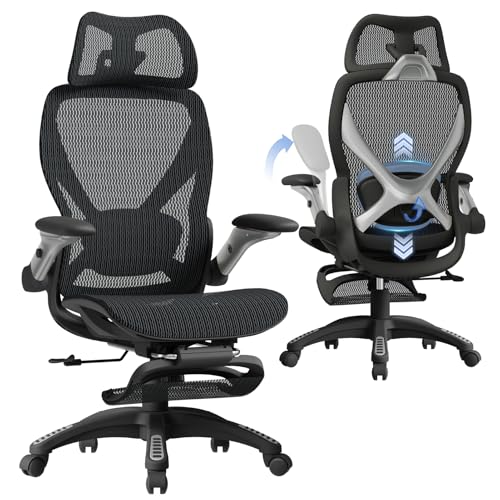
Best Chairs for Lower Back Problems: Buying Guide for 2026
Disclosure: We may earn a commission when you buy through links on this page, at no extra cost to you. As an Amazon Associate I earn from qualifying purchases. Learn more
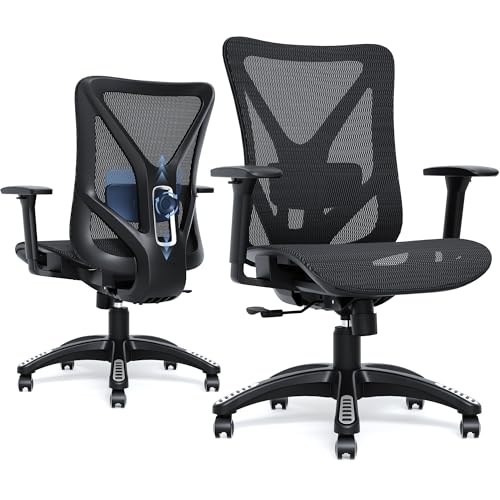
Compare the best chairs for lower back problems by lumbar support, cushion feel, seat depth and budget, with a comfort first guide and a clinician note.
Sitting through a full workday on a chair that fights your body shape turns small discomforts into the focus of the day. Shoppers comparing the best chairs for lower back problems are usually looking for the same things: a backrest that meets the lower back instead of pushing on it, a seat that fits their legs, and adjustments they can actually reach and change. This guide explains how to judge those points in plain terms, and the comparison table below gathers the current options in one place.
One boundary comes before any feature list. A chair can make sitting feel easier, but no chair treats, cures, or corrects a back condition. If you have a diagnosed back condition, a clinician or physical therapist who knows your case should guide the choice first, and the chair should follow that advice rather than replace it. With that boundary clear, the rest of this guide covers the warning signs that need medical advice, the features that shape sitting comfort, and the main chair types on sale.
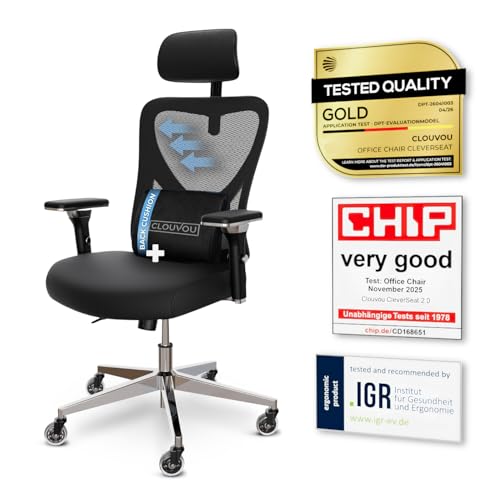
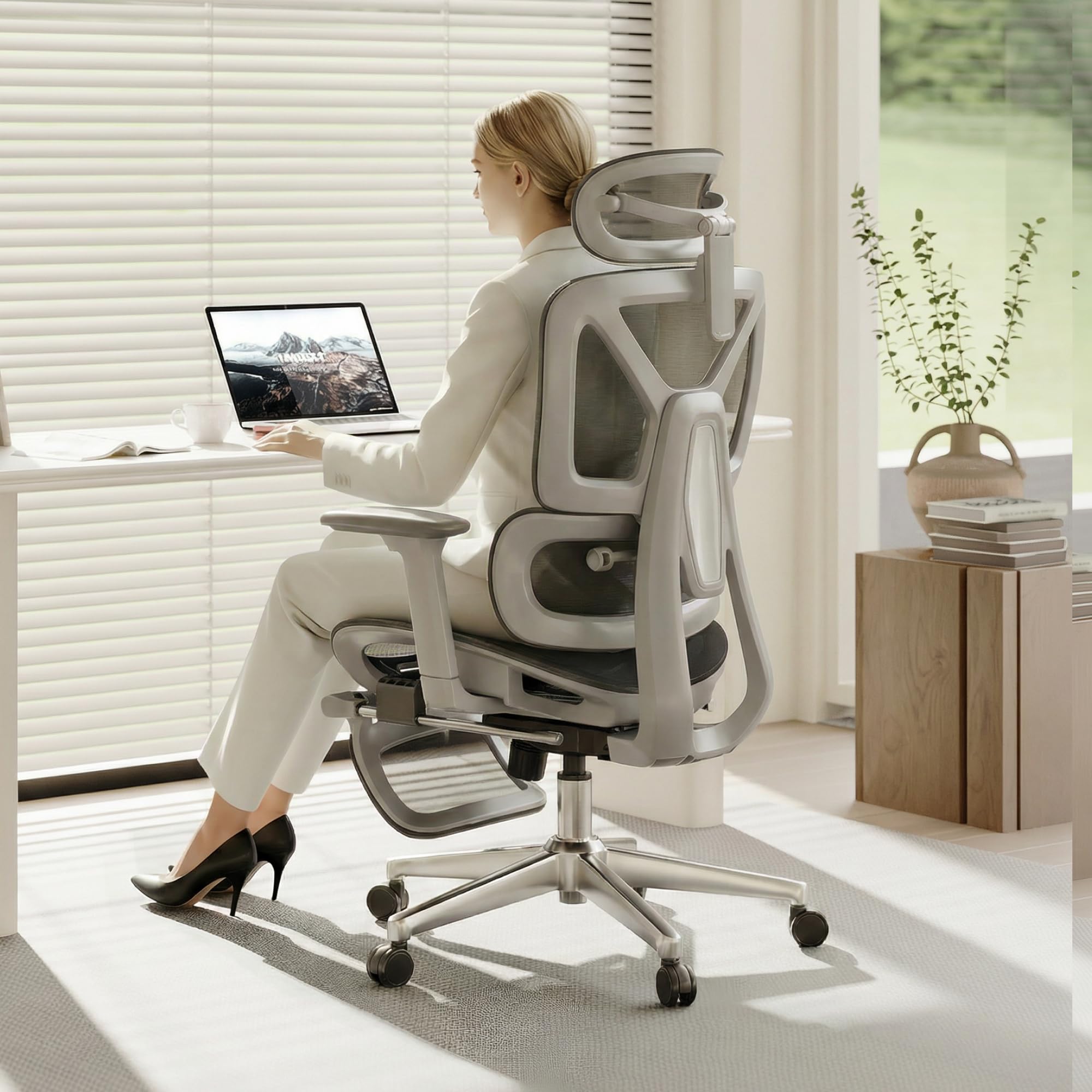

Start With a Clinician, Not a Catalogue
Most everyday back stiffness from sitting is a comfort and habit question, and a better fitting chair is a reasonable part of the answer. Some signs point somewhere else entirely, and they deserve medical advice before money is spent on furniture. Talk to a doctor promptly if you notice any of the following:
- Back pain that keeps getting worse instead of easing over a few weeks
- Pain that spreads down one or both legs
- Numbness, tingling, or weakness in a leg or foot
- Fever alongside back pain
- Any change in bladder or bowel control
- Pain that follows a fall or another injury
A clinician can also say whether a particular support shape suits your condition, which matters because the firm pad that feels wonderful to one reader can aggravate another. Readers whose pain is already being treated should bring the chair question to that appointment, since desk setup, sitting time, and treatment work as one picture. Everyone else can shop with the comfort checks below, while treating new or changing symptoms as a reason to pause and get advice first.
How to Choose: A Buying Guide
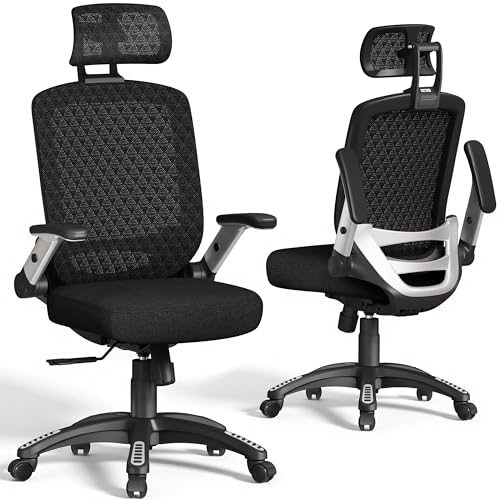
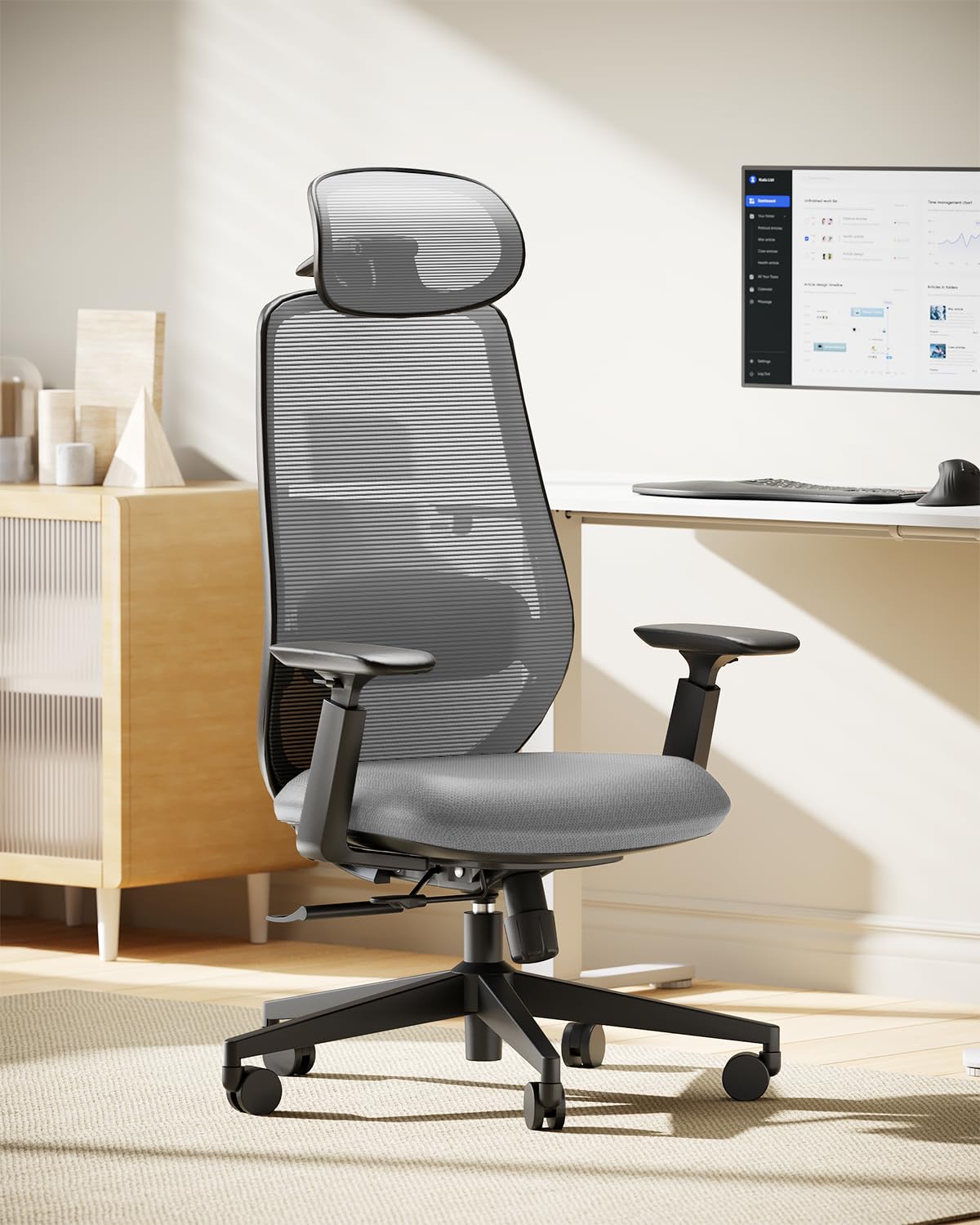
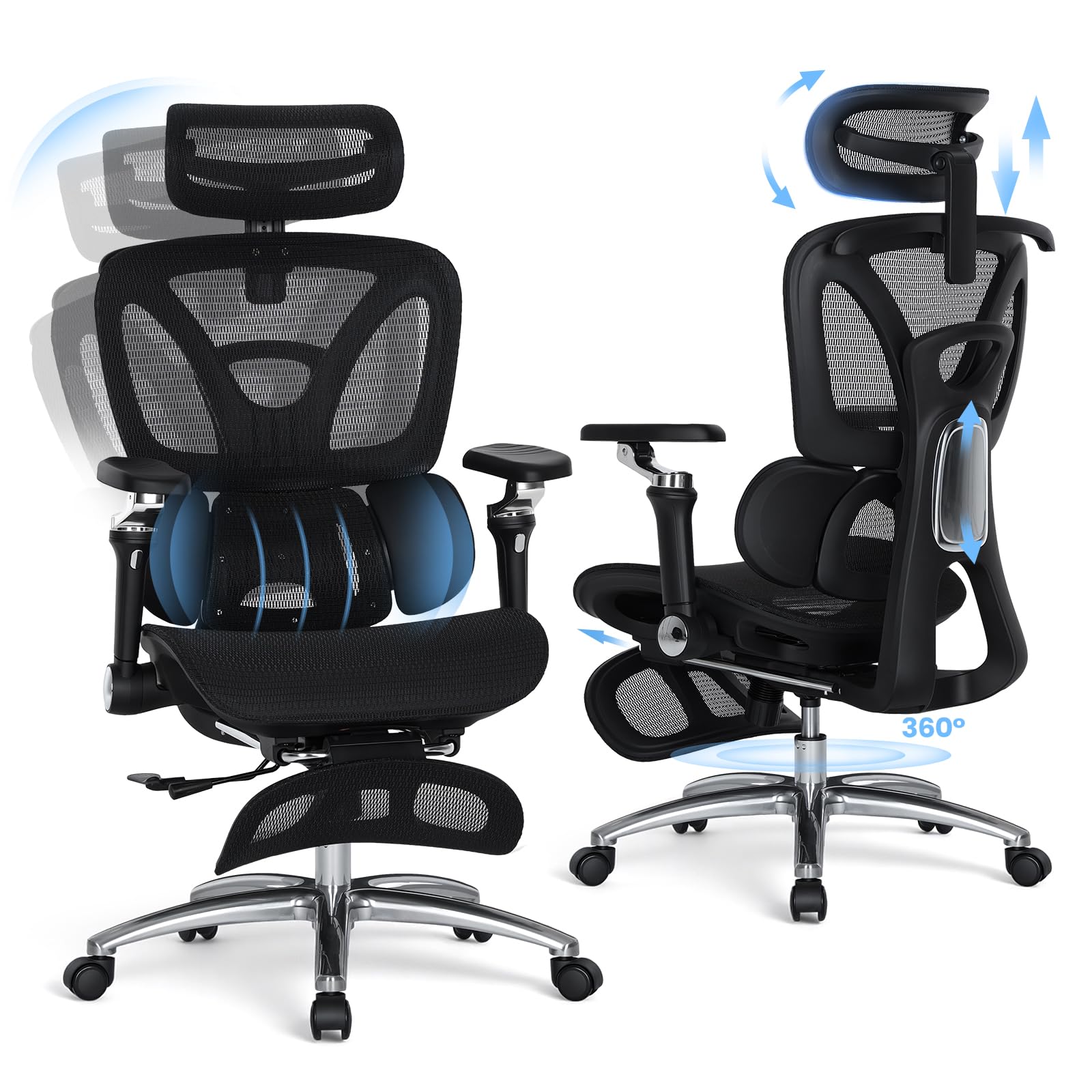
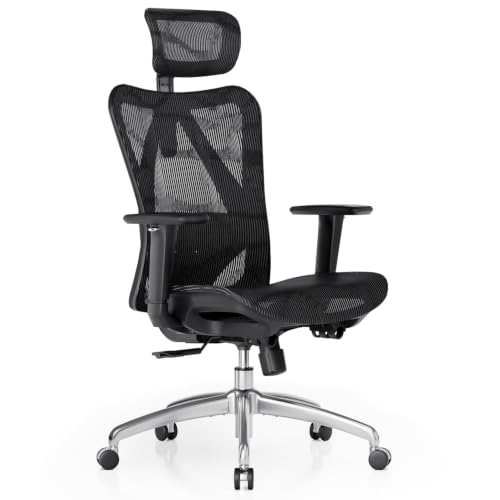
The product table above collects the chairs in one view, and the checks below explain how to read it. Lumbar contact, seat fit, and adjustment range decide most of the comfort a chair gives you, so judge those before fabric, colour, or styling.
Features That Matter for Lower Back Comfort
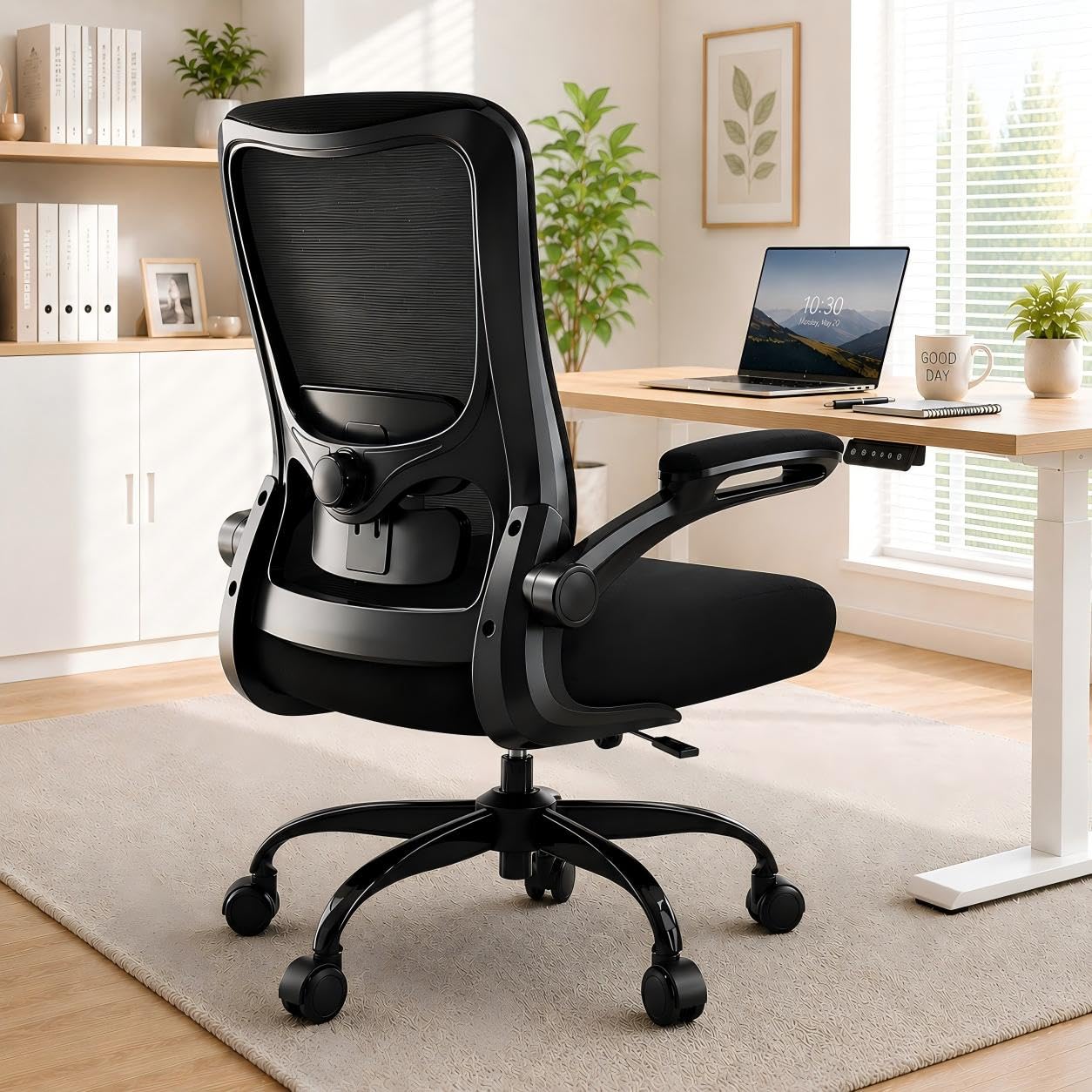
Start with the lumbar area, where a useful chair places gentle, even contact against the curve of the lower back without a hard edge digging in, and that contact should sit at belt height rather than up between the shoulder blades. Fixed shaped backs do this well for bodies that match the moulding, while adjustable pads suit readers whose preferred contact point moves. This is the point where the best chairs for lower back problems separate from ordinary office seating, because general chairs are shaped for an average back that few readers actually have. Readers comparing the broader category can also look at best chairs for back problems for the wider picture.
Ergonomics and Adjustability
Adjustments only help when they cover your measurements. Seat height should let your feet rest flat on the floor with your knees near a right angle, and the range matters at both ends, since petite and tall readers are often shut out by a narrow span. Seat depth deserves equal care: you want about two or three fingers of space between the seat edge and the back of your knees. Armrests that move up, down, and sideways keep shoulders dropped instead of shrugged, and a tilt lock with tension control lets the backrest follow you rather than forcing one fixed angle all day.
Build Quality and Frame
The frame and lift carry your weight every hour of every workday, so check the stated weight capacity and leave real headroom above your own weight rather than sitting at the limit. Steel frames and metal bases feel steadier over years of use than thin plastic shells, and a class 4 gas lift is the stronger standard part found in better chairs. Casters matter on hard floors, where the wrong wheel can scratch the surface and make the chair feel twitchy. A chair that flexes or creaks in the first month rarely improves with age.
Comfort and Cushioning
Cushion feel is a balance, and both extremes fail by the afternoon. Very soft foam lets you sink until the seat frame does the supporting, while very firm foam concentrates pressure under the sitting bones. High density foam in the middle of that range holds its shape through long sessions and through the seasons, since soft foam also changes feel as a room warms up. Mesh seats take a different route, spreading weight across a suspended surface that breathes in summer, and whichever route you pick, the honest test is the second hour of sitting, not the first two minutes in a showroom.
Warranty and Return Policy
Warranty terms reveal how a maker expects the chair to age. Look for coverage measured in years on the frame and lift rather than a short blanket promise, and read what is excluded, since foam and fabric often carry shorter terms than the structure. A return window of at least a few weeks matters just as much, because comfort questions about the lower back rarely settle in a single day of sitting. Keep the box and packaging until the trial period ends, and note whether return shipping is covered before you order.
Assembly and Delivery
Most chairs in this category arrive as separate pieces: the back, the seat, the base, the lift, and the casters. One person can usually assemble one in about 20 to 40 minutes with the supplied tool. Two people make the backrest step far easier, since it is the heaviest and most awkward piece. Check doorway and stair measurements before ordering a wide executive style, tighten every bolt fully at assembly, and check them again after the first week as the parts settle into place.
Types of Chairs
Chair types group around how the back is supported and how much adjustment is built in. The four classes below cover most of what you will see, and each suits a different room, budget, and body.
Ergonomic Models
Ergonomic models are the adjustable mainstream: shaped or mesh backs, moving lumbar pads, and the full set of seat and arm controls. They suit readers who sit six hours or more and want to tune the fit over time. Prices commonly run about $250 to $600, and the class rewards buyers who will actually use the adjustments instead of setting them once and forgetting them.
Compact Space Saving Models
Compact models shrink the footprint for small rooms, shared spaces, and desks tucked into bedrooms. The trade is real: narrower seats, shorter backs, and fewer adjustments, so taller readers should check seat depth with extra care. Expect about $120 to $300, and treat the class as a good answer when the room, not the budget, is the binding limit.
Premium Executive Models
Executive models add width, padding, and taller backs, with upholstery chosen for looks as much as support. The strongest of them pair that padding with a genuinely shaped lumbar area, while the weaker ones rely on thick foam alone. Prices run about $400 to $900, and the fit questions from the buying guide above still decide more than the finish does.
Budget Models
Budget models, usually about $80 to $200, pare the chair back to a shaped seat, a simple back, and basic height adjustment. They can serve light daily use and spare rooms well, but foam quality is where the saving shows first, and heavy daily sitters often outgrow them within a couple of years. A generous return window matters most in this class.
Choosing a Chair for Your Situation
Rooms and roles change which trade offs matter. A home office chair can be chosen for one body and one desk, while a shared office chair needs a wider adjustment range to suit whoever sits down next. Shoppers who want the shorter overview first can start with best chairs for lower back and return here for the detail.
Best Office Executive Chairs for Lower Back Problems
Executive seating is the choice when the chair also has to look settled in a formal office or a room where clients visit. The criteria that differ here are width, back height, and presence: these chairs are broader, taller, and usually padded rather than meshed. That padding makes the lumbar question sharper, not softer, so look for a shaped lower back area under the upholstery instead of a flat slab of foam. Readers comparing office led options across both styles can also browse best office chairs for lower back problems for the wider office picture.
If the chair will serve a partner or a colleague on other days, put adjustment range ahead of executive styling, because a wide fixed chair fits one body well and the next body poorly. For general office background, best office chairs for back problems covers the broader category.
Setup, Movement, and Care
Set the chair up before judging it. Feet flat on the floor, knees near a right angle, the screen at about arm length with the top near eye level, and the lumbar contact sitting at belt height. Small changes here do more for comfort than most upgrades, and readers often find that a chair they already own improves once its settings match their body instead of the factory defaults.
Movement is the larger half of sitting comfort, larger than any feature on a specification list. Stand, walk, and stretch briefly every 30 to 60 minutes, even if that only means filling a water glass or walking to a window. A chair supports the time between breaks; it cannot replace the breaks. Readers who set a quiet timer for the first two weeks usually keep the habit once the routine feels normal.
- Tighten the frame and armrest bolts every few months, since slow loosening is the usual source of new creaks.
- Vacuum fabric and mesh weekly, and wipe smooth upholstery with a damp cloth so grit does not grind into the surface.
- Keep leather and bonded leather out of direct sunlight, which dries and cracks the finish over time.
- Roll the chair on a mat over hard floors to protect both the casters and the floor.
- Work the height lever and the tilt through their full ranges now and then so the lift and mechanism stay free moving.
Frequently Asked Questions
What seat depth suits chairs for lower back problems if you are short or tall?
Seat depth suits you when the seat edge stops about two or three fingers behind your knees while your back rests against the backrest. If you fall outside the standard size range, measure before ordering: sit on a firm chair against a wall and measure from the wall to the back of your knee. Buy a chair whose stated seat depth is a little less than that number. A seat that is too deep pushes you to perch forward, and perching removes the backrest from the job entirely.
Can a lumbar pillow improve a chair I already own?
Yes, an add on lumbar cushion is a reasonable low cost trial before replacing a chair. It can place contact at belt height on a backrest that is too flat, and it costs a fraction of new furniture. Watch one trade off: the cushion takes up seat depth, so on a shallow seat it can push you forward. If the cushion makes the seat feel short, the chair itself is the limit and a different chair is the honest answer.
How long should a chair for lower back comfort last with daily use?
A well built chair used daily usually serves about five to eight years before foam and moving parts tire. The frame often outlasts the cushion, so judge wear by feel rather than age. A simple check is the morning dent test: if the seat foam still shows your shape an hour after you stand up, it has stopped springing back. Gas lifts usually fail more suddenly, sinking slowly during the day, and that part can often be replaced on its own.
Is mesh or foam better for long sitting days?
Neither wins for everyone, because the two materials behave differently across a day and across seasons. Mesh spreads weight evenly and stays cool, which suits warm rooms and readers who run hot, though it can feel chilly in a cold room in winter. Foam gives a softer first sit and suits readers who prefer a cushioned feel under the thighs. Clothing matters too: thin summer fabrics make mesh texture more noticeable, while thick winter layers mute the difference.
Should I buy one chair for work and home, or two different chairs?
Two chairs usually serve better than one chair moved between rooms. Desks differ in height, floors differ in surface, and a chair set up carefully for one room loses those settings every time it travels. If the budget only stretches to one good chair, put it where you sit the most hours and use a simpler chair for the shorter sessions. Readers who split time evenly can buy the same model twice, which keeps the fit identical in both places.
Final Thoughts
To sum up the checks that matter most: lumbar contact at belt height, a seat that fits your legs, and adjustments wide enough for your body. Compare those against the product table above, keep the clinician guidance at the start of this guide in view, and give any new chair a fair trial across full workdays before deciding. Chosen with those checks, the best chairs for lower back problems for your desk are simply the ones that let you forget the chair and get on with the day. Prices and availability can change, so check the product page before ordering.