
Best Chairs for Back Problems in 2026: Every Type Explained Side by Side
Disclosure: We may earn a commission when you buy through links on this page, at no extra cost to you. As an Amazon Associate I earn from qualifying purchases. Learn more
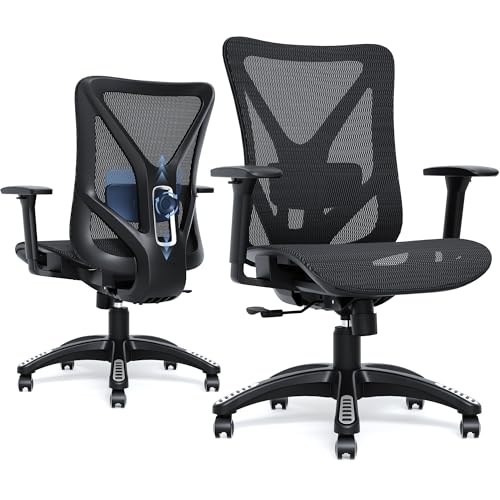
Desk, executive, kneeling, saddle, recliner and lift types compared for the best chairs for back problems, by seat depth, lumbar contact and fit.
Chair shopping gets confusing because the same word, ergonomic, is printed on almost everything from a basic task chair to a lounge recliner. This guide strips the labels away and compares the main types of best chairs for back problems by plain fit geometry: seat depth against your thighs, seat height against your legs, and how the backrest meets your lower back. A chair is furniture, and fit is the honest way to judge it.
The comparison table below puts the types side by side first. The sections after it explain who each type suits, where each one falls short, and how to check a chair in your own room before you decide to keep it.
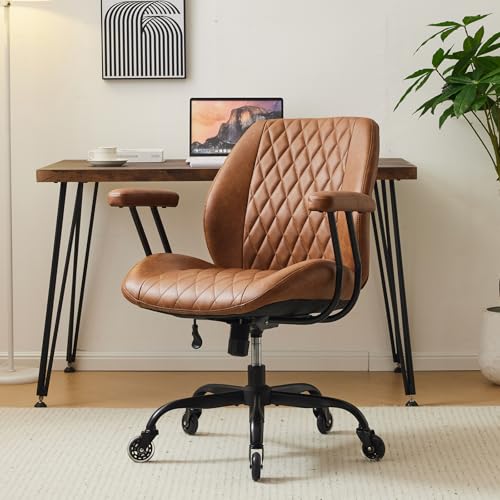
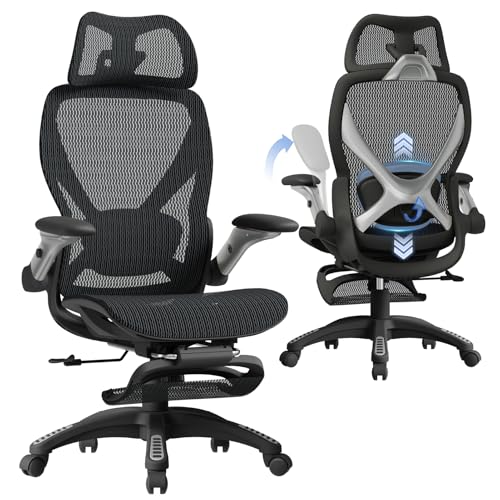
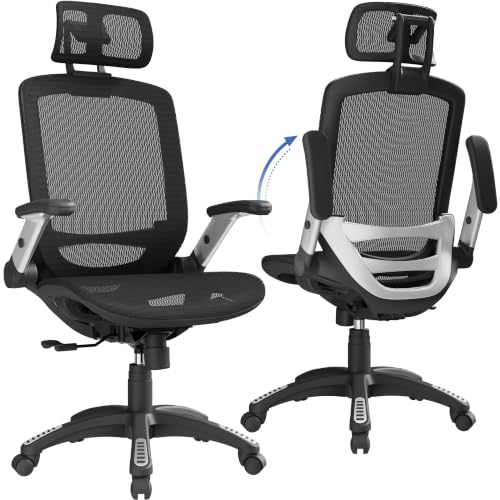

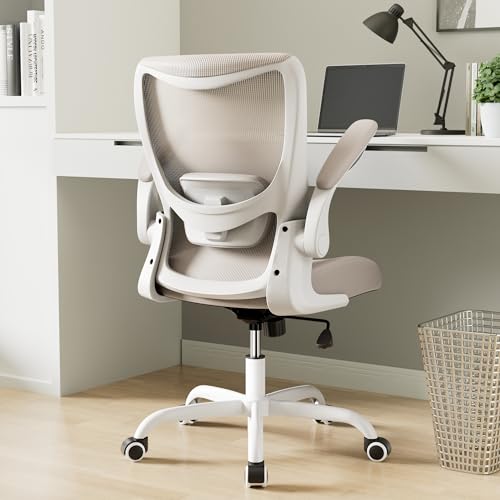

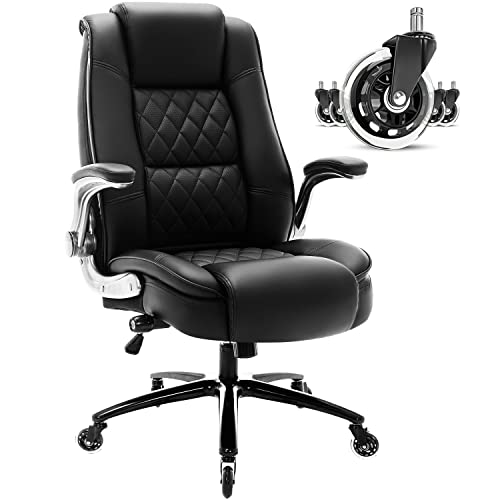
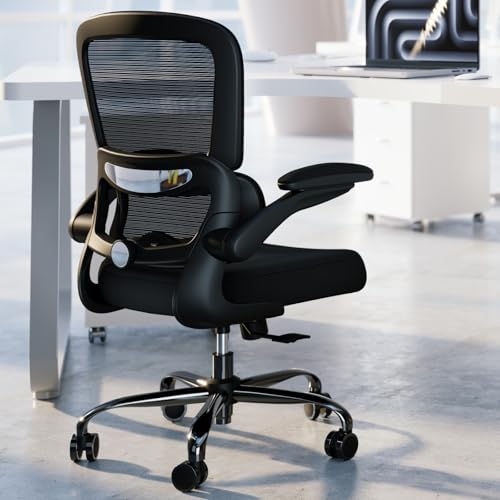
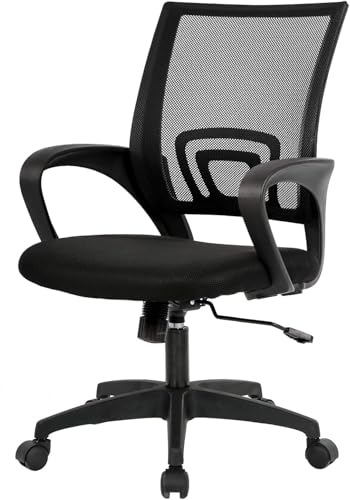
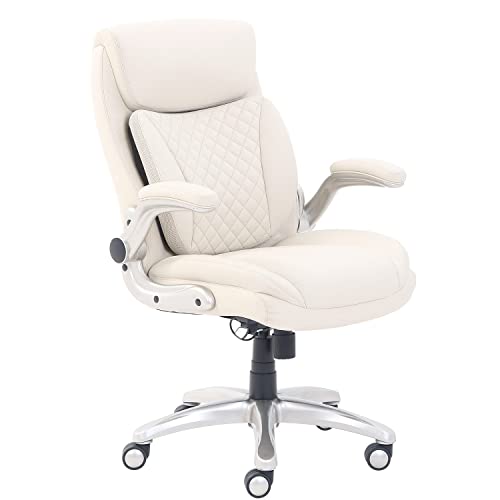
Chair Types Compared, Side by Side
Among the best chairs for back problems, no single type wins for everyone, because bodies, desks and rooms differ. A chair that fits a tall person at a fixed desk will fail a shorter person at a low table. Use this table to narrow the field to one or two types, then read the detailed sections for the fit checks that matter for that type.
| Type | Best For | Fit Strengths | Watch Out For | Typical Price |
|---|---|---|---|---|
| Desk and task | Daily desk work | Adjustable height, depth and arms on many models | Thin padding on the cheapest versions | about $100 to $400 |
| Executive | Long meetings and a formal office look | Tall backrest and deep cushioning | Fixed geometry under the padding | about $250 to $700 |
| Kneeling | Short, active sitting sessions | Open hip angle, weight shared with the shins | Knee and shin pressure during long sits | about $80 to $250 |
| Saddle | Work that mixes sitting and standing | Perched posture, easy to stand up from | Needs a higher desk than a standard chair | about $150 to $450 |
| Recliner | Resting and reading away from a desk | Recline angles and footrest support | Too low and deep for desk work | about $300 to $900 |
| Lift | People who struggle to stand from a low seat | Powered lift tilts the seat upward | Bulky, needs floor space and an outlet | about $400 to $1,200 |
Desk and Task Chairs
Desk and task chairs are the adjustable workhorses of this category, and they are the default starting point for anyone who sits at a desk most of the day. The better ones let you set seat height, seat depth, backrest angle and arm height independently, so the chair adapts to your body instead of the other way around. Mesh backs breathe well in warm rooms, while padded backs feel softer against the spine.
The weakness of this type is the bottom of the price range, where adjustment shrinks to a single height lever and the foam is thin. A thin seat pad compresses within a year or two and leaves you sitting on the hard base. Shoppers comparing the desk focused end of this type can read our guide to best office chairs for back problems for a narrower shortlist of features.
Executive Chairs
Executive chairs trade adjustment for presence and padding. They have tall backs, wide seats and thick upholstery, often in leather look materials, and they feel generous the moment you sit down. For people who host meetings, read documents and lean back to think, that padded tall back can be genuinely comfortable across a working day.
The catch is that the comfort is fixed. Many executive chairs lock you into one backrest shape, and the deep seat can leave shorter legs dangling or pressed at the edge. Padding also hides the geometry: a chair can feel plush in a showroom and still place its lumbar curve in the wrong spot for your back. Judge this type by measurements, not by the softness of the first sit.
Kneeling and Saddle Chairs
Kneeling chairs remove the backrest entirely and split your weight between a slanted seat and a pad under your shins, which opens the angle at your hips. Saddle chairs keep a small backrest or none and shape the seat like a riding saddle, so you perch rather than slump. Both are posture experiments, and honesty matters here: they suit short sessions and active sitters far better than all day desk marathons.
Kneeling chairs load the knees and shins, which some people find unbearable after an hour, and getting in and out takes practice. Saddle chairs demand a desk several inches higher than standard, or your arms will angle down at an awkward slope. Treat both types as trial purchases, buy where returns are easy, and alternate with a conventional chair while you learn whether the posture suits you.
Recliner and Lift Chairs
Recliners leave the desk behind. They are living room furniture built for reading, watching and resting, with a backrest that leans far back and a footrest that takes the weight of your legs. For people whose sitting happens mostly away from a desk, a recliner with a backrest shape that matches their own curve can be the most comfortable seat in the house.
Lift chairs add a motor that tilts the whole seat forward and up, helping the sitter reach a standing position with less effort from the legs and arms. That help is a practical fit feature, not a medical claim, and these chairs are large, heavy and priced well above desk chairs. Measure your doorway and room before ordering, because returns on furniture this size are a genuine hassle.
Desk and Task vs Kneeling and Saddle: Which Should You Choose?
Choose a desk and task chair if your sitting is measured in long, unbroken hours at one desk. It offers the widest adjustment, the easiest fit for different bodies, and the simplest path if you share the chair with a partner or coworker. The product table above shows how wide the price spread runs inside this one type.
Choose a kneeling or saddle chair if you sit in shorter bursts, like to move, and are curious about a more open posture. Budget for a trial period and keep your old chair during it. If your knees, shins or balance object during the first week, believe them and send the experiment back. Neither type is a correction for anything; both are simply different seat geometries that some people prefer.
How to Judge Fit Before You Buy
Fit is a set of measurements you can check with a tape and a wall, and doing it before you order beats every marketing claim on the page. Work through the checks below in order, and write your numbers down. They stay useful for every future chair you buy.
Seat Depth Against Your Thighs
Sit with your back against the backrest and check the gap between the seat edge and the back of your knees. You want room for about two or three fingers. A seat that is too deep pushes the edge into your calves and tempts you to perch forward, losing the backrest entirely.
A seat that is too shallow leaves your thighs unsupported and concentrates your weight on a small area. Adjustable depth is the single most valuable feature for readers comparing best chairs for lower back problems, because thigh length varies more than any other measurement.
Lumbar Contact Is a Fit Fact
Every backrest has a curve, and your lower back has its own. The question is only whether the two meet. Sit back and slide one flat hand behind your lower back: the backrest should touch it with gentle, even pressure, not a hard ridge and not a hollow gap.
Height adjustable lumbar pads help because the curve of your back sits at a different height than your partner curve does. Contact is a fit fact to check, not a treatment, and a chair that meets your back evenly is simply a chair that fits.
Arms, Desk Clearance, and Seat Height
Set the seat height so your feet rest flat on the floor and your knees sit level with or slightly below your hips. Then check the arms: they should support your forearms without lifting your shoulders, and they must slide under your desk or adjust down so the chair can pull in close. A chair that cannot pull in forces you to lean forward to reach the keyboard, which undoes the fit work everywhere else. Measure the underside height of your desk before you buy, since chunky armrests are a common reason for returns.
When a Chair Is Not the Next Step
Some symptoms should send you to a clinician, not to a checkout page. See a doctor promptly if back pain persists or keeps worsening, if pain travels down a leg with numbness or weakness, if you notice fever alongside back pain, or if you have any change in bladder or bowel control. Those signs can point to problems that no furniture purchase can address, and they deserve medical attention first.
If your clinician is already guiding your care, ask them what sitting features they want you to prioritize, then shop inside that guidance. Readers in that position often start with our overview of best chairs for people with back problems and check each candidate against their clinician advice. A chair can be a comfortable place to sit during recovery, but it is never the recovery plan itself.
The Trial Sit Is the Only Honest Check
A chair is judged in your room, at your desk, over days, not in a showroom minute. Foam warms and softens, your body settles into its usual posture, and small annoyances like a seat edge or a noisy cylinder only appear with time. Buy from sellers with at least about 30 days of home trial where you can, keep the box, and use the chair for your real work throughout the trial.
During the trial, change one setting at a time and live with it for a full day before judging. Height first, then depth, then the backrest. Readers who want a desk only comparison can also work through our guide to best desk chairs for back problems with their measurements in hand. If the chair still feels wrong at the end of the trial, return it; fit does not improve with stubbornness.
Chairs for Different Rooms and Routines
Gaming Style Chairs, Judged on Fit
Shoppers often ask whether best gaming chairs for back problems differ from office chairs in any way that matters, and the honest answer is mostly styling. Gaming chairs bring racing style side bolsters, bold colors and separate loose cushions for the neck and lower back. Those bolt on cushions slide around and rarely land where your own curve sits, so judge a gaming chair by the same seat depth, contact and arm checks as any desk chair. The recline range is usually generous, which suits players who lean back between matches.
Ergonomic Labelled Chairs, Judged on Adjustment
The phrase best ergonomic chairs for back problems describes a label, not a standard, since no authority certifies the word ergonomic for chairs. What actually separates this group is the count of independent adjustments: seat depth slides, lumbar height and firmness dials, armrests that move in several directions, and a backrest that tilts with a lock. More adjustment means a better chance of matching one specific body, and also more levers you must actually take the time to set.
Care and Simple Upkeep
Tighten the bolts under the seat about every six months, because they work loose with daily movement and cause most mystery wobbles and squeaks. Vacuum fabric and mesh weekly, wipe leather look upholstery with a damp cloth, and keep casters free of hair so the chair rolls instead of dragging.
Foam seat pads compress over the years, and a pad that has gone flat can sometimes be replaced without replacing the chair. Gas lift cylinders also wear out; a chair that slowly sinks is usually a cylinder problem, and replacements are inexpensive compared with a new chair. Note the weight capacity printed by the maker and respect it, since overloading shortens the life of every moving part.
Chairs for Back Problems: Questions Answered
What features matter most when choosing a chair for long desk hours?
Adjustable seat depth matters most, because it decides whether the backrest can do its job at all. Next come seat height range and a backrest whose curve you can position against your own lower back. Armrests that move out of the way of your desk prevent the forward lean that ruins posture by lunchtime. Padding density matters over years rather than days, so prefer firm foam that softens slowly over plush foam that feels wonderful for a month.
How do I choose the right chair size for my body?
Measure your thigh length from the back of your knee to your back, and compare it with the seat depth range in the listing. Check that the seat height range lets your feet rest flat with your shoes on. Wider bodies should confirm seat width between the armrests, and taller readers should check the top of the backrest against their shoulder blades. When your numbers fall between two sizes, choose the one with the wider adjustment range and the easier returns.
Is an expensive chair worth it for back problems?
Price buys adjustment range, denser foam and better parts, and those things affect fit and lifespan. It does not buy a medical result, and a costly chair with the wrong seat depth fits you worse than a modest chair with the right one. Spend first on the features your measurements demand, such as depth adjustment and a positionable backrest. Treat brand prestige and thick padding as the last reasons to pay more, not the first.
How long should a good chair last?
A well built desk chair used daily should last about 7 to 10 years before foam and moving parts tire out. Budget chairs often feel tired at about 3 to 5 years, usually because the seat pad compresses. You can extend life by tightening bolts regularly, keeping casters clean and replacing a worn gas lift cylinder. A lifetime frame warranty sounds generous, but read which parts it actually covers, since pads and cylinders are the parts that wear.
Should I see a doctor before buying a chair for back pain?
Yes, if your pain is new, severe, worsening, or paired with numbness, weakness, fever, or any bladder or bowel change, see a doctor before you shop. Those signs need diagnosis, and a chair is furniture, not a diagnosis or a treatment. If your pain is the familiar stiffness of long sitting and a clinician has already checked you, shop by fit with a clear conscience and ask your clinician what features they would prioritize.
Final Thoughts
Narrow the types first: desk and task for long hours, executive for padded presence, kneeling and saddle as short session experiments, recliner and lift for the living room. Then let your tape measure decide, because seat depth and lumbar contact predict your comfort better than any label. Compare your shortlist against the product table above, and insist on a home trial long enough to learn the truth.
The search for best chairs for back problems ends well when you treat it as a furniture fit problem with a tape measure, a trial period and honest expectations. Buy the chair that matches your body and your desk, and keep your clinician in charge of everything that is actually about your back.

