Best Chairs for Heavy People Made Simple: A Clear Buying Guide for 2026
Disclosure: We may earn a commission when you buy through links on this page, at no extra cost to you. As an Amazon Associate I earn from qualifying purchases. Learn more

Shopping for the best chairs for heavy people for the first time? Learn the terms, compare options, and avoid rookie mistakes with this easy guide.
Buying a chair sounds simple until the standard models start to feel too narrow, too soft, or too fragile. If you are shopping for the best chairs for heavy people for the first time, the good news is that the differences are easy to learn once someone explains the terms in plain English.
This guide starts with the basics, then explains each spec, then shows how the right choice changes from room to room. Keep your own measurements nearby as you read, and use the comparison table below to see how the main classes differ.



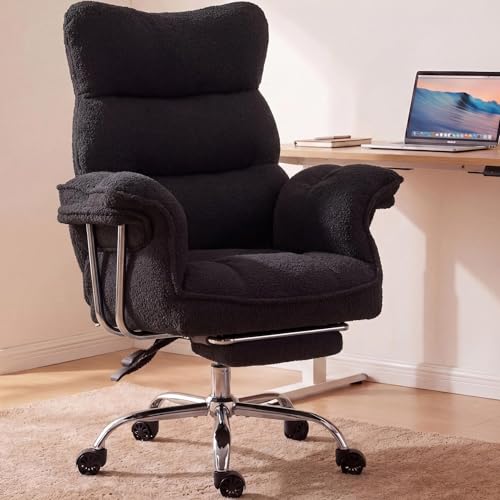

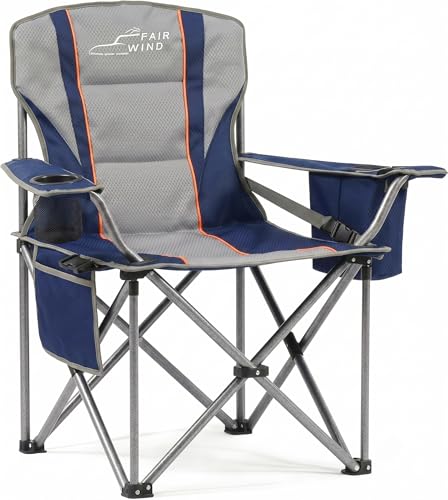


Chairs 101: The Basics
A chair built for a heavier user is not just a bigger chair. It is a chair whose frame, base, lift, and foam are all rated to carry more weight, day after day, without loosening, cracking, or sinking. Regular chairs are commonly rated to about 250 pounds, and many feel strained well before that limit when the same person sits in them for years.
Heavy duty classes start around a 300 pound rating and climb from there. Chairs rated at about 300 to 350 pounds suit many buyers, models at about 400 to 500 pounds add wider seats and heavier frames, and bariatric classes above 500 pounds serve the highest loads. Treat these classes as a ladder: choose the lowest class that still leaves a clear margin above your own weight.
At the desk, the details overlap with our guide to best desk chairs for heavy people, which covers the workday version of the same rules. Three ideas run through every section below: read the stated rating, check the frame and base behind it, and match the seat width to your body rather than to the room.
Key Specs Explained in Plain English
Features That Matter for Heavy People
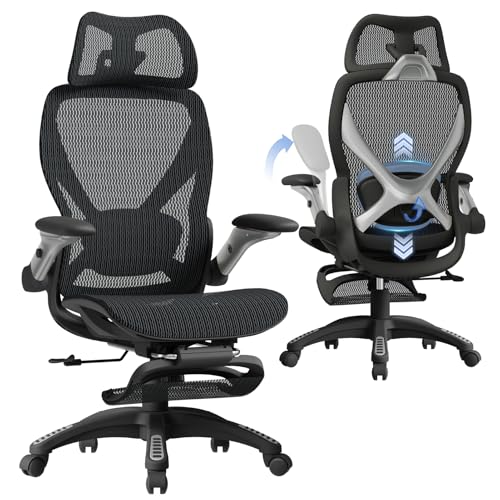
Weight capacity is the first number to read, and it should come from the stated rating rather than from marketing words like sturdy or oversized. A seat should never be loaded past its stated rating, so pick a rating with room to spare above your weight, including winter clothing and anything you hold on your lap. The frame and the base are what make that rating real: a steel frame with reinforced joints and a wide metal base spreads load safely, while thin wood or plastic parts flex, creak, and fail early. When a listing hides the frame material or the exact rating, treat that silence as your answer.
Size, Dimensions, and Weight Capacity
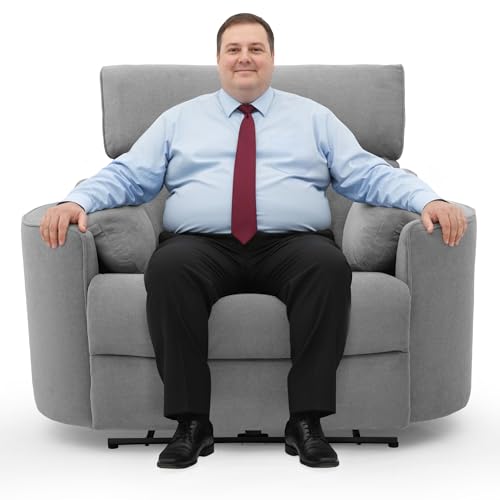
Seat width governs comfort at load more than any other measurement. Standard seats run about 18 to 20 inches wide, which can press on the hips and thighs of a larger sitter within an hour. Wide models offer about 22 to 26 inches, and that extra room is what lets you sit back instead of perching on the edge. Check seat depth as well, at about 18 to 22 inches, and confirm the armrests leave space between them rather than pinching your sides.
Ergonomics and Adjustability
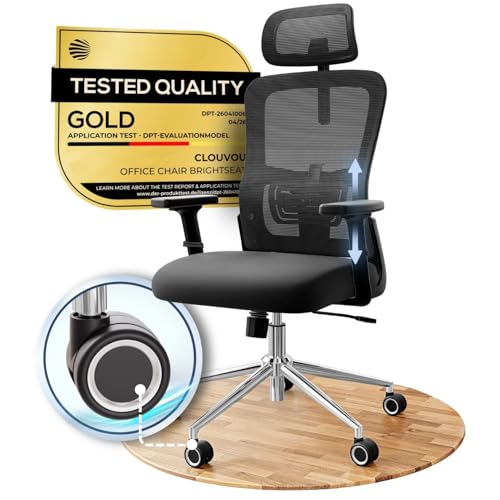
Adjustability protects your back and knees across long sits. Seat height should let your feet rest flat with your knees near a right angle, and taller or shorter users may need a wider height range than standard lifts give. Lumbar support that adjusts in height or depth helps the lower back keep its natural curve. For desk setups, our guide to best office chairs for heavy people explains how these adjustments pair with desk height and screen position.
Warranty and Return Policy
A strong warranty tells you the maker trusts the frame under real load. Look for frame coverage of five years or more, and check whether the gas lift and the recline mechanism are covered for at least two years, since those parts work hardest. Return terms matter just as much: a trial window of about 30 days lets you test the chair across full days, which a ten minute sit in a showroom cannot match.
Style and Room Fit
Style is the last filter, not the first, but it still counts. Measure the doorway and the space where the chair will live, because wide seats and broad bases need more clearance than standard chairs. Darker fabrics hide wear between cleanings, and armless or removable arm designs slide closer to tables and desks. Pick a look you like after the rating, frame, and width all pass, and the chair will serve you well and suit the room.
Picking the Right Chairs for Different Uses
The rating rules stay the same, but each room adds its own demands. Outdoor settings have their own branch too, covered in our guide to best beach chairs for heavy people, where sand, salt, and folding frames change the checklist. Start with the three indoor uses below.
Best Lift Chairs for Heavy People
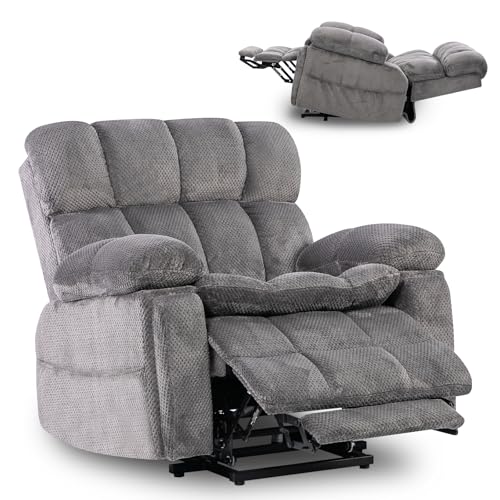
The best lift chairs for heavy people add a motor that raises the seat and tilts it forward, helping a seated person rise to a standing position with less strain on the knees. Check the lift rating separately from the sitting rating, since the motor works hardest at the start of the lift. Dual motor models move the backrest and footrest separately, and a battery backup matters in case the power fails while the chair is raised.
Best Toilet Chairs for Heavy People
The best toilet chairs for heavy people cover commode chairs and raised toilet seats, where stability matters more than padding. Look for a steel or rust resistant aluminum frame, wide stance legs with firm rubber tips, and a seat height that lets feet rest flat for safe transfers. Armrests on both sides give hands something solid to push against. Confirm the rating covers the user plus the downward force of sitting down, which briefly exceeds body weight.
Best Dining Chairs for Heavy People: Tips for First Time Buyers
The best dining chairs for heavy people live a harder life than they appear to, because diners lean, shift, and push back from the table many times a day. Solid wood or metal frames with corner blocks and wide seats hold up best, and chairs without arms slide under most tables. Our guide to best dining chairs for heavy people compares heights and finishes for the dining room in more detail. Test the chair on a hard floor if you can, since carpet can hide a wobble.
Rookie Mistakes to Avoid
- Trusting words like sturdy or jumbo instead of reading the exact stated weight rating.
- Buying a chair rated exactly at your weight, leaving no margin for clothing, movement, or a child on your lap.
- Checking seat width but forgetting the space between the armrests, which is often the tighter squeeze.
- Ignoring the base, even though narrow plastic bases are a common failure point under higher loads.
- Skipping the return window, then getting stuck with a chair that felt fine for ten minutes and poor by day three.
Getting Started: Setup and First Use
Open the box on a clear floor and lay out every part before you touch a bolt, then check the parts list against the manual. Build the chair with a second person nearby, because wide seats and steel frames are awkward to hold while you tighten hardware. Once it stands, adjust the seat height so your feet rest flat, sit down slowly the first few times, and recheck every bolt after the first week of use.
Tighten bolts again every few months, and keep the manual with its rating page in case you need the warranty later. Gamers setting up a full rig can pair these steps with our guide to best gaming chairs for heavy people for the play side of the room.
Frequently Asked Questions
What features matter most in chairs for heavy people?
The stated weight rating matters most, followed by the frame and base that stand behind it. After that, seat width decides daily comfort, and a warranty of five years or more on the frame shows the maker trusts the build. One point many first time buyers miss: check the rating of the gas lift itself, because some chairs pair a strong frame with a lift rated for less, and the lift is what fails first.
What features matter most for long hours of sitting in a chair?
For long hours, firm high density foam matters most, because soft foam compresses flat and leaves you sitting on the frame. A seat wide enough to shift position helps too, since small posture changes spread pressure across the day. Lumbar support you can adjust beats a fixed cushion. Stand and walk for a few minutes each hour as well, because no chair, however well built, replaces regular movement during a long day.
Is an expensive chair worth it for a heavy person?
Often yes, because the extra money usually buys a steel frame, a higher rated lift, and denser foam rather than decoration. Budget models around $150 to $300 can work for lighter duty rooms, while chairs around $300 to $600 tend to carry stronger ratings and longer frame warranties. Paying more does not help if the seat is still too narrow, though, so confirm width and rating first and let price come second.
How long should a good chair for heavy people last?
A well built chair used within its rating commonly lasts about seven to ten years, and the frame often outlasts everything else. Foam and upholstery wear first, usually around years four to six, and a gas lift may need replacing once in that span. Chairs used above their rating can fail in a fraction of that time. Keeping bolts tight and loads within the rating is the simplest way to reach the long end of the range.
How do I choose the right chair size as a heavy person?
Start with your hip width measured while seated, then choose a seat at least two inches wider than that number. Check that the space between the armrests is wider still, and that the seat depth leaves a small gap behind your knees. If you shop in a store, sit for at least fifteen minutes and stand up several times. Online, favor listings that publish full dimensions and a clear return window so a wrong fit costs you nothing.
Final Thoughts
Three checks carry the whole decision: a stated rating with margin above your weight, a frame and base built to honor that rating, and a seat width that fits your body with room to spare. The product table above gathers the leading options so you can compare those three points quickly. Follow them, and the best chairs for heavy people stop being a gamble and become a simple, confident purchase.