
Best Beach Chairs for Heavy People for 2026: What Actually Matters Before You Buy
Disclosure: We may earn a commission when you buy through links on this page, at no extra cost to you. As an Amazon Associate I earn from qualifying purchases. Learn more

Use this guide to choose beach chairs for heavy people, with clear checks for capacity, wide seats, strong frames and fabric that dries fast.
A standard beach chair can feel fine for five minutes and then start to sag, sink into the sand, and pinch at the sides. The best beach chairs for heavy people avoid those problems with a higher rated capacity, a wider seat, and a frame that stays steady when you sit and stand. Use the product table to check those points first.
Start with how you spend a beach day. Some readers sit low near the water and move with the tide, while others set up once and read for hours. Your sitting time, body size, and the softness of the sand should decide the seat height and back shape that suit you.


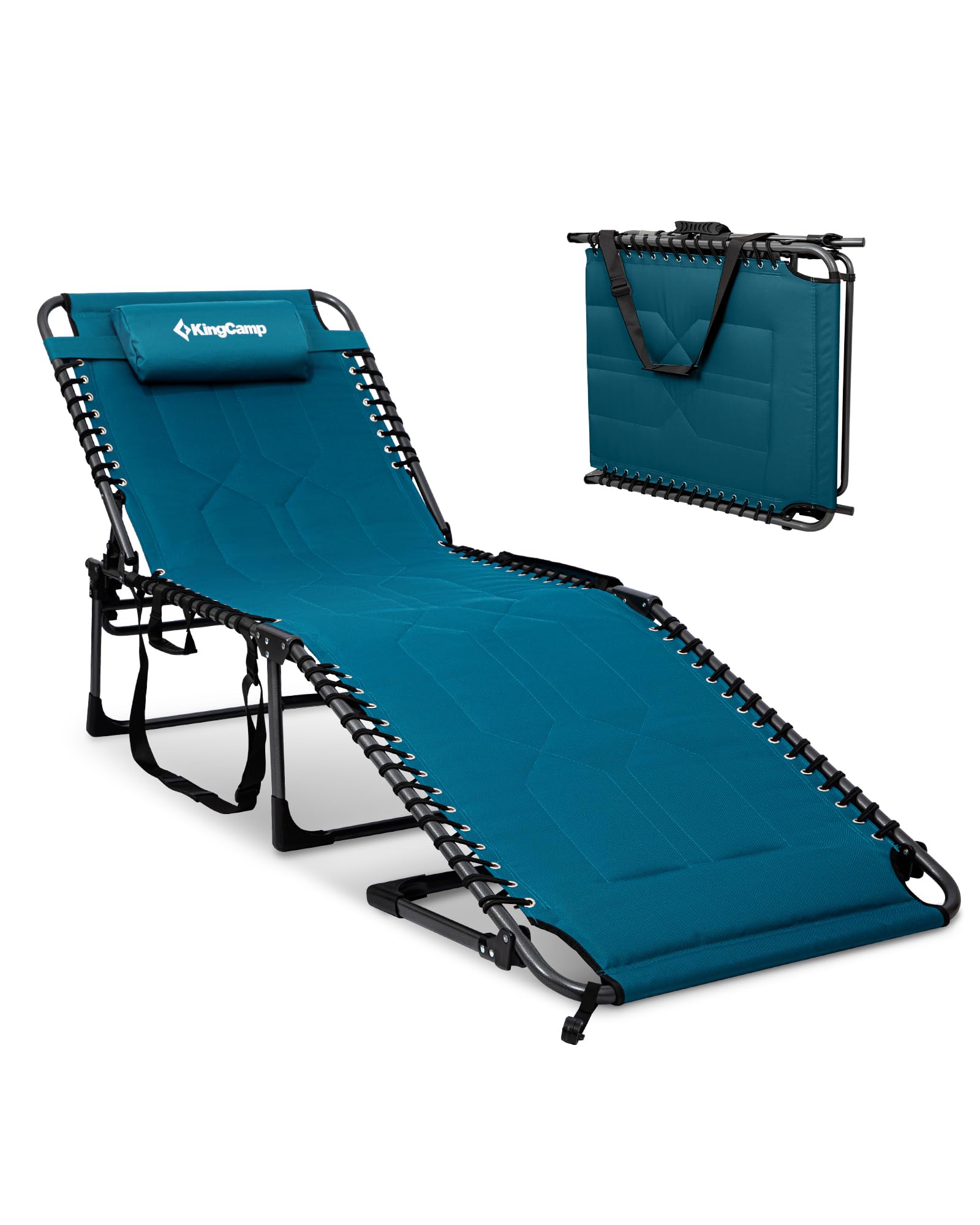


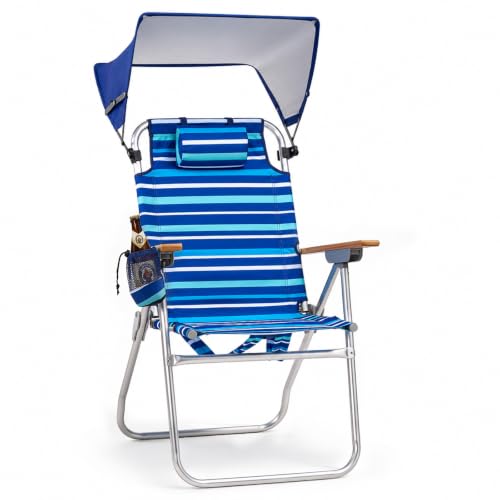
Who Should Buy a Beach Chair Built for a Heavier Body?
Choose by the difficulty you want to remove: getting up from a low seat, feeling the frame flex, or running out of room at the hips.
Adults Who Struggle to Rise From a Low Seat
You need height and firm support more than a deep recline. Look for a seat that sits higher off the sand, solid arms you can push against, and legs that do not wobble as you shift forward. A very low chair asks your knees to do far more work each time you stand. If you share the chair, choose for the person who finds standing hardest.
Heavier Readers Who Sit Through a Long Beach Day
You need room to change position without feeling squeezed. A wide seat, a tall back, and gentle support under your lower back matter more than a large drink holder. Breathable panels help when heat builds against your back. Pick a chair you can carry without strain, since a seat that is hard to haul often gets left at home.
Hosts Who Want One Strong Spare Chair for Guests
You need a chair that suits different bodies without guesswork. Choose a plain upright shape, a generous width, and the highest capacity in your budget, since guests will not all sit the same way. A simple fold helps when the chair lives in a garage between visits. Avoid narrow shapes that only suit one small guest.
Key Features to Compare
Read each listing in this order: capacity, frame, seat size, fabric, and then extras. That order keeps a low price from hiding a weak chair.
Weight Capacity and the Safety Margin You Need
Weight capacity is the highest total load the maker says the chair can hold. Do not choose a rating that only just matches your body weight, because sitting down and shifting add force. Many heavier adults do better with a rating of about 300 to 500 pounds, leaving clear room above their own weight. If a listing hides the rating, treat that as a warning and keep looking.
Frame Strength, Joints, and Feet That Stay on Sand
Steel frames often give strong support at a lower price, while aluminum frames weigh less and resist rust near salt air. Either material can fail at weak joints, so look for thick tubes, cross bars, and secure rivets where legs meet the seat. Wide feet spread the load and sink less in soft sand. For load bearing design ideas, see our guide to the best heavy duty beach chairs and compare how their frames handle sand.
Seat Width, Seat Depth, and Seat Height
Seat width decides whether your hips and thighs rest without pressure from the frame. Many standard seats are about 20 to 22 inches wide, while oversized seats often offer about 24 to 28 inches. Seat height runs from about 8 to 12 inches on low chairs to about 16 to 19 inches on upright chairs. Sit with your feet flat and your knees at a comfortable angle. If you feel ongoing numbness, sharp pain, or swelling in your legs while sitting, stop using the chair and talk with your clinician about personal needs.
Fabric Strength, Support, and Fast Drying
The fabric works like a sling, so its strength and stitching matter as much as the frame. Polyester is common because it holds its shape, resists sun damage, and dries faster than cotton. Look for double stitching at the edges and where fabric meets the frame, plus mesh panels if you run warm. Thick padding holds water and adds bulk. A firm, smooth surface usually supports a heavier body more evenly.
Back Support, Armrests, and Recline Positions
A taller back supports your shoulders and gives your head a place to rest, while a shaped lower section can ease pressure on your lower back. Solid wide armrests help you lower yourself and push up, and they should not tilt when you lean on them. Recline positions suit reading, but each moving part adds a joint to check. Choose a fixed shape if you mostly sit upright for meals.
Beach Chair Types Compared for Heavier Users
Low slung chairs place you close to the sand and suit readers who like their legs stretched out near the water. They are often light, but they are the hardest type to leave without help. Upright chairs with a higher seat suit conversation and frequent trips to the water, and they give your feet a firmer base for standing. That balance is why many people searching for the best beach chairs for heavy people start with an upright shape.
Reclining chairs suit long reading sessions. Check that the recline holds firmly at each stop and that the back stays tall when you lean. Oversized folding chairs offer maximum width, though they take more trunk space. If height matters more than width, see our guide to the best beach chairs for tall people for length advice.
Keep indoor seating in a separate search, since a beach chair must fold, resist salt, and stand on sand. If you also need seating at home for a heavier adult, see our guide to the best chairs for heavy people instead.
Final Checks Before Buying a Beach Chair for a Heavier Frame
Answer each question honestly. A single no on the first four points usually means the chair is the wrong choice.
- Is the rated capacity at least 50 pounds above the heaviest user?
- Is the seat wide enough for your hips without touching both frame sides?
- Can you sit and stand using the armrests without the chair tipping?
- Do the feet look wide enough to rest on soft sand without digging in?
- Can you carry the folded chair from the car to your usual spot?
- Does the folded chair fit your trunk or storage space at home?
- Is the fabric smooth, firmly stitched, and quick to dry?
Common Mistakes to Avoid
- Buying by body weight alone leaves no margin, so the frame strains each time you drop into the seat.
- Choosing the lowest seat for style makes standing hard, so you may avoid getting up for water.
- Ignoring seat width leaves the frame pressing into your thighs, so a long sit becomes sore.
- Trusting a vague strength claim without a clear pound rating risks a chair that breaks under load.
- Picking the heaviest strong chair without a carry plan means you may leave it behind.
- Storing the chair while damp traps salt and moisture, so fabric and joints age faster.
Care and Maintenance for Beach Chairs
Rinse the frame and fabric with fresh water after each trip to wash off salt and sand. Open the chair fully and let it dry in shade before folding, since seams hold moisture longest. Shake sand from the joints, because grit in a hinge wears the moving parts each time you fold the chair.
Check rivets, screws, and fabric edges before the season starts. Stop using a chair with a bent leg, a cracked joint, or torn fabric near a frame bar, since those faults grow under load. Store the dry chair indoors, away from direct sun.
Frequently Asked Questions
What weight capacity should a heavy person choose in a beach chair?
A heavy person should choose a beach chair rated at least 50 to 75 pounds above their body weight. That margin covers the force of sitting down and shifting position. If two ratings appear in one listing and they disagree, trust the lower figure or choose another chair. A clear single rating from the maker is the safer sign.
Is an expensive beach chair worth it for a heavy person?
An expensive beach chair is worth it for a heavy person only when the extra cost buys a stronger frame, wider seat, or better stitching. Price alone proves nothing, and costly extras like large coolers do not add support. Spend first on capacity and seat size. Save by skipping extras you will not use.
Which beach chair features matter most for long hours on sand?
For long hours on sand, a wide seat, a tall supportive back, and breathable fabric matter most in a beach chair. Heat and pressure build slowly, so small comfort gaps grow over an afternoon. A rolled towel behind your lower back can help on one long day, but it should not be needed to make a well sized chair feel bearable.
How long should a good beach chair for heavy people last?
A good beach chair for heavy people should last several seasons of regular use when you rinse and dry it after each trip. Life span depends more on salt care and joint condition than on how often you sit. Fading is mostly cosmetic, while loose joints and frayed fabric at load points mean the chair is near the end of its safe use.
How do heavy people choose the right beach chair size?
Heavy people choose the right beach chair size by matching seat width to hip width and seat height to lower leg length. Sit in a firm dining chair at home and measure the width you use and the height that lets your feet rest flat. Use those numbers as your floor when you shop. Between sizes, take the wider option.
Final Thoughts
Put capacity first, then seat width and height, then frame strength and fabric. Those checks remove most poor choices before extras distract you. Use the product table to confirm the rating and seat size for each chair.
When you judge best beach chairs for heavy people by fit and support, the right chair is the one you can carry, enter, and leave with confidence.


