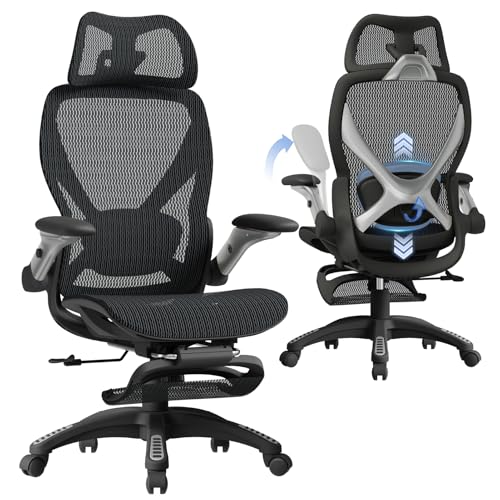
Best Chairs for Heavy Guys in 2026: What Actually Matters Before You Buy
Disclosure: We may earn a commission when you buy through links on this page, at no extra cost to you. As an Amazon Associate I earn from qualifying purchases. Learn more

Compare the best chairs for heavy guys by weight capacity, seat size, frame strength and cushion support, with a clear checklist for desk and home use.
A standard chair often fails a bigger man long before anything breaks. The seat pinches his hips, the cushion flattens within months, and the arms flex every time he stands. The best chairs for heavy guys solve those problems with real width, a stronger frame and support that holds its shape. Use this guide with the comparison table below.
Start with how you actually sit. A desk worker needs adjustability for long days, a gamer needs room to shift, and a dining chair needs firm support for shorter sits.


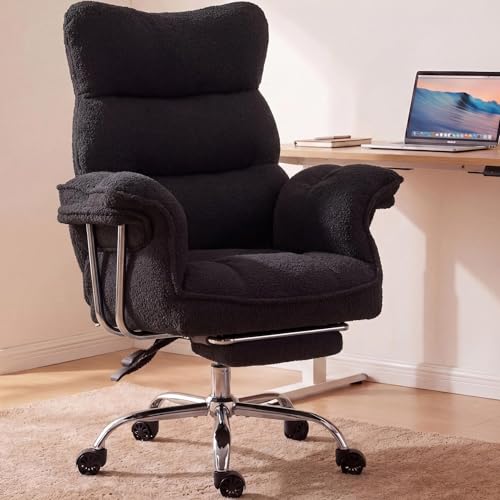
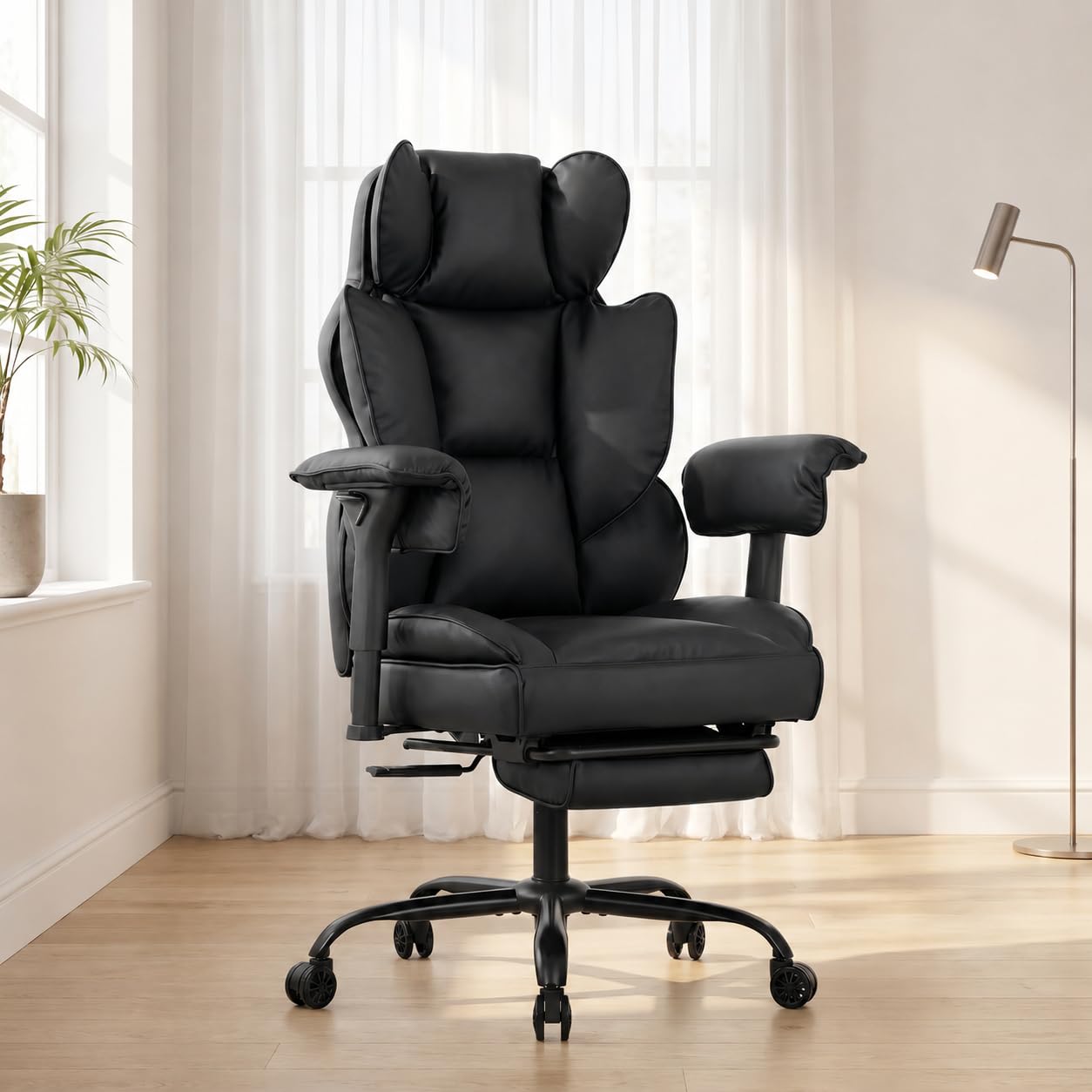


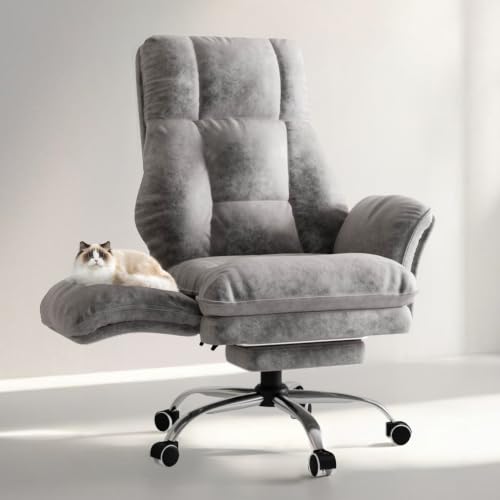
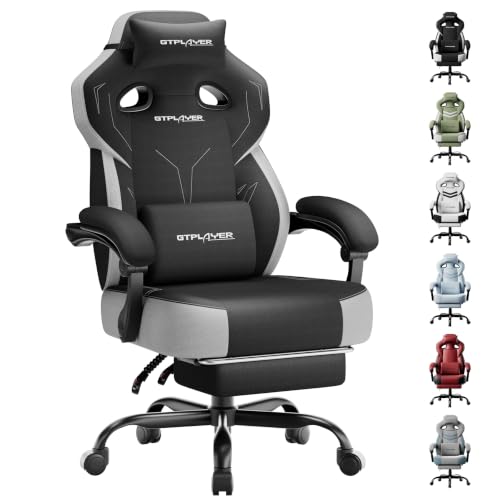
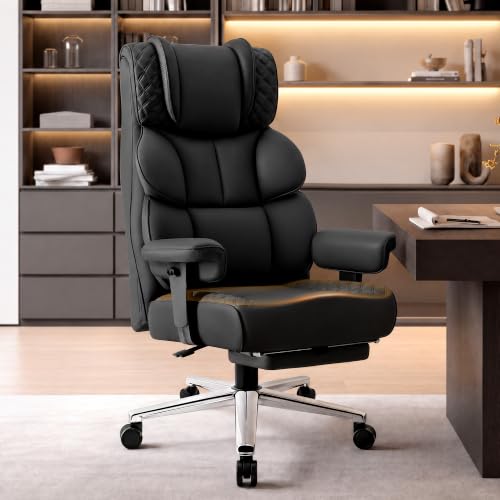
Who Should Buy Chairs Built for Heavy Guys?
Buy for the body you have and the hours you sit. Your weight, height and hip width all change which chair feels right.
Desk Workers Who Sit All Day
You need support for long, mostly still sitting without one fixed posture. Look for a wide seat, adjustable lumbar support and armrests you can move clear of your thighs. A tilt lock helps you change position during the day. If your back aches daily or your legs feel numb, treat the chair as only part of the picture and talk with your clinician about your needs.
Gamers and Home Computer Users
You sit for long sessions too, but you move more, lean forward during play and push back during breaks. A deeper seat and a backrest that reclines with firm tension control suit you better than a soft lounge shape. If racing style bolsters squeeze your sides, choose a flat, wide seat, and see our guide to the best gaming chairs for heavy guys.
Tall Heavy Guys Who Struggle With Low Seats
Height matters as much as weight for you. A low seat forces your knees above your hips and makes standing hard after a long sit. Choose a higher seat, longer depth for your thighs and strong arms you can push against as you rise. Measure your lower leg first, since a seat for a shorter heavy man can still be wrong for you.
Key Features to Compare
When you compare the best chairs for heavy guys options, work through these factors in order. Capacity and size come first, because no cushion upgrade can rescue a chair that is too small.
Weight Capacity and Frame Strength
Weight capacity is the total load the chair is rated to hold, including you and anything on your lap or the arms. Choose a rating with a clear margin above your weight, since shifting and pushing down to stand add force beyond a still sit. A steel frame with reinforced joints handles that force better than thin tube steel or plastic supports. For desk models, look for a class 4 gas lift, the stronger lift class for higher loads.
Seat Width, Depth and Height
Seat width decides whether you sit on the cushion or on the armrests. Standard seats are about 19 to 21 inches wide, while chairs for larger men often offer about 22 to 26 inches between the arms. Measure your hips seated, then allow an inch of space on each side. Depth should support most of your thigh with a small gap behind your knees, and height should let your feet rest flat.
Cushion Foam and Support Over Long Sits
High density foam matters because a bigger body compresses a cushion further with every sit. Soft, low density foam feels plush in a showroom, then packs down until you feel the seat board beneath you. A firmer high density or molded foam seat spreads pressure evenly and keeps its shape far longer. A slight waterfall front edge helps too, since a sharp edge presses into your thighs.
Backrest, Lumbar Support and Tilt Lock
Your backrest should support your shoulder blades, not stop at the middle of your back. Lumbar support works best when you can adjust its height or depth, because the curve of your lower back sits in a different place than on a smaller frame. A mesh back breathes well, while a padded back feels warmer. A tilt lock and tension dial set how far you lean back and how much force that takes.
Armrests, Base and Casters
Armrests take real load every time you sit or stand, so choose metal or strongly reinforced arms that do not wobble when you push on them. Adjustable armrests that move up, down and outward keep your elbows near your sides. For rolling chairs, a five point metal base stays steadier than a nylon base, and larger casters roll more smoothly on carpet. Check that the arms clear your desk.
Upholstery, Stitching and Room Fit
Upholstery works hardest at the seat edges and arm tops, where friction and pressure are constant. Look for thick fabric or quality faux leather with double stitching, since a single stitched seam can pull open as the cushion flexes. Mesh suits warm rooms, and smooth faux leather wipes clean. Measure your doorway too, because a wider chair needs room to turn.
Picking a Build for Each Room
The right build changes with the room. Use your situation below, then run the checklist before you order.
Best Office Chairs for Heavy Guys
Office use puts the most hours on a chair, so the best office chairs for heavy guys need adjustability above all else. Prioritize a seat you can raise for your desk, lumbar support you can position, and adjustable armrests. For desk setups, see our guide to the best computer chairs for heavy guys, and for a formal office, see our guide to the best officer chairs.
Dining and Living Room Seating for Bigger Men
Side chairs rarely list generous ratings, so check the stated capacity and leg construction with care. Solid wood or metal legs joined with corner blocks feel far steadier than thin legs held by a few screws. A firm, flat seat is easier to rise from than a deep lounge seat. Because this intent overlaps closely with similar searches, compare your shortlist with our guide to the best chairs for heavy person.
Questions to Answer Before You Order
Answer each question before you buy. A no on the first four means you should keep looking.
- Is the rated capacity comfortably above your weight, with room for shifting and leaning?
- Is the seat at least an inch wider than your seated hips on each side?
- Does the seat height let your feet rest flat on the floor?
- Is the frame steel or solid wood, with reinforced joints?
- Can you adjust the lumbar support, armrests or tilt?
- Does the warranty cover the frame and lift beyond one year?
- Will the chair fit through your doorway and into its space?
Common Mistakes to Avoid
Most early failures trace back to avoidable errors.
- Buying a chair rated exactly at your weight leaves no margin, so joints wear out fast.
- Judging comfort by a soft showroom cushion leads to a seat that flattens within months.
- Ignoring seat depth gives tall men a seat that ends mid thigh and leaves legs unsupported.
- Trusting a vague capacity claim with no frame details invites a wobbly, short lived chair.
- Skipping doorway measurements can leave a wide chair stuck outside the room it was bought for.
- Pushing down on weak armrests to stand can crack the arm mounts and loosen the frame.
Care and Maintenance for Chairs Used by Heavy Guys
Check the bolts under the seat and at the arm mounts every few months, and tighten any that have worked loose, since regular load slowly backs hardware out. A loose bolt caught early prevents the wobble that bends brackets. Wipe faux leather with a damp cloth, vacuum fabric and mesh, and clean spills quickly so liquid does not soak into foam.
Reset your setup once a season. Set tilt tension so you can lean back without pushing hard, and keep the chair out of strong sun, which dries and cracks smooth upholstery.
Frequently Asked Questions
What weight capacity should heavy guys look for in a chair?
Heavy guys should look for a chair rated well above their own weight, not one rated right at it. If you weigh about 280 pounds, a rating of about 350 to 400 pounds gives a safer margin for sitting down quickly and leaning back. Ratings above 400 pounds come with wider seats too.
What seat size suits heavy guys for long hours at a desk?
A seat about 22 to 26 inches wide and about 20 to 22 inches deep suits most heavy guys for long desk hours. To find your seated width, sit on a hard chair and measure between two books placed at your hips. For long video calls, choose the deeper end of that range so you can shift without sliding forward.
Is an expensive chair worth it for a heavy guy?
An expensive chair is worth it for a heavy guy when the money buys a stronger frame, denser foam and a longer warranty. Budget models often cost about $100 to $250 and suit shorter sits, while stronger office models cost about $300 to $700. Cost per year favors the stronger chair if you sit all day.
How long should a chair built for heavy guys last?
A chair built for heavy guys should last about five to eight years of daily use when rated with a proper margin. The cushion and upholstery usually age first, while a steel frame can outlast both. A gas lift that slowly sinks is often replaceable on its own, so a sinking seat need not mean a new chair.
How do heavy guys choose the right chair size for their height?
Heavy guys choose the right chair size for their height by measuring lower leg and thigh length first. Sit with feet flat, measure from the floor to the crease behind your knee, and match that number to seat height. Tall men above six feet often need a taller backrest too, since a standard back can end below the shoulder blades.
The Bottom Line
Capacity, seat size and frame strength decide whether a chair serves you for years or disappoints you in months. Check those three first, then choose foam and back support for how you sit. Use the product table above to compare ratings and dimensions.
When you judge best chairs for heavy guys by fit and build rather than looks, the right choice stands out. Measure once, and buy the chair that truly fits.