
Best Chairs for Heavy Person: A Buying Guide for 2026
Disclosure: We may earn a commission when you buy through links on this page, at no extra cost to you. As an Amazon Associate I earn from qualifying purchases. Learn more
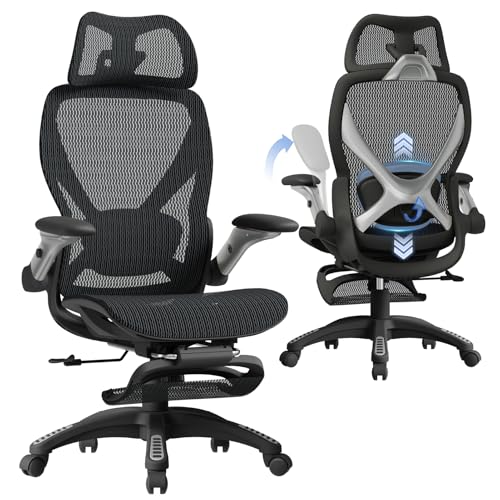
Compare the best chairs for heavy person by stated weight rating, frame build, seat size and price, with plain checks for foam, fit and warranty cover.
A standard chair and a chair built for a heavier sitter can look almost identical in a photo, yet they behave very differently after a year of daily use. The difference sits in the stated weight rating, the frame under the seat and the density of the foam. This guide to the best chairs for heavy person starts with those three checks, because they decide whether a chair still feels solid in year three or starts to sag and creak in month six.
You will also find plain guidance on seat width and depth, armrests and upholstery, plus the situations that change what you should buy. The comparison table below gathers the key figures in one place, so you can line up rating, size and price before reading the detail.
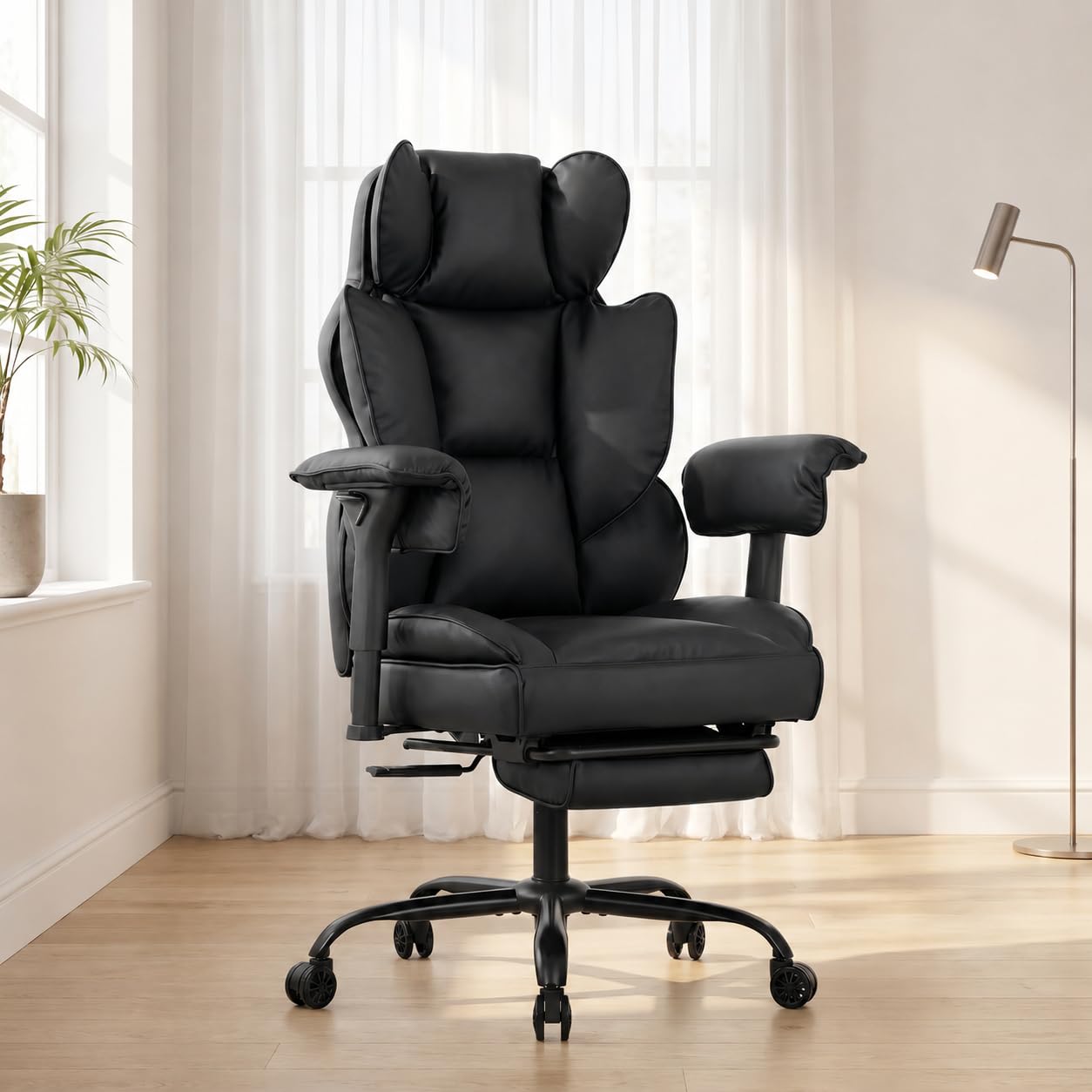

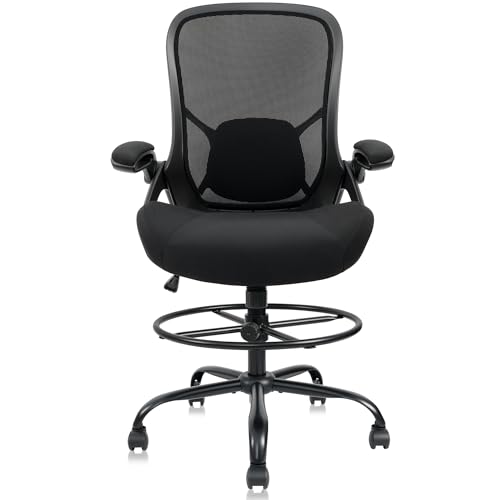
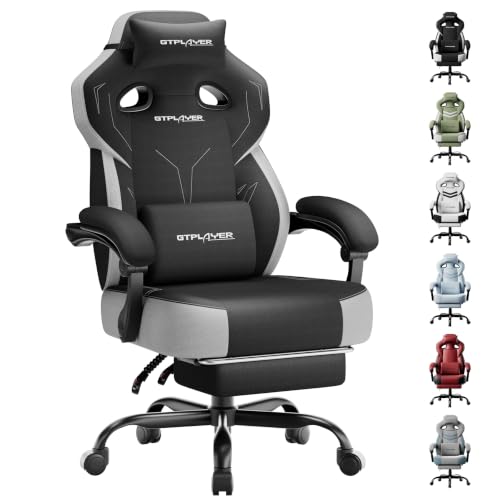

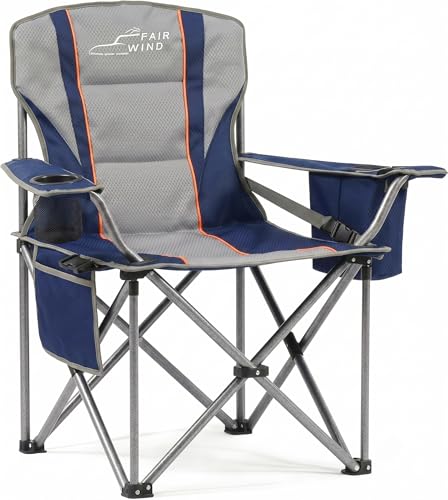

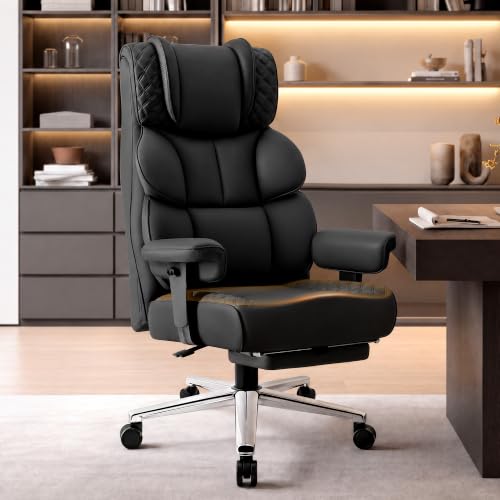
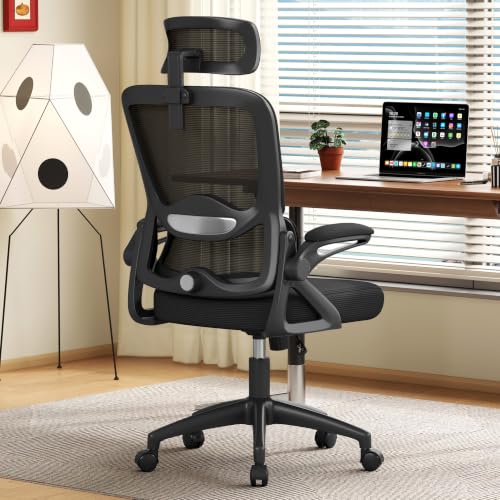
How to Choose the Right Chair: A Buying Guide
One idea runs through every section of this guide: shopping for the best chairs for heavy person means shopping by verified load figures first and by looks last.
Read the Stated Weight Rating First
Your weight capacity figure is read from the stated rating printed in the product specification, and that single number should be your first filter. Standard office and dining chairs are commonly rated at about 250 pounds, while reinforced chairs for heavier sitters are commonly rated at about 300 to 400 pounds, and the strongest classes reach about 500 pounds or more. Choose a rating that sits above your own weight with room to spare, because a chair used near its limit every day wears faster than one with margin. The stated rating works like the support classes described in guides to best mattresses for heavy person: it names the load the product is built to carry.
Frame and Foam Decide How the Rating Ages
The frame and the foam govern whether the rated load still feels supported after years of sitting. A steel frame with a reinforced base and a wide five point base spreads weight across more metal, while thin tube frames and narrow bases flex under load and loosen at the joints. High density foam keeps its shape under a heavier sitter, where soft low density foam flattens into a shallow bowl within months. Read the frame material and the base width as load features rather than style features, and treat a class 4 gas lift as the stronger lift class for daily heavy use.
Seat Width, Depth and the Store Sit Test
Published seat dimensions tell you only part of the fit, so a sit test at a store reads the width and the depth against your own body before you order. Seats on reinforced chairs commonly run about 20 to 24 inches wide, with depth around 19 to 22 inches, and your thighs should rest flat with a small gap behind the knees. Armrests should sit low enough that your shoulders stay relaxed, and the seat height should let your feet rest flat on the floor. If no store near you stocks this class, order from a seller with a clear return window and test the chair at home in the first week.
Ergonomics and Adjustability
Adjustability matters because a heavier sitter loads each contact point harder, so small misfits show up sooner. Look for a seat height range that matches your leg length, armrests that move up and down and side to side, and a tilt lock that holds a recline angle without drifting. A lumbar support that can be raised or firmed up helps the lower back keep its natural curve through a work session. Readers who sit at a desk all day can compare task focused options in our guide to best desk chairs for heavy person.
Materials and Upholstery
Upholstery changes both comfort and upkeep. Mesh backs move air and suit warm rooms, but the mesh and its frame must be rated for the load, since a stretched mesh panel sags like weak foam. Fabric grips clothing and feels warm in winter, while PU leather wipes clean fast yet can crack sooner under heavy daily use. Whatever the cover, the seams carry real stress on a chair for a heavier sitter, so double stitched seams and reinforced edges are worth more than a premium finish.
Warranty and Return Policy
Warranty terms tell you how much the maker trusts the frame. Read the cover for the frame and the gas lift separately from the cover for foam and fabric, since the structural parts often carry a longer term than the soft parts. A return window of about 30 days gives you time to learn how the foam behaves after full work days rather than a five minute showroom sit. Keep the receipt and the rating plate details, because claims start with the stated capacity of the chair you bought.
Types of Chairs
Price and build split chairs for heavier sitters into three broad classes, and the rating matters more than the class label. Standard office seating sold under labels such as best officer chairs belongs to a lighter duty class than the reinforced chairs covered in this guide. Room matters too, since dining seating follows different sizing rules, which our guide to best dining chairs for heavy person sets out in full.
Premium and Executive Models
Executive chairs in the higher band, often about $600 to $1,200, pair wide seats with steel frames, thicker high density foam and longer frame warranties. They suit heavier sitters who spend most of the day seated and want one chair to last for years. The trade off is size and weight, since these chairs are heavy to move and too large for small rooms.
Budget Models
Budget chairs, often about $150 to $300, can still carry an honest rating of about 300 pounds when the frame is steel and the base is wide. Expect simpler armrests, thinner foam and shorter warranty cover, so they fit guest rooms, short daily sessions and tight budgets better than full time work. Check the rating twice in this band, because budget listings sometimes headline a high figure that the small print lowers.
Compact and Space Saving Models
Compact chairs trade seat width for a smaller footprint, which makes them the risky class for a heavier sitter. A few compact models keep a rating near about 300 pounds by using a steel frame, but many drop to about 220 to 250 pounds. Measure your room, then measure the seat, and let the rating settle any tie between the two.
Choosing Chairs for Your Situation
Best Gaming Chairs for Heavy Person
Gaming chairs for a heavier sitter need a wide flat seat rather than deep side bolsters, because tight bolsters press into the thighs of a larger frame. Look for a steel frame, a rating of about 350 to 400 pounds, and a recline lock that holds its angle under load. A headrest pillow and a lumbar pillow help on long sessions, but the seat width and the rating decide the purchase.
Best Outdoor Chairs for Heavy Person
Outdoor chairs carry the same load question into the garden, with weather added. Powder coated steel or aluminum frames resist rust, and woven outdoor fabrics shed water instead of soaking it up like indoor foam. Wide camp style chairs rated at about 300 to 400 pounds are the common pick for patios and fishing banks. For sand and shore use, our guide to best beach chairs for heavy person covers low seats and wide feet that spread load on soft ground.
Best Wingback Chairs for Heavy Person
A wingback chair gives a heavier sitter a tall back and side wings that make reading and resting feel enclosed and supported. The checks are the seat width between the arms, the firmness of the seat cushion, and the strength of the wooden or metal frame under the upholstery. Many wingback chairs are rated near about 250 to 300 pounds, so this is the class where the stated rating most often rules out a chair you otherwise like.
Care and Maintenance Tips
A chair that carries more load needs a little more routine care, and each habit below protects the parts that wear first.
- Set the seat height so your feet rest flat on the floor and your knees sit level with or a little below your hips.
- Tighten base, armrest and back bolts every few months, since joints under a heavier load loosen sooner than joints on a lightly used chair.
- Vacuum fabric and mesh weekly, and wipe leather covers with a damp cloth, so grit does not grind into seams and foam.
- Keep leather and bonded leather out of direct sunlight, which dries the surface and starts cracks that body weight then opens wider.
- Lift the chair by the frame when you move it, never by the armrests, which are not built as handles for the full weight of the chair.
Questions Answered
How much extra capacity should a chair for a heavy person have above body weight?
Choose a rating at least about 50 pounds above your body weight, and more if you often sit down hard or share the chair with a child on your lap. The margin is not wasted: foam and joints age fastest when a chair works at its limit every day, so headroom in the rating is what turns a two year chair into a five year chair. If you are between two ratings, buy the higher one.
Are chairs for heavy people always wider than standard chairs?
Most are wider, but width alone does not make a chair suitable. A wide seat on a weak frame still flexes, and a very wide seat with fixed armrests can leave a smaller framed heavy sitter sliding sideways. Match the seat width to your hip width with about an inch of spare room on each side, then check the rating and the frame before you pay for the extra inches.
What does a heavy duty chair cost compared with a standard chair?
Expect to pay more for the rating. Standard chairs cluster at about $100 to $250, while chairs built and rated for heavier sitters more often run about $250 to $700, with executive models above that band. The extra money buys steel in the frame, a stronger lift and denser foam rather than looks, so a mid priced heavy duty chair is usually a smarter buy than a premium standard chair.
How long should a chair built for a heavy person last?
A well built chair used within its rating commonly lasts about five to eight years, with the foam and the gas lift aging first. You can stretch that span by keeping your weight off the armrests when you stand up, since pushing down on the arms is the habit that bends arm brackets most often. When the lift starts to sink on its own, a replacement lift is a cheap repair compared with a new chair.
Can a heavy person use a standard chair if it feels sturdy?
A standard chair can feel sturdy in a showroom and still be the wrong buy, because its rating already counts the slow flex that leads to cracks. Short visits on a standard chair at the home of a friend are a different matter from eight hours a day at your own desk. Put your daily hours on a chair rated for your weight, and treat standard chairs as short sit seating only.
The Bottom Line
The product table above pulls the ratings, seat sizes and price bands together, so start there and then test your shortlist against three checks: a stated rating with margin, a steel frame with dense foam, and a seat that fits your width and depth. Get those right and the best chairs for heavy person stops being a label and becomes a chair that still feels solid years from now. Prices and availability can change, so check the product page before ordering.

