
Best Chairs for Big and Tall: Budget, Midrange, and Premium Picks for 2026
Disclosure: We may earn a commission when you buy through links on this page, at no extra cost to you. As an Amazon Associate I earn from qualifying purchases. Learn more
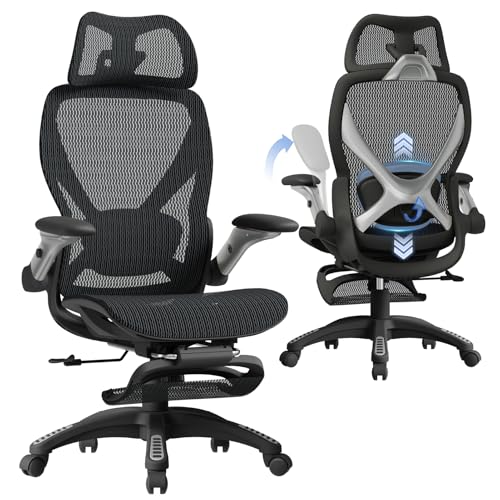
Compare best chairs for big and tall buyers by price, with guidance on seat size, weight capacity, lumbar support, and what each budget tier really includes.
Chair prices stretch from under $100 to about $1,000 and beyond, and the gap is not always obvious from a photo. A chair can look large yet still place armrests too close together, sit too low, or use thin padding that flattens fast. Choosing best chairs for big and tall shoppers actually fit means matching money to dimensions, support, and build quality.
This guide focuses on buying guidance. You will see what each price tier includes, which upgrades are worth paying for, and which extras add cost without comfort. Start with the comparison table below, then judge whether a listed chair truly suits your body and room.
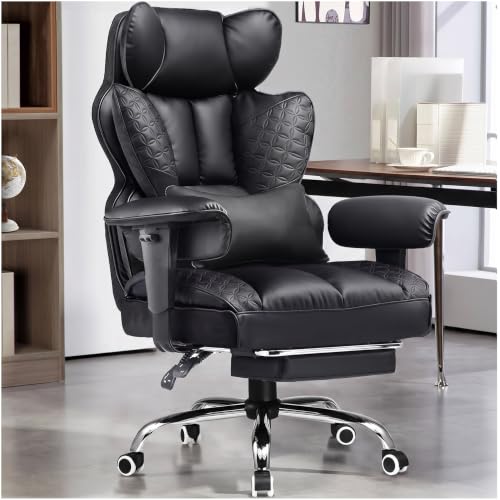


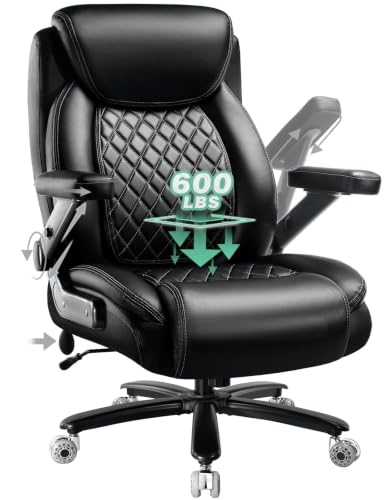


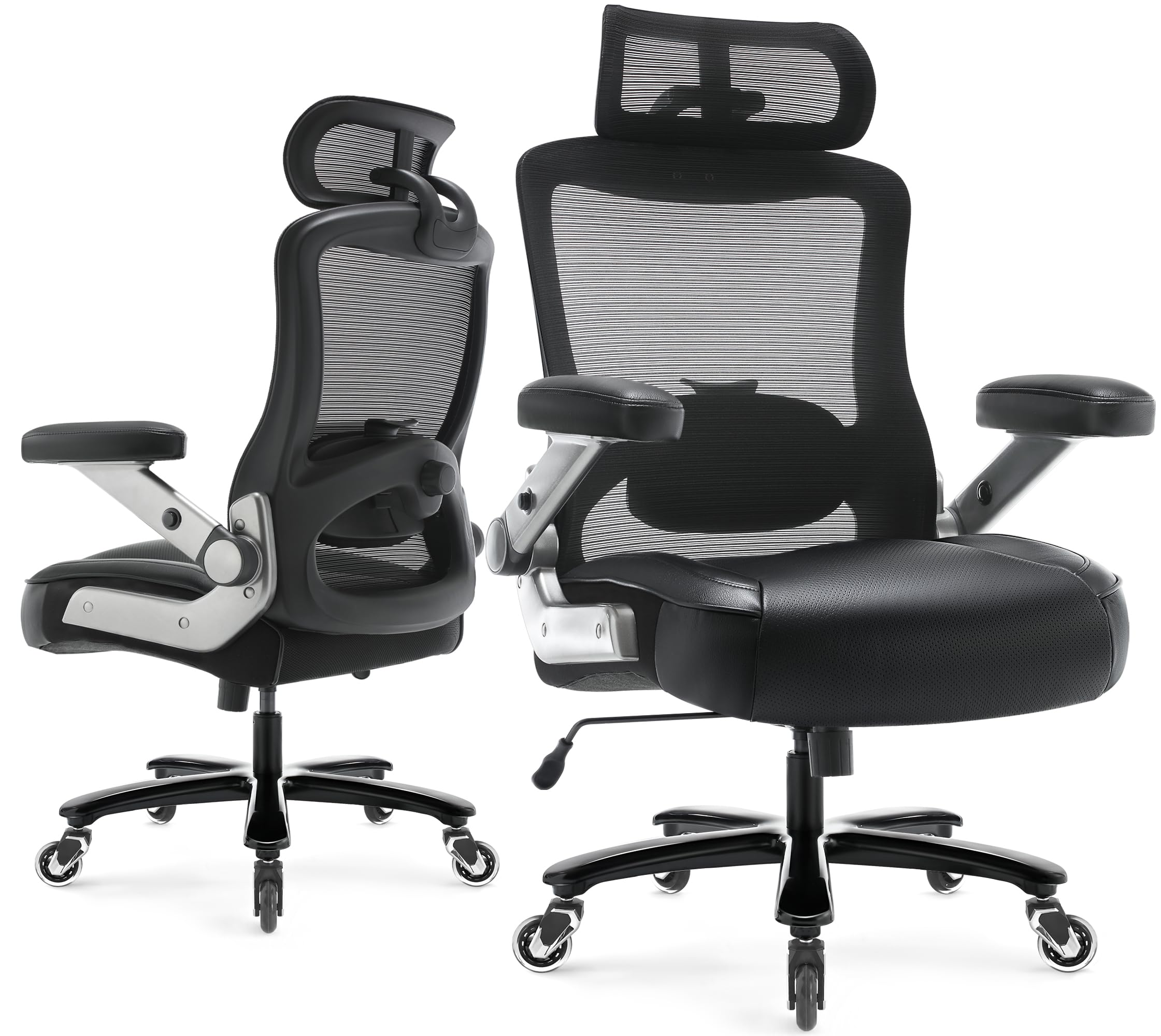


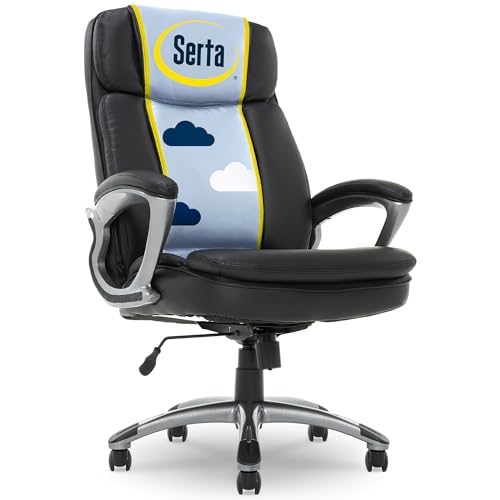

How to Choose a Price Tier Without Guessing
Price only helps when you connect it to how long you sit and where the chair will live. A guest chair used for an hour needs far less adjustment than a work chair used all day. Use the groups below to set a sensible budget first.
Budget Shoppers Who Need the Basics Done Right
If you sit for short stretches, put money into correct size first and fancy adjustment last. Look for a stated weight capacity with real margin above your weight, a seat wide enough for your hips, and a seat height that lets your feet rest flat. Simple padding and a fixed back can be fine here. What you cannot skip is frame strength, because a flexing frame feels unstable long before it fails.
Everyday Sitters Who Need Support for Long Hours
If you work, study, or game for most of the day, the middle price range usually gives the best return. Adjustable lumbar support, armrests that move to fit your shoulders, and a tilt lock that holds more than one recline angle all matter more at hour six than at minute six.
Buyers Who Want Premium Comfort and Longer Service
Premium spending makes sense when standard chairs run out of adjustment, or when you want support to last for many years of daily use. Expect stronger frames, denser foam, smoother tilt motion, and better warranties. Pay for those gains, not for a label. If a premium chair still lists a shallow seat or a low back, it is wrong for you at any price.
What Your Money Gets You at Each Price Tier
The tiers below describe typical patterns on the US market, not guarantees for any single listing. Always confirm dimensions and weight capacity on the product page, because two chairs in the same price band can fit very differently. The product table above lets you compare those core numbers side by side.
Budget Tier: What to Expect
Budget chairs often cost around $100 to $250 and cover the essentials with fewer moving parts. Expect a steel or reinforced frame on better models, basic foam padding, a fixed or simply adjustable lumbar area, and fixed or basic armrests. Seat height and tilt adjustment are limited, fabrics are plainer, and warranties are shorter. For occasional use, that can be enough if the seat dimensions are genuinely generous.
Midrange Tier: Strong Value for Most Buyers
Midrange chairs often cost about $250 to $600 and add the adjustments that protect comfort through a full day. You are more likely to find adjustable armrests, a lumbar pad or built in lumbar curve you can tune, high density foam that holds its shape, and a tilt lock with several positions. For most full time desk users, this tier balances fit, support, and price without paying for luxury finishes.
Premium Tier: When Spending More Pays Off
Premium and executive models often cost about $600 to $1,200 or more, and the gains show up in materials and fine adjustment. Expect thicker steel, reinforced bases, deeply contoured seats, a taller ergonomic back, and smoother recline control. Spending more pays off when those upgrades solve a real fit problem. It does not pay off when the money only buys styling while seat depth stays too short for your legs.
Features Worth Paying For and Ones to Skip
A long feature list can hide a short seat. Judge every feature by whether it changes fit, support, or durability for a larger body. The points below explain each factor once, so you can weigh listings in the product table above clearly.
Ergonomics and Adjustability
Good ergonomic design lets the chair meet your body instead of forcing your body to meet the chair. Seat height should let your knees sit level with or slightly below your hips. Lumbar support should press gently into the curve of your lower back, not into your belt line or shoulder blades.
Adjustable armrests should rise high enough for tall arms and move wide enough for broad shoulders. A tilt lock should hold a slight recline without drifting. If back pain or numbness becomes frequent or severe, talk with your clinician about your personal needs.
Features That Matter for Big and Tall Bodies
Standard chairs are often built around average height and weight, so the details that matter here are structural. A taller back supports your shoulder blades instead of ending midway up your spine. A deeper seat supports more of your thigh, while a waterfall front edge reduces pressure behind your knees. Wider spacing between armrests prevents your hips from feeling pinched.
Reinforced joints, a metal base, and gas lift cylinders rated for higher loads add quiet confidence. These are not luxury extras. They are the difference between a chair that fits and one that merely looks big in photos.
Size, Dimensions, and Weight Capacity
Read four numbers before anything else: seat width between the armrests, seat depth from front to back, seat height range, and overall back height. Then check the stated weight capacity and leave a comfortable margin rather than sitting right at the limit every day. As a rough guide, many larger users need a seat at least 22 inches wide and 20 inches deep, plus a tall back. Your own measurements matter more than any guide, so measure a chair you already sit in well and compare directly.
Style and Room Fit
Style matters because an oversized chair also takes oversized visual space. A mesh back looks lighter and suits warm rooms, while padded executive models look formal and fill a large office better. For outdoor spaces, proportions and weather ready materials matter more than office styling, so see our guide to the best patio chairs for big and tall if the chair will live outside. Confirm the chair can roll or turn without striking desks or walls every time you move.
Measuring for Size and Portability
Measure the doorway, the floor area, and the space under your desk before you order. Note the desk underside height, because tall armrests can stop a chair from sliding in. Measure your lower leg from floor to the back of your knee to check seat height, and measure across your hips while seated for width. Heavier chairs feel solid, but they are harder to move between rooms, so check the listed product weight if you rearrange often.
Choosing Chairs for Your Situation
The right spending pattern changes with the setting. A beach chair, a daily work chair, and a formal executive chair solve different problems, even when they share the same weight capacity on paper.
Best Beach Chairs for Big and Tall: Where Your Money Goes
When you shop best beach chairs for big and tall use, your money should go to frame strength, seat height, and fabric that drains and dries quickly. A higher seat makes standing up from sand far easier, and wide armrests give you something solid to push against. Reinforced hinges and a sturdy frame are worth more than cup holders or extra pockets.
Best Chairs for Big and Tall People: Where Your Money Goes
For best chairs for big and tall people in everyday rooms, spend first on seat dimensions that match the main user, not the average guest. Dining and lounge chairs need firm support under the thighs and enough width to sit down without turning sideways. If several people share the chair, neutral shapes work better than deeply molded seats.
Best Executive Chairs for Big and Tall: Where Your Money Goes
With best executive chairs for big and tall buyers, the premium usually goes to upholstery, a high back, and a polished presence for client facing offices. Make sure the luxury finish does not hide average dimensions. Seat depth, armrest width, and lumbar placement decide comfort by afternoon. In a dedicated work setup, compare the office focused options in our guide to the best desk chairs for big and tall before paying extra purely for styling.
How Different Uses Change What to Pay For
Gaming, relaxation, and assisted sitting shift value to different features. Long gaming sessions reward recline range and steady armrests, which is why players often start with our guide to the best gaming chairs big and tall. Relaxation buyers value deeper recline and leg support, and our guide to the best massage chairs for big and tall covers that budget. If standing up is the main challenge, see our guide to the best lift chairs for big and tall for chairs built around that need.
Long Term Costs to Factor In
The purchase price is only part of what a chair costs you. Replacement casters, a new gas lift, and armrest pads add small amounts over the years, and larger users wear thin seat foam faster. A longer warranty has real value here, especially coverage for the lift cylinder and frame. Daily users often spend less overall by buying one sturdy midrange chair than by replacing a cheap chair twice.
Frequently Asked Questions
What features matter most in a chair for big and tall users?
Seat width, seat depth, back height, and weight capacity matter most, because they decide whether the chair fits at all. After size, look at lumbar support and armrest adjustment. One point buyers often miss is base diameter. A wider, sturdier base feels calmer when you shift your weight or lean back.
Which chair features matter most for long hours of sitting?
For long hours, adjustable lumbar support, a tilt lock that holds a gentle recline, and breathable support matter most. A mesh back helps if you run warm, while high density foam helps if you prefer a cushioned feel. Change position often and stand regularly. No chair makes sitting still for many hours a healthy plan.
Is an expensive chair for big and tall users worth the money?
An expensive chair is worth it when the money buys dimensions and durability you cannot get lower down, such as a deeper seat, a stronger frame, or finer lumbar adjustment. It is not worth it when the price only buys thicker looking upholstery. Compare measurements first. If a midrange model matches the premium model on size and capacity, the cheaper chair is usually smarter.
How do I choose the right size chair for my height and build?
Choose by measurement, not by the words large or oversized in the title. Your feet should rest flat, your thighs should sit supported without the seat front pressing hard behind your knees, and the back should reach at least to your shoulder blades. Leave about two or three fingers of space between the seat front and the back of your knee. That small gap protects circulation and makes longer sitting far more comfortable.
How long should a good chair for big and tall users last?
A good chair used daily should stay supportive for several years, with seat foam and the lift cylinder usually showing age first. Extend that life by tightening bolts, keeping casters clean, and staying within the rated capacity. A seat that feels fine in the morning but leaves you sore by midday often means the foam has compressed unevenly.
Final Thoughts on Chairs for Big and Tall
Spend where it protects fit: generous seat dimensions, honest weight capacity, real lumbar support, and a frame built for daily load. Use the product table above to compare those numbers before finishes or extra features. When you match the tier to how often you sit, the best chairs for big and tall choice becomes a measured decision instead of a gamble on a good looking photo.

