Best Chairs for Bedroom Sitting Area in 2026: Types Compared and How to Choose
Disclosure: We may earn a commission when you buy through links on this page, at no extra cost to you. As an Amazon Associate I earn from qualifying purchases. Learn more

Compare the best chairs for bedroom sitting area by size, fabric, back support and style, with measuring tips to fit a cozy corner without crowding the room.
A bedroom sitting area should feel calm, not crowded. One chair looks soft but swallows the corner, while another fits and still feels hard after ten minutes. The best chairs for bedroom sitting area use match your room size, your posture and your habits, and the comparison table below helps you weigh each type.
Think about your main habit first, whether that is a quiet reading corner, a place to talk before bed, or a handy seat for dressing. That habit decides the seat depth, back shape and footprint you need.




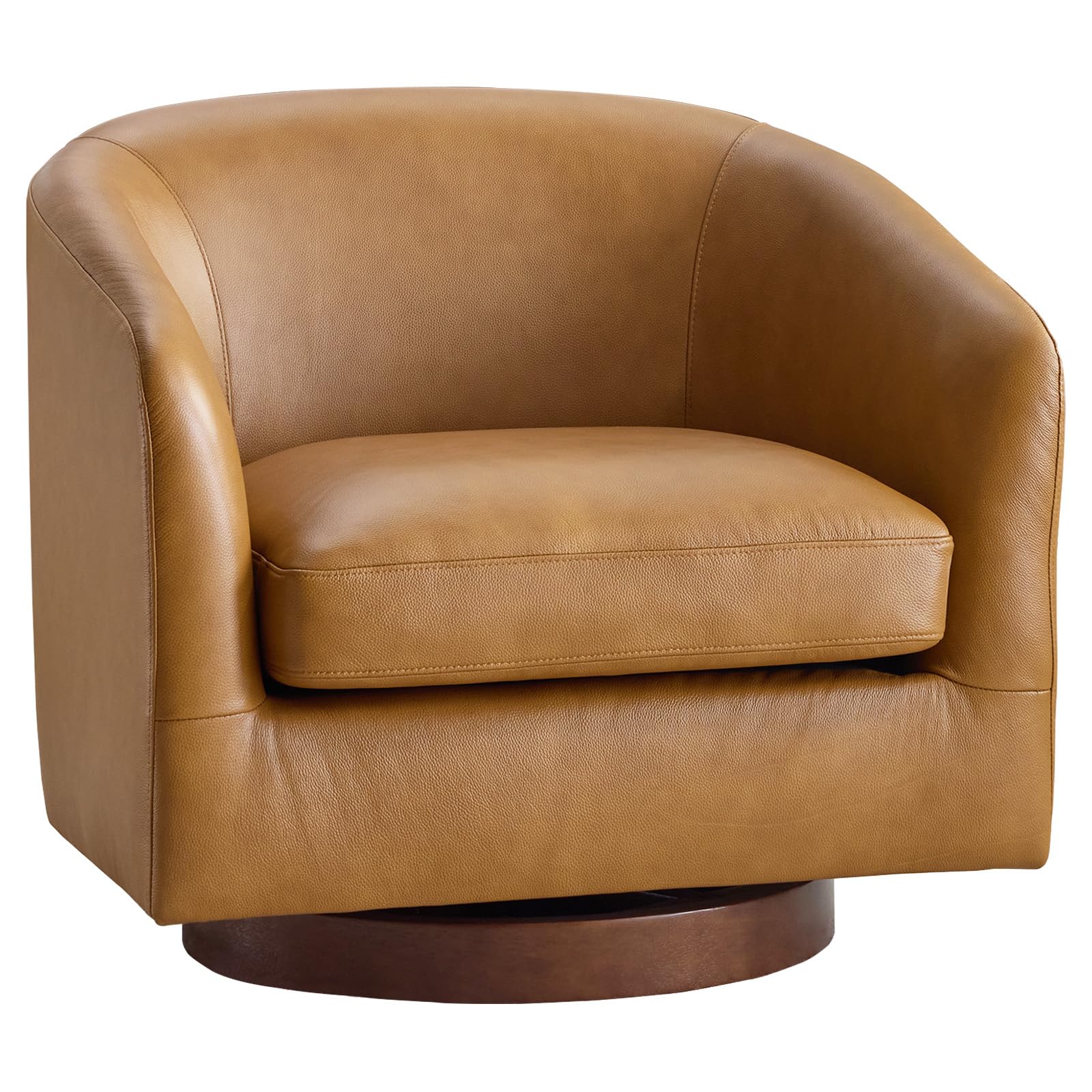
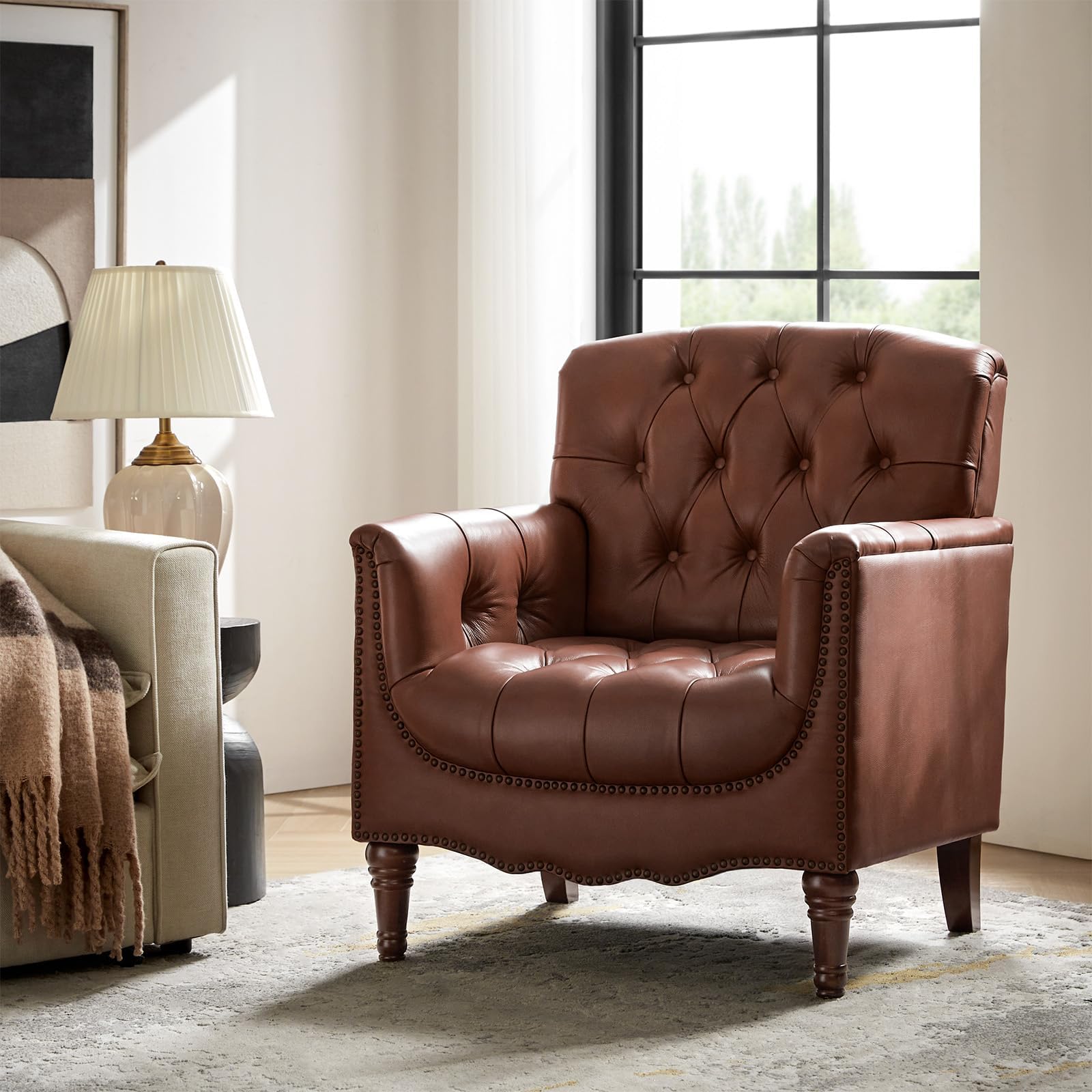
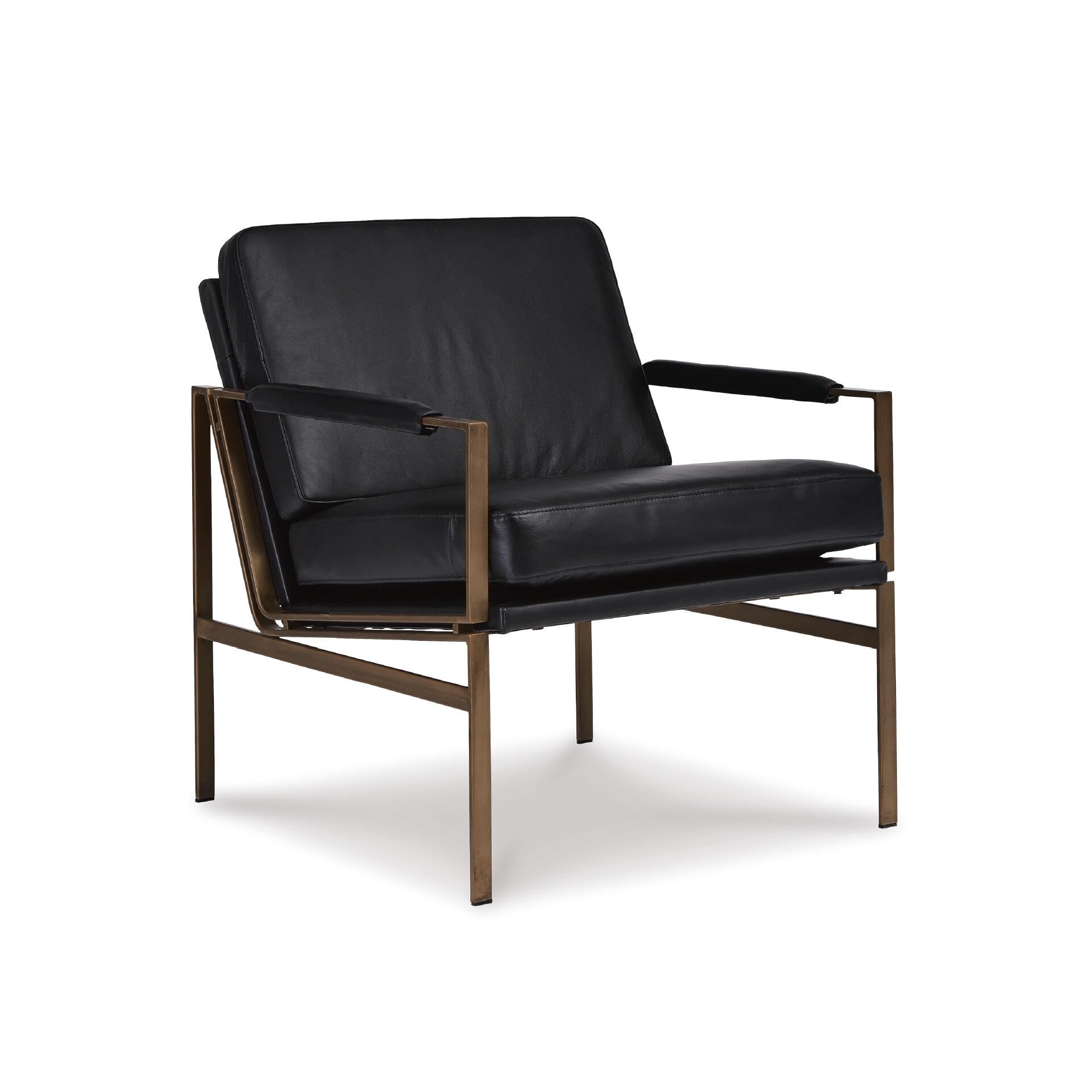
Who Should Buy Which Chairs for a Bedroom Sitting Area?
Start with the person and the routine, because a chair that suits long reading can feel wrong for a quick morning seat.
Readers Building a Quiet Corner
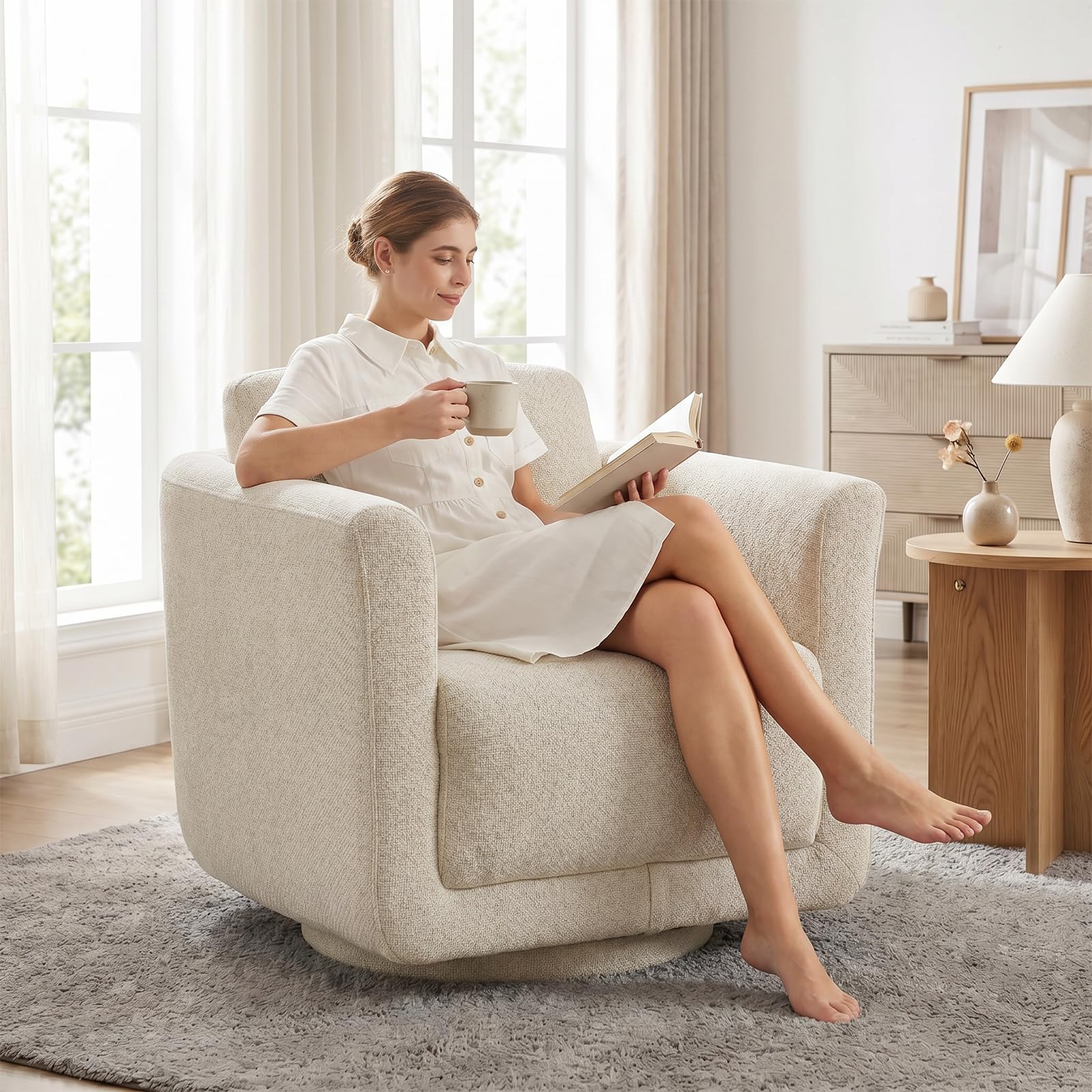
You sit for thirty minutes or more with a book or a warm drink. Choose a chair with a supportive back, a seat deep enough to relax in, and arms at a height that lets your shoulders drop. Place it near a window, with a small table and a reading light beside it.
Couples Creating a Small Conversation Spot
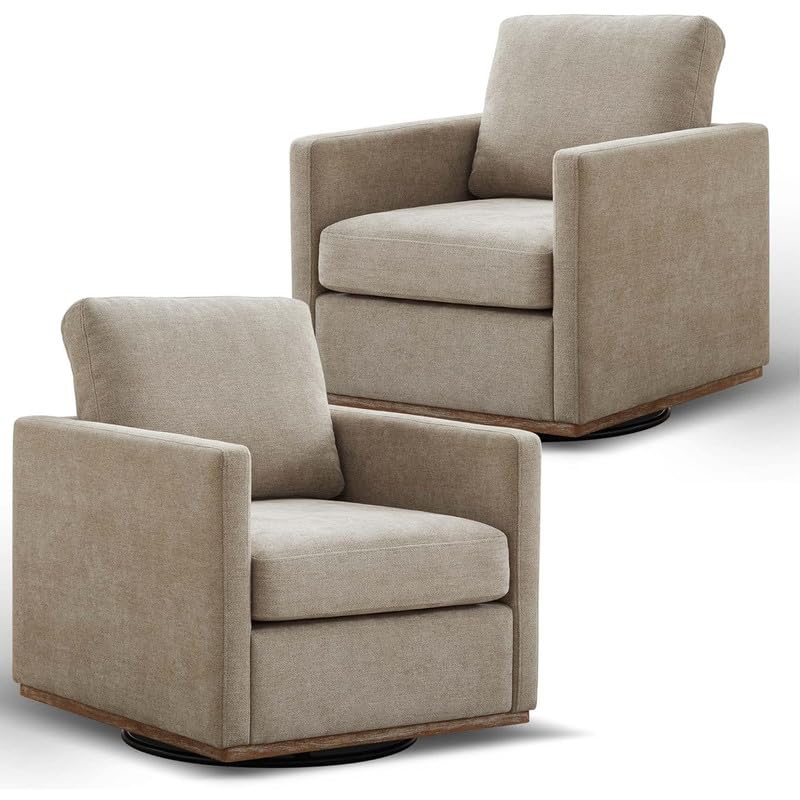
You want two seats angled toward a shared table without blocking the path to the bed. A pair of smaller armchairs works better than one wide loveseat, because you can space the pair apart and keep a walkway open. For more pairing ideas, see our guide to the best sitting room chairs.
Anyone Who Needs a Handy Dressing Seat
You need a place to sit while you put on shoes, lay out clothes or pause at the end of the day. Choose a firmer seat at a height that lets you stand without pulling on the arms, plus a fabric that handles daily contact with denim and lotion. An armless slipper style tucks close to a dresser.
Types of Chairs for a Bedroom Sitting Area Compared
When you compare the best chairs for bedroom sitting area choices by type, the trade off is simple. Smaller types save space, deeper types give more comfort, and price rises with frame quality, fabric and cushion fill.
Compact Slipper Chairs and Small Accent Chairs
These chairs have no arms, a low profile and a footprint that often fits in about 24 to 28 inches of width. They suit small bedrooms and dressing corners where arms would catch on drawers. The gain is open space and easy movement.
The limit is support, because a lower back gives you less to lean on during long reading. Simple models often cost about $80 to $200.
Upholstered Armchairs and Low Wingback Chairs
These chairs add padded arms and a taller back, so they hold your shoulders and give your arms a rest while you read or talk. A low wingback shape also creates a sense of enclosure in an open corner. Most need about 28 to 34 inches of width, plus leg room in front.
They often cost about $200 to $500. Choose this type when longer sits matter most.
Plush Lounge Chairs, Chaise Seats and Compact Recliners
These chairs stretch your legs out, on a long chaise seat, a separate ottoman or a reclining back. They give the most relaxed posture and suit a main bedroom with an empty corner or a bay window. The cost is space, because a chaise or an open recliner can need 55 to 65 inches of length. Prices often run about $350 to $900, so measure first.
Key Features to Compare in Chairs for Bedroom Sitting Area
Judge each chair with the same short list, so a pretty fabric does not hide a seat that fits your body poorly.
Footprint and Clearance Around the Chair
Footprint is the floor area the chair claims, and it decides whether your sitting area feels open or blocked. Measure the width and depth, then allow about 24 to 30 inches of clear path in front and beside it for walking and opening drawers. A swivel base can help in a tight corner, because you can turn toward a table without dragging the legs.
Seat Height, Depth and Width for Your Posture
A height of about 16 to 19 inches lets most adults sit with feet flat and stand without strain. A depth of about 19 to 22 inches supports your thighs, while a deeper seat suits curling up but needs a cushion at your lower back if your feet dangle. Widths of about 20 to 24 inches inside the arms fit most readers.
Back Shape and Arm Support for Reading
The back should meet your shoulder blades without pushing your head forward. A gentle curve or a small loose cushion at the lower back helps you sit longer without slumping. Arms should support your forearms while a book rests in your hands. If you sit for long stretches at home, see our guide to the best chairs for sitting for more on support over time.
Fabric Feel, Warmth and Everyday Care
Linen and cotton blends feel cool but can crease and stain more easily. Velvet feels warm and soft and hides light marks well, though it can show pressure marks. Boucle adds texture, while smooth faux leather wipes clean fast but feels cool at first touch. Choose a removable cover or a stain resistant finish if you drink tea or coffee in the chair.
Frame, Legs and Weight Capacity
A sturdy frame keeps the chair quiet and steady. Solid wood or strong engineered wood frames with reinforced corner joints usually feel firmer than thin frames that flex when you shift. Most bedroom chairs hold about 250 to 300 pounds, so check the rating against every regular user.
Tall wood legs make cleaning under the chair easy. On hard floors, add felt pads so legs do not scratch or slide.
How to Measure and Place Chairs in a Bedroom Sitting Area
Measure the corner, not just the chair. Mark the planned footprint on the floor with painter tape, then walk the path from the bed to the bathroom and the closet. Check that drawers and doors still clear the chair arms, and leave room for a side table of about 16 to 20 inches across.
Ground the group with a rug so the seats read as one area. The front legs of each chair should rest on the rug, with a few inches of rug beyond the chairs on each side. If you are choosing that layer next, see our guide to the best area rugs for bedrooms.
Put a lamp beside the main chair for side light while you read. For broader options, see our guide to the best bedroom chairs.
Common Mistakes to Avoid
Most regrets with bedroom seating come from size and placement, not from style.
- Buying a deep lounge chair for a small room leaves no clear path and squeezes the bed.
- Choosing a seat that is too low makes standing up awkward after a long sit.
- Ignoring the door and drawer swing leads to arms that get bumped and chipped week after week.
- Picking a delicate fabric for a daily dressing seat brings stains and worn patches far too soon.
- Forgetting a table and a light leaves you balancing a book and a drink on the arm.
How to Make Your Bedroom Sitting Chairs Last Longer
Vacuum upholstery with a soft brush tool each week or two, because grit settles into seams and wears the fibers as you sit. Blot spills at once, and check any cleaner on a hidden spot first. Rotate loose cushions and fluff them so the fill stays even.
Keep the chair out of harsh direct sun where you can, since strong light fades fabric over time. Tighten leg bolts every few months, and lift the chair rather than dragging it, because dragging loosens joints and scratches the floor.
FAQ
What size chair fits a bedroom sitting area without crowding the bed?
A chair about 24 to 30 inches wide and 26 to 32 inches deep fits most bedroom sitting areas without crowding the bed. Keep at least about 24 inches of open path beside the bed frame. Try the tape check overnight, because a layout that feels fine at noon can feel tight during a sleepy trip in the dark.
Is a more expensive bedroom sitting area chair worth paying for?
A more expensive bedroom sitting area chair is worth it when the extra cost buys a stronger frame, better cushion fill and a fabric that suits daily use. Those parts decide how the chair feels after a year. Spend less if the chair is mostly decorative, and more if you read there each evening.
Should a bedroom sitting area chair have arms or no arms?
Choose arms if you read or sit for long stretches, and choose no arms if space is tight or you sit mainly to dress. Arms give your shoulders a rest and help you rise from a deep seat. An armless chair slides closer to a dresser and feels less bulky.
What fabric works best for a bedroom sitting area chair used every day?
A tightly woven fabric with a stain resistant finish works best for daily use in a bedroom sitting area. It handles friction from clothing and resists light spills while still feeling soft. Keep a throw over the seat if pets join you, because claws can snag loose weaves such as boucle.
How long should a well made bedroom sitting chair last?
A well made bedroom sitting chair should last about 7 to 10 years of regular use. The frame usually outlasts the cushion fill and the fabric, which soften and fade first. When the frame creaks at the joints or a leg still wobbles after tightening, treat that as a sign to repair or replace the chair rather than trust it.
Wrapping Up
Match the chair type to your room first, then check seat size, back support and fabric. A compact chair that fits well will serve you better than a grand chair that blocks the room. Use the product table above to compare footprint, seat size and price.
Chosen with those points in mind, the best chairs for bedroom sitting area picks turn an unused corner into the calmest seat in your home. Start with one chair and add a table or second seat only when the space still feels open.