
Best Childrens Pillows: Every Type Explained Side by Side for 2026
Disclosure: We may earn a commission when you buy through links on this page, at no extra cost to you. As an Amazon Associate I earn from qualifying purchases. Learn more
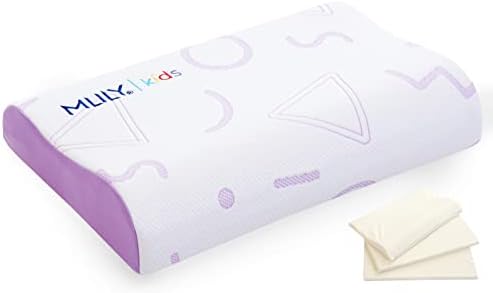
Compare each type of best childrens pillows by fill, size, and price range, with tips to match a pillow to your child's age, sleep position, and bed.
Choosing a pillow for a child feels harder than choosing one for yourself. Sizes, fills, and firmness levels vary a lot, and a pillow that suits a tall ten year old can leave a small four year old with a tilted neck. This guide compares the main types of best childrens pillows side by side so you can match the type to your child. You will find the comparison table below a useful starting point before you read the details.
A good pillow for a child does three simple jobs. It keeps the head and neck in line with the spine, it stays comfortable through the night, and it is easy for you to keep clean. The sections below explain each fill, loft, and size in plain terms.


Types of Pillows Compared
Most children's pillows fall into three broad groups based on fill. Prices overlap across groups, with many options about $20 to $40 and some specialty options under $60, so feel and fit usually matter more than price alone. If you are also shopping for adults at home, see our guide to the best ranked pillows for a broader view of how pillow types compare.
Memory Foam
Memory foam softens in response to body heat and molds closely around the head and neck. That close fit spreads weight over a wider area, which is what the term pressure relief describes. A single piece foam pillow holds its shape well and tends to stay quiet and still through the night, which some children prefer if they are light sleepers.
The trade off is warmth and firmness. Foam holds more heat than airy fills, and a foam pillow that is too thick can push a small child's head forward. Look for lower loft foam made for children rather than an adult foam pillow cut down in size. Foam with a CertiPUR US listing has been checked for content and emissions, which gives you a clear standard to look for on the label.
Cooling Fabrics
Cooling pillows use breathable covers and airy fills to move heat and moisture away from the head. Covers may use cotton with an open weave or smooth synthetic fibers that feel cool at first touch, while the fill inside is often a loose polyester cluster that lets air pass through. Children who run warm, sweat at night, or kick off blankets often settle faster on this type.
Cooling fabrics do not actively lower temperature, so the effect is about comfort rather than a set number of degrees. These pillows are usually lighter and easier to wash than foam, but loose fills can flatten sooner and may need regular fluffing to keep an even loft.
Down and Down Alternative
Real down is soft, light, and easy to scrunch into shape, which suits children who like to hug or fold a pillow. It offers very little push back, so the head sinks in deeply. That deep sink can be a problem for small children who need more support to keep the neck level, and down can trigger symptoms for some children with feather sensitivities.
Down alternative fills use polyester fibers made to copy the soft feel of down at a lower cost, usually around $15 to $35. They are typically machine washable, dry faster, and suit allergy prone households better than real down. Neither option gives the steady support of foam, so these fills work best for older children who sleep on their back or stomach and prefer a flat, soft surface.
Memory Foam Versus Cooling Fabrics: Which Should You Choose?
These two types solve different problems, so the right choice depends on what disrupts your child's sleep most. Memory foam wins on steady support and pressure relief because it holds one consistent shape and fills the gap under the neck. Cooling fabrics win on airflow and easy care because air moves through the fill and most styles can go in the wash. You can also refer back to the product table above to see how the two types line up on price and size.
Think about temperature first. A child who wakes hot and damp will likely sleep better on a cooling style even if the support is a little softer. Think about position next. A side sleeper with narrow shoulders often needs the firmer hold of foam to keep the head level, while a restless child who rolls often may find foam too fixed in one shape. For parents reading about their own discomfort at the same time, our guide to the best pillows for neck issues explains how support and pillow height interact for adult necks.
How to Choose the Right Pillow for Your Child
Type is only the first step. Size, loft, and material decide whether a pillow actually fits your child, and those details change as your child grows. Work through the four points below in order to narrow the best childrens pillows to the few that truly fit, and you will rule out most poor fits before you buy.
Size and Fit
Children's pillows come in toddler, youth, and standard sizes. A toddler pillow is small and thin, made for a first toddler bed after your child has moved out of the crib. Youth sizes suit most children from about four to ten years old on a twin bed, while a full standard pillow often feels too large until the shoulders widen.
Check the pillowcase fit as well as the pillow itself, because a loose case bunches and a tight case changes the loft. If your child wakes often with a morning neck ache, size and height are the first things to review, and parents with the same morning pattern can see our guide to the best pillows for neck ache for adult focused advice. A pillow should fill the space between the bed and the curve of the neck without lifting the head high.
Firmness and Loft for Each Sleep Position
Loft is the height of the pillow when it is in use, and firmness is how much it resists squashing down. Side sleepers need more loft to fill the gap between shoulder and head, back sleepers need a medium height that supports the neck curve without tipping the chin down, and stomach sleepers need the thinnest option you can find so the neck does not twist upward.
A simple home check helps. Lay your child on the pillow and look from the front and the side. The nose should line up roughly with the center of the chest, and the ear should sit above the shoulder rather than dropping toward it. If your older child often wakes with a sore neck, note how many mornings it happens and what position they sleep in, and see our guide to the best pillows for sore neck if you want adult background on the same height and support trade offs.
What Children Should Look For
Children need a lower and softer pillow than adults because their heads are large in proportion to their bodies and their shoulders are narrow. Weight matters too, since a light child may not compress a firm pillow enough to get any support from it. Washability is a major factor at this age. Spills, illness, and nosebleeds are common, so a removable washable cover or a fully washable pillow saves a lot of stress.
Safety and health come first for this age group. Pillows do not belong in a crib for babies, and you should follow your pediatrician's guidance on when to introduce one, which is often around age two for many families. Talk with your child's clinician about personal needs, especially if your child snores loudly, breathes through the mouth most nights, wakes with headaches, has ongoing neck pain, or has asthma or allergies that flare at night. Those signs need a professional view rather than a pillow change alone, and families dealing with ongoing neck problems can also see our guide to the best pillows for neck problems for adult information while you seek care for your child.
Material and Fill
Beyond the three main types above, you may see latex and shredded fills. Latex feels springy and holds its height well, while shredded foam or fiber lets you remove some fill to lower the loft, which is handy for a growing child. For covers, cotton percale feels crisp and breathable, sateen feels smoother and slightly warmer, and bamboo derived fabrics feel soft with good moisture handling.
Labels help you compare quality without guessing. Thread count describes how many threads sit in a square inch of fabric, and a moderate count with a tight, smooth weave often outlasts a very high count made from thin yarn. An OEKO TEX listing means the fabric has been checked for harmful substances, and many brands offer a sleep trial so you can confirm the fit at home after a full night of sleep.
Setup and Care Tips
When a new pillow arrives, let a foam style air out in a ventilated room for a day before first use, since new foam can carry a mild odor at first. Put on a washable protector under the pillowcase to guard against spills and dust mites, and show your child how to fluff a fiber filled pillow each morning by pushing air back into the corners.
Wash covers weekly with your regular bedding wash and follow the label for the pillow itself. Many fiber filled styles can be machine washed and need to dry fully before use, while foam usually needs spot cleaning only because soaking can damage its structure. Replace a pillow when it stays flat after fluffing or develops lumps that will not spread out.
Your Questions About Children's Pillows Answered
What makes children's pillows different from adult pillows?
Children's pillows are smaller, thinner, and softer than adult pillows because children have narrower shoulders and different head to body proportions. A lower loft keeps a child's neck in line with the spine instead of bending it upward. Many styles also use washable covers and hypoallergenic fills, since spills and allergies are more common concerns for younger sleepers.
What firmness in children's pillows is best for back discomfort?
A medium firmness in children's pillows usually works best for back discomfort because it supports the neck without lifting the head too high. Very soft pillows let the head sink and strain the upper back, while very firm pillows can create pressure points. If back discomfort is frequent, worsening, or follows an injury, talk with your child's clinician rather than relying on a pillow change alone.
How often should you replace children's pillows?
You should replace children's pillows every one to two years, or sooner if the pillow stays flat, turns lumpy, or no longer fits your child's size. Growth is the main reason, since a pillow that fit at age five may be too small and thin at age seven. A new smell that does not fade after washing is another clear sign that replacement is due.
Is a higher thread count always better for children's pillow covers?
No, a higher thread count is not always better for children's pillow covers. Very high counts can use thinner yarn and feel less breathable, which matters for warm sleepers. A moderate count in a well made cotton weave often feels cooler and lasts longer. For children, easy washing and a smooth finish that does not irritate skin matter more than chasing the highest number on the pack.
Are cooling children's pillows worth it for hot sleepers?
Yes, cooling children's pillows are worth it for hot sleepers who wake damp or restless from warmth. Breathable covers and airy fills let heat escape instead of building up around the head, which helps many warm children settle and stay asleep. Keep expectations realistic, since these pillows feel cooler and drier rather than cold, and a hot room will still need lighter bedding and airflow.
How do you wash children's pillows safely?
You wash children's pillows safely by following the care label for that fill, since foam, fiber, and down each need different handling. Most fiber and down alternative styles can be machine washed on a gentle cycle and must dry fully to prevent mildew. Foam should be spot cleaned and aired instead of soaked. Washing two pillows together helps balance a machine drum and reduces uneven wear during the cycle.
Final Thoughts
Start with fit, not marketing. Match the size to your child's bed and age, choose a loft that keeps the head level in their main sleep position, and pick a fill your family can keep clean without fuss. Memory foam suits children who need steady support, cooling fabrics suit warm sleepers, and soft down alternative suits older children who like a flat, squeezable feel.
Use the comparison table above to check sizes and prices side by side once you know which type fits your child best. When you focus on fit, care, and honest comfort, choosing from the best childrens pillows becomes a short and confident decision rather than a long search.


