Best Bedroom Chairs for 2026: Types Compared and How to Choose
Disclosure: We may earn a commission when you buy through links on this page, at no extra cost to you. As an Amazon Associate I earn from qualifying purchases. Learn more

Compare the best bedroom chairs by size, cushioning, support and style to find a comfortable seat that fits your room, routine and budget.
Choosing the best bedroom chairs can feel confusing because bedroom seating comes in many shapes, sizes and levels of softness. Some chairs are made for reading in a quiet corner, while others are made for dressing, resting or simply filling an empty space with a useful seat. This guide compares the main types side by side so you can see the trade offs clearly before you buy.
Use the product table to compare picks by size, comfort and price, then read the detailed sections to check fit, support and materials. A good bedroom chair should suit the way you actually sit, not just the way it looks in a photo.





Types of Bedroom Chairs Compared
Bedroom chairs differ mainly in footprint, seat depth, back height and cushion firmness. A chair that works in a large master bedroom may overwhelm a small room, while a tiny chair may feel cramped for long reading sessions. The table below gives a quick view of the main options.
| Type | Best For | Pros | Cons | Typical Price |
|---|---|---|---|---|
| Budget Models | Simple extra seating | Low cost and light weight | Thinner cushions | about $80 to $250 |
| Ergonomic Models | Long sitting sessions | Better back support | Larger footprint | about $200 to $600 |
| Compact Models | Small rooms and corners | Easy to place | Less lounging room | about $100 to $350 |
Budget Models
Budget models focus on simple frames, straightforward cushions and easy assembly. They suit a guest corner, a dressing area or a room where the chair will be used for short sits rather than long evenings. Look for a stable base, a seat height that lets your feet rest flat and fabric that can be spot cleaned with ease.
The main trade off is cushion depth and long term comfort. Thin foam may flatten sooner, and a low back may offer little support for reading. Choose this type when price and simplicity matter most, and check the weight capacity and frame material before you order.
Ergonomic Models
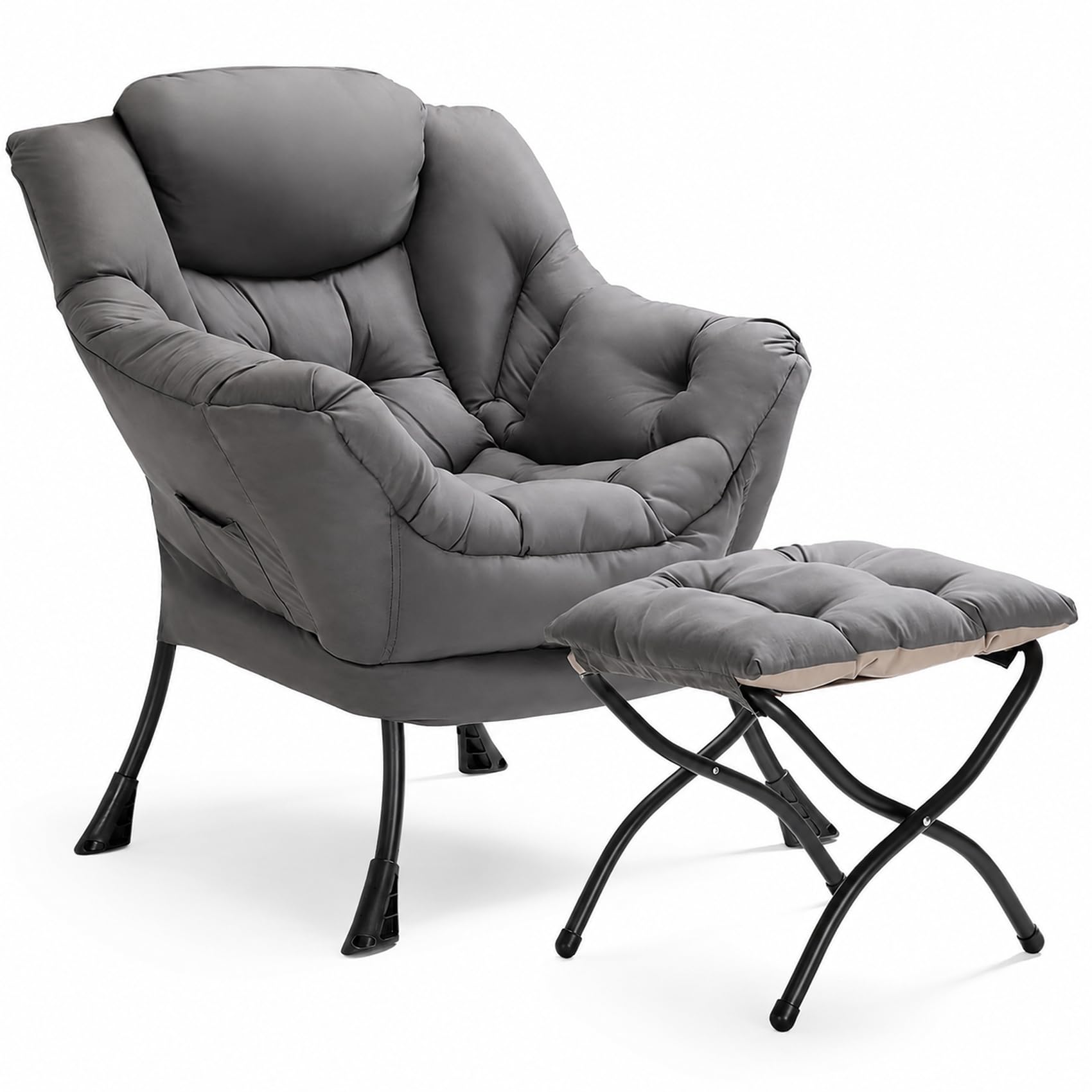
Ergonomic models are shaped to support the lower back, keep the hips level and reduce strain during longer sits. They often have a contoured back, a firmer seat cushion and armrests at a height that lets your shoulders relax. These chairs suit readers, people who work from a bedroom corner and anyone who notices back tiredness after sitting. If reading is your main use, see our guide to the best reading chairs for bedroom for more detail on reading comfort.
The main drawback is size, since supportive shapes and thicker cushions need more floor space. Measure the chair footprint and the space needed to sit down and stand up with ease. A supportive chair is worth the extra room only if you will use it often enough to enjoy the comfort.
Compact and Space Saving Models
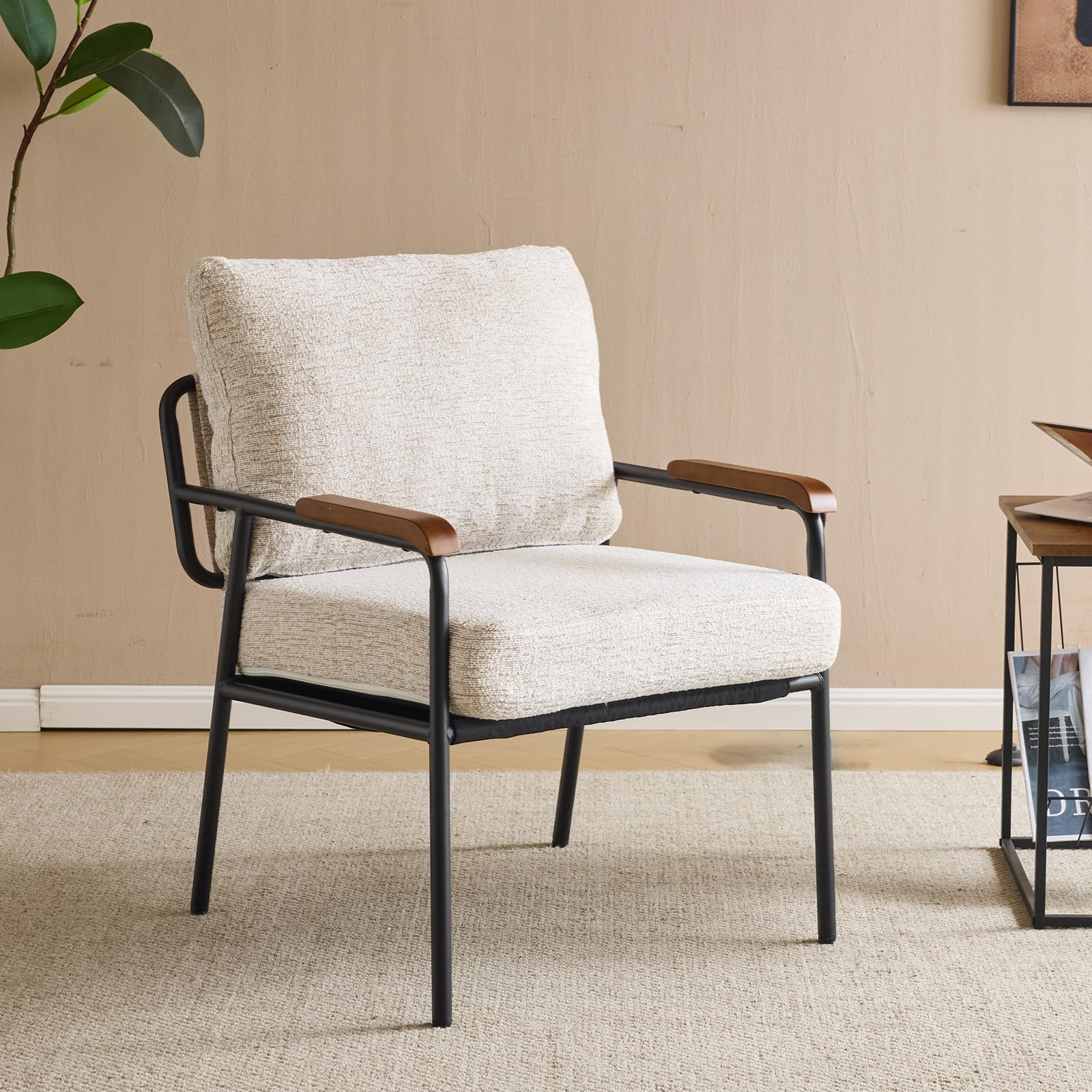
Compact models use a narrow width, a shallow seat and a light frame to fit tight corners, small bedrooms and spaces beside a bed or wardrobe. They work well as a dressing chair, a reading nook seat in a small room or extra seating that can be moved when needed. Armless designs and open legs can also make a small room feel less crowded.
The trade off is lounging comfort, since a shallow seat and a short back leave less room to curl up. Check the seat depth against your height, and leave clear walking space around the chair. A compact chair should still let you sit with your back supported and your feet flat on the floor. For more small room ideas, see our guide to the best small chairs for bedroom.
Affordable Chairs vs Supportive Chairs: Which Should You Choose?
Affordable chairs win on price, weight and ease of placement, while supportive chairs win on comfort during long sits. If you sit for less than half an hour at a time, a simple chair may be all you need. If you read for an hour or more, better back support, firmer foam and a well shaped seat can make a real difference to comfort.
Consider room size next, then cushion quality and fabric care. A supportive chair needs a larger footprint, while an affordable chair may need a cushion replaced sooner. Choose the affordable option for occasional use and the supportive option for daily reading, resting or working in the bedroom.
Delivery and assembly also matter, since a large chair may need a wide doorway and help to move into place. Check whether assembly tools are included and whether packaging can be removed easily. A chair that arrives in parts may need an hour to assemble, while a fully assembled chair needs more doorway clearance. Factor these practical points into your choice alongside comfort and price.
How to Choose the Right Bedroom Chair
The sections below break the choice into comfort, support, style and materials. Use them as a checklist in a shop or while comparing listings online. A chair that scores well on all four points is more likely to stay comfortable after the first weeks. Note the measurements that matter for your room before you fall for a style alone.
Comfort and Cushioning
Foam density affects how a seat feels after weeks of use as well as on the first sit. High density foam holds its shape longer and feels firmer, while soft foam feels plush at first but may sag sooner. Sit for several minutes when possible, and check whether the seat edge presses into the backs of your legs.
Ergonomics and Adjustability
Seat height matters more than many buyers expect, because feet that dangle or knees that sit too high can cause discomfort. A seat that lets your feet rest flat and your hips sit level is a good starting point. Lumbar support should fill the natural curve of the lower back without pushing you forward, and armrests should support your arms without lifting your shoulders.
Style and Room Fit
Color and style should match the room without making the chair the only focus. Neutral fabric blends with bedding and curtains, while a bold color can mark a reading corner. Measure doorways, hallways and the final spot before buying, and leave room to walk past the chair and open nearby drawers or doors. For a relaxed look, see our guide to the best lounge chairs for bedroom alongside other styles.
Materials and Upholstery
Fabric feels warm and breathable and suits relaxed bedrooms, while smooth leather style covers wipe clean more easily but can feel cool at first. Mesh suits light, airy chairs but offers less softness for lounging. Solid wood frames tend to feel sturdy, while engineered wood frames can be lighter and lower in cost, so check joints and weight capacity rather than judging by looks alone.
Setup and Care Tips
Place the chair on a level floor and check that all legs touch the ground before regular use. Adjust the seat position so your feet rest flat, and tighten bolts every few months if the chair has a bolted frame. Vacuum fabric often, wipe smooth covers with a damp cloth and keep the chair away from direct sun and heaters to protect color and cushion shape. Keep small parts, tools and packaging away from children during assembly and after any repair.
If cushions are removable, follow the manufacturer's washing instructions and let them dry fully before use. Check glides if the chair will move often, since worn glides can mark floors. Keep spare bolts and tools in a safe place so small repairs stay simple. A short check every few months can catch loose joints before they become a larger problem.
Frequently Asked Questions
How long should a good bedroom chair last?
A good bedroom chair should last about five to ten years with regular home use, depending on frame quality, cushion density and how often it is used. Solid frames and high density foam tend to hold up longer than light frames and thin cushions. Signs of wear include sagging seats, loose joints, torn seams and creaking that does not stop after bolts are tightened. Rotating cushions where possible and keeping the chair clean can extend its useful life.
Is an expensive bedroom chair worth it?
An expensive bedroom chair is worth it when the extra cost buys better support, denser cushions, stronger joints or fabric that suits your daily routine. For occasional seating, a lower cost chair can be sensible and easy to replace. For daily reading or long sits, comfort and durability matter more than a low price alone. Compare seat shape and cushion quality first, since a high price does not always mean a better fit for your body.
What features matter most for long hours?
For long hours, the features that matter most are a supportive back shape, a seat depth that fits your legs and armrests at a relaxed height. Firm, high density foam helps the seat keep its shape, while a stable base stops wobbling when you shift position. Breathable fabric also helps during long reading sessions in warm rooms. A footrest or ottoman can add comfort, but it should not replace good back support.
How do I choose the right size?
Choose the right size by measuring your room, your doorway and the space where the chair will stand. Leave enough room to sit down, stand up and walk past without squeezing. Seat width should fit your hips with a little room to spare, and seat depth should leave a small gap behind your knees. If the chair will sit beside a bed, check that it does not block drawers, doors or bedside access.
What size bedroom chair fits a small room?
A bedroom chair for a small room should have a narrow width, a shallow seat and legs that do not spread far beyond the seat. Armless designs often fit better, and light colors or open legs can make the corner feel less crowded. Measure the corner twice, including baseboards and nearby furniture, before you buy. A chair that looks small online can still block a walkway if the room layout is tight.
Final Thoughts
The best choice balances size, support and cushion quality for the way you will use the chair each day. Start with room measurements, then check seat height, back support and fabric care. The product table can help you compare options at a glance, and the sections above can help you judge comfort beyond looks alone. For daily reading and long sits, the best bedroom chairs are the ones that fit your room, support your back and still feel inviting after months of use.