
Best Childrens Bedding Sets 2026: Complete Buying Guide
Disclosure: We may earn a commission when you buy through links on this page, at no extra cost to you. As an Amazon Associate I earn from qualifying purchases. Learn more
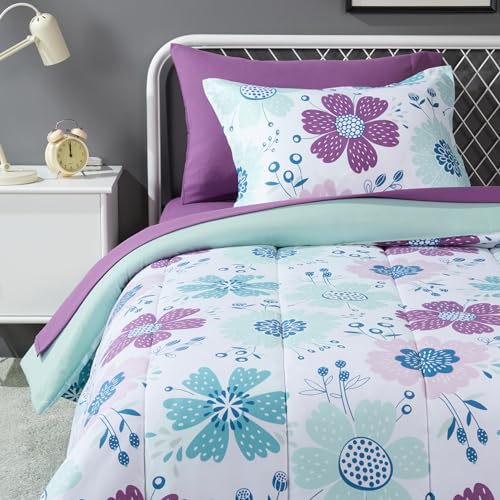
Choose childrens bedding sets with care, covering safe sizes, breathable cotton, washability, allergy notes, and designs that last beyond one season.
Choosing best childrens bedding sets is about more than a favorite color or character. Children sleep, play, and sometimes eat in bed, so bedding must wash well, fit the mattress safely, and feel comfortable through the night. A set that looks charming in a shop but bunches up, overheats, or fades after a few washes quickly loses its appeal.
This guide covers sizes, fabrics, safety, and care in practical terms for parents and carers. The comparison table below gives a quick overview, and the sections that follow help you pick bedding that stays soft, safe, and easy to live with.



Who Should Buy Which Set
Bedding sets suit children moving from a crib to a first big bed, as well as older children refreshing a room. A toddler set in a smaller size fits a junior bed, while a twin set suits a standard single bed and a full set suits a larger bed. Always match the fitted sheet to the mattress depth, since a sheet that is too shallow can pop off during the night.
Children with allergies or sensitive skin may benefit from tightly woven cotton and bedding that washes at a warm temperature. Children who run hot need lighter, breathable layers, while children who feel cold may prefer a slightly heavier duvet with a breathable cover. Think about your child sleep habits, not just the room theme.
Sizes, Fit, and Safety
Measure the mattress length, width, and depth before ordering, and check the set contents carefully. Some sets include a duvet cover and pillowcases only, while others add a flat sheet or a sham. A complete set saves shopping around, but a simpler set may suit a child who already has sheets that fit well.
Safety matters most for younger children. Avoid heavy blankets, loose pillows, and long cords or ties for toddlers, and follow safe sleep guidance for your child age group. For older children, check that pillowcases fit the pillows you own and that duvet covers close securely without loose buttons that could come off.
Elastic depth and corner fit deserve a quick check after the first wash, since some fabrics shrink slightly. A fitted sheet that stays put through wriggling and play is worth more than a pretty pattern that needs remaking every morning.
Fabrics and Comfort Through the Night
Cotton is the most popular choice for childrens bedding because it breathes, washes well, and feels soft against skin. Percale cotton feels crisp and cool, while sateen cotton feels smoother and slightly warmer. Microfiber sets cost less and dry quickly, but they can feel warmer and may pill sooner than cotton.
Thread count alone does not guarantee comfort. Fiber quality, weave, and finishing matter more than a very high number on the label. A mid range cotton set from a reputable maker often feels better and lasts longer than a very high thread count set made from short fibers.
Consider a layered approach for changing seasons. A light duvet with a separate blanket lets a child adjust warmth without a full bedding change. Breathable layers also help children who sweat at night, since they can push one layer aside without losing all cover.
Washing, Durability, and Care
Childrens bedding should survive frequent washing without fading badly or losing softness. Wash new bedding before first use, follow the care label, and avoid overloading the machine, which can strain seams. A gentle cycle with a mild detergent usually keeps colors brighter for longer.
Check seams, zips, and buttons after washing, and repair small issues promptly before they grow. Keep a spare set ready for night time accidents or illness, since a quick change at night is far easier than a late wash. Rotating two sets also spreads wear and keeps bedding fresher.
Designs That Last Beyond One Phase
Character bedding delights younger children, but tastes change quickly. A set with a fun duvet cover and plain sheets offers flexibility, since the cover can change while the sheets stay. Neutral or classic patterns also hand down better to siblings and suit a room refresh with new cushions rather than a full new set.
Let your child choose between two or three practical options rather than an open ended search. That involvement helps them feel ownership of their room, while you keep control over fabric, fit, and washability. A happy compromise lasts longer than a set chosen on excitement alone.
Related Guides to Compare
General bedding sets cover adult sizes and materials too, which helps when comparing cotton quality and value across ages. best bedding sets to buy.
Cotton bedding sets focus on weave, fiber quality, and care, which are the details that decide long term comfort for children. best cotton bedding sets.
King bedding sets suit larger family beds and guest rooms, and they show how sizing and duvet weight change with bed size. best king bedding sets.
Living With Your Choice
Bedtime routines benefit from bedding a child likes and can manage independently. A duvet cover with a simple zip or popper closure lets older children make their own bed, while a fitted sheet that stays put reduces morning frustration. Independence at bedtime builds confidence and makes mornings smoother for the whole household.
Allergy aware households should wash bedding at the temperature the care label allows and vacuum mattresses regularly. Pillow protectors and mattress protectors add a washable barrier that helps with dust and spills. If allergy symptoms persist despite clean bedding, discuss them with a clinician rather than assuming bedding alone is the cause.
Sleepovers and guests call for a spare set that is ready to use without washing first. Keep the spare set clean, folded, and stored where a child or guest can find it easily. A spare set also covers illness, accidents, and laundry delays without a late night search through cupboards.
Room themes change as children grow, and bedding is an easy way to refresh a room without redecorating. New pillowcases or a new duvet cover can transform a room for a birthday or a new school year. Keep the base sheets neutral so theme changes stay affordable and simple.
Handing bedding down to siblings works best when sets are well cared for and free from stains or worn elastic. Wash, dry fully, and store handed down bedding in a clean, dry place. Label sizes on storage bags so the next child gets a set that fits their bed without trial and error.
Final Thoughts
Start with mattress size and safe fit, then choose breathable fabric and a wash routine you can sustain. Let design be the final choice, not the first, and keep a spare set ready for busy nights. With those basics settled, review the product table above and pick the best childrens bedding sets option that feels soft, safe, and easy to care for.
Frequently Asked Questions
What size bedding does my child need?
Match the fitted sheet to mattress length, width, and depth, and check whether the set is made for a toddler, twin, or full bed. Some sets include only a duvet cover and pillowcases, so read the contents list carefully. A sheet that fits well stays put during sleep and play.
Is cotton better than microfiber for children?
Cotton usually breathes better and feels softer over time, while microfiber costs less and dries quickly. Cotton percale feels crisp and cool, and cotton sateen feels smoother and slightly warmer. Choose based on your child temperature at night and how often you wash.
How often should childrens bedding be washed?
Wash sheets weekly in most homes, and wash duvet covers and pillowcases on a similar schedule. Wash sooner after illness, accidents, or heavy sweating. A spare set makes frequent washing far easier and keeps bedding fresh without late night laundry.
What bedding is safe for toddlers?
Follow safe sleep guidance for your child age group, and avoid heavy blankets, loose pillows, and long ties for younger toddlers. Choose fitted sheets that fit snugly and bedding that washes well. If you are unsure, ask a pediatrician about sleep safety for your child stage.
How can I make bedding last longer?
Wash on a gentle cycle with mild detergent, avoid overloading the machine, and repair seams or buttons promptly. Rotating two sets spreads wear, and washing new bedding before first use removes excess dye and softens fabric. Keep bedding out of harsh sunlight when drying to protect color.


