
Best Chairs for Back Posture: Everything to Know Before Your First Purchase for 2026
Disclosure: We may earn a commission when you buy through links on this page, at no extra cost to you. As an Amazon Associate I earn from qualifying purchases. Learn more
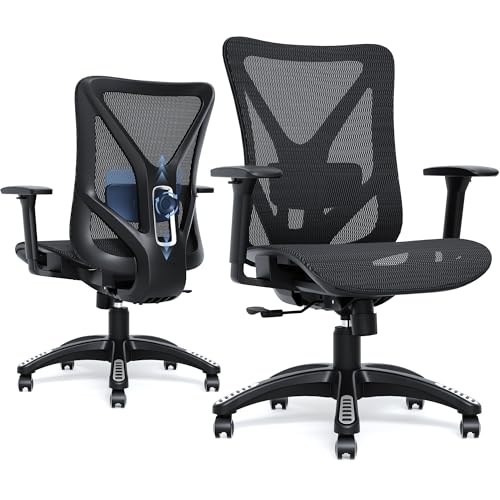
Shopping for the best chairs for back posture for the first time? Learn the key terms, compare features, and avoid common rookie mistakes with ease.
Buying your first posture chair can feel confusing, because listings throw around terms like lumbar support and tilt tension without explaining what any of them mean for your back. This guide starts with the basics, walks you through each feature in plain English, and shows you how to match a chair to your body and your room. You will find best chairs for back posture options compared in the comparison table below, so use it alongside the guidance here.
Good posture while sitting is not about sitting bolt upright all day. It is about a chair that supports the natural curve of your lower back, lets your feet rest flat, and lets you shift position without fighting the chair. Once you understand those three ideas, the rest of the shopping process becomes much simpler.
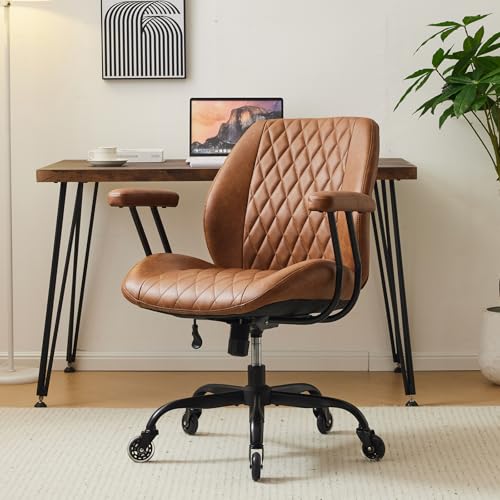
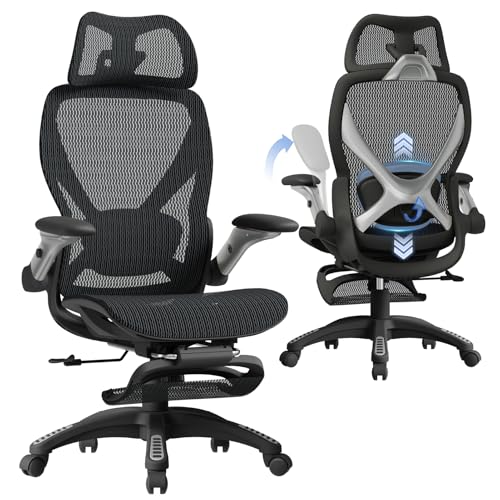
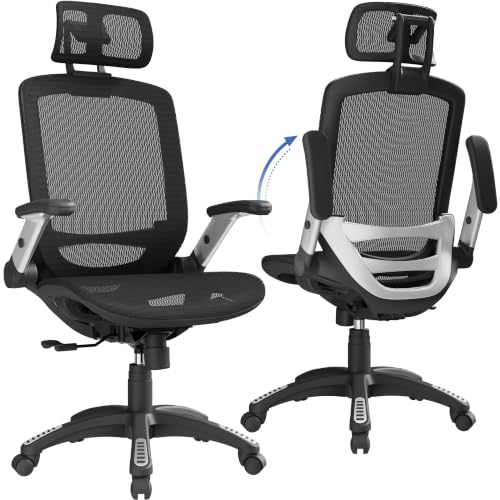

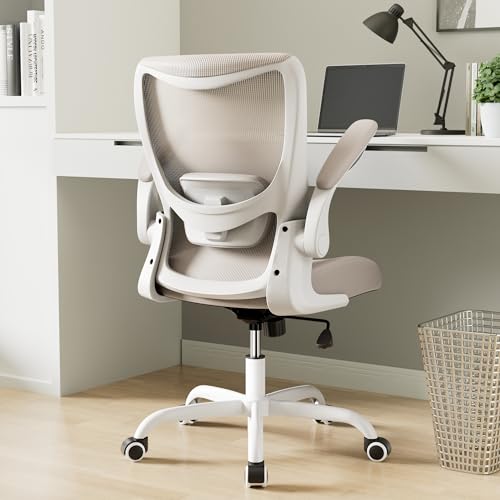

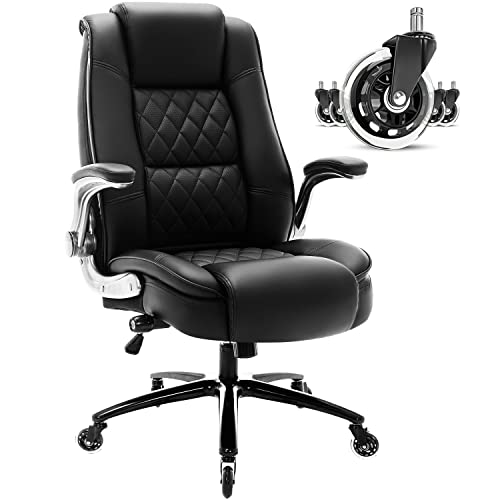
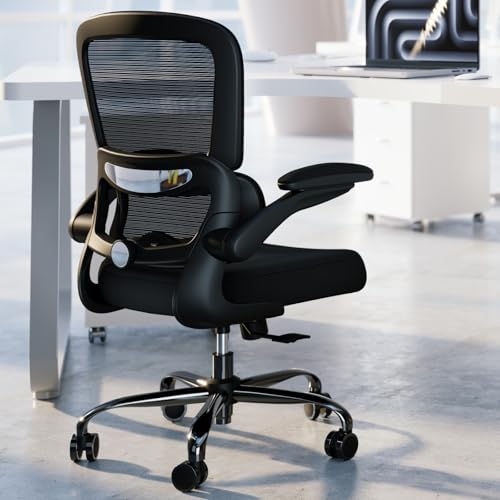
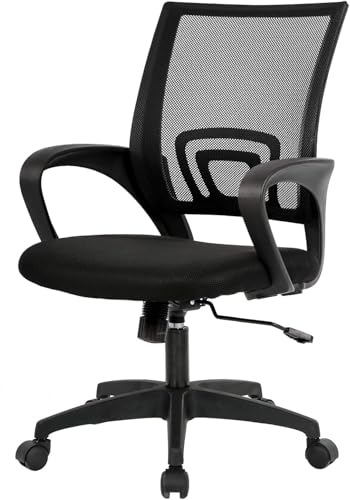
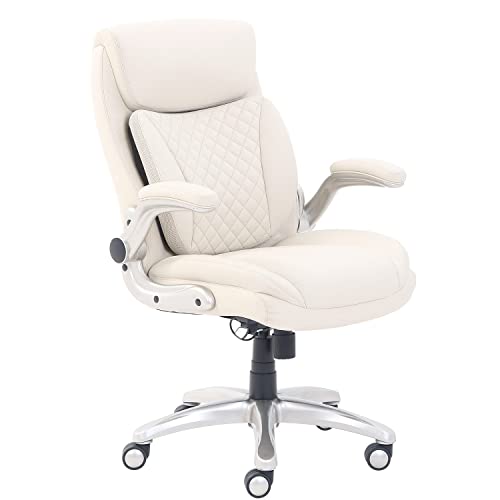
Chairs 101: The Basics for First Time Buyers
A posture chair is simply a chair designed to support your spine in a neutral position while you sit. Instead of a flat or sagging backrest, it has a shaped back that follows the curve of your spine, a seat that keeps your hips level, and adjustments that let you fit the chair to your body rather than forcing your body to fit the chair.
A few terms come up again and again. The lumbar region is your lower back, and lumbar support is the part of the chair that fills the small gap behind it. The gas lift is the cylinder under the seat that raises and lowers it when you pull the lever.
Casters are the wheels on the base, and the tilt mechanism lets the backrest recline. Knowing these four terms unlocks most product descriptions.
A chair can support comfortable posture, but it cannot treat a medical condition. If you have ongoing back pain that does not ease with rest, numbness or weakness in a leg, pain after a fall or injury, or bladder changes alongside back pain, see a doctor promptly instead of shopping for furniture. For personal advice about your spine, talk with your clinician about what support suits your needs.
Key Specs Explained in Plain English
When you compare the best chairs for back posture side by side, specifications look technical, but each one answers a simple question about fit, comfort, or durability. Read the five sections below in order and you will be able to scan any listing in the product table above and know within a minute whether that chair deserves a closer look.
Features That Matter for Back Posture
Posture starts with the backrest shape. Look for a backrest with a gentle outward curve at the bottom, or an adjustable lumbar pad you can raise, lower, and press in or out. Fixed foam bumps help some people and miss others entirely, because lower back curves sit at different heights.
A mesh back flexes and breathes well in warm rooms, while a padded back feels softer and warmer. Either works, as long as the support lands at your belt line, not in the middle of your shoulder blades.
Ergonomics and Adjustability
Ergonomic simply means the chair adjusts to you. Seat height should let you plant both feet flat with your knees at about a right angle, which for most adults means a range starting near 16 inches and rising to about 21 inches. Adjustable armrests that move up and down at minimum, and ideally in width and depth too, keep your shoulders relaxed.
A tilt lock lets you fix the backrest at a slight recline, and tilt tension controls how much effort reclining takes. The more of these adjustments a chair has, the more bodies it can fit well.
Size, Dimensions, and Weight Capacity
Measure before you order. Check the seat width against your hips with a little room to spare, and check seat depth by sitting with your back against the backrest and confirming two or three fingers fit between the seat edge and the back of your knees. Taller users need a higher backrest and a deeper seat, while shorter users often need a lower minimum seat height. Always confirm the stated weight capacity covers you with margin, and measure your doorway and desk height so the chair fits the room and slides under your work surface.
Assembly and Delivery
Most posture chairs arrive in one large box with the backrest, seat, arms, base, and gas lift packed separately. Assembly usually means attaching the casters, dropping in the gas lift, and bolting on the arms and backrest with the included tool, which takes most people about 20 to 40 minutes. Check whether the listing states the box weight, because a heavy box may need two people to carry upstairs.
Warranty and Return Policy
Warranties on chairs are split into parts, so read them closely. The steel frame often carries the longest coverage, sometimes ten years or more, while the gas lift, casters, and upholstery may carry only one to five years. A long frame warranty with short coverage on moving parts is common and not a red flag by itself.
Returns matter just as much, because posture fit is personal. Favor sellers that give you at least a few weeks to live with the chair, and note who pays return shipping, since a boxed chair is costly to send back.
Chairs for Specific Needs
Your daily routine shapes which chair suits you best. The three groups below cover the most common first time buyer situations, and each one highlights different priorities from the same feature list.
Best Office Chairs for Back and Posture: Tips for First Time Buyers
If you work at a desk all day, the phrase best office chairs for back and posture points you toward chairs built for long, task focused sitting. Prioritize a wide seat height range so your desk and monitor line up well, armrests that slide back so you can sit close to the desk, and a tilt lock that holds a slight recline during calls. If pain is already part of your workday, see our guide to the best chairs for posture and back pain for a closer look at that overlap.
Best Office Chairs for Back Posture
Shoppers searching best office chairs for back posture usually want one chair that handles work hours and everything after. Look for a backrest tall enough to support your shoulder blades, high density foam that stays firm through a full day, and upholstery that cleans easily if the chair doubles as a dining or gaming seat. Compact, space saving models suit small home offices, so check the overall footprint, not just the seat size. For a broader starting point, see our guide to the best chairs for posture and compare the priorities there with your own list.
Best Ergonomic Chairs for Back Good Posture: Tips for First Time Buyers
The label best ergonomic chairs for back good posture should mean deep adjustability, not just a modern look. Count the adjustments before you buy: seat height, lumbar depth, armrest movement, tilt tension, and ideally seat depth. Each added adjustment is another chance to fix a small annoyance before it becomes an ache.
Budget models often keep seat height and a basic lumbar curve while dropping the rest, which can still work if your body falls near average proportions. If your main goal is general back support rather than posture specifically, see our guide to the best chairs for back for that wider view.
Rookie Mistakes to Avoid When Buying Chairs for Back Posture
First time buyers tend to make the same handful of errors. Each bullet below states the mistake and what it costs you, so you can spot the pattern before you spend money.
- Choosing by looks alone, so you end up with a handsome chair whose lumbar curve lands in the wrong place for your back.
- Skipping your room and body measurements, so the chair arrives too wide for the desk gap or too tall for your legs.
- Ignoring weight capacity, so the gas lift sinks and the frame wears out far sooner than it should.
- Assuming more padding always means more comfort, so a soft seat bottoms out and leaves your hips tilted and sore.
- Throwing away the box on day one, so a return becomes difficult when the fit turns out wrong after a week.
- Judging the chair in the first ten minutes, so you miss how it feels after three hours of real work.
Getting Started: Setup and First Use
Unpack everything and lay the parts on a soft surface so nothing gets scratched. Build the base first by pressing the casters in firmly and setting the gas lift in place, then attach the arms and backrest loosely before tightening each bolt evenly. Sit down and check the height lever before you finish tightening, because small alignment fixes are easier while the bolts are still forgiving.
Now dial in your fit. Adjust seat height so feet rest flat on the floor and your thighs sit level or slope slightly down. Set the lumbar support at your belt line, set the armrests so your elbows rest lightly with shoulders down, and recline the backrest a touch past upright.
Work in the chair for a full day before changing anything else, and tighten bolts every few months as part of normal care. If you are setting up a full office corner, see our guide to the best office chairs for posture and back pain for related desk setup ideas.
Care and Maintenance for Your Posture Chair
Care for this chair is simple but specific. Wipe mesh backs with a soft cloth and mild soap solution, and vacuum fabric seats weekly so grit does not grind into the foam. Check caster wheels for hair and thread, which make the chair drag and can strain the base when you force it to roll.
Inspect the gas lift if the seat starts sinking on its own, since a sinking lift is a replacement job, not an adjustment problem. Keep the chair out of constant direct sunlight, which dries and cracks many upholstery materials over time.
FAQs
What features matter most in chairs for back posture?
Adjustable lumbar support, seat height range, and a backrest shaped to your spine matter most in chairs for back posture. Start with those three before you compare extras. One point many buyers miss is backrest height: if you like to lean back and rest your head during breaks, you need a tall back or a headrest, while shorter backs suit people who sit forward at a desk most of the day.
How long should a chair for back posture last?
A chair for back posture should last about seven to ten years with daily use, depending on build quality and your weight relative to its capacity. The gas lift and upholstery usually wear first, often around year five, while a steel frame can outlast both. A useful early sign of wear is foam that stays compressed overnight instead of springing back by morning, which tells you the seat will soon stop supporting level hips.
Is an expensive chair for back posture worth it?
An expensive chair for back posture is worth it when the extra money buys adjustments your body actually needs, not just richer materials. Most well built midrange options cost around $300, while pricier models add finer lumbar controls and longer warranties. If you sit only an hour a day, a simpler chair under $200 may serve you just as well, because duration of use is what makes small fit flaws matter.
How do you choose the right size chair for back posture?
You choose the right size chair for back posture by matching seat width, seat depth, and height range to your own measurements. Sit in your current chair and measure from your back to behind your knees to estimate the seat depth you need. Petite and tall shoppers should pay special attention to the minimum and maximum seat height in the listing, because a chair you cannot lower enough will leave your feet dangling and pull on your lower back all day.
What features matter most in a chair for back posture during long hours?
Tilt tension control, breathable materials, and firm seat foam matter most in a chair for back posture during long hours. Long sessions reward small position changes, so a backrest that moves with you beats one locked in place. Consider setting a simple timer to stand and walk every 30 to 45 minutes as well, because no chair, however well fitted, replaces regular movement during a long workday.
Wrapping Up
For a first purchase, keep your priorities short: lumbar support that lands at your belt line and adjusts, a seat height range that lets your feet rest flat, and dimensions that fit both your body and your room. Compare those three points across the product table above before you look at style or extras. Choose well and your best chairs for back posture decision becomes a one time task that quietly pays off every workday. Take your measurements, order from a seller with a fair return window, and give the chair a full week before you judge it.

