
Best Chair Cushions for Back Pain at Every Price: What Your Money Really Gets You for 2026
Disclosure: We may earn a commission when you buy through links on this page, at no extra cost to you. As an Amazon Associate I earn from qualifying purchases. Learn more

Compare the best chair cushions for back pain by price, and learn what budget, midrange, and premium tiers offer for support, comfort, and daily sitting.
Prices for seat cushions range from about $20 to $120, and the boxes often promise the same relief. The difference is in foam quality, shape, and how long the support lasts. This guide to best chair cushions for back pain explains what each price tier actually buys you, so you can spend on the features that ease your ache and skip the rest. Start with the comparison table below, then read on for the details behind each tier.
A cushion cannot fix a broken chair or a medical problem, but the right one spreads your weight, lifts pressure off your tailbone, and helps you sit with a more neutral spine. Match the cushion to your chair and your sitting hours first, and the price choice becomes clearer.


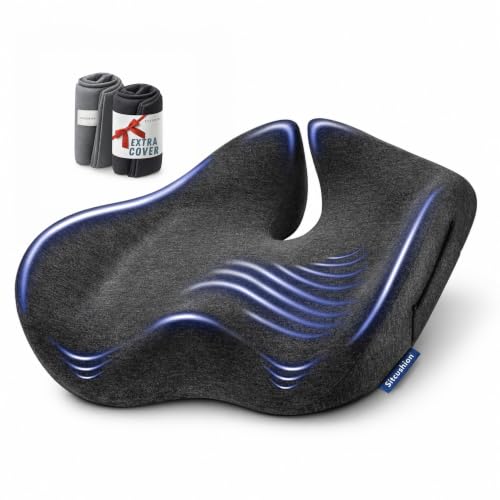
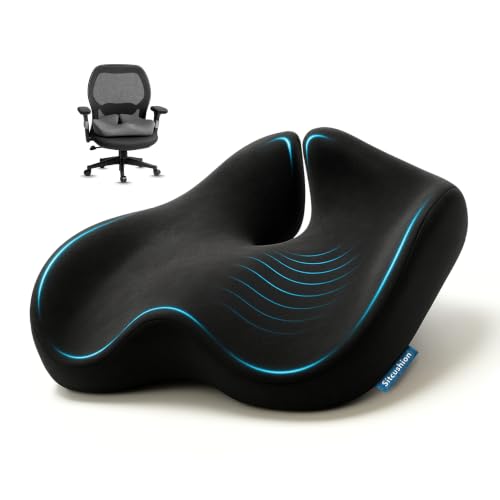


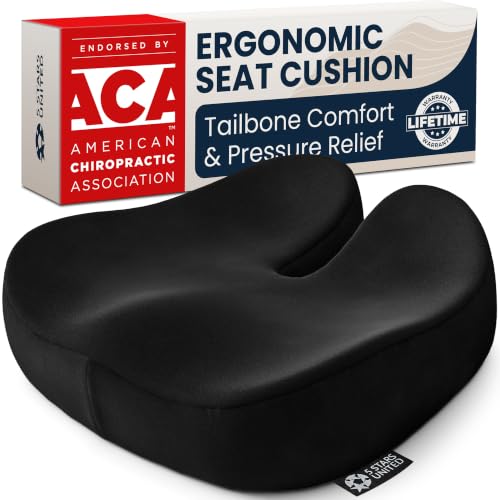
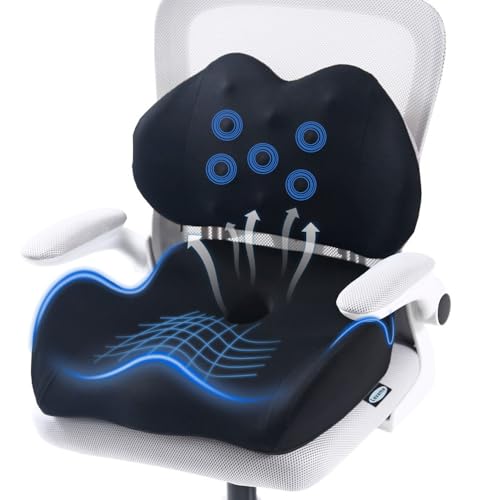
How to Choose by Budget Without Guessing
Instead of chasing a single top pick, use your budget to decide which one feature matters most for your pain pattern. The guidance below gives you a practical way to judge every option in the product table above.
If You Can Spend Only a Little
Put nearly all of the money into shape and foam density rather than extras. A contoured seat with a rear cutout for the tailbone and firm foam that does not flatten under your weight will help more than a thin pad with a fancy cover. Skip cooling layers and decorative stitching at this level, and check the return policy, since a budget cushion that bottoms out within a month is no bargain at all.
If You Can Spend in the Middle Range
Midrange money should buy you denser foam, a washable cover, and a base that stays put on your chair. This is also the tier where a trial period at home becomes realistic to expect, so you can judge comfort across full workdays rather than a quick sit. If your pain centers low, compare options in our guide to the best chair cushions for lower back pain before you decide.
If You Can Spend at the Top End
Premium money should buy durability and refined shaping, not just a thicker pad. Look for foam that holds its loft for years, a cover that breathes and washes well, and edges that stay supportive when you shift or lean.
What Your Money Gets You at Each Price Tier
The three tiers below describe what shoppers typically find on Amazon in the United States. Prices shift with sales, so treat the ranges as guides. When you compare the best chair cushions for back pain, judge each one by its materials and dimensions rather than its label.
Budget Tier: What to Expect
Budget cushions usually cost around $20 to $35. Most use a single layer of medium density foam or molded foam with a simple polyester cover. You can still get a useful tailbone cutout and a contoured top at this price, which is enough for shorter sitting sessions and for trying the concept. The tradeoff is lifespan, since softer foam compresses permanently sooner, and covers may lack a grip base or a zipper for washing.
Midrange Tier: Where Most Buyers Land
Midrange cushions usually cost about $35 to $65. This tier commonly adds higher density memory foam or a layered build, a removable cover you can machine wash, and a rubber dotted base that resists sliding. Shaping is often more precise, with a gentle rise under the thighs and a deeper rear cutout. For people who sit six or more hours a day, this tier often balances pressure relief, durability, and price better than the extremes.
Premium Tier: When Spending More Pays Off
Premium cushions often cost about $65 to $120 or more. Expect advanced materials such as latex or carefully tuned memory foam blends, firmer edge support, and covers made from breathable mesh or certified fabrics. Spending here pays off mainly when you sit all day, weigh more and need foam that resists flattening, or have already worn out a cheaper cushion and know the shape that suits you.
Features Worth Paying For and Ones to Skip
Price alone does not tell you whether a cushion will help. The four areas below explain where extra dollars change how a cushion feels and lasts, and where they mostly buy decoration.
Cooling and Breathability
Foam holds body heat, so a warm seat can make a long day feel longer. Gel infused memory foam, open cell foam, and mesh covers each move heat away in a different way, and the cover often matters as much as the foam. Gel layers tend to feel cool at first touch and then warm up, while open cell foam and mesh keep air moving for hours. Pay for cooling if you run warm, and skip it if your space stays cool.
Material and Fill
Memory foam molds to your shape and spreads pressure across the seat, which suits people whose pain flares at the sit bones. Latex feels springier, responds faster when you shift, and usually stays cooler, though it costs more and feels firmer at first. Foams certified by CertiPUR US meet standards for content and emissions, and covers certified by OEKO TEX are tested for harmful substances, both useful signs of care in materials.
Support, Pressure Relief, and Edge Support
Pressure relief is the core job here. A good cushion spreads load away from the tailbone and sit bones so you fidget less. Firmness should match your weight, since light sitters may float on a very firm pad while heavier sitters sink through a soft one. Stable edges keep your hips level, while soft edges let you slump sideways into a worse posture.
Features That Matter for Back Pain
Back pain changes what you should demand from a cushion. A rear cutout keeps direct pressure off the tailbone, a slight forward tilt of the pelvis from the contoured shape can reduce slouching, and enough thickness keeps your hips near knee height. Tell your clinician about your sitting pain and ask what posture support suits your condition. Seek medical care promptly for leg weakness, spreading numbness, loss of bladder or bowel control, pain after a fall, fever, or pain that keeps worsening, and never treat a cushion as a substitute for diagnosis.
Sizing, Fit, and Setup on Your Chair
Measure your chair seat before you order, since a cushion wider than the seat will curl at the edges and a narrow one can rock under you. Most seat cushions run about 17 to 19 inches wide and 13 to 16 inches deep. Thickness matters just as much, because adding 2 to 4 inches of height raises your eye line, your desk reach, and your foot position all at once.
After adding a cushion, check that your feet rest flat, your knees sit near hip level, and your arms still meet the desk without shrugging. You may need to adjust the chair or add a footrest. Place the cutout at the back, centered under your tailbone, and sit back fully so your weight lands on the contoured part.
Sometimes the cushion is fine and the chair is the real problem, with a seat that tilts you backward or a backrest that pushes your shoulders forward. If a new cushion helps only a little, read our guide to the best desk chairs for back pain to see what a supportive chair adds. Shoppers comparing whole chairs rather than pads can also see our guide to the best chairs for lower back pain for the bigger picture.
Common Mistakes to Avoid
- Buying the thickest cushion for a low desk, so your thighs press against the desktop and your shoulders rise all day.
- Choosing foam that is far too soft for your weight, so you sink through it and sit on the hard chair within an hour.
- Placing the cushion backward with the tailbone cutout at the front, which removes the pressure relief you paid for.
- Judging comfort in the first five minutes, when most foam needs a week of daily use before you can judge it fairly.
- Stacking a seat cushion on a sagging chair seat, so the pad follows the sag and your hips stay uneven.
- Ignoring the return window and keeping a cushion that increases your pain, when an exchange could have solved the problem.
Care, Replacement, and Long Term Costs
Most foam cores should never go in the washer, since water breaks foam down and it dries very slowly. Wash the removable cover on a gentle cycle and air dry it, and spot clean the foam with a damp cloth. Keep the cushion out of strong sun, since heat and light age foam faster than daily use does.
Plan the true cost beyond the sticker price. A budget cushion replaced every year can cost more over three years than one midrange cushion that lasts. Replacement covers and a footrest are common extra costs, while a longer warranty can offset them. For a broader look at pad styles, see our guide to the best cushions for back pain and compare what each type supports.
Frequently Asked Questions
What features matter most in a chair cushion for back pain?
The features that matter most are a tailbone cutout, foam firm enough to hold your weight without flattening, and a shape that keeps your hips level. Size fit for your chair comes next, since even excellent foam fails on the wrong seat. One point many shoppers miss is the trial period at home, because foam feel changes across a full week of workdays, so a generous return window protects your purchase.
Are cooling chair cushions worth the extra cost for people who run warm?
Cooling chair cushions are worth it if heat makes you shift, sweat, or cut your sitting sessions short. A mesh cover alone solves the problem for many people at low cost. Gel layers add a cool first feel but limited all day benefit, so spend on open cell foam or a breathable cover first. In a cool room with short sessions, a standard cover usually feels fine and the upgrade money serves you better in foam quality.
What firmness of chair cushion is best for back pain?
Medium firm foam suits most people with back pain, since it supports the hips without creating new pressure points. Heavier sitters usually need firmer or denser foam, while lighter sitters often find firm pads harsh under the sit bones. Your chair matters too, because a soft cushion on a soft chair seat can leave you sinking, while the same cushion on a hard wooden seat can feel balanced.
How do I wash a chair cushion safely?
Wash only the removable cover, following its label, and keep the foam core out of the washer and dryer. If the foam smells stale, sprinkle baking soda on it, leave it for a few hours in moving air, and brush the powder off before use. Cushions without a removable cover are harder to keep fresh, which is one more reason a zippered washable cover is worth paying for at purchase time.
Is a higher thread count always better for a chair cushion cover?
A higher thread count is not always better for a cushion cover. Thread count describes how tightly the fabric is woven, and very high counts can trap heat and feel slick on a chair seat. A breathable weave, a sturdy zipper, and a grippy base matter far more for daily use. If you sit for long gaming sessions, durability and airflow count most, a point also covered in our guide to the best gaming chair for back pain.
Final Thoughts
Spend first on fit, foam that matches your weight, and a cutout that unloads your tailbone, then add cooling or premium covers only if your day demands them. Use the product table above to compare tiers side by side, and give any new cushion a full week before you judge it. Chosen well, the best chair cushions for back pain turn the chair you already own into a seat your back can live with for full days of work.


