
Best Chair Cushions for Lower Back Pain of 2026: Complete Buying Guide
Disclosure: We may earn a commission when you buy through links on this page, at no extra cost to you. As an Amazon Associate I earn from qualifying purchases. Learn more

Shape, fill, firmness and size explained to help you choose the best chair cushions for lower back pain for your chair and sitting routine.
When you shop for best chair cushions for lower back pain, the goal is simple: find a cushion that supports a natural sitting posture without making you perch, slide, or sink. A good cushion fills the gap behind your lower back, keeps your hips level, and lets your feet rest flat on the floor. The comparison table below shows the main cushion types side by side so you can compare shapes and fills before you read the detail.
This guide explains what actually changes comfort during a long sitting day, from contour shape and fill to cover care and replacement timing. It stays focused on fit and comfort only, and it never promises treatment or relief from any condition. If pain persists, gets worse, or comes with numbness or weakness, talk with a doctor about your own needs.


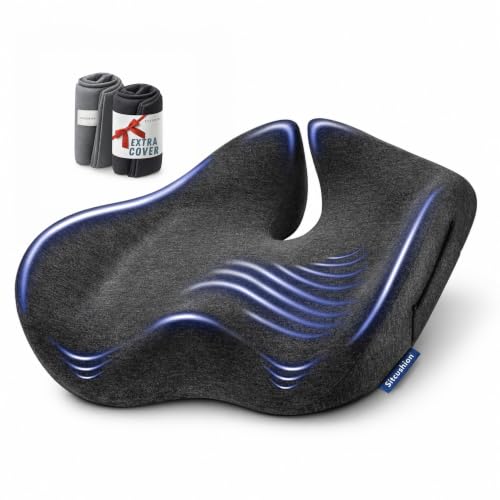
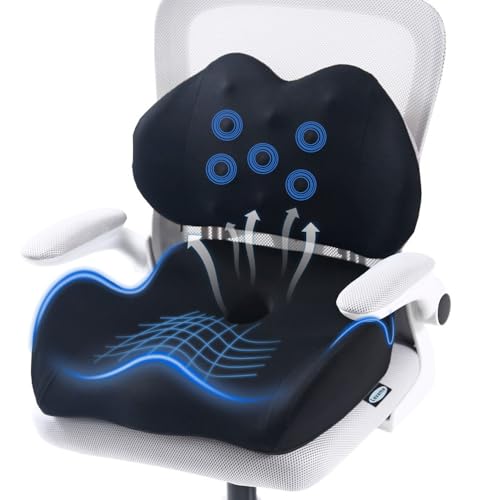


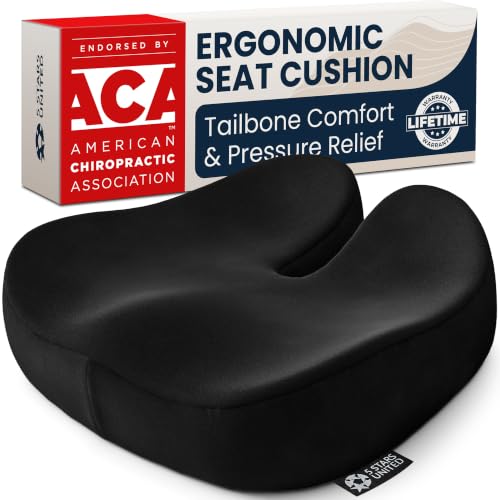
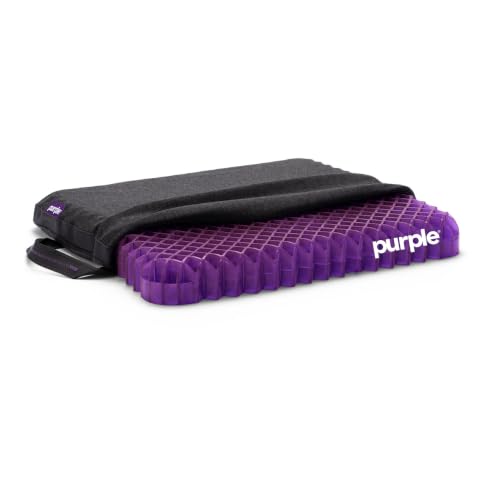
Spending Levels Instead of Shortlists
Rather than naming a few winning products, this section describes what each spending level usually buys, so you can match your budget to your sitting routine. Prices below are approximate, and the same cushion shape can feel very different on a hard dining chair than on a soft office chair.
Everyday Comfort Level
At about $20 to $40, you will usually find simple flat or lightly contoured foam pads with removable covers. These suit short sitting sessions, spare chairs, and readers who want a little extra padding without changing their posture much. Check that the pad stays put, that the cover washes well, and that the foam springs back after you stand up.
Support Focused Level
At about $40 to $80, contoured shapes become common, with a raised lower edge, a cutout at the back, or a wedge slope that tilts the hips slightly forward. If your chair itself is part of the problem, see our guide to best chairs for lower back pain before choosing a cushion shape. This level suits desk workers and drivers who sit for several hours and want steadier lumbar contact. Look for a shape that matches your chair back, straps or a grippy base that stops sliding, and a cover you can remove and wash.
Full Day Seating Level
At about $80 to $150, you will usually find denser foam, layered fills, gel topped surfaces, and covers made for daily use. This level suits people who sit most of the day and want a cushion that holds its shape for months rather than weeks. Pay attention to foam density, cover durability, and the return terms, since a premium price does not guarantee a good fit for your chair or your body.
How to Choose the Best Chair Cushions: Buying Guide
Readers comparing related seating may also like our guide to best desk chairs for lower back pain for chair level choices. Read each factor with your own chair in mind, because seat depth, back shape, and your height change what works.
Features That Matter for Lower Back Comfort
Lower back comfort during sitting depends mainly on three things: steady contact behind the lower back, hips kept level or slightly above the knees, and a seat that does not force you to slouch. A contoured back section, a wedge slope, or a coccyx cutout can each help, but only if the shape lines up with your own back curve. Sit with your back against the chair, feet flat, and shoulders relaxed, then notice whether the cushion fills the gap without pushing you forward. If pain persists, gets worse, or comes with numbness or weakness, talk with a doctor rather than trying a firmer cushion alone.
Material and Fill
Memory foam molds to your shape and gives slow, even support, while latex foam feels springier and holds its shape well. Gel topped pads add a cooler surface, and fiber filled pads feel soft at first but often flatten faster under daily weight. What matters is the core fill and the outer cover. A denser foam core usually lasts longer, while a soft fiber top layer suits short sessions better than full day sitting.
Certifications
Labels such as CertiPUR US and OEKO TEX describe chemical safety testing for foam and textiles, and they can help you compare makers on a like for like basis. They do not measure comfort, support, or durability, so treat them as one background check among many. A certified foam can still feel too soft or too firm for you, and an uncertified pad can still suit a spare chair. Use the label to narrow choices, then judge fit by shape, density, and your own sitting test.
Firmness and Seated Posture
Firmness is best judged by posture, not by pressing the cushion with your hand. A cushion that is too soft lets your hips sink and your lower back round, while one that is too firm can press on the sitting bones and make you shift often. Your body weight, seat depth, and chair back angle all change the feel, so the same firmness rating can suit one person and not another. Try the cushion in your usual chair for at least a few full sitting sessions before deciding, and check whether you still sit upright without effort at the end of the day.
Cooling and Breathability
Gel layers, open cell foam, and breathable mesh covers can help a cushion feel cooler during warm days or long sessions. Ventilation channels and a cover that lets air pass through matter more than any single cooling claim, and a thick waterproof cover can trap heat even on a gel pad. If you often feel warm while sitting, favor a breathable cover and a thinner profile over a heavy sealed design. Cover weave and wash durability are the useful comparisons here.
Size and Fit
Measure your chair seat from front to back and side to side, then compare those numbers with the cushion size before ordering. A pad that hangs over the front edge can press behind your knees, while one that is too narrow leaves your hips unsupported at the sides. Also check back height: a tall back cushion suits a high office chair, while a short lumbar roll suits a low dining chair better.
Movement and Noise
A chair cushion has one movement test: does the pad slide, bunch, or squeak when you move? Straps, a grippy base, and a snug cover all help a cushion stay in place. A pad that shifts every time you move will change your posture without you noticing, so test it with normal movements such as reaching, turning, and standing.
Types of Chair Cushions
Each type below suits a different sitting routine, and the product table above lets you compare them at a glance. For a broader look at padding choices, see our guide to best cushions for lower back pain alongside the types here.
Hybrid Foam
Hybrid pads layer two fills, often a firm base with a softer top, to balance support and comfort. They suit desk workers who want steady lumbar contact without a hard feel, and they usually hold their shape longer than a single soft layer. The trade off is thickness, so check that the added height still lets your feet rest flat.
Latex Foam
Latex foam feels lively and springy, returns to shape quickly, and resists flattening under daily use. It suits people who shift position often and dislike the slow sink of memory foam. It can feel firmer than expected at first, so give it a few days of normal sitting before judging it.
Fiber Filled
Fiber filled pads, including down and down alternative fills, feel plush and light and suit short sessions or decorative chairs. They compress under sustained weight, so they are a weaker choice for full day desk sitting or for anyone who needs steady lumbar contact. They are easy to fluff up again, but frequent refluffing is a sign the fill is not holding up.
Cover Fabrics
Linen look covers feel airy and casual, while tight weave polyester and cotton blends resist stains and wash more easily. The cover affects grip, cooling, and cleaning far more than it affects support, so choose it for your routine: pets and snacks favor a washable cover, while a warm room favors a breathable weave. Always check whether the cover removes fully or only spot cleans.
Setup and Care Tips
Good care keeps a cushion supportive for longer, and most of it takes only a few minutes.
- Rotate or flip the cushion every few weeks so one edge does not wear faster than the rest.
- Wash the cover as the maker directs, usually in warm water, and let it air dry fully before use.
- Use a washable cover or protector on chairs used daily, especially where food or pets are nearby.
- Fluff and air out fiber filled pads regularly, and replace any pad that stays flat after fluffing.
- Check straps and grippy bases now and then, since a sliding cushion quietly changes your posture.
- Keep the cushion dry and out of strong direct sun, which can age foam and fade covers.
Frequently Asked Questions
What features matter most in chair cushions for lower back pain?
Shape, firmness, and fit matter most, ahead of brand or cover color. A contour that matches your lower back curve, a firmness that keeps your hips level, and a size that fits your chair seat will change comfort more than any extra feature. Start by measuring your chair, then compare contoured and wedge shapes in your usual sitting position.
Are cooling chair cushions worth it if I run warm?
Judge cooling by how warm you feel during a long sitting session. Gel tops and breathable covers help when a room is warm or when you sit for hours, but they will not fix a cushion that fits badly. If heat is only a minor issue, spend your budget on shape and firmness first.
How do I wash chair cushions safely?
Remove the cover if it unzips, and wash it exactly as the care label directs, usually in warm water on a gentle cycle. Let the cover air dry fully before putting it back, since a damp cover can smell and can damage foam over time. Spot clean foam cores with a lightly damp cloth and mild soap, and never soak foam or put it in a dryer.
How often should I replace my chair cushion?
Most daily use cushions last about one to two years before the foam loses its spring, while spare chair pads can last longer. Replace a cushion when it stays flat after fluffing, when you sink noticeably lower than before, or when you start shifting often to stay comfortable. Heavier daily use, heat, and moisture all shorten life, so a cushion used for full workdays ages faster than one used for weekend meals.
What firmness is best for back pain?
There is no single firmness that suits every back, because body weight, chair shape, and sitting time all change the feel. A medium firm pad suits most sitters, since it supports the hips without pressing hard on the sitting bones. Softer pads suit short sessions and lighter sitters, while firmer pads suit heavier sitters and longer days. Judge firmness by your posture after an hour of sitting, not by a quick press in a shop.
Should I choose a lumbar roll or a seat cushion?
It depends on where you feel the strain. A seat cushion lifts and levels the hips, while a lumbar roll fills the gap behind your lower back, and some chairs need both. Start with the chair: if the backrest already supports your lower back, a seat cushion is usually enough, and if you slouch away from the backrest, a roll or contoured back section helps more. Check foam density and shape before cover details.
The Bottom Line
The best choice comes down to three checks: a shape that matches your lower back, a firmness that keeps your hips level through a full sitting session, and a size that fits your chair without sliding. Use the product table above to compare types, then test your shortlist in your own chair before settling. Remember that a cushion supports comfort only; it does not treat any condition, so talk with a doctor if pain persists, gets worse, or comes with numbness or weakness. With the right fit, a best chair cushions for lower back pain choice can make long sitting days noticeably easier to get through.


