Best Accent Chairs for Back Pain in 2026: Buying Guide and Top Options
Disclosure: We may earn a commission when you buy through links on this page, at no extra cost to you. As an Amazon Associate I earn from qualifying purchases. Learn more

A practical guide to the best accent chair for back pain: sizes, features, budget ranges, and mistakes to avoid before you buy.
Most accent chairs are chosen for how they look in a corner of the room, and that is exactly how a sore back starts. A chair that is too deep, too soft, or too low makes you slouch and push yourself up with your arms every time you stand. If your back aches after an hour of reading, the best accent chair for back pain holds your lower back in its natural curve and lets your feet rest flat on the floor. The comparison table below sums up what matters most.

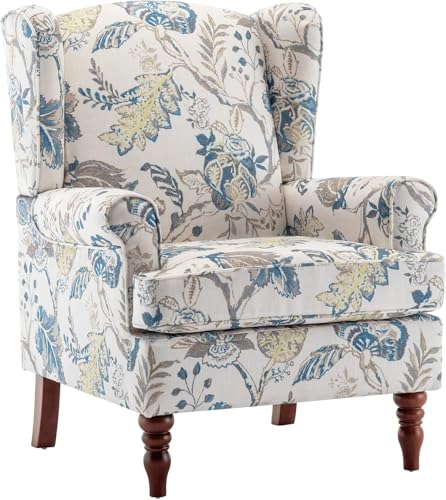

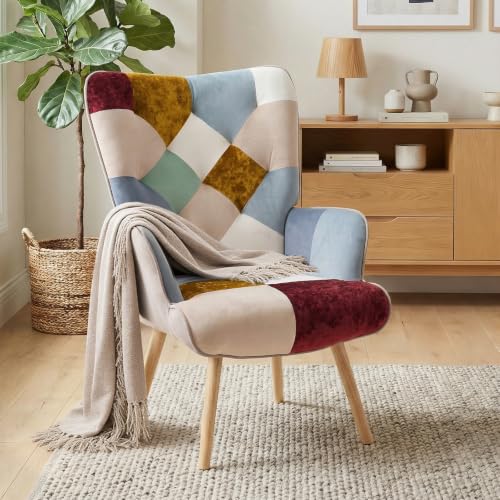
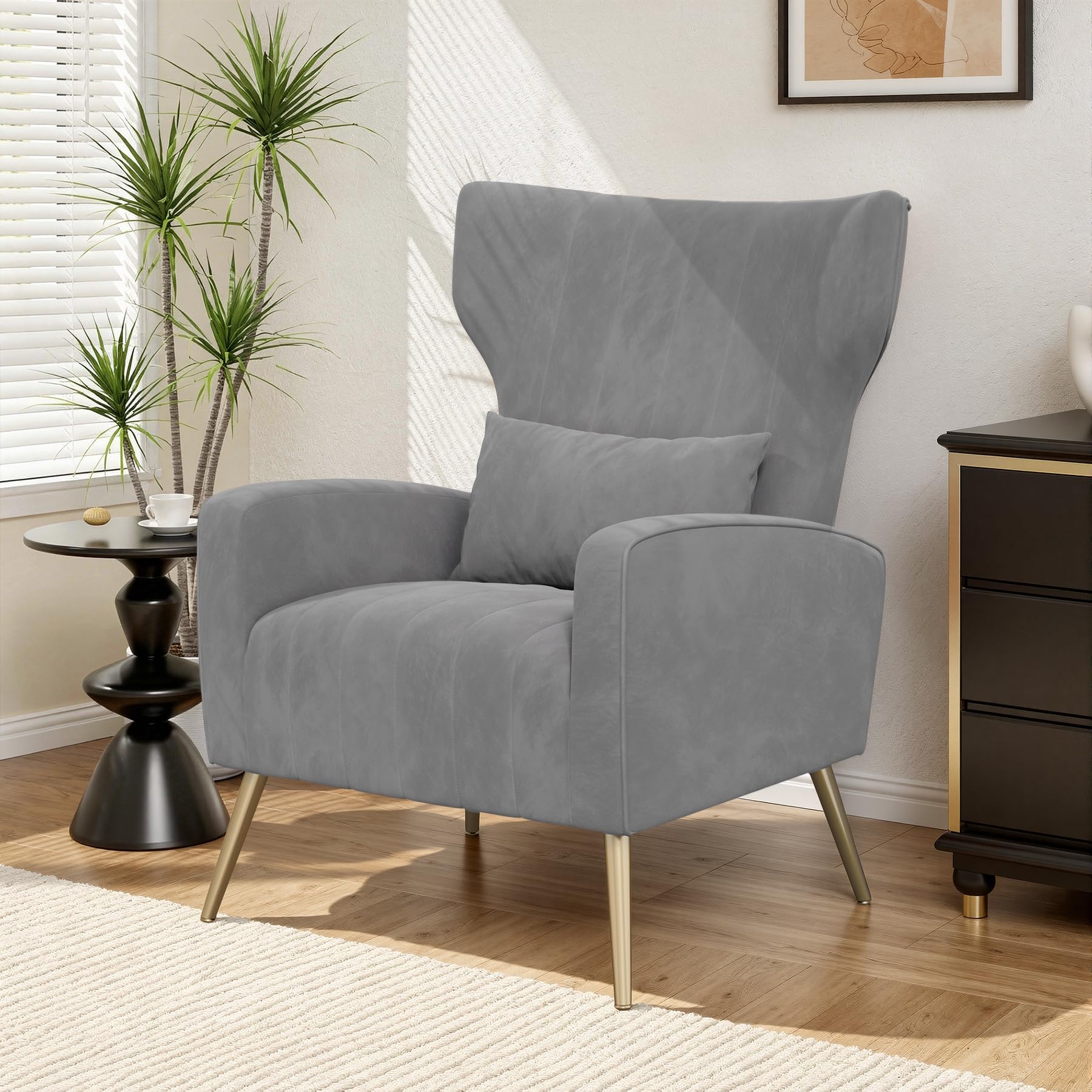
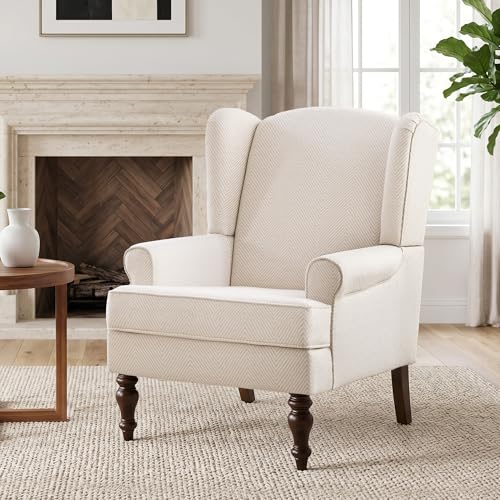

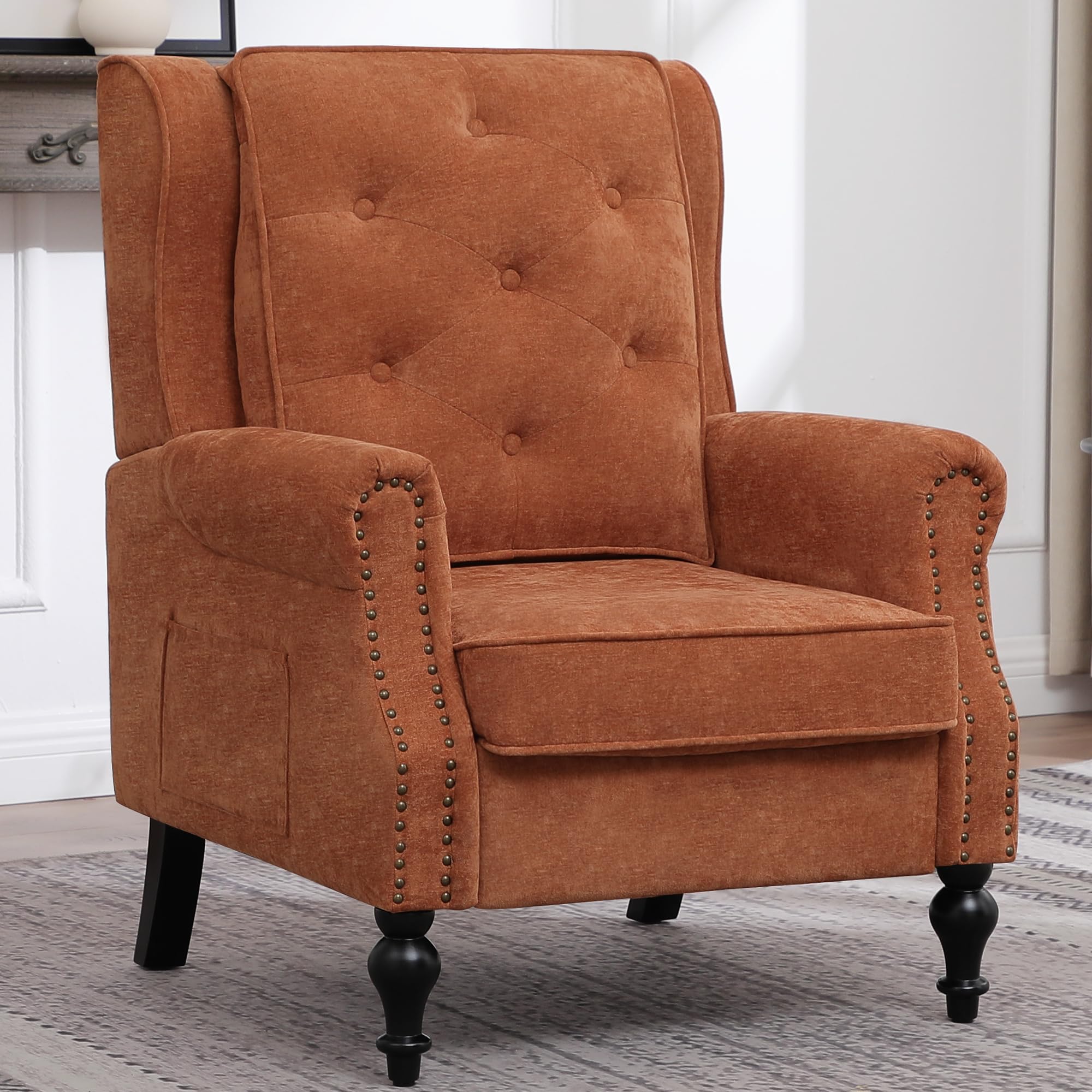


What Matters Most in an Accent Chair for Back Pain
Your spine has a gentle inward curve at the lower back, and good support means the chair preserves that curve instead of flattening it. When the seat is too deep, you slide forward and the backrest stops touching your lower back. When the cushion is too soft, your hips sink below your knees and your pelvis rolls back, loading the discs and tiring the muscles that hold you upright.
Three needs drive every choice in this guide. First, the backrest must meet your lumbar area with firm contact, through its own shape or a small cushion placed where you need it. Second, seat height and depth must match your leg length, so your feet stay flat and the seat edge does not press behind your knees. Third, the chair must be easy to leave, with supportive arms that let your legs do the work of standing.
One caution belongs here. A chair can improve comfort during sitting, but it cannot treat a back condition. See a doctor promptly if your pain follows a fall or accident, if you have numbness or growing weakness in a leg, if you lose bladder or bowel control, or if pain comes with fever or weight loss. For ongoing pain, talk with your clinician about your needs.
Who Should Buy Which Accent Chair for Back Pain?
Readers and TV Watchers Who Sit for an Hour or More
You need a chair that supports a slightly reclined posture without letting you slide into a slouch. Look for a tall backrest that reaches your shoulder blades, a seat depth you can fill with your back against the rest, and a firm cushion that does not bottom out during a long film. A contoured backrest matters more than plush surface padding, because contact at the lower back keeps your posture steady. Our broader guide to the best accent chair covers general styles once you know your support needs.
People Who Find Standing Up Hard on the Back
If rising from a soft, low seat makes your back complain, seat height is your deciding factor. Choose a chair with a seat around 18 to 20 inches from the floor, firm front edge support, and strong arms you can push against without wobble. Avoid deep lounge shapes and low slung frames, since they force your trunk to fold far forward before your legs can lift you.
People With Upper Back and Neck Tension
Your problem often starts lower down. When the seat lets your pelvis roll back, your upper back rounds and your head drifts forward, and the neck pays for it. A chair with real lumbar contact fixes the base of that chain. You also benefit from a backrest tall enough to lean your head against, and arms that let your shoulders drop instead of hunching.
Chair Types Compared for Back Support
Wingback chairs give you a tall, upright backrest and side wings that discourage sideways slouching, so they suit readers who sit up rather than sprawl. Barrel chairs wrap the back in a curve, but many have a low backrest and a deep seat, so shorter sitters often need an added cushion to reach the lower back. Swivel chairs help you turn toward a conversation without twisting your spine, and our guide to the best swivel accent chair explains base styles.
Reclining accent chairs spread your weight across the backrest and reduce pressure on the lower discs when you lean back at a modest angle, around 100 to 110 degrees from the seat. The trade off is size, since recliners need wall clearance. Our explainer on accent chair vs armchair compares footprint, arms, and back height across both formats.
Key Features to Compare
Backrest Shape and Lumbar Support
The backrest should curve inward slightly at waist height, or come with a small firm pillow you can place in the curve of your lower back. Study the side profile photos online, because a flat backrest leaves a gap exactly where support matters. Some chairs offer a lumbar pad that moves up or down a few inches, which helps when two people of different heights share the chair. Your lumbar curve sits just above your belt line, so place the cushion there, not lower.
Seat Depth and Seat Height
Seat depth decides whether the backrest can do its job. Sit fully back and check for a gap of about two to three finger widths between the seat edge and the back of your calf. If the seat is too deep, you perch on the edge with no back contact, or slide into a slouch. Seat height decides whether your feet rest flat with knees level with or slightly below your hips. Most adults land between 17 and 20 inches.
Cushion Firmness and Foam Quality
A supportive seat feels firm at first and softens only slightly as you settle. Check listings for foam density figures where brands publish them, because thin low density foam compresses within months and turns a supportive chair into a hammock for your hips. A layered build, with a firm base foam under a thinner comfort layer, usually holds its shape longest.
Armrests and Recline Angle
Arms are working parts of a back friendly chair, not decoration. They should sit high enough that your forearms rest with your shoulders relaxed, and they must feel solid when you push down to stand, so check that they do not flex or creak under load. Padded arm tops are kinder to elbows. A backrest fixed bolt upright at 90 degrees tires your muscles during a long read, while a gentle recline of about 100 to 110 degrees lets the chair carry more of your trunk weight.
Adjustability That Actually Helps
Few accent chairs adjust like office chairs, so judge the options that exist on whether they change support in a real way. A movable lumbar pillow, a headrest that tilts, a recline with more than one locked position, and an ottoman placed at your own distance all count. A footrest lets you raise your feet and shift pressure off your lower back, and our notes on best accent chair for living room layouts cover spacing for that.
How to Choose the Right Size and Budget
Measure yourself before you measure the chair. Sit on a hard dining chair and find the height where your feet rest flat and your knees sit level with your hips. That is your target seat height. Next, measure from the back of your calf to the back of your thigh while seated, then subtract about two inches for your maximum seat depth. Reject any chair that misses either number by more than an inch.
Weight capacity belongs in the same check, because a frame and foam rated well above your weight hold their shape far longer. Most sturdy chairs are rated for about 250 to 300 pounds, and heavier sitters should look above that range.
On price, expect to pay about $100 to $250 for a basic upholstered chair with a simple fixed back, where foam quality needs extra care. About $250 to $500 is where firmer layered cushions, stronger frames, and shaped backrests become common. Above about $500 you pay for finer upholstery and recline mechanisms, and our guide to the best leather accent chair shows what that tier buys. Price alone does not prove support.
Common Mistakes to Avoid
- Choosing by looks alone: a sculptural chair that leaves a gap behind your lower back will ache within the first hour.
- Buying a seat that is too deep: you end up on the edge with no back contact, or sliding into a slouch.
- Picking the softest cushion in the store: plush foam feels kind for five minutes, then sinks so your hips drop below your knees.
- Ignoring arm strength: wobbly arms cannot help you stand, so you twist and haul with your back instead of pushing through your legs.
- Sitting in one posture for hours: even a well fitted chair cannot offset a motionless afternoon, so stand and walk often.
- Skipping the return terms: back comfort shows itself only after several real sits at home, so buy where returns are allowed.
How to Make Your Accent Chair Last Longer
Rotate and flip the seat cushion weekly if the design allows it, since foam that always carries weight in one spot develops a permanent dip where your hips sit, and that dip quietly removes the support you bought the chair for. Vacuum upholstery with a soft brush attachment, blot spills at once, and keep the chair out of direct sun, which fades fabric and dries leather.
Check the legs and frame joints every few months and tighten any loose bolts, because a chair that shifts under you makes your back muscles work to stabilize every sit. Work a swivel or recline mechanism gently through its full range now and then, and replace a lumbar pillow once it stays flat.
FAQ
Can an accent chair really help with everyday back ache?
It can reduce the strain that poor sitting posture adds during your day, because firm lumbar contact and a seat that fits your legs keep your spine closer to its natural curves while you read. It will not fix pain from an injury, a disc problem, or a medical condition, and new or worsening symptoms need a clinician, not new furniture. Treat the chair as one part of a routine that also includes standing breaks.
Is a firmer or softer accent chair better for back pain?
Most people with an aching back do better with a seat that feels firm and supportive rather than deep and plush, since soft foam lets the pelvis sink and roll. Judge comfort after twenty minutes, not twenty seconds. A chair that feels slightly firm in a quick test sit often feels best at the end of a film, while the soft one is already letting you slouch.
Should I add a lumbar pillow to an accent chair I already own?
Often yes, and it is the cheapest support upgrade you can try. Choose a small firm pillow, place it so it fills the curve just above your belt line, and secure it so it does not slide down behind you. If you keep readjusting it, the seat is likely too deep for you, and a thinner seat cushion will work better than a bigger pillow.
Does sitting with an ottoman help or hurt your back?
An ottoman helps when it raises your feet just enough to ease pressure and let you shift posture for a while, and it hurts when it is so high or so close that your knees lock straight and your lower back rounds. Keep it a little lower than the seat, far enough away that your knees keep a soft bend, and return to feet flat from time to time.
What seat height suits shorter or taller readers with back pain?
Shorter readers often need a seat closer to 16 or 17 inches so their feet reach the floor without dangling, since dangling feet pull the pelvis forward and strain the lower back. Taller readers usually need 19 to 21 inches so their knees do not rise far above their hips. If you fall between stock sizes, a firm footstool or a thinner cushion can close the gap.
Final Thoughts
The right chair fits your measurements, holds your lower back in contact with the backrest, and lets you stand without a struggle, and those checks take minutes once you know your numbers. Compare the types and features in the product table above against your seat height and depth targets, and let fit rule style. Chosen that way, the best accent chair for back pain earns its place twice over, as furniture you enjoy looking at and as the seat your back asks for at the end of the day.