Best Chainsaws for Milling in 2026: Types Compared and Buying Guide
Disclosure: We may earn a commission when you buy through links on this page, at no extra cost to you. As an Amazon Associate I earn from qualifying purchases. Learn more
Choose the best chainsaw for milling by matching engine size, bar length and chain to your logs. Compare gas and battery saws and setup needs.
Milling lumber with a chainsaw asks far more of a saw than felling or firewood work does. A milling cut runs the full length of a log at full throttle for minutes at a time, and a saw that feels strong on short cuts can bog down, overheat, or wear its bar out fast under that steady load. Choosing the best chainsaw for milling comes down to engine size, bar length, chain type, and how well the saw pairs with a portable mill guide. The product table below lines up the main types side by side so you can match a saw to the logs you plan to cut.
This guide walks through the types of saws used for milling, the features that matter under a long rip cut, and the setup and care habits that keep a milling saw alive. If you are still weighing a general purpose saw against a dedicated setup, our guide to the best chainsaw covers the broader field first.

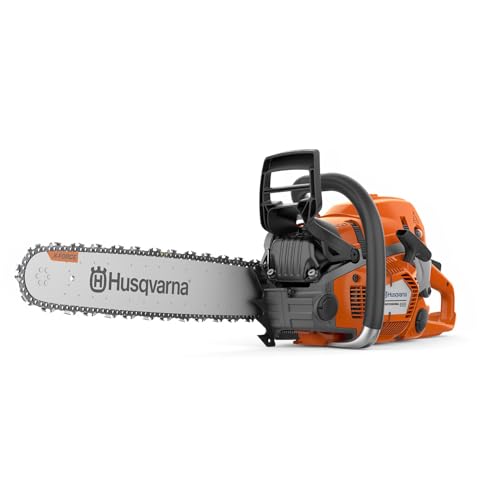
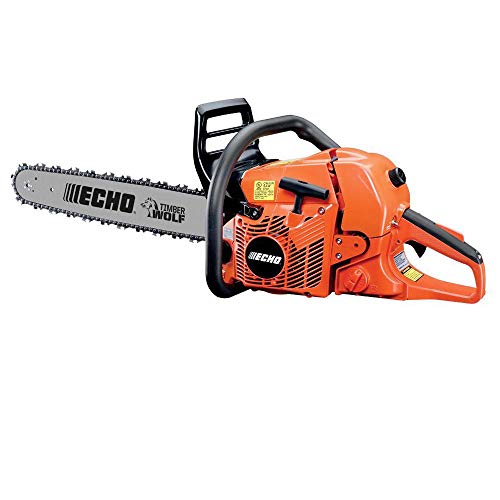
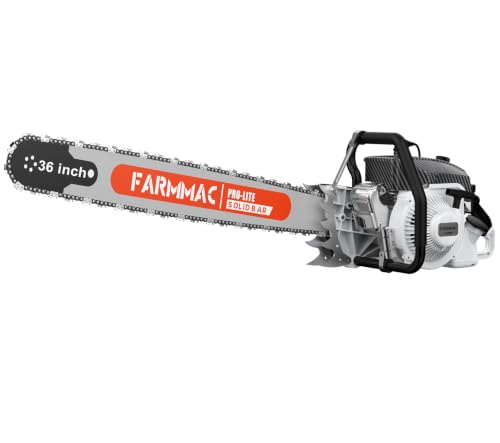
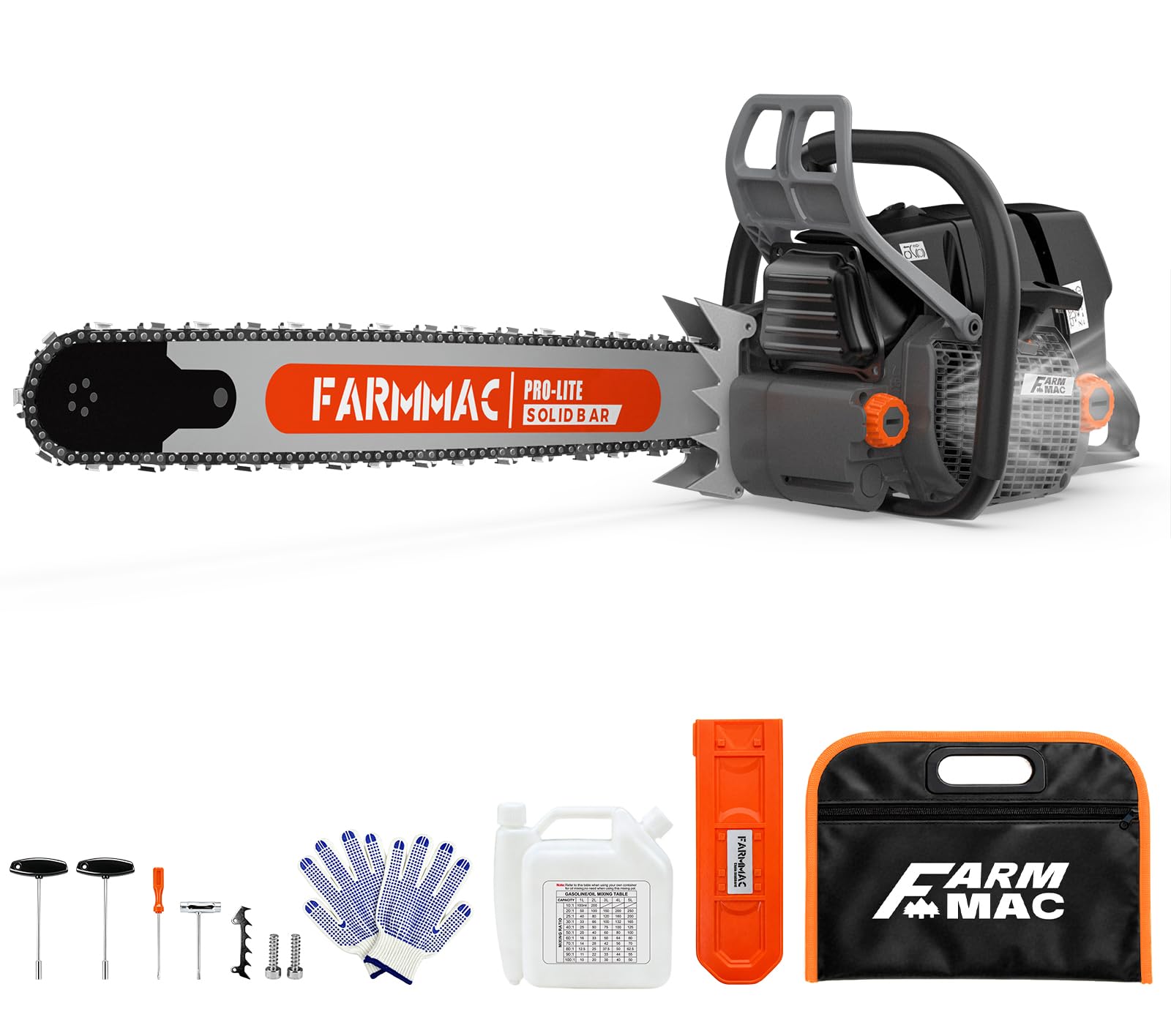


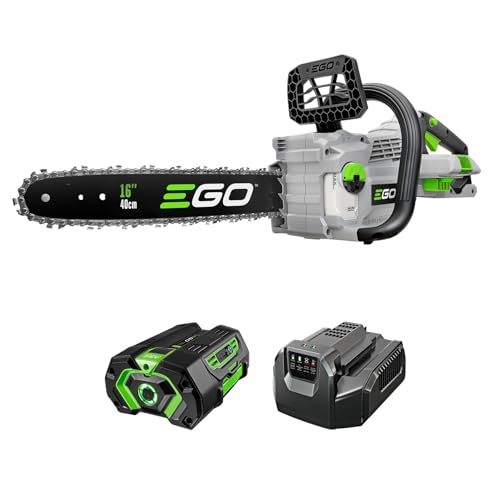
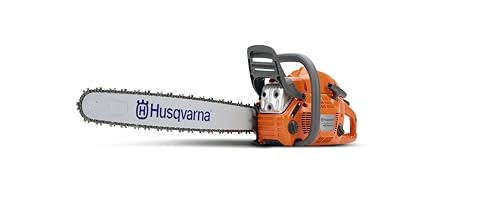
Saw Types Used for Milling
Instead of ranking individual models, it helps to compare the broad types of saws people mill with, since each type suits a different log size and budget. Gas saws remain the default choice for serious milling. Corded electric saws can handle short, small diameter work near an outlet. Battery saws sit between the two, though runtime limits them to lighter jobs.
Gas saws for milling
A gas saw in the 50 to 90 cc range is the workhorse of chainsaw milling. The larger engines hold chain speed through wide hardwood cuts, the fuel tank lets you refill and keep working, and the heavier build tolerates the side load a mill guide puts on the bar. The trade offs are noise, exhaust, and more upkeep, including fuel mixing and air filter cleaning. For logs wider than about 20 inches, a gas saw is realistically the only type that finishes the job without straining.
Battery and electric saws for small logs
Battery and corded electric saws can mill narrow boards from small logs and softwood rounds, and they start instantly with far less noise. Their limits show up quickly, though. Most top out at shorter bars, their motors cut power when the load spikes, and a battery pack drains fast under a long rip cut. If your milling plans stay small, our roundup of the best battery chainsaw explains what the strongest cordless models can handle. Treat them as a light duty option, not a substitute for a big gas saw on wide slabs.
How to Choose the Right Chainsaw for Milling
Size and form factor
Bar length sets the widest slab you can cut. A portable mill guide clamps to the bar and loses a few inches of cutting width, so a 24 inch bar typically mills a log of about 20 inches across, and a 36 inch bar handles logs near 30 inches. Match the bar to your largest planned log, not your average one, since a log that is too wide cannot pass through the guide. Rear handle saws are the standard layout for milling because the guide frame mounts around them. Longer bars also need a bigger engine, so size the powerhead and bar as a pair.
Engine size and power
Displacement is the clearest guide to milling strength. Saws around 50 to 60 cc manage softwood and modest hardwood logs with a 20 to 24 inch bar. Engines of 60 to 80 cc pull longer bars through oak and other dense species without constant bogging. Above 80 cc sits the class built for wide slab work, where weight matters less because the mill frame supports the saw. An undersized engine does not just cut slowly. It runs hot, dulls the chain sooner, and wears the clutch.
Type of chain for milling
Milling cuts along the grain rather than across it, and that changes the chain you want. Ripping chain is ground at a shallow angle, around 10 degrees, which leaves a smoother board surface and pulls less aggressively than standard chain ground near 30 degrees. Standard chain will rip a log, but it tends to cut rougher and vibrate more. Chain pitch and gauge must match your bar and sprocket exactly, and a spare loop is worth keeping on hand, since a dull chain midway through a cut means stopping and swapping.
Features worth paying for
An adjustable high output oiler tops the list, because a long rip cut needs a steady flow of bar oil along the whole bar, and many owners set the oiler to its maximum or add an auxiliary oiler on the guide. A decompression valve makes big displacement saws far easier to start between passes. Side access chain tensioning speeds up adjustments in the field. Tool less covers and heated handles matter less for milling. Spend on oil delivery, cooling, and starting ease first.
Materials and build quality
Milling loads a saw far longer per cut than bucking firewood, so build quality shows up in longevity. Professional grade saws use metal crankcases, stronger crankshafts, and better air filtration that keeps fine sawdust out of the intake during long dusty passes. Consumer grade saws use more plastic and simpler filters, which suits occasional small logs but shortens service life under weekly milling. Check how the air filter seals and how easy it is to clean, since a clogged filter is the fastest route to a hot, weak running saw.
Mill guide compatibility and setup
Most home milling uses a rail style guide that clamps to the bar and rides on a flat first cut made with guide rails or a ladder laid on the log. Confirm the guide fits your bar length and that enough bar is exposed at both ends for the clamps. The first cut sets the reference surface for every board after it, so take time to level the rails and secure the log so it cannot roll. Wedges placed behind the cut keep the kerf open on long logs.
Care and off season storage
A milling saw works in clouds of fine dust, so blow out the cooling fins, clutch cover, and air filter after every session, and check the bar groove for packed sawdust that blocks oil flow. Our walkthrough of how to clean a chainsaw covers the full routine. For storage, drain the fuel or add stabilizer, clean and oil the chain, and store the saw somewhere dry with the bar cover on.
How much should you spend?
Budget for the saw, the mill guide, and ripping chain together, not the saw alone. Capable mid range gas saws for modest logs run about $300 to $500. Larger saws suited to wide hardwood commonly cost about $500 to $900, and the biggest professional models pass $1,000. Mill guides add about $100 to $300 depending on size. Spending under about $300 usually means a saw that can mill only small softwood logs.
What Matters Most in a Chainsaw for Milling
Torque under sustained load matters more than peak cutting speed. A saw that rips a clean slab in one steady pass beats a lighter saw that needs repeated stops to clear dust, cool down, and refuel or swap batteries. Bar oil delivery runs a close second, because a dry bar on a long cut overheats, stretches the chain, and can ruin both bar and board. If you mill a few boards a year from storm fallen trees, a mid size saw and a basic guide are plenty. If you slab wide hardwoods regularly, displacement and oiler capacity should drive the decision.
Brand support also plays a role, since milling saws need parts like clutches, sprockets, and bars over their life. The long running debate in our stihl vs husqvarna chainsaw comparison is worth reading if you are choosing between the two biggest saw makers, because a local dealer who stocks parts shortens every repair.
Common Mistakes to Avoid
- Buying by bar length alone. A long bar on a small engine leaves you with a saw that stalls in wide cuts and wears out early.
- Milling with a dull standard chain. Dull cutters force you to push the saw, which overheats the bar and leaves a wavy surface.
- Skipping the auxiliary oiler. On long bars the stock oiler may not reach the far end, and the tip runs dry mid cut.
- Letting the log sit unsecured. A log that shifts can pinch the bar and spoil the slab, so chock and strap it first.
- Running a hot saw without breaks. Back to back full length cuts build heat in the engine and clutch, shortening the life of both.
- Ignoring protective gear. Milling holds you close to the saw for long periods, so chaps, eye protection, and hearing protection are not optional.
FAQs
What is the best chainsaw for milling?
For most home milling, a gas saw of about 60 to 80 cc with a 24 to 28 inch bar offers the best balance of power, slab width, and cost. Smaller saws handle narrow softwood logs, while engines above 80 cc suit wide hardwood slabs. The right choice depends on the widest log you realistically plan to cut, so size the saw to that log rather than to an average day.
What should I look for in a chainsaw for milling?
Start with displacement, an adjustable high output oiler, and a bar length that exceeds your log width once the guide is mounted. Then check that ripping chain is available in the pitch and gauge your bar uses. A decompression valve and strong air filtration round out the list. If a saw lacks ripping chain options in its size, cross it off early, because chain choice shapes your board finish.
How long does a chainsaw last?
A well maintained professional grade saw can serve for many years of regular milling, while a consumer grade saw run hard at full throttle ages faster. Lifespan depends mostly on air filter care, correct fuel mix, and avoiding sustained overheating. Watch for signs like hard starting, weak power under load, or a slipping clutch, and have a dealer inspect the saw if those appear.
Is a chainsaw mill worth it?
It is worth it when you have logs you would otherwise burn or haul away, and when bought lumber in the sizes you want costs more than your time. A mill setup pays for itself fastest on wide slabs and unusual species that lumber yards price high. If you only need a few standard boards a year, buying finished lumber is usually simpler once guide and chain costs are counted.
How do you clean a chainsaw after milling?
Milling dust is finer than normal sawdust, so pay extra attention to the air filter, the cooling fins around the cylinder, and the oil holes in the bar. Brush and blow debris out after each session, wipe the bar groove clean with a thin tool, and check that oil still flows to the chain before the next cut. Fine dust packed into the fins acts like insulation and makes the engine run hotter on the next log.
What is the most reliable chainsaw brand for milling?
Reliability for milling comes less from the badge and more from the grade of the saw and the dealer support behind it. Professional lines from the major makers are built for sustained full throttle work and carry better parts availability. A broader look at choosing a saw in our chainsaw buying guide explains how the grades differ. Pick the brand your nearest dealer services well, since a saw waiting weeks for a clutch part mills nothing.
Final Thoughts
Milling your own lumber is slow, loud, and deeply satisfying work. Match displacement to your widest log, keep bar oil flowing, fit proper ripping chain, and the best chainsaw for milling for your yard will turn logs into boards for years. Check the product table above before you order, and confirm the mill guide, bar, and chain all fit the saw you settle on.