Best Chainsaws for Beginners in 2026: Types Compared and Buying Guide
Disclosure: We may earn a commission when you buy through links on this page, at no extra cost to you. As an Amazon Associate I earn from qualifying purchases. Learn more

The best chainsaw for beginners is light, easy to start and easy to control. Compare battery, corded and gas types by bar length, safety features and price.
Choosing your first saw can feel risky, because the wrong size or power source makes every cut harder to control. The best chainsaw for beginners is usually not the most powerful model, but the one you can start easily, hold steady, and stop quickly. This guide compares types by build materials and weather resistance, size and capacity, and assembly, so you can match a saw to your yard. Use the product table below to see the main options side by side.
Most new users need a saw for pruning, storm cleanup, and cutting firewood, not for felling large trees. If that sounds like your list, a shorter bar, lower weight, and clear safety features matter more than raw power. Readers who want a broader view first can start with our guide to the best chainsaw and then return here.




Chainsaw Types at a Glance
Chainsaws fall into a few clear groups, and each group suits a different kind of work. Mini saws handle pruning and small limbs, while standard rear handle saws handle general yard work. Pole saws reach high branches while you stay on the ground. Top handle saws are built for trained climbers in trees, so they are not a sensible starting point for a new user.
- Mini saws: very light pruning tools for small branches.
- Battery saws: quiet, simple starting, enough power for most yard tasks.
- Corded electric saws: steady power near the house, limited by cord length.
- Gas saws: the most power and freedom to roam, with more upkeep.
If your work is light pruning only, the options in our guide to the best mini chainsaw may be all you need.
Types Compared for Beginners
This section compares the three types a new user is most likely to consider. Your power source shapes starting, noise, and upkeep, so decide this first.
Battery Powered Saws for Light Yard Work
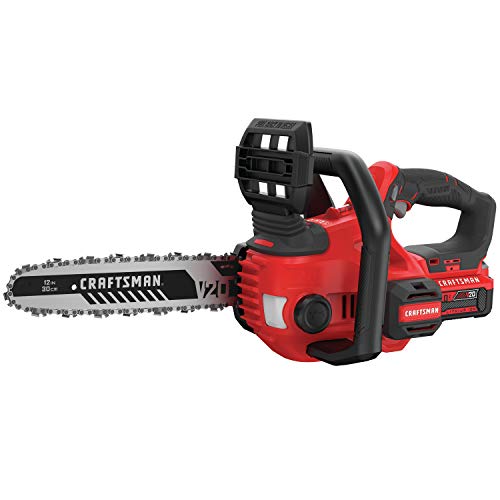
Battery models are often the easiest place to start because they start with a button, run more quietly than gas, and need no fuel mixing. A bar of 12 to 16 inches covers most pruning and small log work, and a battery shared with other garden tools can lower your total cost. Weight also stays manageable, which helps you keep both hands placed correctly. Our guide to the best battery chainsaw explains runtime and battery sizes in more depth.
Corded Electric Saws for Steady Power Near Home
A corded electric saw suits a small yard where every cut happens within reach of an outdoor outlet. It starts instantly, never needs charging, and asks for little upkeep beyond bar oil and chain care. The cord is the main limit, since it can snag on shrubs and sets a firm working radius. You also need a heavy duty outdoor extension cord rated for the saw, kept behind you.
Gas Saws for Larger Properties and Thicker Wood
Gas saws give you the most cutting power and let you work far from an outlet, which matters on a large lot or after a storm. That freedom comes with harder starting, more noise, exhaust fumes, and fuel and oil mixing before every session. A new user also has more upkeep to learn, from air filters to spark plugs. Choose gas only when your wood is regularly thick or your property is large, because extra power also means extra weight on every cut.
How to Choose the Right Chainsaw for Beginners
Let your actual cutting list, not the largest bar on the shelf, drive each choice below.
Size and Form Factor
Bar length should match the thickest wood you expect to cut, with a little room to spare. For pruning, fallen limbs, and small firewood, a bar of 12 to 16 inches is easier to control than one of 18 or 20 inches, and it weighs less. A rear handle layout gives a new user a secure two handed grip and better leverage on the ground. Shorter and lighter also means less arm fatigue, and tired arms weaken your grip and slow your reactions.
Power Source and Starting
Starting method shapes your first months with the saw more than peak power does. Battery and corded models start at once, so you can focus fully on stance, grip, and the cut itself. Gas models need a choke routine and a firm pull on the starter cord, and a flooded engine can frustrate a new owner. A cord limits range and a battery limits session length, while gas removes both limits and adds noise and fumes.
Features Worth Paying For
A chain brake that stops the chain when your wrist rolls forward is essential, and so is a low kickback chain paired with a reduced kickback bar. An automatic oiler with a window you can see at a glance keeps the bar lubricated without guesswork. Tool free chain tensioning helps you keep the chain snug, and a battery model should include both battery and charger in the box. A carrying case is worth paying for because it covers the bar in storage, while an extra long spare bar is money better saved.
Build Materials and Weather Resistance
The bar and chain are steel and will rust if they are stored wet, so build quality shows up most in how the saw ages. Look for a solid metal bar and a housing that feels rigid rather than flexing at the handles. No chainsaw belongs in the rain, and wet ground raises your risk of slipping. Store the saw dry, wipe the bar after use, and keep a light coat of bar oil on the chain between jobs.
Size for Your Space, Assembly, and Setup
Before you buy, picture where the saw will live, since a cased saw still needs a shelf or a clear corner away from children. Most saws ship with the bar and chain packed apart, so your first job is fitting them and setting chain tension with the manual open beside you. Setup also includes securing the wood, and a sawbuck or sturdy log stand holds a log steady so it cannot roll. Never hold wood with a hand or foot.
How Much Should You Spend
Small mini saws and basic corded models often cost under $100, and they cover light pruning well. The main beginner range is about $100 to $250, where battery and corded saws gain better bars, clearer oil windows, and stronger motors. Spending about $250 to $400 buys longer runtime, faster charging, or a capable gas saw for bigger lots. Above that, you mostly pay for power a first time owner rarely needs, so set aside part of your budget for protective gear instead.
What Matters Most in a Chainsaw for Beginners
Control matters more than capacity, because nearly every beginner task involves wood well under the limit of a mid size saw. A homeowner with a small yard needs short, calm sessions of pruning and cleanup, and a light battery or corded saw fits that pattern. A new firewood cutter needs a bit more bar and power, but still gains nothing from a pro size saw. A gardener who mostly trims shrubs may find that a mini saw plus hand pruners covers the whole season.
Safety habits matter just as much as the saw itself, so budget for eye protection, hearing protection, gloves, and leg protection made for chainsaw use, plus sturdy boots. Read the manual fully before your first cut, keep both hands on the saw, and never cut above shoulder height. A chainsaw can cause severe injury in seconds, and a deep cut, bleeding that does not stop, or a hand you cannot move needs emergency care right away. If you can, take an in person safety course before working alone.
Common Mistakes to Avoid
- Buying the longest bar on the shelf: extra length adds weight and kickback risk on small wood.
- Skipping protective gear to save money: one slip can cause an injury far more costly than the gear.
- Cutting with a dull chain: it forces you to push harder, which tires your arms and reduces control.
- Working alone on a ladder: you have no safe way to react if the wood shifts.
- Letting the chain touch soil: dirt dulls a chain quickly and can throw debris at your legs.
- Ignoring chain tension: a loose chain can jump off the bar, and a tight one strains the motor.
Care and Off Season Storage
After each session, let the saw cool, remove the battery or unplug the cord, and brush sawdust and chips out of the bar cover and around the sprocket. Check the chain for damaged links, confirm the oiler is feeding by watching for a light line of oil on a pale surface, and top up the oil tank. A chain that throws fine dust instead of chips needs sharpening or replacement.
For storage over a quiet season, clean the bar and chain, coat the chain lightly with oil, and fit the bar cover. Keep the saw in a dry place off a cold floor, with batteries stored indoors following the guidance in your manual. Gas models also need fuel handled as the manual directs, since stale fuel causes hard starting in spring. Our guide on how to clean a chainsaw covers the full routine.
FAQ
What is the best chainsaw for beginners?
For most new users it is a light battery or corded saw with a bar of 12 to 16 inches, a chain brake, and simple chain tensioning. That mix starts easily and stays easy to control while you learn. Before you buy, hold the saw with the power off if you can, because balance and grip comfort differ in ways a spec sheet cannot show.
What should I look for in a chainsaw for beginners?
Start with weight you can hold steady, clear safety features, and controls labeled so plainly you cannot confuse them. A throttle lockout that forces a deliberate two step start is a quiet plus, since it prevents an accidental squeeze from spinning the chain. Also check that the manual gives tension guidance in plain language, because you will follow those pages closely in your first season.
How long does a chainsaw last?
The saw body can serve for many years of home use when it is cleaned, oiled, and stored dry, while the chain and bar are wear parts you will replace sooner. Contact with soil, rocks, or hidden nails shortens chain life sharply, sometimes in a single cut. Keeping a spare sharpened chain means a dull chain never tempts you to keep pushing harder than you should.
Is a chainsaw worth it?
It is worth it when you face pruning, storm cleanup, or firewood work several times a year, since hiring that work out adds up quickly. For a single large tree, hiring a professional usually makes more sense and keeps the risk with trained hands. Remember to count protective gear, bar oil, and chain sharpening in the true cost, not just the price of the saw.
How do you clean a chainsaw?
With the saw off and cool, remove the bar cover, brush out packed sawdust, and wipe the bar and chain with a cloth. Run a thin tool along the bar groove to clear the oily grit there, since a blocked groove starves the chain of oil. On a gas saw, also check the air filter and clean or replace it as the manual directs.
What is the most reliable chainsaw brand?
No single brand is most reliable for every buyer, because reliability in your hands depends on upkeep, correct fuel or battery care, and storage. What you can judge before buying is support, such as whether spare chains, bars, and service are easy to find near you. A saw with ready local parts and a clear warranty will usually serve you better than a famous name with no service nearby.
Final Thoughts
Start with the type that matches your yard, keep the bar in the 12 to 16 inch range, and put safety features and protective gear ahead of extra power. The product table above pulls the main types together so you can compare them at a glance. For most readers, the best chainsaw for beginners is the lightest saw that still covers their cutting list, and our chainsaw buying guide can help you check the final details. For steady upkeep of a whole property, our guide to the best chainsaw for homeowners is a useful next read.