Best Chainsaw File: A Practical Buying Guide for 2026
Disclosure: We may earn a commission when you buy through links on this page, at no extra cost to you. As an Amazon Associate I earn from qualifying purchases. Learn more

Learn how to match a chainsaw file to your chain pitch, choose the right cut and handle, use a guide, and know when a worn file should be replaced.
A dull chain makes cutting slow, dusty, and tiring, and the right best chainsaw file is the simplest tool for bringing the edge back. This guide explains how to match file diameter to chain pitch, choose a cut and handle that suit your hands, and use a guide for steady results. Read the product table below, then work through the sizing section before you buy, since diameter matters more than any other choice.
A chainsaw file is a small consumable, not a machine, so the buying logic is different from choosing a saw. You are matching a round or flat piece of steel to the cutters on your chain, and a file that is too large or too small will shape the cutter badly even if you hold a steady angle. The sections below keep the focus on that match, plus comfort, durability, and safe handling.



Choosing by Spending Level
You do not need a large kit to sharpen well, but the right level depends on how often you cut and how many chains you maintain. The three levels below describe what each budget usually buys, not specific products.
Everyday Filing on a Tight Budget
A single round file with a handle covers occasional sharpening for one chain size. This level suits a homeowner who cuts a few times a year and wants to keep one saw in good shape. You will need to know your chain pitch and the matching file diameter, and you will file by hand without a guide. The cost stays low, around $10 to $25 for a file and handle, but you must hold the angle yourself.
A Fuller Kit for Regular Sharpening
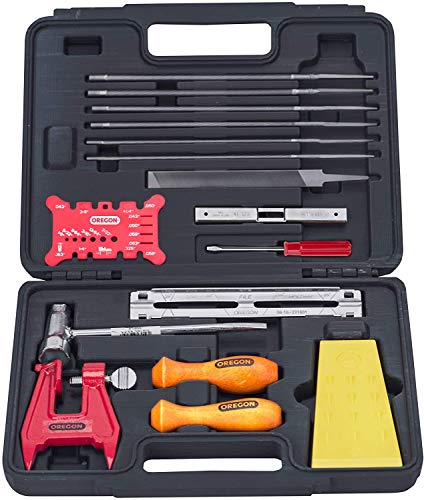
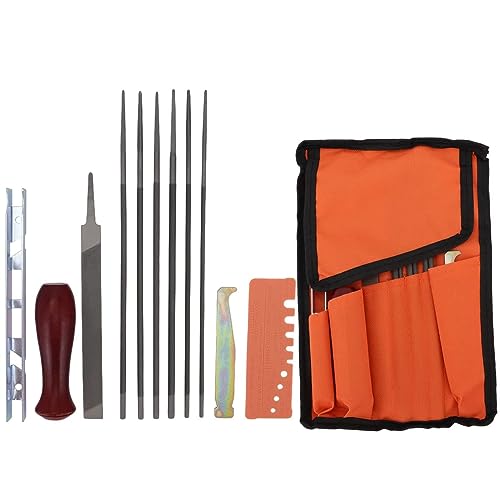
A kit with two or three file diameters, a guide, and a flat file for depth gauges suits regular cutting and more than one chain. The guide helps you hold a steady angle, and the flat file lets you lower depth gauges as cutters wear down. This level costs about $25 to $60 and suits buyers who sharpen every few tanks of fuel or maintain saws for seasonal work. A kit also makes it easier to keep the right diameter on hand when a chain changes.
Long Lasting Files for Heavy Use
Heavy users benefit from files made for longer life, spare files in the sizes they use most, and a sturdy guide that survives repeated use. This level costs about $60 or more when spares and guides are included, and it suits firewood cutters and property owners who sharpen weekly. The gain is not a sharper edge on the first pass, but steadier results over many sharpenings and fewer trips to buy replacements.
How to Choose the Best Chainsaw Files: Buying Guide
The factors below decide whether a file will sharpen your chain well. Start with diameter, since that choice cannot be fixed by technique, then work through cut, length, handle, and guide.
File Diameter and Chain Pitch
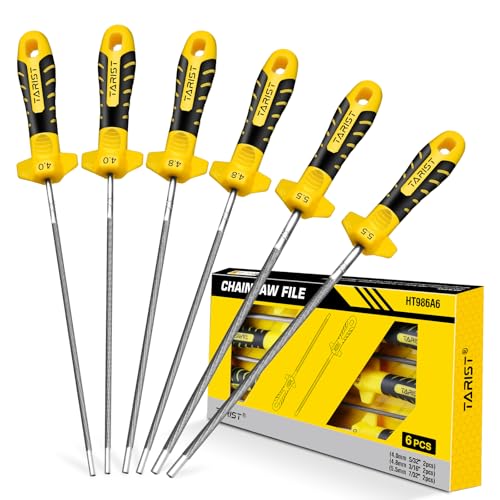
File diameter must match the cutter size for your chain pitch. Files come in several diameters for different chain pitches, so always check your chain and saw maker guidance rather than guessing from saw size alone. A file that is too small will sit low in the cutter and shape the wrong part of the edge, while a file that is too large will remove too much from the top of the cutter. When in doubt, check the pitch marking on the chain or the saw maker chart for your model.
Cut Type and Tooth Pattern
Chainsaw files usually use a single cut pattern, with teeth cut in one direction, which gives a smooth and controlled cut on hardened cutter steel. A double cut pattern removes material faster but can leave a rougher edge and is less common for careful chain work. Tooth spacing also matters, since a finer pattern suits light touch up work and a coarser pattern suits a chain that has hit dirt or nails. For most buyers, a standard single cut round file in the right diameter is the safest choice, and a finer file is useful for finishing passes.
File Length and Handle Comfort
File length affects control and reach. Shorter files offer more control for small cutters, while longer files give smoother strokes on larger chains. A comfortable handle matters as much as length, since sharpening takes many repeated strokes and a poor grip leads to uneven pressure.
Look for a handle that fits your hand without slipping, and check that it holds the file firmly so the file does not spin or slide during a stroke. If your hands tire quickly, a slightly longer handle with a rounded grip often helps.
Guides and Holders
A file guide holds the file at a set angle and depth, which helps beginners keep strokes consistent from cutter to cutter. Some guides clamp to the bar and set the file height, while simpler holders just give you a better grip and a visual reference. A guide is most useful when you are learning, when you sharpen many cutters in a row, or when your results vary from one side of the chain to the other. Experienced filers may work freehand, but even they often return to a guide after a long break.
Material and Durability
Chainsaw files are made from hardened steel, and quality shows in how long the teeth stay sharp. A good file cuts smoothly on the first strokes and keeps cutting after several chains, while a poor file glazes over and slides without removing metal. Durability depends on use as well as quality, since filing a dirty chain or pressing too hard wears teeth faster. Store files where they do not rub against each other, since contact with other steel tools can dull the teeth before you use them.
When to Replace a File
A file is worn when it slides over the cutter without biting, when strokes feel smooth but remove almost no metal, or when the teeth look shiny and flat under good light. Continuing with a worn file wastes time and can polish the cutter without sharpening it, which leaves the chain dull despite many passes. Replace the file rather than pressing harder, since extra pressure bends the stroke and can damage the cutter shape. Keep a spare in your most used diameter so a worn file does not end a cutting session early.
Types of Chainsaw Files
Different file shapes serve different jobs on a chain. Most buyers need a round file first, then add a flat file and a guide as their sharpening routine grows.
Round Files
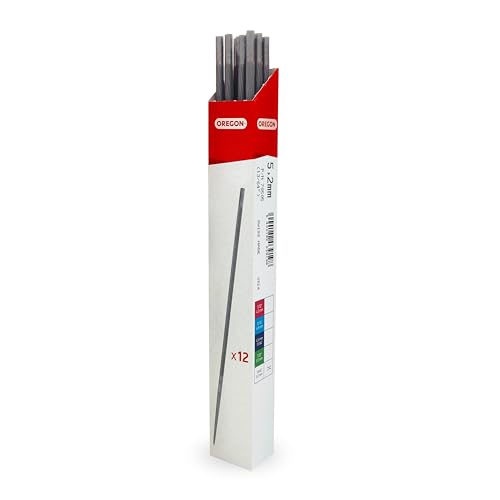
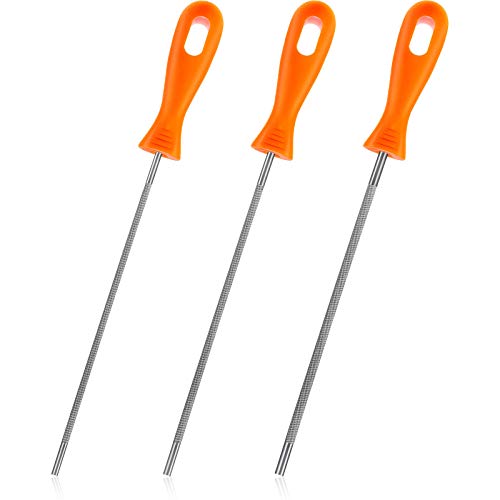
Round files shape the curved cutting edge of each cutter and are the main tool for routine sharpening. They come in several diameters, so matching diameter to chain pitch is the key choice. Round files suit regular touch ups and full sharpenings, and they work with or without a guide. If you buy only one file, make it the round file that matches your most used chain.
Flat Files
Flat files lower depth gauges, the small bumps in front of each cutter that control how deep the cutter bites. As cutters wear shorter, depth gauges need lowering so the chain keeps cutting well, and a flat file with a depth gauge tool does that job. Flat files are not a substitute for round files, since they cannot shape the curved cutter edge. Use them only for depth gauges, and check maker guidance for the right gauge setting for your chain.
File Guides and Holders
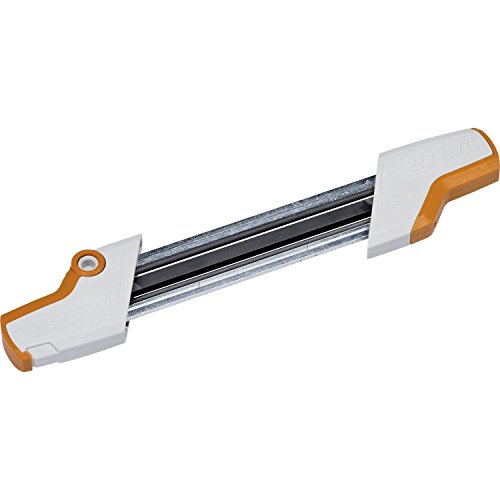
Guides and holders do not cut metal themselves, but they help you use a round file at a steady angle and height. A bar mounted guide sets the file position for each cutter, while a hand held holder improves grip and angle control. Guides suit beginners and anyone who sharpens many cutters at once, since they reduce variation between the left and right sides of the chain. A guide to best chainsaw chains can help you confirm the pitch and cutter type before you choose a guide.
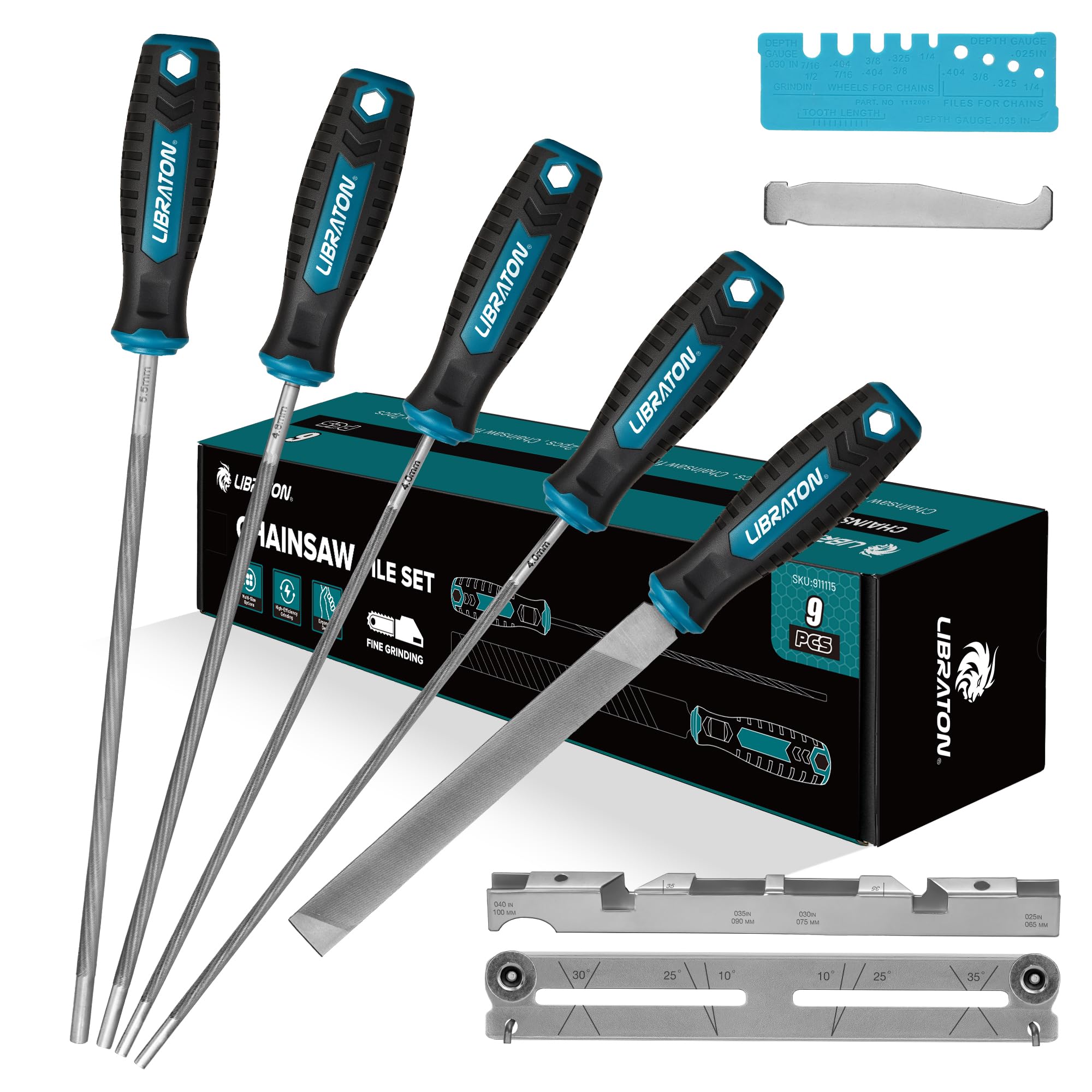
File Sets and Kits
Sets bundle several round file diameters, a flat file, a guide, and sometimes a handle or case. They suit buyers with more than one saw or chain size, since the right diameter is already in the kit. A set costs more than a single file, but it saves repeat purchases when a chain changes. Check that the set includes your diameter rather than assuming a large set covers every pitch, and keep the case dry so files stay sharp between uses.
Tips to Get the Most From Your Chainsaw File
- Wear eye protection and gloves, and secure the saw so the bar cannot move while you file.
- Clean the chain before filing, since dirt and sap wear file teeth and hide the cutter edge.
- File from the inside of the cutter outward, using steady strokes in one direction only.
- Count strokes per cutter so each side of the chain gets even work and the chain cuts straight.
- Check depth gauges after several sharpenings, and lower them only as maker guidance advises.
- Store files separately in a dry place, and replace a file that slides without biting.
For chain and bar fit, a guide to best chainsaw bars can help you confirm that your chain, bar, and file sizes belong together. A guide to best chainsaw for the money can help if you are also comparing saws, since chain pitch and file size follow the saw and chain you choose.
Frequently Asked Questions
How do I match a chainsaw file to my chain?
Match file diameter to chain pitch using the chain or saw maker chart, not by guessing from saw size. Common pairings cover small, mid size, and large pitch chains, but the chart for your exact chain is the reliable source. The pitch marking is often stamped on the chain drive links or listed in the saw manual. If the marking is worn off, a dealer or maker guide can identify the chain from its measurements.
How often should I sharpen a chainsaw chain?
Sharpen when cutting slows, the saw produces fine dust instead of chips, or you must push harder to cut. For many users that means a few light strokes every few tanks of fuel, rather than waiting until the chain is fully dull. Light and frequent touch ups remove less metal and keep the chain cutting well for longer. After hitting dirt, rocks, or nails, inspect the cutters and sharpen before the next cutting session.
Can one file fit every chainsaw chain?
No, one file cannot fit every chain, because cutter size changes with chain pitch. A file that suits a small pitch chain will sit too low in a large cutter, and a file for a large chain will remove too much from a small cutter. If you own more than one saw, check each chain pitch and keep the matching diameters on hand. A set with several diameters is often cheaper than buying files one at a time for each saw.
Should I use a round file or a flat file?
Use a round file for the cutting edge of each cutter and a flat file only for depth gauges. The round shape matches the curve of the cutter, while the flat shape levels the depth gauge in front of it. Using a flat file on the cutter edge will flatten the curve and weaken cutting performance. Keep both files in your kit, and use each one only for the job it was made to do.
When should I replace a chainsaw file?
Replace a file when it slides without biting, when strokes remove almost no metal, or when the teeth look shiny and flat. A worn file can polish a cutter without sharpening it, which leaves the chain dull after many passes. Pressing harder does not fix a worn file and can damage the cutter shape. Keeping a spare in your most used diameter avoids stopping work to buy a replacement.
The Bottom Line
Diameter comes first, then cut, handle, and guide. Match the file to your chain pitch, choose a handle you can hold steadily, and add a guide if your strokes vary from cutter to cutter. Check depth gauges as cutters wear, store files dry and apart from other steel tools, and replace a file as soon as it stops biting. Follow maker tool and eye protection safety guidance, and file in a stable, well lit workspace.
With the right match and a steady routine, best chainsaw file choices become simple: the file that fits your chain, feels comfortable in your hand, and stays sharp through regular use. Compare the product table above once more, then pick the diameter and kit level that suit how often you cut.