Best Carpenter Tool Bags at Every Price for 2026: What Your Money Really Gets You
Disclosure: We may earn a commission when you buy through links on this page, at no extra cost to you. As an Amazon Associate I earn from qualifying purchases. Learn more

Compare the best carpenter tool bags by price level and learn what budget, midrange and premium bags offer, plus which upgrades are worth paying for.
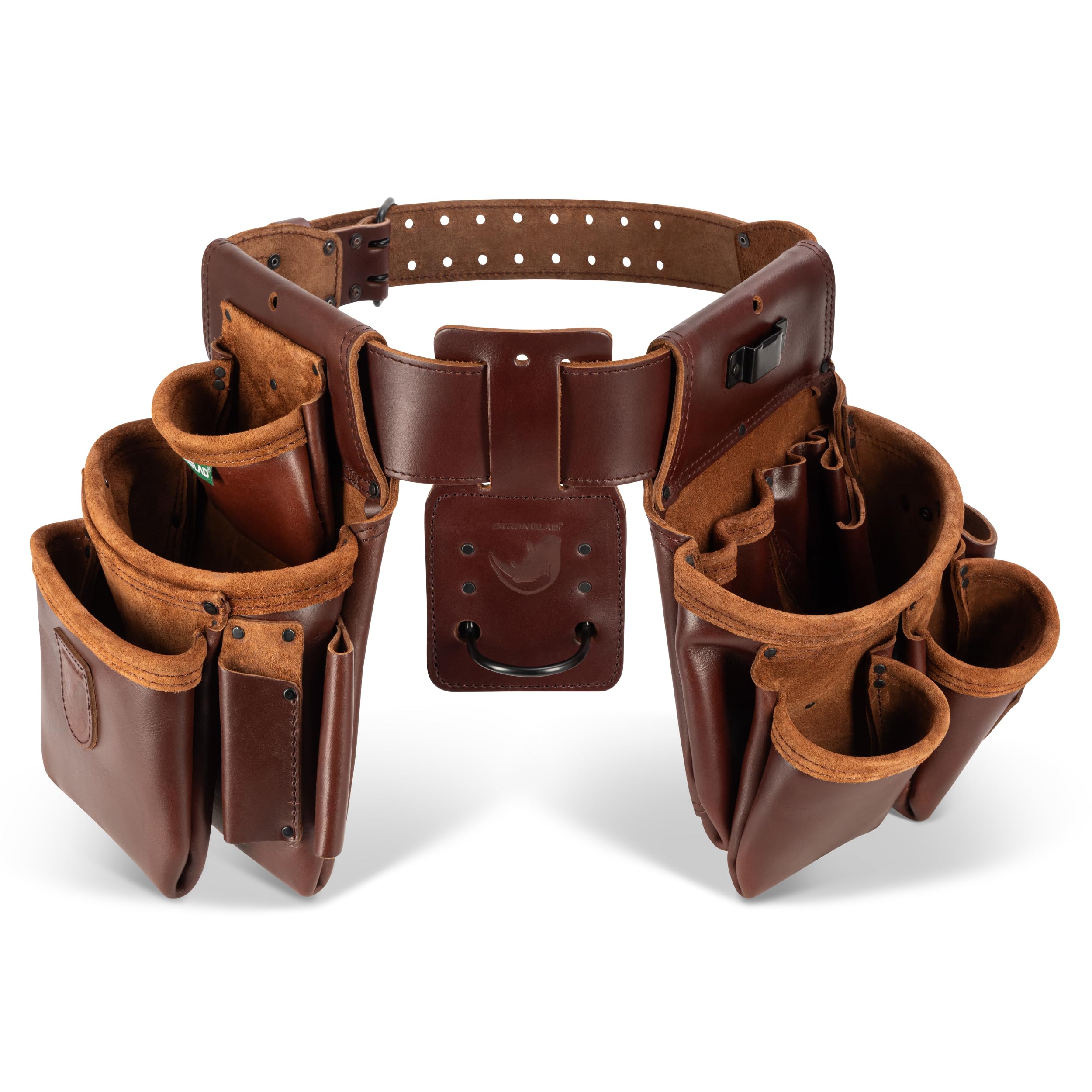
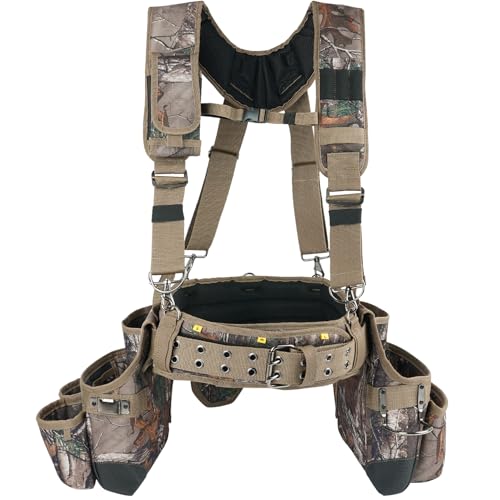
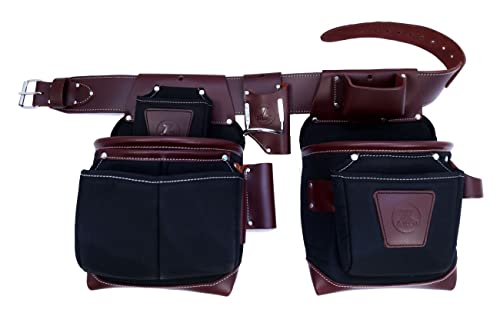
Carpenter tool bags range from simple open totes to structured rolling cases, and the price spread can be wide. This guide to the best carpenter tool bags explains what each spending level usually delivers, so you can match your budget to the way you actually work. Use the product table below to see the main differences side by side before you dig into the details.
Price alone does not tell you whether a bag will suit you. A light tote may be perfect for quick repairs around the house, while a carpenter who carries a full kit every day may need stronger fabric, better pockets, and a sturdier base. The sections below sort out those trade offs in plain terms.


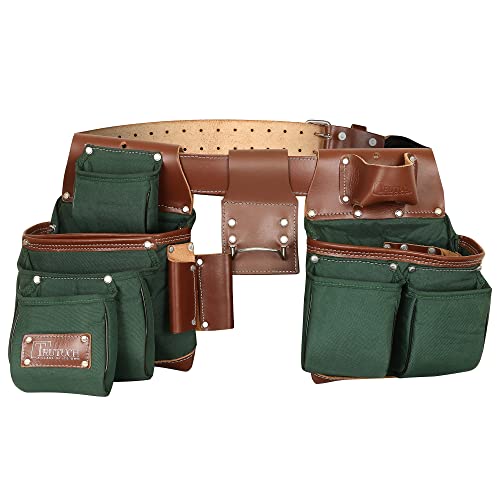

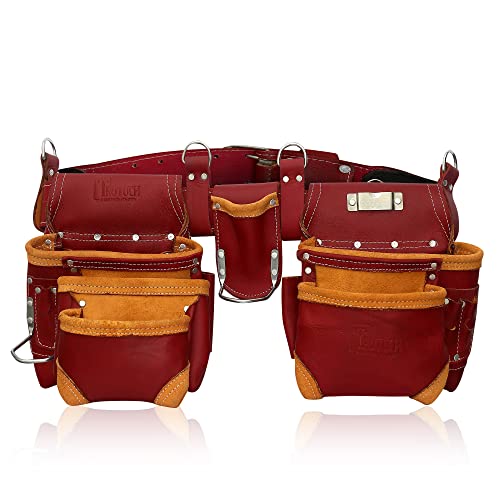
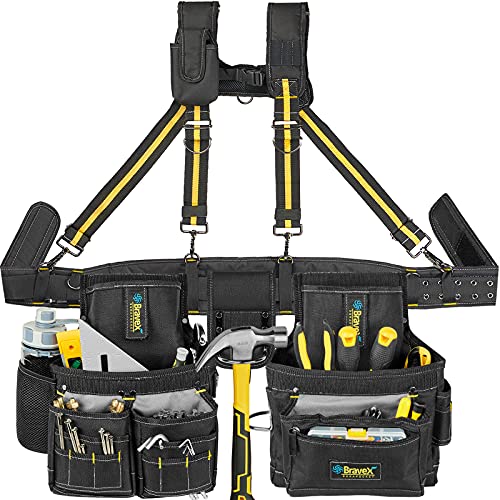

Spending Levels at a Glance
Think of price levels as a shorthand for build quality and organization, not as a verdict on quality in every case. A well made budget bag can outlast a poorly made expensive one, so always check fabric, stitching, and pocket layout. The levels below describe what is typical at each price point, and the next section explains the differences in more detail.
Budget Level
Budget bags usually cost about $25 to $60. They tend to use lighter fabric, simpler pockets, and basic handles, which keeps them light and easy to carry. They suit occasional use, small tool sets, and short trips where the bag is not dragged across rough ground. Expect fewer padded sections and less reinforcement at stress points, so check the handle attachments and the base before you buy.
Midrange Level
Midrange bags usually cost about $60 to $140. At this level you often get thicker fabric, reinforced stitching, a molded or padded base, and a more thoughtful pocket layout. Many carpenters find this level gives the best balance of durability, organization, and comfort for daily work. Shoulder straps tend to be wider and better padded, and zippers and clasps tend to feel more solid.
Premium Level
Premium bags usually cost about $140 to $300 or more. They often use heavy fabric, metal hardware, rigid frames, and detailed organization for a large tool collection. They suit professionals who carry heavy loads, work in demanding conditions, and need a bag that holds its shape when set down. The extra cost buys durability and convenience, but only if you use the extra pockets and features often enough to justify it.
What Your Money Gets You at Each Price Tier
Price tiers are useful only when you know what changes as you move up. The same size bag can feel very different depending on fabric weight, pocket design, and handle quality. Read the tier descriptions below against your own tool list and your daily routine, not against a generic idea of what a professional should own.
Budget Level: What You Get
At the budget level, expect an open top tote or a simple zip top bag with a modest number of pockets. Fabric is usually lighter, so the bag folds flat for storage and weighs less on the shoulder. The trade off is less protection for sharp tools and less structure, so tools may shift during transport. This level works well for a basic hand tool set, a homeowner kit, or a second bag kept for a specific job.
Midrange Level: Where Value Improves
Midrange bags add the features that matter most in daily use. Look for reinforced bottoms, double stitching at handles, interior loops that keep tools upright, and exterior pockets for a tape measure, pencils, and a phone. Many also add a padded shoulder strap and a rain cover or water resistant coating. These upgrades reduce wear and make it faster to find the right tool, which is why this level suits most working carpenters.
Premium Level: When Extra Spending Makes Sense
Premium bags are built for heavy, frequent use. They often include a rigid base that keeps the bag upright, heavy duty zippers, metal clips, and a frame that prevents collapse. Some add wheels and a telescoping handle for large kits, while others focus on dense pocket layouts for specialized tools. Spending at this level makes sense when a bag failure would cost you time on the job, or when you carry expensive tools that need better protection.
Features Worth Paying For (and Ones to Skip)
Not every upgrade is worth the money. The features below are the ones that most affect daily use, and each note explains when the upgrade pays off and when it does not. Start with the features that solve a problem you already have, such as sore shoulders, lost small tools, or a bag that tips over.
Size, Weight, and Fit for Your Space
Size matters more than brand or style. Measure your longest tools, then check the interior length and depth, not just the outside dimensions. A bag that is too large invites overloading, while a bag that is too small forces you to leave tools behind.
Weight matters too, since a heavy empty bag adds strain before you add a single tool. Choose the smallest bag that holds your regular kit comfortably.
Intended Use and Who It Is For
Your main work should drive the choice. A finish carpenter who carries hand tools and measuring gear needs slim pockets and easy access, while a framer may need room for larger tools and fasteners. A homeowner doing weekend repairs needs far less structure than a contractor on site all week. Match the pocket count and layout to your tools, and ignore features designed for work you rarely do.
Ease of Use and Setup
Ease of use shows up in small details. Wide openings let you grab tools without digging, while color coded or labeled pockets speed up packing. A bag that opens fully and stays open on a bench saves time, and a comfortable handle or strap matters on long walks to a job site. Skip gimmicks such as dozens of tiny pockets you will never use, since they add weight and confusion.
Maintenance and Long Term Costs
Long term costs include replacement straps, worn zippers, and cleaning. Bags with replaceable straps and simple closures are cheaper to keep in service than bags with complex hardware. Fabric that wipes clean and resists moisture lasts longer in dusty or damp conditions. Check whether the maker offers spare parts or a clear warranty, since that support can matter more than a small price difference at purchase.
Long Term Costs to Factor In
Think beyond the purchase price. A cheap bag that needs replacing every year can cost more than a midrange bag that lasts several years. Add in the cost of organizers, replacement straps, and time spent repacking a bag that does not hold its shape. A clear warranty and sturdy construction reduce those hidden costs, so weigh durability and support alongside the sticker price.
Carpenter Tool Bags: Your Questions Answered
Are expensive carpenter tool bags worth it?
Expensive bags are worth it when you use them hard and often. Heavy fabric, rigid bases, and metal hardware hold up better under daily loads and rough handling on job sites. For occasional home use, however, a midrange or budget bag often does the same job for far less money. Judge value by how often you carry the bag, how heavy your kit is, and how much downtime a torn bag would cause.
How long does a carpenter tool bag last?
Lifespan depends on fabric, construction, and use. A lightly used bag can last many years, while a bag carried daily on rough sites may show wear within a year or two. Reinforced stitching, a sturdy base, and good zippers extend life more than any single feature. Regular cleaning, avoiding overload, and storing the bag dry also help, since damp storage weakens fabric and stitching over time.
How do I maintain a carpenter tool bag?
Empty the bag regularly and shake out dust, wood shavings, and small fasteners. Wipe the fabric with a damp cloth and let it dry fully before storing it, since trapped moisture can cause odors and mildew. Check handles, straps, and zippers for wear, and tighten or replace hardware before it fails on the job. Keep sharp tools in sleeves or loops so blades do not cut pockets or neighboring tools.
How much should I spend on a carpenter tool bag?
Most buyers do well in the midrange, around $60 to $140, where durability and organization improve sharply over budget bags. Spend less if you need a simple tote for occasional repairs, and spend more only if you carry a large kit daily or work in harsh conditions. Start from your tool list and your routine, then choose the lowest price level that covers those needs without obvious weak points.
What features matter most when buying carpenter tool bags?
Fit, durability, and organization matter most. The bag must hold your longest tools, keep its shape when set down, and let you reach tools quickly. Strong fabric, reinforced handles, and a sturdy base matter more than extra pockets or flashy extras. Comfort counts too, since a padded strap or balanced handle reduces strain on long days.
Wrapping Up
The right bag is the one that fits your tools, survives your routine, and stays comfortable to carry. Budget bags suit light, occasional use, midrange bags suit most daily work, and premium bags suit heavy professional use. Use the product table above to compare the levels, then choose based on size, durability, and organization rather than price alone. For most buyers, the best carpenter tool bags are the ones that make the workday simpler, not the most expensive option on the shelf.
Before you order, check the maker guidance on load limits, cleaning, and storage, and keep sharp tools covered and the bag out of reach of children when not in use. A little care extends the life of any bag, at any price.