
Best Chaco Sandals for 2026: Styles, Fit and Care
Disclosure: We may earn a commission when you buy through links on this page, at no extra cost to you. As an Amazon Associate I earn from qualifying purchases. Learn more

Compare chaco sandals by strap fit, footbed support and wet grip, with care guidance for trails, water and summer walks with tips for daily use.
Chaco sandals are built around a contoured footbed and one long strap that threads through the midsole, so you can adjust the fit at the ankle, heel and forefoot. This guide explains how to choose among the best chaco sandals by strap layout, footbed, grip and fit, so you can match a pair to your trails, river days or summer walks. Use the product table below to compare current models, then read the sections that follow.
Most buyers start with color or price, then find that fit decides everything. Chaco footbeds are firm and shaped, the straps need setting up, and sizing is not quite like a flip flop, so a few minutes of planning avoids returns.

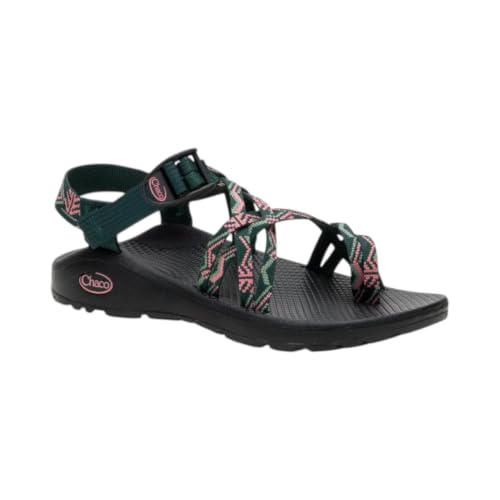


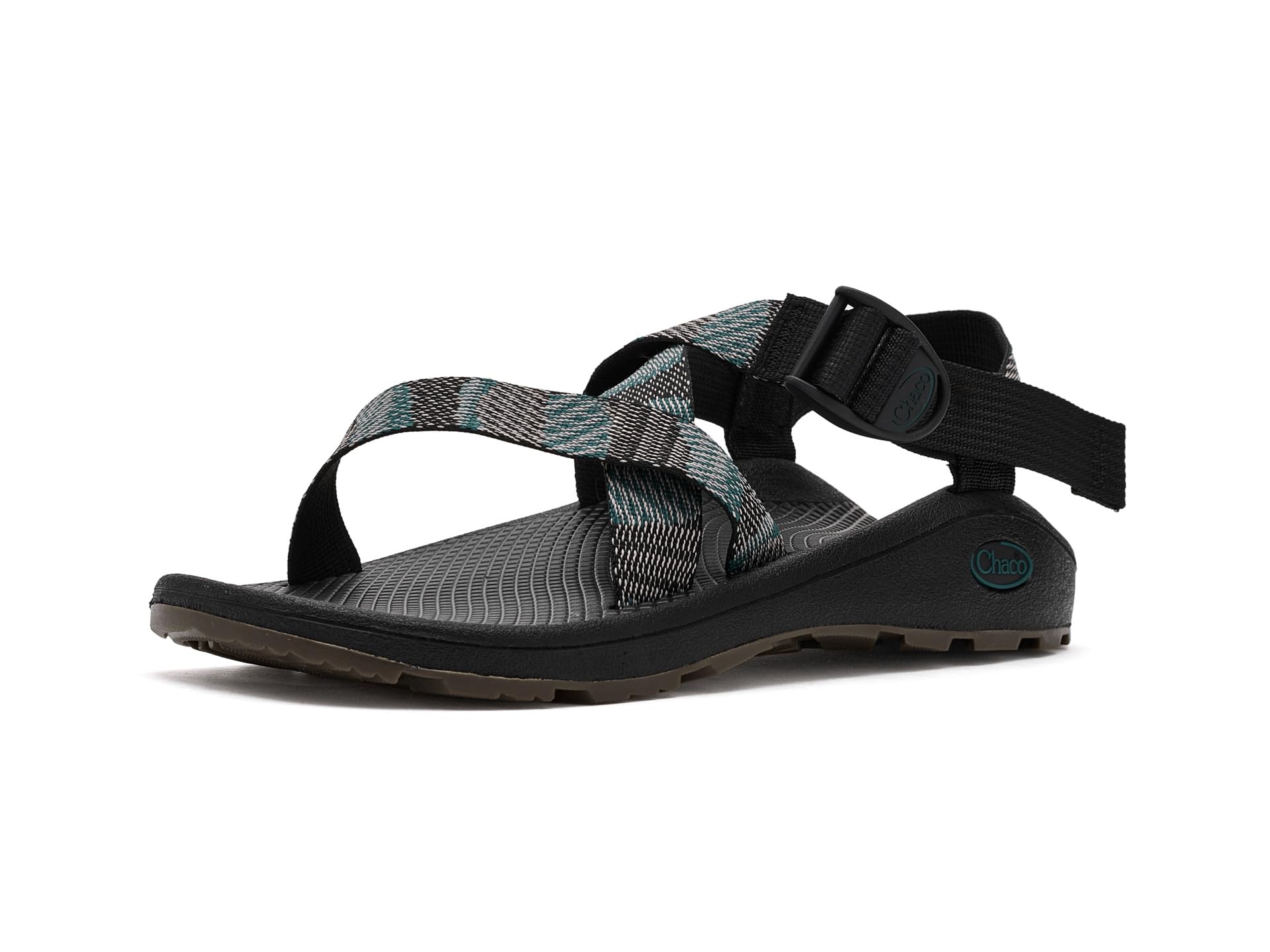


Chaco Sandal Styles in Brief
Single Strap Classics
The classic layout uses one continuous strap that wraps the foot in a linked system. It is simple to adjust, suits wide and narrow feet, and is easy to rinse after mud or sand. It is the usual first pair for trails, rivers and travel.
Cloud and Cushioned Models
Cloud styles add a softer top layer over the firm base for a plusher first step, which suits walkers who find a classic footbed too hard at the start. They are a good choice for long days on pavement.
Toe Loop and Double Strap Models
These add a toe loop or second forefoot strap for more control on steep ground or when carrying a pack. Adjustment takes longer, and the loop needs a short break in period.
Casual and Leather Models
Leather and fashion styles suit town days and travel, with a cleaner look. They need more care after getting wet and are less suited to constant river use.
How to Choose Chaco Sandals
Fit and Sizing
Try or measure late in the day, when feet are slightly swollen. Your heel should sit centered in the cup, your toes should stay inside the front edge with a small margin, and the straps should hold without numbness. Many styles come in whole sizes, so people between sizes usually size up and tighten the straps. Wide versions exist for some styles and are worth seeking out if your forefoot is broad.
Footbed and Support
The signature footbed has a pronounced arch and heel cup. Many wearers like the structure, while others need a week or two of shorter wears before it feels natural. If you prefer a very soft ride, look at the cushioned models. If you have a foot condition or pain that keeps returning, ask a clinician or podiatrist before relying on any sandal for long distances.
Grip and Terrain
Outsole lugs and rubber decide how a sandal behaves on wet rock, mud and pavement. Deeper lugs shed mud on trails, while flatter tread suits boardwalks and city walking. Wet rock and algae are slippery for any sandal, so slow down there.
Water Use and Drying
Webbing straps dry quickly and tolerate soaking, which is why paddlers and river walkers favor them. Rinse after salt water or silty rivers, and air dry away from direct heat. Leather straps dry slowly and should avoid repeated soaking. For more on wet use, see our guide to the best chaco sandals for water.
Weight and Packability
Chacos are heavier than minimal travel sandals because the footbed and outsole are built for support. That weight is noticeable in a suitcase more than on your feet. If you mainly walk on smooth paths, a lighter model packs better.
Choosing by Use
For hiking, favor a secure strap layout and a grippy outsole, and read our guide to the best chaco sandals for hiking. For everyday miles, a cushioned model with good arch contact is easier on tired feet, and our guide to the best chaco sandals for walking covers fit and traction. Shoppers comparing by fit can also see the guides to best men's chaco sandals and best women's chaco sandals.
Break In, Care and Repair
- Wear a new pair for short walks first and recheck strap tension after the first mile.
- Rinse grit from the strap channels after beach or river days, because trapped sand wears the webbing.
- Air dry away from direct heat and strong sun, which can age webbing and fade colors.
- Check the tread each season, since smooth heels and forefoot lugs mean fading grip.
- Many pairs can be resoled or restrapped through brand repair services, which extends their life.
Stop walking and refit if you feel sharp foot pain, blisters or numbness.
Budget and Value
Chacos cost more than basic flip flops, and prices vary by model and season, with many classics priced around $60 to $120. Spend for a style that matches your terrain, since a fashion upgrade adds little to comfort. A well cared pair can last several summers, and repair options lower the cost per season.
Frequently Asked Questions
Do Chaco sandals need a break in period?
Most people need one to two weeks of gradually longer wears for the footbed and straps to feel natural. Start with short sessions and build up before a long hike or travel day.
How should Chaco sandals fit?
The heel should sit inside the cup, the toes should stay within the front edge, and the straps should be snug without cutting in. If your foot covers the footbed edge to edge, go up a size or look for a wide version.
Can I get Chaco sandals wet?
Yes, webbing styles are made for water and dry fast. Rinse them after salt water, and avoid soaking leather models repeatedly.
Are Chaco sandals good for all day wear?
Many people wear them all day once they have adapted to the firm footbed. Build up wear time gradually, and rotate footwear on long paved days if your feet feel tired.
How long do Chaco sandals last?
Several seasons of regular use is common, and the straps and soles can often be repaired. Retire a pair when the tread wears smooth or the footbed cracks.
Final Thoughts
Choose the strap layout for your terrain, size with a margin at both ends and give the firm footbed a patient break in. Do that, and the best chaco sandals for you will last for seasons. Compare current models in the product table above before you order.


