
Best Ceramic Pour Over Coffee Makers (2026): Buying Guide
Disclosure: We may earn a commission when you buy through links on this page, at no extra cost to you. As an Amazon Associate I earn from qualifying purchases. Learn more

Pick the best ceramic pour over coffee maker for your home: compare cone, flat bottom and set styles by filter fit, heat holding, storage, care and budget.
Picture a small kitchen on a weekday morning. One person wants a single mug before work, a partner wants a second cup an hour later, and counter space is already claimed by a kettle and a fruit bowl. Finding the best ceramic pour over coffee maker for that home is less about chasing cafe gear and more about matching dripper size, shape and material to your rooms, your household and your budget.
This guide walks through those home based choices in plain order, from dripper shape to filter costs and storage. Use the product table to compare current drippers, then read the sections that match your routine. If you want the wider category view first, our guide to the best pour over coffee maker covers every material in one place.


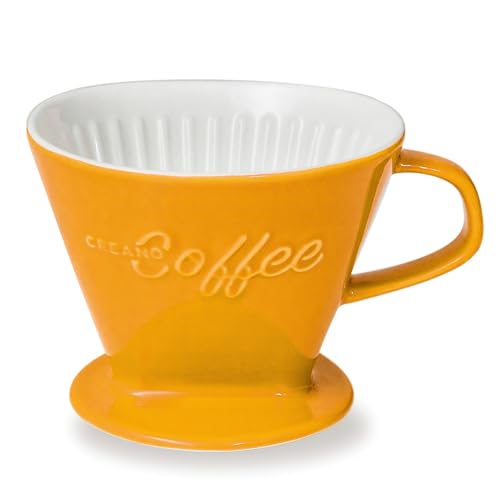


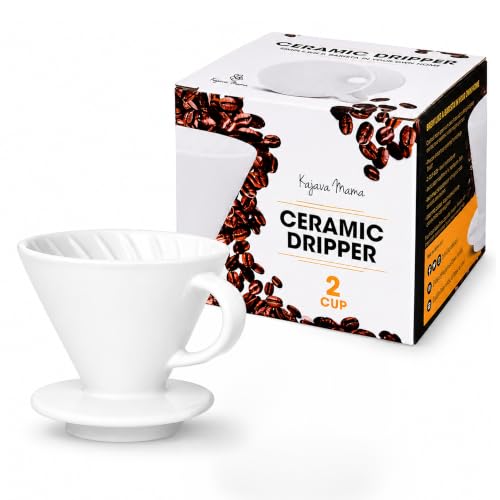

Quick Answer: Choosing a Ceramic Dripper in 30 Seconds
Start with how many cups you brew at once, because that single answer narrows almost everything else. Small cone drippers suit one or two mugs, flat bottom drippers forgive uneven pouring, and dripper and server sets suit households that pour for several people at one table. Ceramic holds heat well and feels solid on the counter, but it can chip, so pick a shape you will handle comfortably daily.
Before You Buy: A Quick Checklist for Choosing a Pour Over Coffee Maker
Work through the five checks below before you look at colors or glaze finishes. Each ties to a daily cost, a storage problem or a taste issue.
Which Type Fits Your Routine
Your routine decides the shortlist. Solo brewers do well with a compact cone dripper that sits on a mug and rinses in seconds. Couples who brew back to back often prefer a medium dripper and a shared server, so the first cup stays warm while the second brews. Busy households may find the slow pour over ritual hard to keep up on school mornings, and that is an honest reason to choose a flat bottom dripper, which is more forgiving when your pouring is rushed or uneven.
Brew Temperature and Heat Holding
Good extraction needs water at about 195 to 205 degrees Fahrenheit, and ceramic helps once it is warmed through. Run hot water through the empty dripper and filter first, because cold ceramic pulls heat from the first pour and can leave the cup tasting thin. Thick ceramic walls then hold that warmth steady during the brew. If you are still learning the basic pouring steps, the walkthrough at how to use a pour over coffee maker shows the bloom and pour stages in order.
Filters, Servers and Kettle Fit
Check what the dripper needs before you buy it. Cone drippers take pointed cone filters, while flat bottom models take basket style or wavy filters, and buying the wrong shape means a wasted box in the cupboard. Confirm the dripper base sits stable on your mug or server, since some bases are sized for one and wobble on the other. A narrow spout kettle gives you the slow, controlled stream this method rewards, so count a kettle upgrade in your budget if yours pours in a rush.
Counter Footprint and Storage
Measure the spot where the dripper will actually live. A dripper alone takes little room, but a full set with a server, a kettle and a filter holder can claim a whole corner of the counter. Apartment kitchens often do better with a dripper that stores inside a cupboard and a server that doubles as a water jug. Open shelf kitchens can leave a glazed ceramic dripper on display, though you should keep it away from shelf edges where a passing elbow can knock it down.
Realistic Budget Ranges
Expect to pay about $15 to $35 for a single ceramic dripper, and about $35 to $80 for a dripper sold with a matching server. Under about $25 you still get sound brewing, but expect simpler glazes and fewer size choices. Higher prices mostly buy finish, weight and set pieces rather than better coffee. Budget for the whole setup, dripper plus filters plus any kettle or server you still need.
Ceramic Dripper Types Compared
The choice really comes down to three formats. Readers new to the method may also want the starting advice in our guide to the best pour over coffee maker for beginners.
Cone Shaped Ceramic Drippers
A cone dripper narrows to a point and usually drains through one larger hole, so the speed of your pour shapes the result more than with other formats. That control rewards careful brewers with a bright, clear cup, and it suits one or two mug households that enjoy adjusting grind and pour pace. The trade off is a steeper learning curve, since pouring too fast gives weak coffee and pouring too slow can overdraw bitter notes. Choose this format if you brew for yourself and like the process as much as the cup.
Flat Bottom Ceramic Drippers
A flat bottom dripper spreads the coffee bed level and drains through several small holes, which evens out extraction when your pouring is not perfect. That makes it a kind choice for shared kitchens where different people brew with different skill, and for households that want a fuller, rounder cup with less fuss. It pairs with wavy or basket filters that cost a little more than cone filters in some stores. Choose this format if consistency across busy mornings matters more to you than fine control over every pour.
Ceramic Dripper and Server Sets
A matched set pairs the dripper with a ceramic or glass server sized to catch the full brew, which helps when you pour for two to four people at one sitting. The server keeps portions fair, carries to the table easily and looks settled on open shelving. Sets cost more, take more storage room and give you one more piece to wash and to chip. Choose a set if your household drinks together at breakfast, and skip it if each person brews alone at a different hour of the morning.
How to Evaluate a Ceramic Pour Over Coffee Maker
Judge any ceramic dripper on five points, in this order. First, brew quality, meaning an even bed and a drain rate that suits your grind. Second, temperature stability, helped by thick walls and a warm up rinse. Third, ease of use, including a handle or rim you can grip when the dripper is hot and wet. Fourth, cleaning, meaning a smooth glaze with no tight grooves where coffee oils can sit. Fifth, build quality, meaning even walls, a flat stable base and a glaze with no cracks or rough spots out of the box.
Base that judgment on maker specifications, the required filter format and verified buyer reports about chipping and fit.
Ceramic Compared With Other Pour Over Materials
Ceramic sits between glass and metal in daily use. It holds heat better than thin glass, feels warmer and more settled on a home counter, and its weight keeps it steady while you pour. Glass shows the coffee level as it rises, which some brewers love, and our guide to the best glass pour over coffee maker covers that option in full. Stainless steel survives drops that would end a ceramic dripper, but it can feel plain on display and you cannot see the brew through it. Plastic is light and cheap, though it stains and rarely looks good left out.
The honest trade offs are weight and fragility. Ceramic chips when it meets a stone counter or a cast iron sink, and a heavy dripper can tire a wrist during a slow pour. If your household is deciding between brewing methods rather than materials, the side by side in pour over vs french press explains how the cups differ. Pick ceramic when your brewer lives at home and brews daily.
Common Buying Mistakes to Avoid
- Buying a large dripper for a one mug household, because small brews in an oversized bed extract unevenly and taste dull.
- Ignoring the filter format, because a cupboard full of the wrong filter shape makes the dripper useless until you shop again.
- Choosing by glaze color alone, because wall thickness and base fit matter far more to your daily cup.
- Skipping the server check, because a dripper that wobbles on your jug can slide mid pour and spill hot coffee.
- Storing the dripper loose in a crowded cupboard, because one knock against a heavy pan can chip the rim.
Cost of Ownership and Care
Running costs stay modest. Paper filters are the main repeat purchase, at roughly a few cents each, and a reusable metal or cloth filter removes that cost while letting more oils into the cup. There are no pods, no descaling cycles inside the dripper itself and no power draw, since the kettle does the heating. Treat a spare box of the right filters as part of the setup cost from day one.
Care is simple but not careless. Rinse the dripper soon after brewing, wash it with warm soapy water and a soft sponge, and dry it fully so coffee oils do not build a stale film on the glaze. Store it on a cloth or a padded shelf liner if your cupboard is crowded. For the full routine, including stain removal from the server, follow our notes on how to clean a pour over coffee maker and your dripper should stay fresh tasting for years.
Your Questions, Answered
Are ceramic pour over coffee makers worth it for everyday home use?
Yes, if your household values a calm brewing ritual and a clear tasting cup, and if someone has about five free minutes each morning. Ceramic rewards that small time cost with steady heat and a brewer that looks good enough to leave out, which removes the setup friction that kills many morning habits. It is less worth it if your home needs coffee for a crowd at speed, where a larger batch method fits the schedule better.
How long does a ceramic pour over coffee maker last with daily use?
A sound ceramic dripper can last many years of daily use, since there are no moving parts, seals or coatings to wear out in normal service. Its life usually ends by accident, through a chip or a crack, rather than by slow decline. One useful retirement sign is fine cracking in the glaze, called crazing, because those tiny lines can hold coffee oils and off flavors that washing no longer removes fully.
Can a ceramic pour over dripper go in the dishwasher?
Many glazed ceramic drippers tolerate a dishwasher, but maker guidance varies, so check the care note for your model before the first wash. Strong detergents and repeated high heat cycles can dull some glazes over time, and a loaded rack raises the chip risk when pieces knock together. If your dripper is a favorite, the top rack with space around it is the safer choice, and hand washing stays the gentlest option.
What size ceramic dripper should a household of four choose?
Choose the largest common dripper size or a dripper and server set, and plan on brewing two rounds when everyone drinks at once. A single round stretched with extra water and grounds usually tastes weaker, because the deep bed channels and drains unevenly. Two fresh rounds take a few minutes more but keep each serving balanced, and the server keeps the first round warm while the second round brews.
Why does coffee from a ceramic dripper sometimes taste weak?
Weak cups usually trace back to grind and pour rather than to the ceramic itself. Grounds that are too coarse let water rush through before it can extract much flavor, and water poured in one fast flood has the same effect. Try a slightly finer grind first, then slow your pour into stages. One more cause is stale beans, which no dripper can rescue, so check the roast date before you blame the brewer.
Final Thoughts: Best Ceramic Pour Over Coffee Maker
Match the dripper to your household first and your taste second. Cone formats reward careful solo brewers, flat bottom formats forgive shared and rushed mornings, and sets serve households that sit down together. Whichever format you choose, the best ceramic pour over coffee maker is the one sized right for your table, stable on your server and easy to store in your kitchen. Compare your shortlist against the product table above and order the size your routine will use daily.


