Best Automatic Pour Over Coffee Maker: Types and Tips (2026)
Disclosure: We may earn a commission when you buy through links on this page, at no extra cost to you. As an Amazon Associate I earn from qualifying purchases. Learn more

Compare compact, family size and premium types to find the best automatic pour over coffee maker for your mornings and counter.
Picture a weekday morning in a busy kitchen. Lunches are being packed, someone is looking for keys, and nobody has time to stand over a dripper with a kettle in slow circles. A best automatic pour over coffee maker does that pouring work for you, wetting the grounds in stages and letting the coffee bloom before the main pour. You still get the clean, sweet cup that pour over brewing is known for, but the routine fits a real household schedule.
This guide helps you choose by kitchen space, household size, and budget rather than by long feature lists. Use the comparison table below to see how the main types differ, then read on for the details that decide how a machine will feel to live with each day.



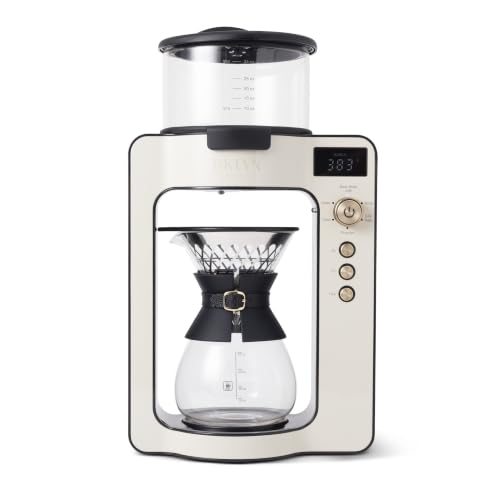
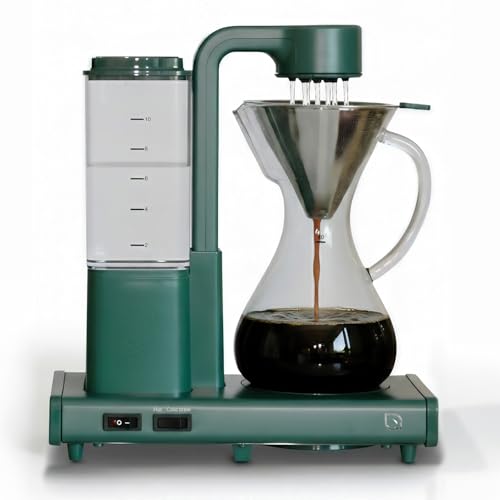

Quick Answer: The Three Types Worth Considering
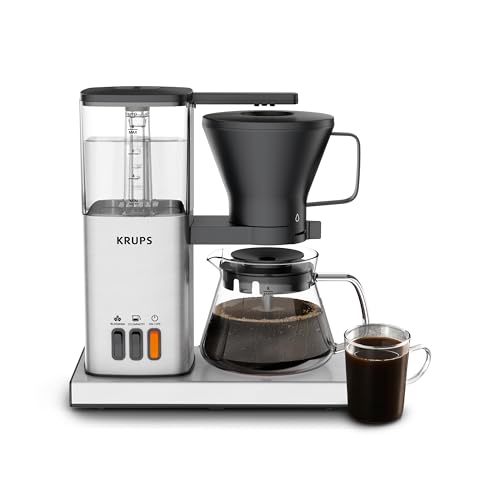
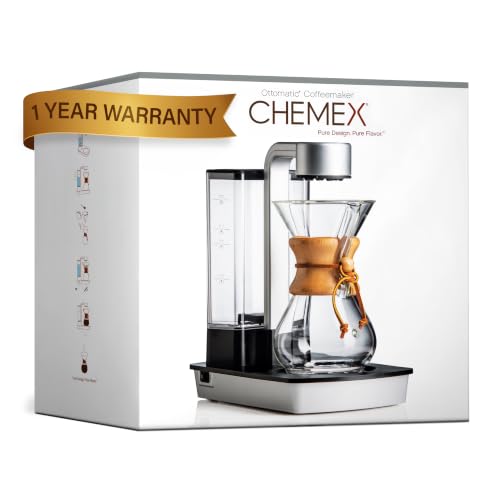
Most homes land on one of three types. Compact models brew one or two mugs and suit small counters and single drinkers. Family size models brew a full carafe and suit homes where several people drink coffee within the same hour. Premium models add tighter temperature control, stronger build, and settings you can save for repeat mornings.
None of these types is better in every home. Match the type to your mornings first, then compare features inside that type.
Before You Buy: A Quick Checklist for Choosing
An automatic pour over machine looks simple from the outside, but a few details decide whether the coffee tastes right and whether the machine earns its counter space. Work through these five checks before you compare prices or finishes.
Which Type Fits Your Routine
Start with how you drink coffee now. Manual drippers in glass, ceramic, stainless steel, or plastic give you full control but ask for your attention, while flat bottom and cone drippers change how evenly water moves through the grounds. An automatic model takes over the pouring, so the choice shifts to batch size and pace. If you still enjoy the manual ritual on slow weekends, our guide to the best pour over coffee maker covers drippers that need a kettle and your own hand.
Brew Temperature and SCA Certification
Water that is too cool leaves coffee tasting sour and thin, and water that is too hot can pull out harsh flavors. Look for a machine that holds brewing water between 195 and 205 degrees Fahrenheit through the whole cycle, not just at the start. Certification from the Specialty Coffee Association means a model met set standards for temperature, brew time, and strength in independent checks. It is a useful shortcut, though a careful design without the badge can still brew well if its temperature stays steady.
Water Reservoir, Filters, and Descaling
A removable reservoir is easier to fill at the sink and easier to wash than a fixed tank you must fill with a jug. Check the capacity against your largest batch so you are not refilling in the middle of a brew. Filters matter too, since paper gives a cleaner cup and less sediment, while a reusable metal filter saves repeat buying and lets more oils through. Finally, look for a descaling alert or a simple cleaning cycle, because mineral scale builds up quietly and slows brewing.
Counter Footprint
Measure your counter before you fall for a tall or wide model. Leave room above the machine to lift the lid, fill the reservoir, and add grounds without pulling the whole unit forward each morning. Deep models can push against upper cabinets, and wide models can crowd a toaster or a fruit bowl out of daily reach. Also think about where the carafe will sit while you pour, and whether the cord reaches an outlet without crossing the sink.
Realistic Budget Ranges
Basic automatic models often cost under $100 and cover the essentials, steady hot water, a bloom pause, and a simple carafe. Spending about $100 to $250 usually brings better temperature control, a larger reservoir, and a thermal carafe that holds heat without a warming plate. Models over $250 tend to add stronger materials, saved settings, and quieter pumps. Set your budget by the features you will use weekly, not by the longest list on the box.
Three Types Compared: Compact, Family Size, and Premium
With the checklist in mind, here is how the three main types compare on daily use. Read the type that sounds like your home most closely, then check the others to confirm your choice.
Compact Models for Small Homes and Single Drinkers
Compact models brew a small batch, often one generous mug or two modest cups, and they fit counters where space is shared with cooking. They heat less water, so they brew quickly and waste little coffee on mornings when only one person is drinking. Controls stay simple, which suits anyone who wants good coffee without learning a menu of settings. If you are new to pour over brewing at home, our guide to the best pour over coffee maker for beginners explains the basics of grounds, filters, and ratios in plain steps.
Family Size Models for Shared Mornings
Family size models brew a full carafe, so four or five people can pour a cup without starting a second batch. A thermal carafe helps here, holding heat for an hour or more while people eat, dress, and leave at different times. Look for a pause feature that lets you pour one cup mid brew without drips running onto the plate. The trade off is size, since a bigger reservoir and carafe need more counter depth and more storage room in the sink on wash days.
Premium Models as a Long Term Investment
Premium models focus on control and durability. They hold temperature within a narrow band, let you adjust bloom time and brew strength, and use heavier parts that feel solid after years of daily lifting and washing. Saved settings mean your preferred cup is one button away, even when you are half awake. These models cost more upfront, and their extra settings only pay off if you actually change them, so be honest about how much you like to tinker before you spend at this level.
Our Selection Process for Automatic Pour Over Machines
We judge automatic pour over machines on five points drawn from maker specifications and patterns in verified buyer feedback. Brew quality comes first, meaning an even extraction with no sour or bitter edge at standard ratios. Next are temperature stability, ease of use on a rushed morning, how simple cleaning and descaling are, and overall build quality. We weigh repeat complaints about leaks or slow brewing more heavily than single remarks about taste.
What We Like and What We Do Not About Automatic Models
The clear strength of an automatic model is consistency. The machine pours in the same pattern at the same pace each time, so your Tuesday cup tastes like your Monday cup once you have dialed in your beans and grind. It also frees your hands for breakfast and everything else a morning holds. If you are weighing this style against a standard drip machine, our comparison of pour over vs drip coffee explains how the two methods differ in flavor and control.
There are limits to accept. You give up the small adjustments a skilled hand makes with a kettle, such as slowing the pour over one dry patch of grounds. Machines also add parts that can fail, pumps, valves, and heating elements, where a manual dripper has none. Our walkthrough on how to use a pour over coffee maker shows the bloom and pour stages your machine is copying, which makes its settings easier to understand.
Common Buying Mistakes to Avoid
- Buying a batch size that fights your routine: a small model in a house of four drinkers means back to back brewing and lukewarm second cups.
- Ignoring cabinet height: a machine that fits the counter but cannot open under your cabinets turns every fill and filter change into a shuffle.
- Forgetting filter and descaling costs: paper filters, replacement carafes, and descaling solution add up over years of ownership.
- Chasing settings you will never change: extra programs add cost and confusion when a simple strength choice would cover your taste.
- Judging by carafe size alone: a large carafe with weak temperature control still brews a dull cup, just more of it.
Cost of Ownership and Care
Daily running costs stay modest. Paper filters are the main repeat purchase, while a reusable filter shifts the cost to a single buy and a careful wash after each use. Electricity use is brief, since the heater runs only during brewing and, on models with one, while the warming plate stays on. A thermal carafe avoids that plate cost and also avoids the stewed taste that long sitting on heat can cause.
Care is simple when you keep a rhythm. Rinse the carafe and filter basket daily, wash them weekly, and descale when the machine alerts you or brewing slows. Our step by step guide on how to clean a pour over coffee maker covers safe cleaning for glass, steel, and plastic parts. Store the machine with the lid open so the reservoir dries fully.
Your Questions, Answered
What makes one automatic pour over coffee maker brand more reliable than another?
Reliability usually comes down to simple design and support rather than fame. Brands that sell replacement carafes, filter baskets, and seals for years make a machine easier to keep running. Clear descaling guidance and a warranty that covers the pump and heater also matter. Check recent buyer feedback for repeat reports of the same fault, since one design flaw repeated across many reviews says more than a single unhappy comment about delivery or packaging.
How do you clean an automatic pour over coffee maker?
Empty the grounds after each brew and rinse the basket and carafe so old oils do not turn rancid and flavor the next pot. Once a week, wash removable parts and wipe the spray area where coffee splashes dry into a film. One detail many owners miss is the reservoir outlet, which can collect scale flakes. Run a plain water cycle after descaling, twice if needed, until the water runs clear and carries no vinegar smell.
Is an automatic pour over coffee maker worth it for one person?
It can be, if you drink coffee every day and value a repeatable cup over the ritual of pouring by hand. A compact model keeps the cost and counter space in line with a single mug habit. The honest check is your current routine. If you already skip manual brewing on busy days and reach for instant coffee instead, the machine will likely earn its place. If you love the slow morning ritual, it may sit unused.
How long does an automatic pour over coffee maker last?
Most home models last about five to seven years with regular descaling and gentle handling of the carafe. The heating element and pump do the hardest work, and hard water shortens their life when scale is left to build. Using filtered water where your tap water is very hard, and replacing a worn seal when drips first appear, can add useful time. When brew times stretch and temperatures fall despite cleaning, replacement is usually smarter than repair.
What is the best automatic pour over coffee maker?
The best choice is the type that matches your household size, counter space, and patience for settings, with steady temperature at the top of the list. A compact model suits one drinker, a family size model suits shared mornings, and a premium model suits someone who adjusts bloom and strength often. Start from the product table above, pick the type first, and only then compare individual models on reservoir design, carafe style, and warranty length.
Final Thoughts
An automatic pour over machine brings the clarity of pour over brewing into mornings that have no spare minutes. Choose your type by household size first, confirm the footprint fits your counter, and insist on steady brewing temperature within your budget. When you find a best automatic pour over coffee maker that meets those three checks, the daily details, filters, descaling, and carafe care, stay simple. Check the product table above once more, compare the types side by side, and pick the one your real routine will thank you for.