
Best Carafe Less Coffee Makers in 2026: Which Type Is Right for You?
Disclosure: We may earn a commission when you buy through links on this page, at no extra cost to you. As an Amazon Associate I earn from qualifying purchases. Learn more

Compare the best carafe less coffee makers by type, ideal user and price range to pick the right style.
Skipping the carafe sounds simple until you shop and find pod machines, cold brew makers, espresso machines, and compact brewers that all promise a cleaner counter. The best carafe less coffee makers are not one product type at all, so the right choice depends on how you actually drink coffee each day. This guide compares each type side by side, explains the trade offs in plain terms, and helps you match a style to your taste, budget, and kitchen space before you spend anything.
Use the comparison table below to see how the main types differ on price, effort, and drink style at a glance. Then read on for the details that a table cannot show, like cleaning habits, ongoing costs, and which type quietly becomes a burden after the first month.

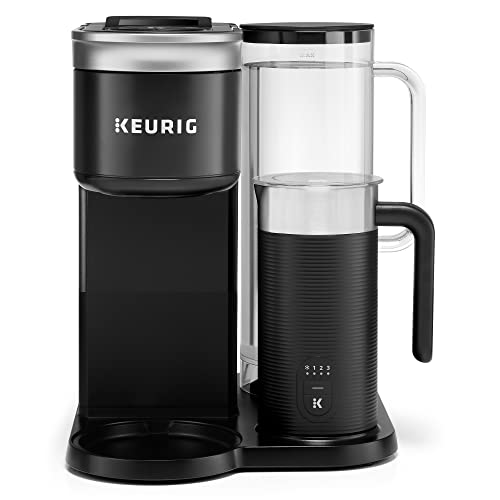


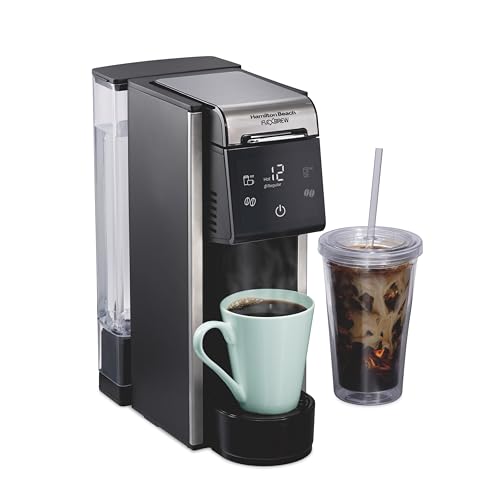
Types of Carafe Less Coffee Makers Compared
Every carafe less design removes the glass pot, but that is where the similarity ends. Pod machines brew one cup on demand, cold brew makers steep slowly in the fridge, and espresso machines push pressurized water through fine grounds. Prices run from around $30 for a simple cold brew pitcher to about $700 or more for a capable home espresso machine, so understanding the type matters far more than comparing individual features.
Single Serve Pod Machines
A pod machine heats water and forces it through a sealed capsule of ground coffee, giving you one fresh cup in about a minute with almost no measuring or cleanup. The big advantage is consistency and speed on busy mornings, plus the freedom for each person in the house to choose a different drink. The trade offs are real, though. Pods cost far more per cup than loose grounds, the flavor range is limited by the capsule menu, and used pods create steady waste unless you choose reusable capsules and fill them yourself.
Choose this type if you drink one or two cups a day, value convenience over ritual, and dislike washing parts. Skip it if you often serve coffee to guests, because brewing cup after cup for a group is slow and expensive.
Cold Brew Makers
A cold brew maker steeps coarse grounds in cold or room temperature water for about 12 to 24 hours, then filters out the grounds and stores the concentrate in the fridge. The result is smooth, naturally sweeter coffee with lower acidity, and a batch can last a week, so weekday mornings need only a pour and a splash of water or milk. Most models are simple pitchers or jars with a filter, which keeps prices low, often under $50, and cleanup easy.
The catch is planning. You cannot decide at 7 in the morning to have cold brew at 7:15, and the method only makes cold or room temperature coffee unless you dilute the concentrate with hot water. Choose this type if you love iced coffee, want to prep ahead, and prefer the lowest possible cost per cup.
Espresso Machines
An espresso machine pumps hot water through finely ground, tightly packed coffee at about 9 bar of pressure, producing a small concentrated shot topped with crema. From that shot you can build lattes, cappuccinos, and Americanos, which makes this the most versatile and most demanding type on this list. Good home machines range from about $150 for basic models to $700 or more for machines with strong steam wands and stable temperature control.
Expect a learning curve. Grind size, dose, and tamping all change the taste, and you will spend the first weeks adjusting. Choose this type if you enjoy the process, drink milk based coffee shop drinks at home, and want the deepest flavor control of any carafe less option.
Single Serve Pod Machines vs Cold Brew Makers: Which Should You Choose?
These two types sit at opposite ends of the convenience spectrum, so a direct comparison helps. On speed, the pod machine wins easily, delivering a hot cup in about a minute while cold brew needs half a day of steeping. On cost per cup, cold brew wins by a wide margin, since loose grounds cost a fraction of capsules. On flavor, cold brew is smooth and sweet but one note, while pods offer variety across roasts and blends, though rarely the freshness of beans you grind yourself.
Cleanup favors cold brew slightly, because you empty a filter once per batch instead of dealing with a capsule after every cup. Storage favors pods if fridge space is tight, since a pitcher of concentrate takes real room. If your mornings are rushed and unpredictable, choose the pod machine. If your routine is steady and you drink coffee cold most days, cold brew gives better value and less daily fuss. Some households happily keep both, using each where it shines.
How to Choose the Right Carafe Less Coffee Maker
Brewing Method and Coffee Style
Start with the drink, not the machine. If you love a big mug of mild coffee, a pod machine set to a larger cup or a cold brew concentrate diluted with hot water fits best. If short, intense drinks are your thing, only espresso delivers that concentration and texture. Think about your household too. A machine that brews one serving at a time suits solo drinkers, while anyone who hosts brunch often may miss the batch capacity a carafe provides, a point worth weighing through our guide to the best coffee pot makers before you commit to going carafe less.
Brew Temperature and Extraction
For drip style and pod brewing, water around 195 to 205 degrees Fahrenheit extracts coffee evenly without scorching it, a range the Specialty Coffee Association treats as the standard for balanced flavor. Machines that brew too cool taste sour and thin, so look for models that state their brewing temperature or carry SCA certification. Espresso adds pressure to the equation, with about 9 bar at the coffee puck considered ideal. Pump driven machines hold that pressure steadily, while cheap steam driven models often fall short and produce weak, bitter shots.
Programmable Features and Controls
Useful controls depend on the type. Pod machines benefit from adjustable cup sizes and a strong brew setting that slows the water for a bolder cup. Espresso machines benefit from a programmable timer for shot volume and clear temperature or pressure gauges. A programmable start timer matters less here than on carafe machines, because most carafe less drinks brew in minutes anyway. Auto shut off is worth having for safety and energy savings, and simple physical buttons often age better than touch screens that dislike wet fingers.
Cleaning, Descaling, and Maintenance
Ask how many parts you must wash daily and whether they are dishwasher safe. Pod machines need their drip trays and capsule bins emptied often, and espresso machines need the portafilter and steam wand cleaned after every use, because dried milk is stubborn and unhygienic. Mineral scale from hard water slowly chokes any heated machine, so a model with a descale alert and a clear descaling cycle saves guesswork. Also count ongoing costs, such as water filters, cleaning tablets, and pods, since a cheap machine with pricey supplies can cost more within a year. For a broader look at machine styles and upkeep, see our guide to the best coffee machine makers.
Setup and Care Tips
Use filtered water from the first day. It protects flavor and slows scale buildup inside the boiler and lines. Descale every one to three months depending on your water hardness, and sooner if the machine alerts you or the flow slows down. Wipe the steam wand and rinse the brew basket or filter right after each use, because coffee oils turn rancid and make fresh coffee taste stale. Finally, store beans and pods away from heat and sunlight, and buy amounts you will finish within a few weeks.
Frequently Asked Questions
Can I use regular coffee in a carafe less coffee maker?
Yes, in most cases. Cold brew makers and espresso machines are built for regular ground coffee, though each needs a specific grind size. Pod machines need reusable capsules that you fill with your own grounds, which adds a minute of prep per cup but cuts cost and waste a lot. The one limit is preground coffee that has sat open for months, since stale grounds taste flat in every brewing method.
Is a more expensive carafe less coffee maker really worth it?
Sometimes, but not automatically. Higher prices usually buy steadier temperature, stronger pumps on espresso machines, better build quality, and easier cleaning rather than a completely different drink. If you brew once a day and like simple coffee, a mid priced model around $100 to $250 covers most needs. Spend more only when you know which upgrade you want, such as real espresso pressure or a machine that will last a decade.
What grind size works best with a carafe less coffee maker?
It depends on the type. Cold brew needs a coarse grind like raw sugar, because fine grounds over extract during the long steep and slip through the filter. Espresso needs a fine, even grind, similar to table salt, to resist the pressure and extract in about 25 to 30 seconds. Reusable pods work best with a medium fine grind. When in doubt, change only the grind first before adjusting anything else, since it has the biggest effect on taste.
How often should I descale my carafe less coffee maker?
Descale every one to three months for most homes. Hard water areas and heavy daily use push you toward monthly, while filtered water and light use stretch the interval. Watch for warning signs between cycles, such as slower brewing, sputtering, cooler coffee, or a descale light. Cold brew makers never need descaling because they use no heat and no narrow water lines, which is one more reason they are the lowest maintenance option here.
How long does a carafe less coffee maker usually last?
A simple cold brew maker can last many years because it has almost no parts to fail. Pod machines typically last about three to five years with regular descaling, and a well maintained espresso machine can run a decade or more, especially models with replaceable gaskets and widely available parts. Longevity depends mostly on water quality and cleaning habits. If keeping a warming pot matters more than any of this, compare the options in our guide to the best coffee makers with thermal carafe.
Is a carafe less coffee maker with a built in grinder worth it?
It can be, mainly for espresso, where fresh grinding changes the result the most. Freshly ground beans keep their aroma far better than preground coffee, and a built in grinder saves counter space and a separate purchase. The downsides are a higher price and one more part to clean and eventually repair. For cold brew and pod use, the gain is smaller, so a separate basic grinder or good preground coffee is usually the smarter spend.
Final Thoughts
Choosing among carafe less types comes down to three questions. How fast do you need your coffee, how much daily effort will you accept, and what will each cup cost you over a year? Answer those honestly and the right type picks itself, whether that is pod convenience, cold brew value, or espresso control. Look back at the product table above to compare current models in the type you chose, and you will be well placed to find the best carafe less coffee makers for your kitchen and your routine.


