
Best Camping Coffee Percolator Guide for 2026: Choosing for Camp and Home
Disclosure: We may earn a commission when you buy through links on this page, at no extra cost to you. As an Amazon Associate I earn from qualifying purchases. Learn more

Choose the best camping coffee percolator for your group, stove and pack space, with clear guidance on capacity, materials, heat control and care.
Morning at a campsite rarely goes to plan. Someone is hunting for matches, someone else is shaking rain off a tent fly, and everyone wants coffee before the day sorts itself out. Choosing a best camping coffee percolator for your household means matching capacity, stove type, and pack space to the way you actually camp, and the comparison table below will help you compare those basics side by side.
This guide skips brand hype and focuses on fit. You will learn which sizes suit a couple versus a family group, why material matters over an open flame, how heat control changes flavor, and what daily care looks like back home.
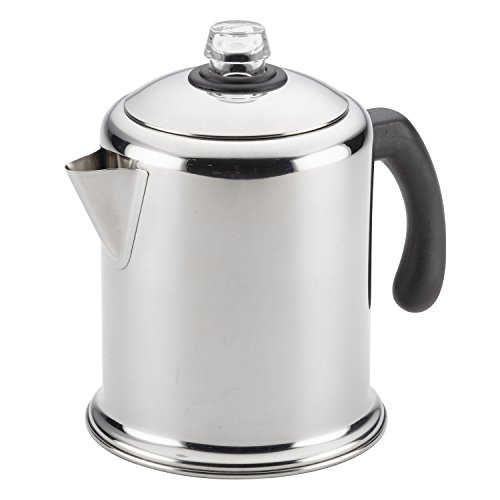
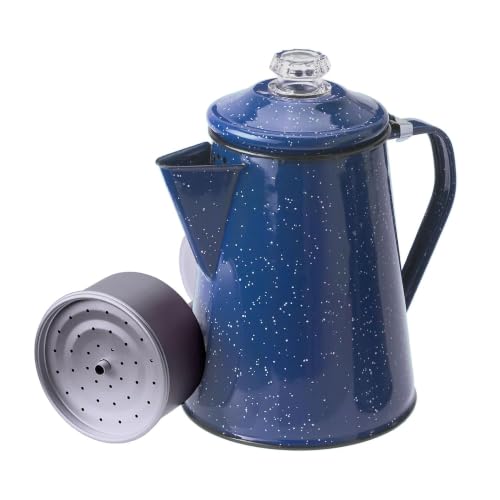

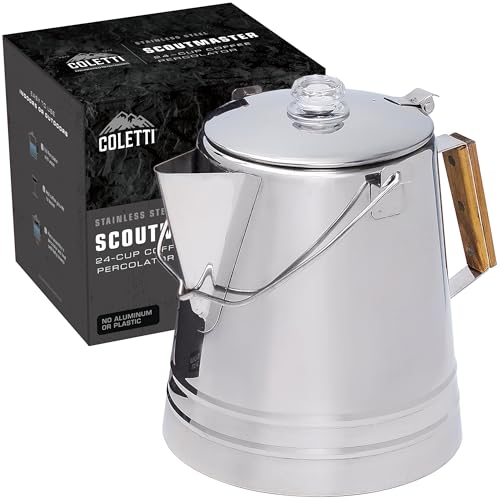
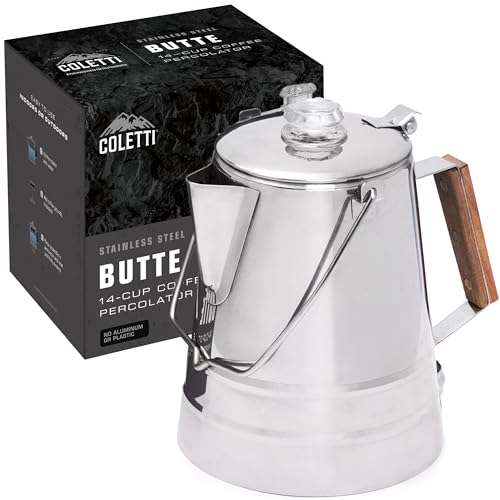
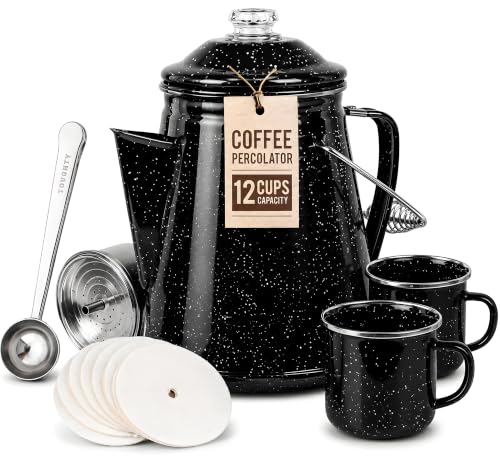
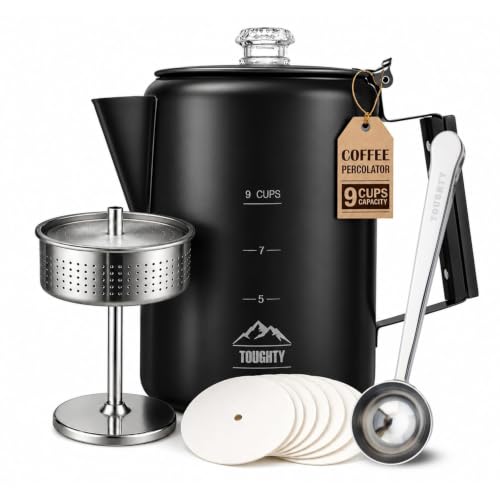
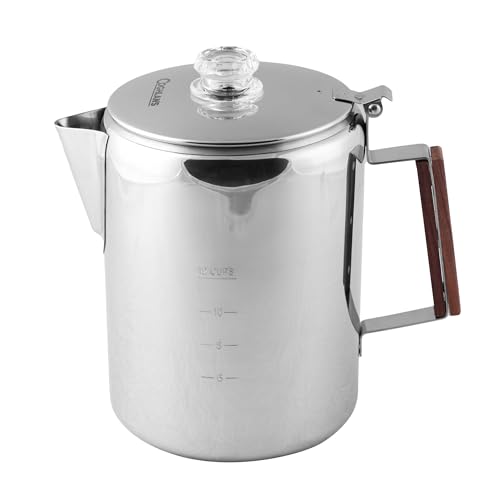
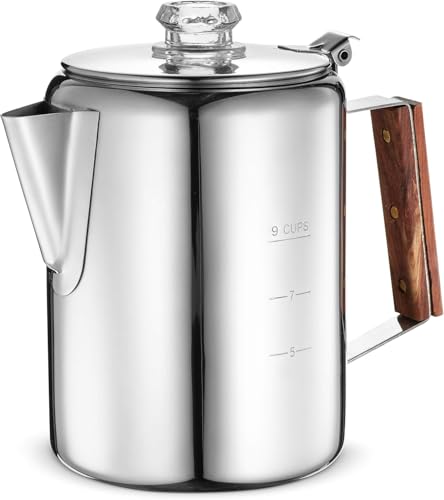

Camping Coffee Percolator: Three Buying Profiles in 30 Seconds
If you camp as a pair and pack light, choose a small stainless steel pot in the 6 to 8 cup range that nests with your cook kit. If you brew for a family or a group of friends, a 9 to 12 cup pot with a sturdy handle and a secure lid saves you from brewing a second round. If you want one pot for camp and for guests at home, pick the heavier stainless steel build, accept the extra weight, and plan storage space for it in a kitchen cabinet.
Every profile below assumes a stovetop style pot with no cord and no battery. That matters at sites without power and on gas or wood stoves at home.
Before You Buy: A Quick Checklist for Choosing a Coffee Percolator
A camping percolator is a simple system. Cold water sits in the base, ground coffee sits in a basket above it, and a hollow stem carries hot water up so it sprays over the grounds and drains back down. Because the design is simple, small differences in size, metal, and fit have an outsized effect on taste and on how calm your mornings feel.
Which Type Fits Your Routine
Most camping models are stovetop pots that work on a camp stove, a grill grate, or a home burner, and our guide to the best stovetop coffee percolator explains that format in more depth. Electric models need an outlet, so they suit powered sites and home counters rather than remote camps. If you also want a pot for daily kitchen use, compare your short list with the broader best coffee percolator options before you decide which single pot can do both jobs well.
Brew Temperature and Percolation Control
Good coffee extracts best in water at about 195 to 205 degrees Fahrenheit, just below a hard rolling boil. With a percolator you control that range by ear and by eye, easing the heat down once the pot starts to perk so the coffee bubbles gently rather than boiling hard. Boiling hard for several minutes pulls out bitter flavors and can make even fresh grounds taste harsh. A clear knob on the lid helps here, since you can watch the color deepen and lift the pot off the heat when the brew looks ready.
Capacity, Basket and Filter Basics
Percolator cup markings usually mean small 5 to 6 ounce cups, not large mugs, so a 9 cup pot may fill only four generous mugs. Count your real drinkers, then size up by one or two cups if guests often join you. The basket should sit level, hold enough grounds for a strong brew, and leave room for water to circulate without pushing grounds over the edge. Most metal baskets need no paper filter, though optional paper discs can reduce sediment if you prefer a cleaner cup.
Pack Size, Weight and Storage at Camp and Home
Measure the pot with its handle and spout included, because those parts decide whether it fits in your camp bin or clashes with other cookware. A bail handle folds or swings for packing and helps you lift the pot off a grate, while a fixed side handle pours more steadily at a table. At home, check cabinet height and shelf depth the same way you check a camp bin. A pot that stores easily gets used often, while an awkward one ends up left behind.
Realistic Budget Ranges
Most camping percolators cost about $25 to $75, with enamel and thin aluminum models tending toward the lower end and thicker stainless steel models toward the upper end. Under $50 you can expect a sound basic pot, though handles, knobs, and lids may feel less refined. Spending more mainly buys heavier metal, better fitted parts, and a finish that resists dents and stains over years of trips. Budget a little extra for a spare glass knob and paper filters if you choose to use them.
Three Buying Profiles and What to Prioritise
The profiles below replace any short list of named products. Use them to read the product table above with your own trip pattern in mind. Each profile names the specs that matter most and the trade off you accept in return.
Solo and Pair Campers Who Pack Light
Prioritise a 6 to 8 cup capacity, a compact body, and a handle that does not snag on other gear. A smaller pot heats faster on a single burner stove, uses less fuel, and leaves room in your bin for food and layers. The trade off is obvious on group trips, where you will brew twice or ask others to wait. If most of your nights out are for one or two people, that compromise is worth it for the space you save on every single trip.
Families and Groups Who Brew in Rounds
Prioritise a 9 to 12 cup capacity, a wide base for stability, and a lid that stays put when you pour. A wide base matters on uneven camp stoves and grill grates, where a tall narrow pot can wobble as it heats. Look for a handle you can grip with a pot holder and a spout that pours in a steady stream into mugs on a picnic table. The trade off is pack bulk, so assign the pot its own spot in the vehicle rather than squeezing it in last.
Long Term Value Buyers Who Want Stainless Steel
Prioritise thick stainless steel, a firmly riveted or welded handle, and replacement parts that are easy to source. This material resists rust, shrugs off campfire soot after a wash, and does not hold flavors from earlier brews, and the best stainless steel coffee percolator guide covers grades and finishes in detail. The trade off is weight and price, since a heavy pot is noticeable in a backpack and costs more up front. For car camping and home use, that durability usually repays the extra cost over many seasons.
How to Judge Quality Before You Order
Start with the fit of the lid and basket, since loose parts rattle, leak steam, and let grounds slip into the brew. Check product photos and descriptions for a stem that seats firmly in the base and a basket lid that closes flat. Look at handle attachments, knob material, and whether the maker lists spare parts such as knobs and baskets. Finally, weigh the stated capacity against your mug count, read the care instructions for flame and dishwasher limits, and favor clear specifications over bold flavor claims.
Heat source fit is part of quality too. Confirm the pot suits your stove type, whether that is gas, a two burner camp stove, a grill, or an induction hob at home, since not every base works on induction. If you plan to use an open fire, expect soot on the exterior and choose a finish you are happy to scrub. A pot matched to your heat source will perk evenly instead of scorching on one side.
Camping Percolators Compared With Other Brewers
A percolator brews a bold, hot cup and keeps working without filters, pods, or power, which is why many campers accept its stronger flavor. A pour over setup tastes cleaner and lighter but needs a kettle, filters, and a slower hand pour that can feel fussy on a cold morning. A French press is simple and rich, yet its glass or thin walls can be fragile in a camp bin and it offers no way to reheat coffee on the stove. An electric maker is convenient at home or at a powered site, but it adds a cord, a counter footprint, and one more appliance to store.
The honest trade off is control. Percolated coffee can turn bitter if you leave it boiling, while other methods forgive timing errors more easily. In return you get a single sturdy pot that brews, reheats, and even heats water for tea or washing up.
Common Buying Mistakes to Avoid
- Buying by cup count alone, then finding that small percolator cups leave your group short of full mugs.
- Choosing a tall narrow pot for an uneven camp stove, where it can tip as the water comes to a boil.
- Ignoring handle and knob materials, then struggling to lift or pour a hot pot safely with camp gloves.
- Assuming every metal base works on induction, then discovering at home that your hob will not heat the pot.
- Picking the lightest pot for group trips, so thin walls dent early and the lid fit worsens with use.
- Forgetting storage space, so the pot fits neither the camp bin nor the kitchen cabinet you planned for it.
Cost of Ownership and Care
Running costs are low. You need coffee, fuel for your stove, and the occasional replacement knob, basket, or paper filter if you use one, with no pods or proprietary parts to reorder. Rinse the pot and basket soon after brewing, wash with warm soapy water, and dry the stem and basket well so old coffee oils do not linger and turn stale. Our guide on how to clean a coffee percolator walks through removing stubborn buildup without harsh scrubbing.
Store the pot with the lid ajar so the inside dries fully and does not develop a musty smell between trips. Check the knob for cracks before each season, since a weakened glass or plastic top can fail over heat. Avoid thermal shock by letting a hot pot cool a little before rinsing it in cold lake or tap water. With that basic care, a stainless steel camping percolator can serve for many years of regular use.
Your Questions, Answered
What is the most reliable coffee percolator brand?
No single brand is the most reliable for every camper, so judge reliability by build details instead of a name. Look for thick metal, a handle that does not flex when the pot is full, a lid that seats firmly, and spare knobs and baskets that are easy to order. A maker that publishes clear care and parts information is a better sign than bold lifetime claims.
How do you clean a coffee percolator?
You clean a coffee percolator by emptying the grounds, rinsing each part, and washing the pot, stem, and basket in warm soapy water. For stale oils, a soak with a little baking soda in warm water loosens residue so a soft sponge can lift it without scratching. Dry every part fully before storage, and run a plain water perk at home if the last brew tasted flat or bitter.
Is a coffee percolator worth it?
A coffee percolator is worth it if you value a sturdy pot that brews without power, filters, or pods and can reheat coffee right on the stove. It suits campers and households that enjoy a bold cup and do not mind watching the heat for a few minutes. If you prefer a mild, delicate flavor with little attention, a pour over or press method may suit your taste better.
How long does a coffee percolator last?
A coffee percolator can last for many years, and a stainless steel model often lasts well over a decade with basic care. Knobs and baskets are the parts most likely to need replacement, since heat and handling wear them first. Lifespan drops when a pot is left wet in storage, overheated empty on a stove, or dropped onto rock or concrete at a campsite.
Are camping coffee percolators worth it?
Camping coffee percolators are worth it for campers who brew for a group, camp without power, and want one pot that also heats water. They remove the need to pack separate fragile brewers and disposable filters for every trip. They are less worthwhile for backpackers counting every ounce, where an ultralight single cup method saves real weight and space in a pack.
What is the best camping coffee percolator?
The best choice is the pot that matches your group size, stove, and storage space, with the material and handle you will handle safely when hot. For most car campers that means a stainless steel stovetop model sized one step above your usual mug count. If you are still learning the method, our guide on how to use a coffee percolator covers grind size, heat, and timing step by step.
Final Thoughts
A good camping morning does not need complicated gear. It needs a pot that fits your stove, feeds your group in one round, and cleans up without a fuss when you get home. Use the product table above to compare capacity, material, and handle design against the profile that sounds most like your household.
When you choose the best camping coffee percolator for your trips, you are really choosing calmer mornings, less gear to pack, and coffee that tastes like the place you woke up in. Pick the size honestly, keep the heat gentle, and your pot should serve you well for many seasons.


