
Best Ceramic Pizza Stones (2026): Buying Guide
Disclosure: We may earn a commission when you buy through links on this page, at no extra cost to you. As an Amazon Associate I earn from qualifying purchases. Learn more

Pick the best ceramic pizza stone for your oven: compare round, rectangular and thick stones by size, finish, temperature rating, care and budget.
Homemade pizza can sound simple until the crust comes out pale and soft in the middle while the toppings are already done. A stone fixes that by holding oven heat and passing it into the dough from below. If you are shopping for the best ceramic pizza stone for your kitchen, the right choice depends on oven space, how many people you feed, and what you can spend. Our guide to the best pizza stone gives wider background, and the product table lists current stones.
Ceramic suits many homes because it heats evenly and costs less than most steel options. It needs gentle handling, because a sudden temperature change or a drop can crack it.

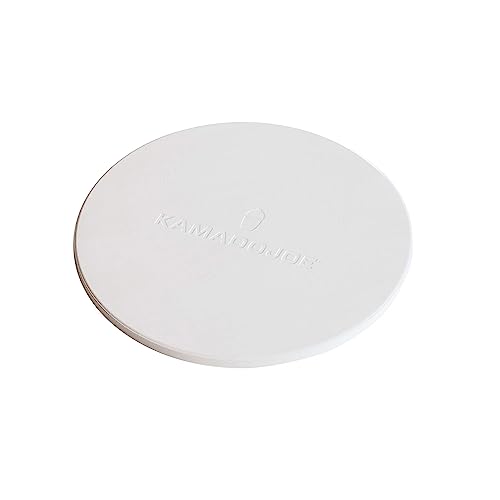


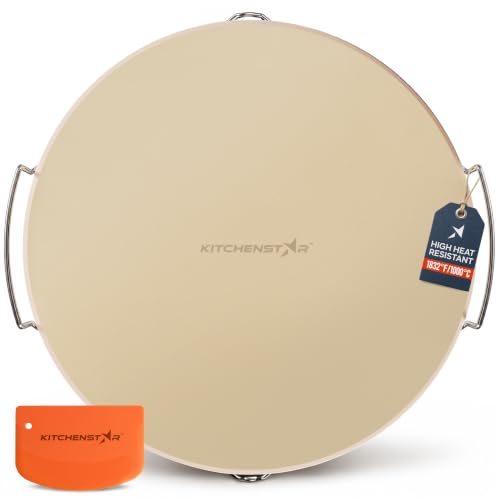
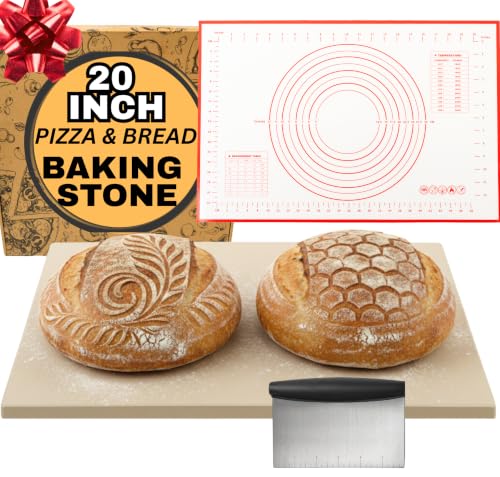


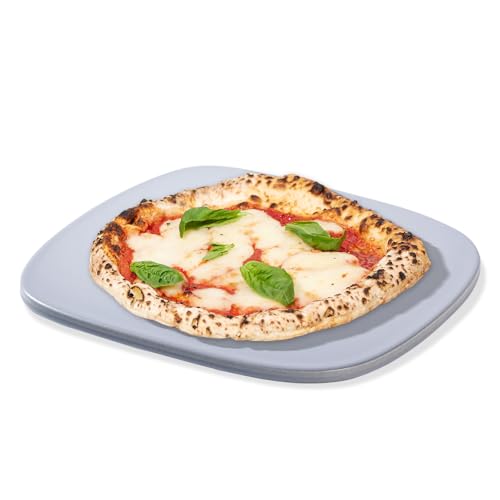

Quick Answer: Ceramic Stone Types in 30 Seconds
Match one of three types to your routine. A round unglazed stone is the classic choice for round pizzas and even browning. A rectangular stone gives more surface for two smaller pizzas or flatbread. A glazed stone releases food more easily, though its surface can give a slightly softer crust.
- Round unglazed ceramic: best for one pizza at a time and a crisp base.
- Rectangular ceramic: best for families, bread, and using more of the rack.
- Glazed ceramic: best for easy release and simple cleanup.
Leave at least one inch of space on all sides so hot air can move around the stone.
Before You Buy: A Quick Checklist for Choosing a Pizza Stone
Size: Match It to Your Space
Measure the inside of your oven first, and note the width, depth, and space between rack supports. Common round sizes run about 12 inch, 14 inch, 15 inch, and 16 inch, while rectangular stones use corners a round stone wastes. A 12 inch stone suits a compact oven. A 14 inch or 15 inch stone fits most ovens and feeds two to four people. Guidance for the best pizza stone for oven use starts here, because a stone that touches the walls blocks airflow.
Which Type Fits Your Routine
Ceramic is one of several materials, and each behaves a little differently. Cordierite handles high heat and sudden temperature changes better than plain ceramic, so it suits bakers who move a stone often. Cast iron holds heat well and will not crack, but it is heavy. Steel heats fastest, yet it costs more. Ceramic sits in the middle, with gentle even heat and a moderate price, which is why it remains popular for the best pizza stone for home oven setups used a few times a month.
Features Worth It and Ones to Skip
A pizza peel is the one extra that truly earns its place, because it lets you build the pizza on the peel and slide it onto the hot stone without stretching the dough or spilling toppings. Handles or a serving rack help only if you plan to bring the stone to the table. Most people leave the stone in the oven and lift the pizza out with the peel. Skip bundled cutter sets and extra trays if you already own basic tools, since they add cost without changing how the crust bakes.
Light vs Dark Finish and Browning
A light unglazed surface absorbs a little moisture from the dough, which helps the bottom stay crisp rather than soggy. A dark surface absorbs heat faster and browns the base more deeply, but it can scorch a thin crust if the oven runs hot. A glazed surface releases spills more easily, with a base that tends to stay softer. If you mostly bake thin crust pizza, lean toward unglazed. If you bake thick dough and want easy cleanup, a glazed or darker finish may suit you better.
Oven Safe Temperature
Check the stated temperature limit before you buy. Many ceramic stones are rated for use up to about 450 to 500 degrees Fahrenheit, which covers most home pizza recipes. A stone used above its rating can weaken and crack over time. Preheat the stone with the oven so both rise together, and never place a cold stone into a fully hot oven. Also confirm whether the stone is meant for oven use only, because not every ceramic stone is approved for grill heat.
Nonstick Coating vs Uncoated
Most ceramic stones are uncoated, and that is a strength rather than a flaw. An uncoated surface draws moisture from dough, seasons gradually, and tolerates metal tools better than a coated surface. A nonstick coating makes release easier at first, but coatings can wear, scratch, and limit the maximum safe temperature. They also stop the surface from absorbing moisture. For pizza, where a dry crisp base is the goal, uncoated ceramic is usually the more durable choice.
Realistic Budget Ranges
Expect three broad price bands. Under about $30, you will find thinner basic stones that work well for occasional use if handled gently. About $30 to $50 covers most thicker stones with better heat retention and a choice of shapes and finishes, and this band suits most families. Under about $100, you enter larger stones and sets that include a peel or rack. Spending more mainly buys thickness and size, so choose on those first.
Ceramic Stone Types Compared for Real Homes
Everyday Round Ceramic for Most Kitchens
A round stone in the 14 inch to 15 inch range is the easiest starting point for most homes. It matches the shape of a typical pizza, fits on a middle rack, and leaves room for air to circulate. This type suits couples and small families who bake one pizza at a time and want a surface for cookies or reheating leftovers until crisp again. Peels for this shape are easy to find.
Rectangular Ceramic for Families and Bread Bakers
A rectangular stone uses the full width of the rack, so you can bake two small pizzas side by side, a long flatbread, or a row of rolls without crowding. Families who feed four or more people often prefer this shape because fewer batches means everyone eats together. Bread bakers like it too, since loaves fit without hanging over an edge. The trade off is weight and storage, because a large rectangle is heavier to lift.
Thick Ceramic for Frequent Baking
Thickness shapes how much heat the stone stores. A thicker stone takes longer to preheat, often a full 45 to 60 minutes, but it holds its temperature when cold dough lands on it and recovers faster between pizzas in a row. That matters when you bake three or four pizzas for a group. A thinner stone heats sooner and is lighter to move, which suits bakers who make one pizza. If you bake often and in batches, choose thickness.
How to Judge a Ceramic Pizza Stone
Judge ceramic stones on five points, drawing on maker specifications and patterns in verified buyer feedback. Heat distribution comes first, because uneven heating leaves pale spots on the crust. Food release matters for cleanup. Crack resistance shows how the stone handles repeated heating cycles. Material safety covers whether the surface is food safe and free of coatings that limit heat.
Strengths and Limits of Ceramic Compared With Other Pizza Stones
Ceramic warms evenly, so the top and bottom of the pizza tend to finish at the same time. It is also lighter than steel or cast iron of the same size, which makes it easier to move and store. On the down side, ceramic can crack from thermal shock or a drop, and it stains over time. Our breakdown of pizza stone vs pizza steel explains how steel trades cost and weight for faster heating. The guide to the best grill pizza stone covers stones rated for grill heat, which plain ceramic often is not.
- Strength: even heat, moderate price, light weight, familiar care.
- Strength: unglazed surfaces draw moisture from dough for a crisper base.
- Limit: risk of cracks from sudden temperature changes or drops.
- Limit: stains build up with use and do not wash away.
Common Buying Mistakes to Avoid
- Buying a stone that fills the whole oven: without space around it, hot air cannot circulate and the crust bakes unevenly.
- Ignoring the temperature rating: using a stone above its limit weakens the ceramic and raises the chance of a crack.
- Paying for extras you will not use: bundled cutters and trays add cost while the stone does the real work.
- Choosing size by pizza diameter alone: a stone also needs room for the peel to approach and adjust the pizza.
- Expecting a white surface forever: dark stains are normal and do not mean the stone is dirty or worn out.
- Storing the stone under heavy pans: weight on one edge in a cabinet can chip or crack it.
Cost of Ownership and Care
Ownership costs stay low with ceramic. There are no parts to replace on a schedule, and the main extra you may buy once is a peel, which usually costs about $15 to $30. Energy cost comes from the long preheat, so baking two pizzas in one session uses that heat better than heating the stone twice. For care, let the stone cool fully in the oven, scrape off baked food with a plastic scraper, and wipe it with a damp cloth. Avoid soap on unglazed ceramic, because its pores can absorb it.
Store the stone flat, on an oven rack or in a cabinet where nothing heavy rests on it. Keep it dry, since a damp stone in a hot oven faces steam stress. Never set a hot stone on a cold counter or in water.
FAQ
Can a ceramic pizza stone go on a grill?
Only if the maker rates that exact stone for grill use. Many ceramic stones are made for oven heat alone, and direct flame heats one area much faster than the rest, which can crack the ceramic. Grill rated stones are built to handle that uneven heat. If your stone paperwork mentions ovens only, keep it in the oven and use a grill rated stone or a cast iron pan outside instead.
How do you clean a ceramic pizza stone without harming the surface?
Let the stone cool completely, scrape off loose food, and wipe it with a cloth dampened with plain water. For stubborn baked on cheese, a paste of baking soda and a little water can lift residue without soap. Our walkthrough on how to clean a pizza stone adds a point for glazed stones, which can handle a gentle wash that unglazed stones should skip because their pores absorb soap.
Is a ceramic pizza stone worth it for frozen pizza?
Yes, if you eat frozen pizza often and dislike a soggy center. A preheated stone crisps the base far better than a thin metal pan, because stored heat drives moisture out of the crust from below. Place the frozen pizza on the stone only after the stone is fully hot. For an occasional frozen pizza, a heavy baking sheet is adequate, but regular buyers notice the difference quickly.
How long does a ceramic pizza stone last with weekly use?
A ceramic stone used weekly and handled with care can last for years, because there is no coating to wear out. Most early failures come from a single event such as a drop or cold water on a hot stone. Darkening does not shorten its life. If a fine crack appears but the stone stays in one piece, many bakers keep using it for bread while choosing a new stone for pizza.
Can you leave a ceramic pizza stone in the oven between bakes?
Yes, leaving the stone on a low or middle rack is a common and safe storage choice, and it saves cabinet space. Remember it is there when you preheat the oven for other dishes, because the stone absorbs heat and can change how a delicate bake behaves on the same rack. Move other dishes to a different rack instead.
Final Thoughts: Best Ceramic Pizza Stone
For most homes, a round or rectangular unglazed ceramic stone in the middle price band, sized with an inch of space to spare, will cover pizza nights, bread, and reheating with little fuss. Choose glazed ceramic if easy release matters more than the crispest base, and choose a thicker stone if you bake several pizzas in a row. Use the product table above to compare types, then confirm size and rating for the best ceramic pizza stone for your oven.


