
Best Budget Pizza Peel: How to Get Real Value Without Overpaying
Disclosure: We may earn a commission when you buy through links on this page, at no extra cost to you. As an Amazon Associate we earn from qualifying purchases. Learn more
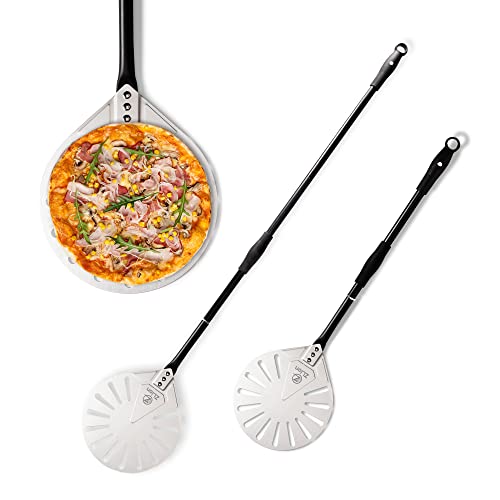
Getting a homemade pizza from your counter into a hot oven doesn't require expensive gear. In fact, one of the easiest ways to overspend on pizza night is buying a peel loaded with features you'll never use twice a month. A well-chosen budget pizza peel slides dough into the oven just as reliably as a pricier one, as long as you know which details actually matter and which ones are just marketing. This guide breaks down where it's safe to save money, where thin materials cause real problems, and how to get years of use out of an inexpensive peel.

Why Aluminum Is Usually the Smartest Budget Pick
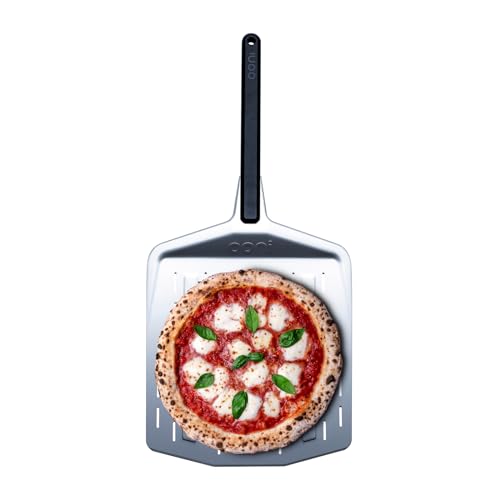
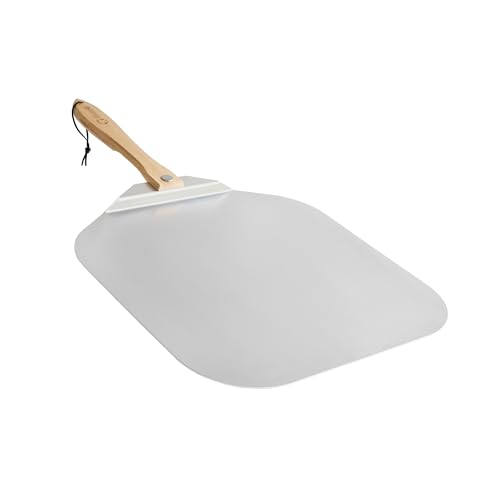
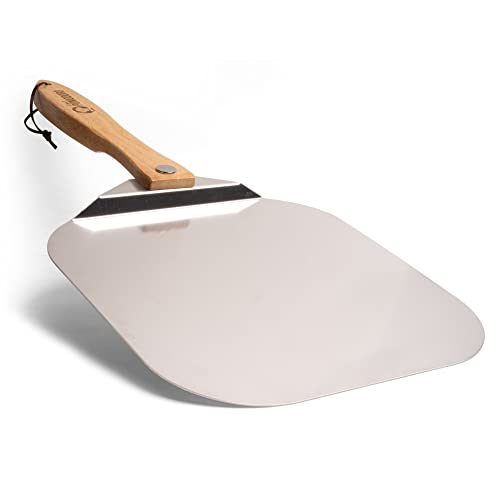
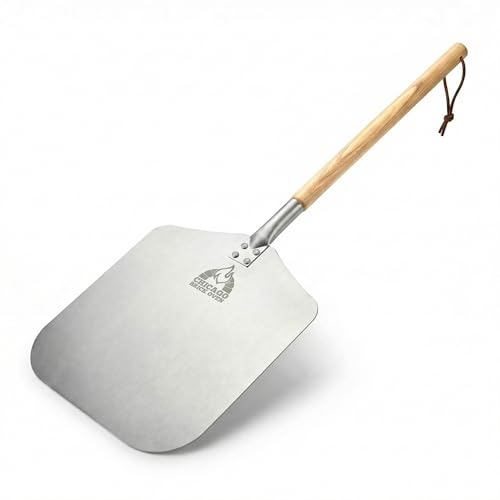
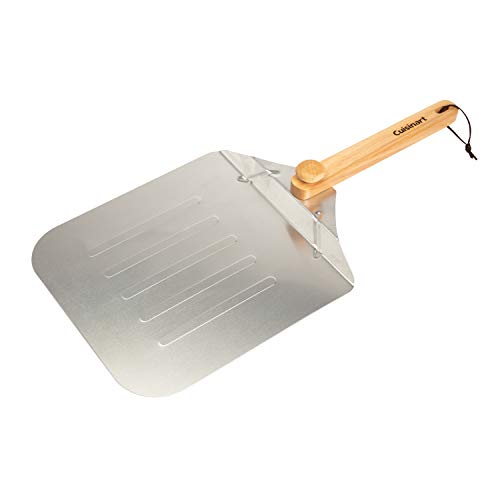
Most affordable peels on the market are stamped or cut from thin aluminum, and that's not a compromise so much as a genuinely good match for casual home use. Aluminum is cheap to manufacture in bulk, which keeps retail prices low without requiring the maker to cut corners on the metal itself. It also weighs a fraction of what a hardwood board weighs, so a loaded peel doesn't turn into a wrist workout every time you launch a pie.
The other advantage is upkeep. A hardwood peel needs occasional oiling and careful drying to avoid cracking, while an aluminum one can be rinsed, wiped, and put away without any special routine. For someone making pizza a few times a month rather than running a home pizzeria, that simplicity is worth more than a premium finish.
How Small a Peel Can You Actually Get Away With
Bigger isn't automatically better when you're trying to keep costs down, and oversized peels are one of the most common places people spend money they didn't need to. Matching the blade to what you actually cook saves you cash up front and makes the peel easier to store.
Matching Peel Size to a Standard Home Oven
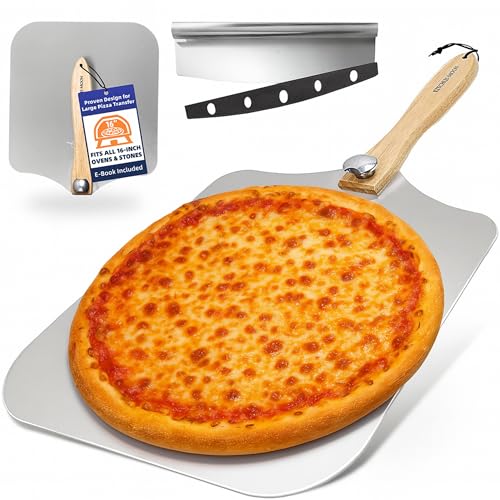
Most home ovens comfortably fit a 12 to 14 inch blade, which is also the range that covers the vast majority of personal and medium pizzas made at home. Going much larger only makes sense if your oven cavity is unusually deep or you regularly bake pizzas wider than 14 inches, which is uncommon in a standard kitchen range.
When a Compact Peel Actually Works Better
A smaller blade is also easier to maneuver in a tight oven opening, reducing the odds of scraping the door frame or knocking toppings loose mid-launch. If your household mostly makes personal-sized pizzas, a 10 to 12 inch peel is often more practical than a larger one, and it costs less to begin with.
Getting Real Durability Out of a Low-Cost Peel
Cheap doesn't have to mean flimsy. A well-built budget pizza peel can last for years, and the trick is knowing which few details separate one that holds up from one that bends or fails within a season.
Blade Thickness and Edge Finish
A very thin blade can flex under the weight of a loaded pizza, making it awkward to control at the exact moment you're trying to slide dough off cleanly. Look for a blade with at least a slight rigidity when you press on it in the store or check reviews mentioning flex. The front edge should also be smooth and slightly tapered rather than sharp or rough, since a rough edge tends to catch dough and tear the crust. For a broader rundown of the criteria that matter across every price range, our guide to the best-rated pizza peel covers this in more depth.
Handle Attachment Points to Check
On budget peels, the handle is often the first thing to fail, especially if it's riveted rather than welded or molded as one piece. Give the handle a gentle wiggle before buying if you can, or check that reviewers specifically mention it staying tight after repeated use. A peel with a one-piece aluminum handle tends to hold up better over time than one with a bolted-on wooden or plastic grip.
Aluminum vs Wood: Which Holds Its Value Longer
It's worth thinking about value rather than just the sticker price when you're comparing options. A basic aluminum peel is usually the lower upfront cost, and because it needs almost no maintenance, that low cost tends to hold up over years of casual use without extra spending on oil, conditioning, or replacement.
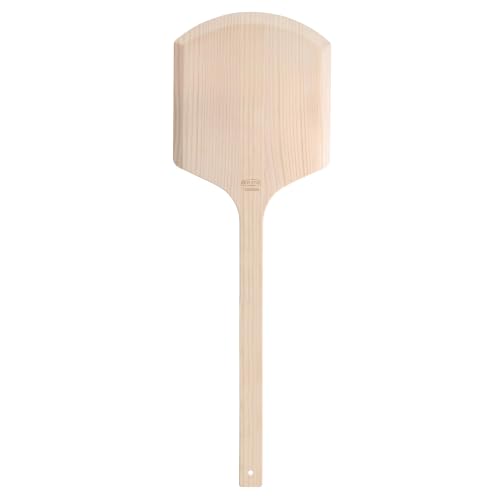
A hardwood peel typically costs more to begin with, but it can also last a very long time if you're willing to care for it properly, and many people simply enjoy the feel and presentation of wood for serving. The trade-off is time and attention: skip the maintenance and a wooden peel can warp or crack well before an aluminum one would ever show wear. If wood still appeals to you after weighing that, our guide to picking a wooden pizza peel walks through grain, thickness, and care in detail. For most people making pizza casually and prioritizing value, aluminum simply asks less of you over the long run.
Keeping a Budget Peel Working Well for Years
A little care goes a long way toward making an inexpensive peel outlast its price tag. Dry the blade fully after washing, since standing moisture on bare aluminum can eventually lead to pitting or a dull, chalky surface. Avoid abrasive scouring pads on any peel with a coated or anodized finish, since scratching through that layer exposes raw metal underneath.
Store the peel flat or hung up rather than leaning it against something with the blade under pressure, which helps it keep its shape. Dust the surface with semolina or coarse cornmeal rather than fine flour before loading dough, since coarser grains roll more easily and reduce the chance of sticking, which is one of the most common frustrations people run into with any peel regardless of price.
Frequently Asked Questions
Is a cheap aluminum pizza peel good enough for home use?
Yes, for most home cooks a well-made aluminum peel performs just as well as a pricier one. The material itself isn't the limiting factor; blade rigidity and a smooth edge matter far more than what the peel costs.
What size pizza peel should I buy on a budget?
A 12 to 14 inch blade fits nearly all standard home ovens and personal-to-medium pizzas. Buying larger only adds cost without adding real benefit unless your oven cavity is unusually spacious.
Do budget pizza peels warp or bend over time?
Aluminum peels resist warping far better than wood, since they aren't affected by moisture the same way. The main risk with a cheap metal peel is a very thin blade flexing under weight, which is a design issue rather than something that develops with age.
Perforated or solid, which is the better budget choice?
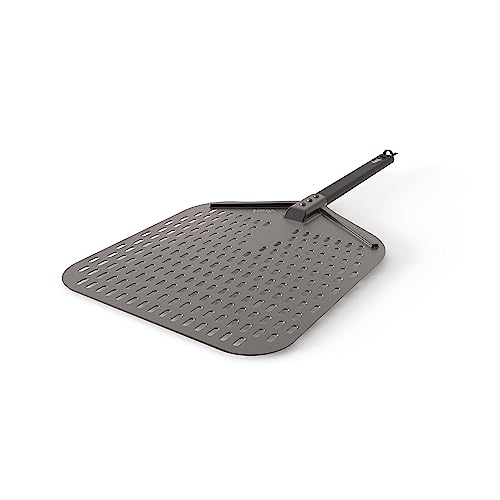
Solid peels tend to be more forgiving and easier to control for beginners, while perforated peels are lighter and help steam escape for a crisper crust. Either can be inexpensive; the choice comes down to experience level rather than price.
How do I stop dough from sticking to a budget peel?
Use a generous dusting of semolina or coarse cornmeal instead of regular flour, and work quickly once the dough is on the peel so it doesn't sit and absorb moisture. A quick shake test before launching tells you whether the dough is actually moving freely.
Can a budget peel handle a high-heat outdoor oven?
Most standard aluminum peels are fine at typical home oven temperatures, but very high heat outdoor ovens can warp thin blades or scorch wooden handles over time. If you're cooking at those temperatures regularly, look specifically for a peel rated for high heat rather than a general-purpose one.
Getting the Most Value From Your Pizza Peel
You don't need to spend a lot to get a budget pizza peel that does its job well. Focus your budget on a rigid blade, a smooth tapered edge, and a handle that won't loosen, and skip paying extra for size or features you won't actually use. Treated with basic care, an inexpensive aluminum peel can easily outlast the pizzas you make with it.