
Best Ceramic Kamado Grills (2026): Buying Guide
Disclosure: We may earn a commission when you buy through links on this page, at no extra cost to you. As an Amazon Associate I earn from qualifying purchases. Learn more
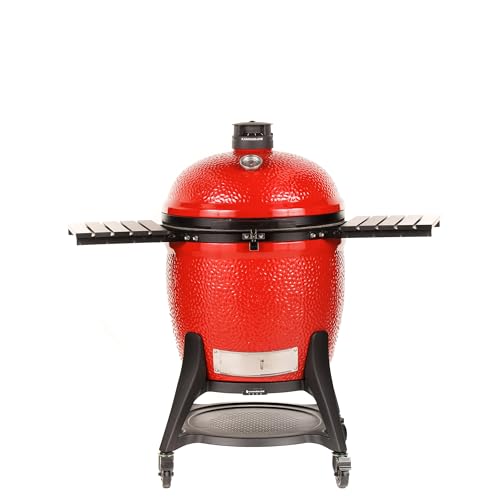
Match the best ceramic kamado grill to your patio: compare compact, mid size and large grills by footprint, cooking area, fuel use, care and budget.
Picture a Saturday at home where one grill has to smoke ribs at lunch, roast a chicken for dinner, and still leave room on the patio for chairs and a small table. That is the moment when choosing the best ceramic kamado grill becomes less about raw heat and more about fit. The right choice matches your space, your household size, and how often you actually cook outside.
This guide helps you pick the best ceramic kamado grill by footprint, cooking area, and budget before you look at any single model. Use the product table to compare current models, then work through the checklist below it.



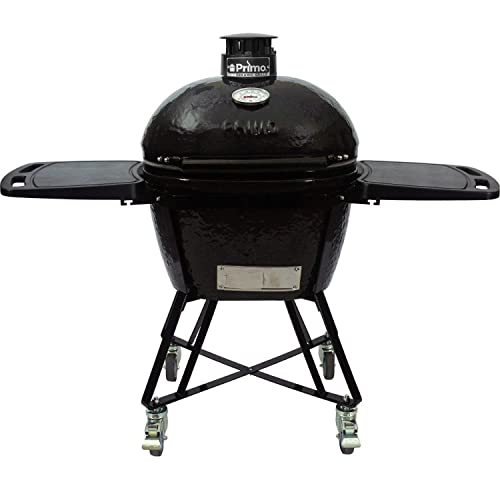


Quick Answer: Three Size Groups in Brief
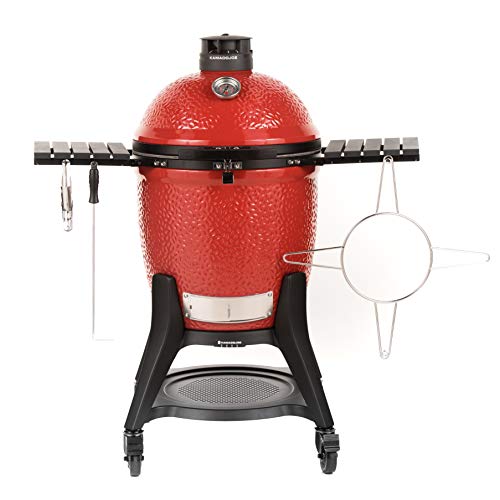
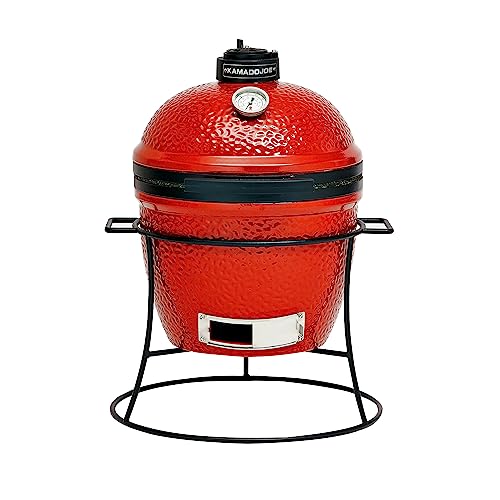
Ceramic kamado grills fall into three practical groups for home use. Compact grills suit one or two people and tight balconies. Mid size grills cover most family meals and fit a standard patio corner. Large grills add room for big gatherings and long smoking sessions, but they need more floor space and a stronger budget.
If you are unsure, begin with the mid size group and move only when your space or guest count demands it. Our broader guide to the best kamado grill options shows how ceramic models sit alongside other kamado styles.
Before You Buy: A Quick Checklist for Choosing a Kamado Grill
Work through each point below in order. Space and size come first, because no feature can fix a grill that crowds your patio or leaves food short of room.
Size: Match It to Your Space
Measure the spot where the grill will live, including room to open the lid fully and stand safely in front of it. Compact grills often measure about 13 to 16 inches across the grate. Mid size grills usually offer about 18 to 22 inches, while large and extra large grills reach about 24 inches or more. Also check the total footprint with the cart or stand in place, plus clearance from walls, fences, and overhangs stated by the maker.
Which Format Fits Your Routine
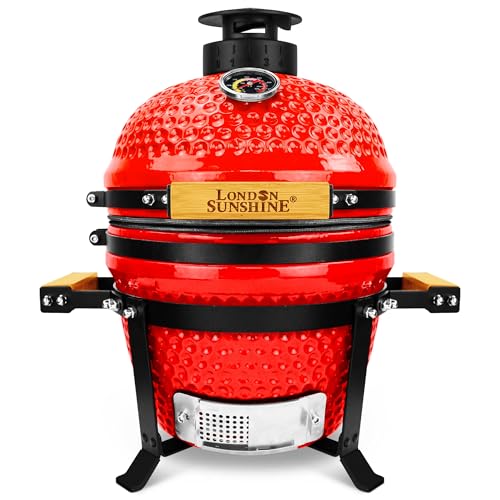
Think about where the grill sits during the week, not just on cooking day. A grill in a rolling cart moves easily for cleaning and storage. A grill set into a table gives you work surface on both sides but stays in one place. A tabletop format saves floor space on a sturdy outdoor table, though you lift it for every move. Pick the format that matches how often you move, cover, and store the grill at your home.
Features Worth Paying For and Ones to Skip
Pay first for a tight fitting lid, smooth vent controls, and a sturdy hinge that holds the heavy ceramic lid without strain. A built in thermometer, strong cart wheels, and side shelves also earn their cost in daily use. A rotisserie kit or pizza stone makes sense only if you already cook those foods often. Skip extra tool bundles and decorative add ons at checkout, since you can add single accessories later once you know your routine.
Fuel Type and Running Cost
Ceramic kamado grills burn lump charcoal, and that fuel choice shapes both flavor and cost. Lump charcoal lights fast, burns clean, and leaves little ash, but it costs more per bag than basic briquettes. A mid size grill uses a modest amount per cook, and the thick ceramic walls hold heat so well that long sessions need few refills. Budget for charcoal as a steady household cost, plus fire starters and a cover, rather than treating fuel as a one time expense.
Cooking Area and Heat Output
Cooking area, listed in square inches, tells you more than headline heat numbers for this grill style. About 200 to 250 square inches handles meals for two to four people. About 300 to 450 square inches suits most families and small gatherings. Tiered racks can raise total area, but only count space you can reach easily. Kamado grills do not use BTU ratings the way gas grills do, so judge heat by vent control and how steadily the grill holds your target temperature.
Build Materials and Weather Resistance
The cooking chamber should use thick ceramic that feels solid, with even glazing and no visible cracks or chips. Hardware matters too, so look for bands, hinges, and vents made from coated steel or stainless steel that resists rust outdoors. The gasket between lid and base should feel dense and sit flat all the way around. A fitted cover protects the finish and hardware between cooks, and it matters most if the grill lives outside through rain and winter.
Realistic Budget Ranges
Grills priced under $500 are usually compact models or basic mid size grills with a simple stand. Models at about $500 to $1000 cover most mid size grills with a cart and better hardware. Spending about $1000 to $1500 adds larger cooking areas and stronger hinges and vents, while grills over $1500 are mostly large models and table setups. Set your budget after measuring your space, because paying for size you cannot place wastes money.
Three Types Compared: Which Group Fits Your Home
Instead of ranking single models, compare the three groups below against your household. Each group below uses the same ceramic cooking style, so your decision rests on space, capacity, and daily ease of use.
Compact Grills for Small Households and Tight Patios
Compact ceramic grills suit couples, small families, and homes where patio space is shared with seating or plants. The grate handles a few chicken pieces, a small pork shoulder, or burgers for two to four people without crowding. The body weighs far less than larger grills, so moving and storing it feels manageable. If that sounds like your home, see our guide to the best small kamado grill choices for size details.
Mid Size Grills for Most Family Cooking
Mid size grills are the natural starting point for most homes. The grate fits a whole chicken with vegetables around it, a rack of ribs laid flat, or burgers for a family plus a few guests. Heat control feels forgiving at this size, and accessory choices are the widest of any group. For households that also host often, our guide to the best large kamado grill options shows what stepping up in size actually adds.
Large Grills for Big Gatherings and Long Smoking Sessions
Large ceramic grills serve homes that cook for crowds or smoke big cuts such as full briskets and multiple pork shoulders at once. The wider grate keeps food away from direct heat at the edges, which helps during long and slow cooks. The trade off is weight and footprint, since these grills need a firm and level surface and two people for any major move. Choose this group only when your guest count and menu truly demand the extra room.
How to Compare Ceramic Kamado Grills
Compare grills using maker specifications, verified buyer feedback, and the checklist in this guide. The factors are cooking area, heat control, build quality, fuel use, assembly effort, and cleaning effort. Give extra weight to fit for real homes, including footprint and household size.
Ceramic Compared With Steel and Insulated Metal Options
Ceramic holds heat longer than thin steel, so a ceramic grill keeps a steady temperature with less charcoal and fewer vent adjustments. That stability helps during long smoking sessions and cold evenings. Steel kamado style grills cost less and weigh less, and they shrug off knocks that could crack ceramic, but they lose heat faster and may rust sooner outdoors.
Insulated metal grills sit between the two, with double walls that improve heat retention over plain steel at a lower weight than ceramic. For most home cooks who value steady heat and fuel savings, ceramic remains the stronger long term choice. If you move the grill often, lighter metal may fit your routine better despite the extra fuel use.
Common Buying Mistakes to Avoid
- Buying a large grill for a small patio, which leaves no safe working room around hot ceramic.
- Choosing by grate size alone and forgetting the total footprint with the cart, shelves, and open lid.
- Ignoring the cost of charcoal, a cover, and replacement gaskets when setting the total budget.
- Paying for a rotisserie or pizza setup you rarely use while skimping on vent quality and hinge strength.
- Placing the grill on an uneven or soft surface, which strains the stand and makes lid movement unsafe.
- Skipping the maker clearance guidance for walls and overhangs, which risks heat damage to your home exterior.
Cost of Ownership and Care
Ongoing costs stay modest when you plan for them. Expect regular spending on lump charcoal and fire starters, plus a replacement gasket every few years as the seal flattens with heat cycles. Bands and hinges need a quick tightness check each season, and a cover slows wear on the finish. Ash removal after each cook keeps airflow clear and protects the firebox from damp ash.
Cleaning stays simple because high heat does most of the work. A periodic hot burn clears residue from the interior, and a soft brush clears the grate once it cools. For step by step detail, follow our guide on how to clean a kamado grill before your first deep clean. Never use water inside a hot grill, since sudden cooling can damage ceramic. Good care protects the body for many years of regular use.
Your Questions, Answered
Can you use a ceramic kamado grill on a wooden deck?
Yes, with care and the right setup. Place the grill on its stand or cart, never directly on the deck boards, and keep the clearance the maker states from rails and walls. A heat resistant mat under the stand adds protection against stray embers when you open the lid or empty ash. Move ash only when it is fully cold, and keep a clear path so you never carry hot coals across the deck.
How does a ceramic kamado grill handle cold and windy weather?
Ceramic walls give this grill a real advantage in winter, because the thick body holds heat that thin metal loses to cold air. Expect a longer warm up and slightly higher charcoal use on very cold days. Wind can push temperatures around by feeding the vents, so face the bottom vent away from the wind and make smaller vent changes than usual.
What charcoal works best in a ceramic kamado grill?
Natural lump charcoal is the standard choice, because it burns hot, produces little ash, and contains no fillers that affect flavor. Larger chunks suit long smoking sessions since they burn slowly and evenly, while a mix of chunk sizes works well for grilling. Store charcoal indoors or in a sealed bin, because damp lump lights poorly and smokes heavily. If a bag smells of chemicals, skip it and open a fresh one.
How do you move a ceramic kamado grill safely when you relocate?
Always move the grill cold and empty, with ash and charcoal removed first. Take out the grate and internal ceramic parts and pack them separately, since loose parts crack when the body shifts. Use two adults for the lift, keep the body upright, and never roll it over rough ground on its cart. At the new spot, check band and hinge tightness before the first fire.
When should you light a ceramic kamado grill for the first time?
Start with a moderate fire rather than maximum heat, even though most ceramic bodies arrive ready for normal use. A gentle first cook lets you learn vent control without overshooting your target, and it seasons the grate with a simple meal like chicken pieces. Our guide on how to use a kamado grill walks through lighting and vent basics for new owners. Keep the first session short, watch how the vents respond, and take notes for next time.
Final Thoughts
For most homes, a mid size grill balances cooking room, patio footprint, and price better than the smallest or largest groups, and it is where the search for the best ceramic kamado grill usually ends. Measure your space first, set a budget that includes charcoal and a cover, and then compare models within the size group that fits. Check the product table above once more before you order, and confirm the footprint and grate size on the product page so the grill fits your home the day it arrives.
