
Best Cast Iron Grills: Fuel, Heat Control and Upkeep (2026)
Disclosure: We may earn a commission when you buy through links on this page, at no extra cost to you. As an Amazon Associate I earn from qualifying purchases. Learn more

The best cast iron grills guide: fuel, heat control, cooking area and upkeep.
Buying your first cast iron grill feels different from buying any other grill, because the material itself is part of the deal. Cast iron holds heat in a way thin steel never will, but it also asks for seasoning, oiling, and a cover in return. If you are comparing the best cast iron grills for the first time, this guide walks you from the basic terms to the specs that actually decide how dinner turns out.
We will cover fuel types, heat output, cooking area, controls, and the care routine that keeps iron from rusting. The product table below lists current options, so read the basics first and then use the table with fresh eyes.


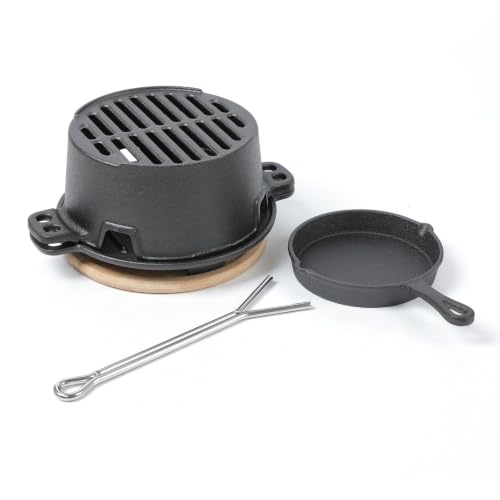


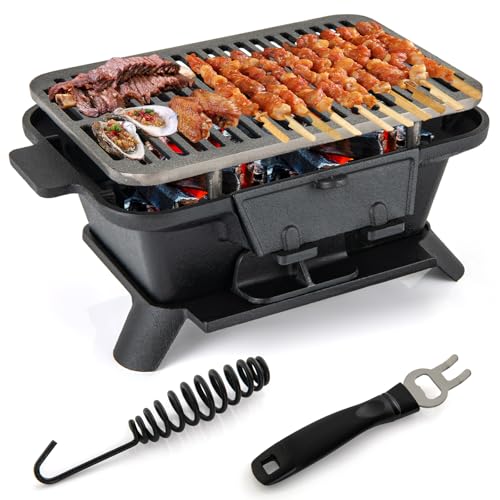
Cast Iron Grills 101: The Basics
The first thing to know is that the name covers two different products. Some grills are built mostly from cast iron, with a heavy iron firebox or body. Far more common are steel or aluminum grills fitted with cast iron cooking grates, and those grates are where the material earns its reputation. When a listing leads with cast iron, check which of the two you are actually getting, because that is the first step to finding the best cast iron grills for your patio.
Treat cast iron as a grill that needs seasoning and care, not a buy it and forget it product. Cast iron holds heat longer than thin steel, so food keeps searing when you drop cold burgers onto it, and it recovers temperature faster after you open the lid. In return, the iron asks for a thin coat of oil after cooking and a dry place to live. That trade, heat holding for simple care, is the honest center of this whole category.
Key Specs Explained in Plain English
Fuel Type: Gas, Charcoal, Pellet, and Electric
Fuel decides your daily routine more than any other spec. Gas lights in seconds and suits weeknight cooking, which is why so many best cast iron gas grills pair iron grates with push button ignition. Charcoal takes longer to light but gives the deepest smoke flavor, and the classic best cast iron bbq grills are usually charcoal kettles or barrels. Pellet models feed wood pellets automatically for steady low heat, while electric units serve balconies where open flame is banned. Running costs differ too: propane refills, charcoal bags, and pellets all add up over a season.
Heat Output and Temperature Range
Total BTU figures look impressive on a box, but BTU per square inch of cooking area tells the real story. A grill in the range of about 80 to 100 BTU per square inch will sear steaks properly, while a low figure means pale grill marks and slow recovery. At the other end, check that the grill can hold about 225°F for low and slow cooking without constant adjusting. Heavy iron grates smooth out temperature swings in both directions, which is one reason best gas grills with cast iron grates appeal to buyers who want gas convenience with steadier heat.
Cooking Area and Capacity
Cooking area is measured in square inches, and makers often add the warming rack into the headline number. Read the primary grate area on its own, because that is where the searing happens. As a rough guide, about 350 to 450 square inches handles roughly 12 to 16 burgers at once and suits most families. Bigger is not automatically better: a huge grate takes longer to preheat and burns more fuel for two chicken breasts. Match the area to your largest regular cook, not to one holiday party a year.
Temperature Control and Smart Features
Control is what separates a calm cook from a stressful one. On gas models, look for separate burner controls so one side can run hot while the other rests warm. Charcoal grills control heat through vents, and dampers that move smoothly matter more than any gadget. Higher price bands add pellet controllers that hold a set temperature on their own, built in meat probes, and WiFi monitoring from your phone. These features help, but none of them rescue thin grates or a leaky lid, so judge the iron and the build first.
Portability and Footprint
Here is where weight tells the truth about cast iron. Heavy grates and iron bodies are stable in wind and slow to cool, which is wonderful once the grill is parked and miserable when you have to haul it. A full size heavy iron grill can weigh well over 100 pounds, so sturdy wheels and a lower shelf matter. If you plan to cook at campsites or tailgates, look at smaller portable models and accept a smaller grate. Measure your patio or balcony space before ordering, including room to open the lid safely.
Assembly and Warranty
Most grills of this type arrive partly assembled, and a first timer should budget about one to two hours with a second pair of hands for the heavy parts. Keep the manual, because grate seasoning steps often hide in it. Warranty terms split by part: burners and grates usually carry shorter cover than the firebox, and rust through on iron parts is often excluded if the care steps were skipped. Register the purchase, keep your receipt, and read what the warranty asks of you before the first cook, not after the first rust spot.
Choosing Cast Iron Grills for Your Situation
Reading One Maker's Cast Iron Range
Big grill makers sell cast iron models at several price levels, and the smart way to read one maker's range is as a family of models rather than as a badge. Within a single range, higher bands usually buy thicker grates, longer burner warranties, and better parts support a few years down the road. Compare grate weight, warranty length, and how easy it is to order a replacement grate, and you will learn more than any logo can tell you. First time buyers do best in the middle of a maker's range, where the iron is genuinely heavy and the extras are useful rather than decorative.
Natural Gas Models: Tips for First Time Buyers
Shoppers with a home gas line often look at the best natural gas cast iron grills because they end the cycle of empty propane tanks forever. The trade is freedom: a plumbed grill stays where the line reaches, so choose its spot with real care. Confirm your line size and local code rules before buying, since installation may need a licensed installer and a permit in your area. You also give up charcoal flavor and portability, so be sure the convenience is worth it. For a fixed outdoor kitchen, it usually is.
Rookie Mistakes to Avoid
- Skipping the seasoning. New iron cooked on without a seasoning burn and a coat of oil will stick badly and rust early.
- Letting grease build up. Grease is a fire risk on any grill, and a neglected drip tray can turn a flare up into a real grease fire.
- Buying by total BTU alone. A big number spread over a huge area sears worse than a modest number on a compact grate.
- Storing the grill uncovered. Rain on bare iron starts rust faster than any cooking ever will.
- Choosing size for guests you rarely host. Oversized grills preheat slowly and waste fuel on ordinary weeknight meals.
Getting Started: Setup and First Use
Once the grill is assembled, wash the grates with warm water and a brush, dry them fully, and coat every surface with a thin layer of high heat cooking oil. Run the grill empty at medium high heat for about 30 to 45 minutes to set the first seasoning layer and burn off factory coatings. From then on, preheat for about 10 to 15 minutes before cooking so the iron is evenly hot, and scrape the grates clean while they are still warm after each cook. Finish with the lightest wipe of oil on the warm grates, close the lid, and put the cover on once everything is cool. That short routine is the whole ownership habit in miniature.
FAQ: Questions Answered
How big of a cast iron grill do I need?
Most households do best with about 350 to 450 square inches of primary cooking area. That size fits a family dinner plus sides without crowding, and it still preheats in a reasonable time. Go larger only if you regularly cook for eight or more people at once. Remember to count your storage space too, because a grill that crowds your patio gets used less, and the best grill is the one that fits your space and your routine.
Is a pellet grill worth it?
A pellet grill is worth it if you love low and slow cooking and want set and forget temperature control. Pellets cost more per cook than charcoal or gas, and the flavor is milder than a charcoal fire. Pellet units also need electricity and a dry place to store fuel, since damp pellets crumble and jam the feeder. If most of your grilling is fast weeknight searing, a simpler gas or charcoal model will serve you better for less money.
How long should a good cast iron grill last?
A well kept cast iron grill should last about 10 to 15 years, and the grates often outlast everything else on it. Burners, igniters, and charcoal trays are the parts that usually wear out first, so check that replacements are easy to order before you buy. The lifespan depends almost entirely on care: a covered, oiled grill stored under shelter ages slowly, while the same grill left open to rain can show deep rust in a few seasons. Longevity is a habit, not just a purchase.
What type of cast iron grill gives the best flavor?
Charcoal gives the strongest classic grill flavor, because drippings vaporize on hot coals and coat the food in smoke. Pellet grills come second, with a gentler wood smoke that suits long cooks. Gas is the cleanest tasting, and that is where the iron grates help most, since their stored heat lays down a proper sear that adds flavor of its own. Remember that marinades, rubs, and rest time shape flavor as much as fuel does, so no fuel choice locks you into bland food.
How often should I clean my cast iron grill?
Brush the grates after every cook while they are still warm, and wipe them with a thin coat of oil once they cool a little. Empty the drip tray and ash catcher every few cooks so grease and ash never build into a fire or rust risk. Give the whole grill a deeper clean about twice a season, checking the burners or vents for blockages. If rust spots appear, scrub them back to bare iron, oil the spot, and heat the grate to set a fresh seasoning layer.
Final Thoughts
For a first purchase, keep three things in front of you: iron that is genuinely heavy, a cooking area matched to your real meals, and a care routine you will actually keep. Fuel type and smart features matter, but they come after those three. Compare the best cast iron grills in the product table above against those priorities, and the right one for your patio should stand out clearly.


