
Best Ceramic BBQ Grills: A First Time Buyer's Guide for 2026
Disclosure: We may earn a commission when you buy through links on this page, at no extra cost to you. As an Amazon Associate I earn from qualifying purchases. Learn more

Shopping for the best ceramic bbq grills for the first time? Learn the terms, compare options, and avoid rookie mistakes with this easy guide.
Shopping for best ceramic bbq grills can feel confusing the first time, because the shapes look simple while the terms around fuel, airflow, and temperature sound technical. This guide explains those ideas in plain language so you can compare options with confidence and avoid paying for features you will never use. The comparison table below gives you a quick side by side view before you read the details.
A ceramic cooker holds heat well, which helps with slow cooking and with high heat searing, but it also needs care around weight, placement, and cracking from sudden temperature change. Think first about where it will live, how many people you usually cook for, and whether you want mostly charcoal flavor or easier temperature control. Those three answers narrow the choice faster than any feature list.
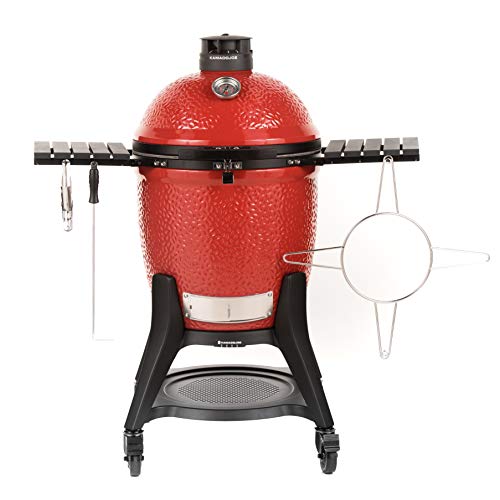
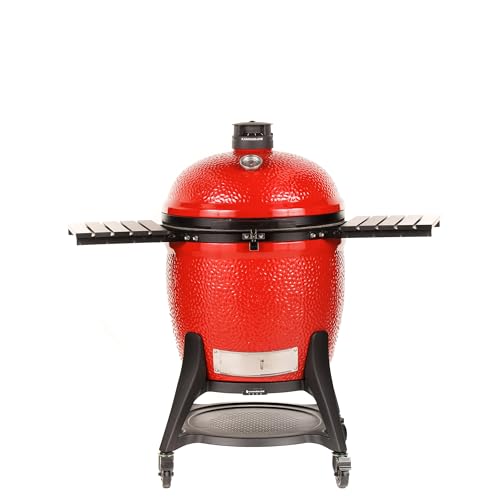


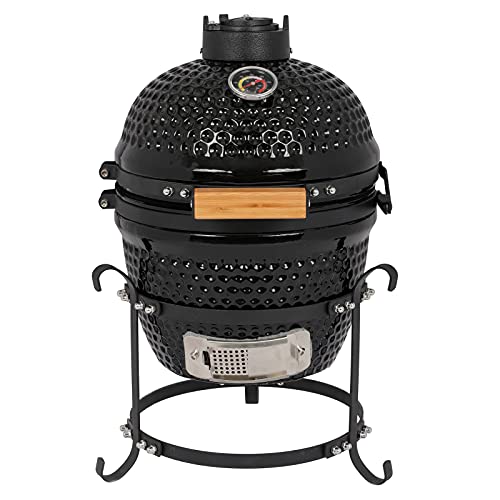

Ceramic BBQ Grills 101: The Basics
A ceramic bbq grill is a thick walled cooker, often shaped like an egg or a barrel, that uses charcoal as its main fuel in most designs. The heavy wall absorbs heat and releases it slowly, so temperature swings are smaller than in a thin metal grill. Air enters through a lower vent and leaves through a top vent, and you control heat mainly by opening or closing those vents rather than by turning a dial.
For a first time buyer, the most useful terms are cooking area, grate height, and temperature range. Cooking area tells you how much food fits at once, usually measured in square inches. Grate height and the distance from the coals affect how intense the heat feels on the food. Temperature range tells you whether the cooker can hold a low and slow setting near 225 degrees Fahrenheit and also reach a high heat for searing.
Many ceramic cookers can grill, roast, smoke, and bake, but that flexibility does not mean every model does all four jobs equally well. A smaller model may be perfect for two people and awkward for a large roast. A larger model gives you room and steadier heat, but it weighs more, costs more to fuel, and needs a stronger stand or table. Start with your usual group size, then check weight and footprint before you fall in love with a size.
Key Specs Explained in Plain English
Fuel Type
Most ceramic cookers burn lump charcoal, which lights cleanly, burns hot, and gives food a smoky taste that many cooks prefer. Some designs also accept briquettes, while gas, pellet, and electric options exist in the wider grill market and trade some charcoal flavor for easier starts and steadier control. If you enjoy tending a fire and learning vent control, charcoal will feel rewarding. If you want a faster start after work, look closely at how each design lights, holds temperature, and handles a power outage, and see our guide to best bbq grills for the broader fuel picture.
Heat Output and Temperature Range
Heat output is often described in BTU per square inch for gas designs, but for a charcoal ceramic cooker the more useful questions are how low it can hold and how high it can climb. A good low and slow range sits near 225 degrees Fahrenheit for ribs, pork shoulder, and brisket style cooks. A high sear range reaches well above 500 degrees Fahrenheit for steaks and flatbreads. Ask how steady the temperature stays over several hours, because a cooker that drifts constantly will demand more attention than a first time cook may expect.
Temperature Control and Smart Features
Temperature control starts with the vents, and a smooth lower vent plus a precise top vent makes learning much easier. Some cookers add a fan controller, a meat probe, or WiFi alerts that warn you when temperature moves outside your target range. Those tools help, but they do not replace good vent habits, and they add cost, batteries or power needs, and parts that can fail. For a first grill, choose vents that move smoothly and stay put, then decide whether a probe or a controller is worth the extra spend.
Assembly and Warranty
Ceramic cookers are heavy, and assembly often takes two people plus time to seat the bands, hinges, and gaskets correctly. Check the stated assembly time, whether the stand or table is included, and how the cooker moves on your patio or deck. Warranty terms also matter, since coverage for the ceramic body, metal bands, and gaskets may differ in length and in what counts as normal use. Read the warranty for cracks, heat damage, and outdoor storage before you buy, and keep the receipt and model details in one place.
Ash, Grease Management, and Cleanup
Ash and grease control shapes how pleasant the cooker is to own after the first few cooks. Look for an ash catcher or a removable ash tool that lets you clear ash without lifting hot parts. A grease tray or a drip pan path should be easy to reach and easy to clean, because trapped grease can flare and can stain a patio. Cast iron grates hold heat well for searing, but they need drying and light oiling after cleaning, while stainless grates are easier to wipe and still sear well when fully preheated.
Rookie Mistakes to Avoid
- Buying too large: a huge cooker wastes fuel on small weeknight meals and is harder to move, so match size to your usual group first.
- Lighting with lighter fluid: fluid can leave a taste in the ceramic and in food, so use a chimney starter or an approved fire starter instead.
- Opening the lid constantly: every lift drops temperature and extends cook time, so trust the vents and the probe and peek less often.
- Skipping a level surface: a heavy cooker on soft ground or a weak table can tilt, so place it on a firm, level, heat safe surface.
- Forgetting rain and storage: ceramic can crack if water freezes inside it, so use a cover and follow the maker guidance for wet weather.
Getting Started: Setup and First Use
Start by placing the cooker outdoors only, on a firm surface, with clear space around it and away from walls, railings, and low roofs. Check that the bands and hinge feel snug, the gasket seals when the lid closes, and the vents move freely before the first fire. Never use a grill indoors, in a garage, or under a covered porch with poor airflow, and never leave a lit grill unattended.
For the first cook, preheat for 10 to 15 minutes before cooking, then clean the grates while warm with a brush made for your grate type. Begin with a simple cook such as chicken pieces or burgers so you can learn how small vent moves change temperature. After cooking, close the vents to starve the fire, let the cooker cool fully, and only then clean ash and wipe surfaces. Following maker guidance on curing, cleaning, and storage will help the cooker last longer.
Frequently Asked Questions
How big of a ceramic bbq grill do I need?
Choose size by your usual group, not by the largest party you might host once a year. A cooking area near 200 to 300 square inches suits two to four people for burgers, chicken, and vegetables. A larger area near 400 square inches or more suits six or more people and larger roasts. If you often cook for a crowd, also check whether a second grate or a raised rack adds useful space without blocking airflow.
How long should a good ceramic bbq grill last?
A well made ceramic cooker can last many years when it is placed correctly, covered, and cleaned on a regular schedule. The ceramic body often outlasts gaskets, bands, and grates, so budget for those smaller parts over time. Cracks are more likely when the cooker suffers a hard knock, a sudden temperature shock, or water freezing inside it. Careful handling, a stable stand, and dry storage help protect your investment.
Is a pellet grill worth it?
A pellet grill can be worth it if you value easy starts, steady temperature control, and a wood smoke flavor without tending charcoal. Pellet designs need power, pellets, and regular cleaning of the burn area, and they may not reach the same searing heat as a charcoal ceramic cooker. If charcoal flavor and high heat matter most to you, a ceramic design may suit you better. Compare running costs, power needs, and searing ability before you decide, and see our guide to best pellet bbq grills for that fuel type.
Can I use a ceramic bbq grill on a balcony?
You may be able to use one on a balcony only if your building rules allow grills, the floor can carry the weight, and the space gives safe clearance from walls and railings. Many apartments and condos ban open flame grills on balconies, and smoke can bother neighbors even when rules allow cooking. Check your lease, building rules, and local rules before you buy, and choose a spot with firm footing and good airflow. When in doubt, a shared outdoor area or a ground level patio is the safer choice.
What type of ceramic bbq grill gives the best flavor?
Flavor depends more on fuel, airflow, and cook technique than on the shape of the cooker alone. Lump charcoal tends to give a cleaner smoke taste than briquettes with fillers, and a steady low temperature helps meat stay juicy during long cooks. Wood chunks added in small amounts can add smoke depth, but too much wood can make food bitter. For the best flavor, learn vent control first, use fresh charcoal, and keep the lid closed during most of the cook.
Our Verdict
For a first time buyer, the smartest choice balances size, vent control, and a sturdy stand rather than chasing the largest cooker or the most gadgets. Choose a size that fits your usual meals, vents that move smoothly, and a design you can clean and cover without a struggle. Check the product table above once more, compare fuel and temperature needs, and pick the cooker you will actually enjoy using on a regular weeknight. That habit matters more than any single feature, and it is what turns best ceramic bbq grills from a search term into a cooker you love.


