Best Ceramic Dutch Ovens: Pick by Size, Material and Stove Type 2026
Disclosure: We may earn a commission when you buy through links on this page, at no extra cost to you. As an Amazon Associate I earn from qualifying purchases. Learn more

Compare the best ceramic dutch oven by size, material, stove compatibility and oven limit so one pot suits your cooking.
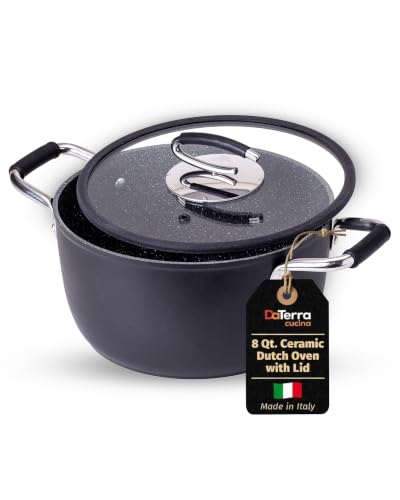
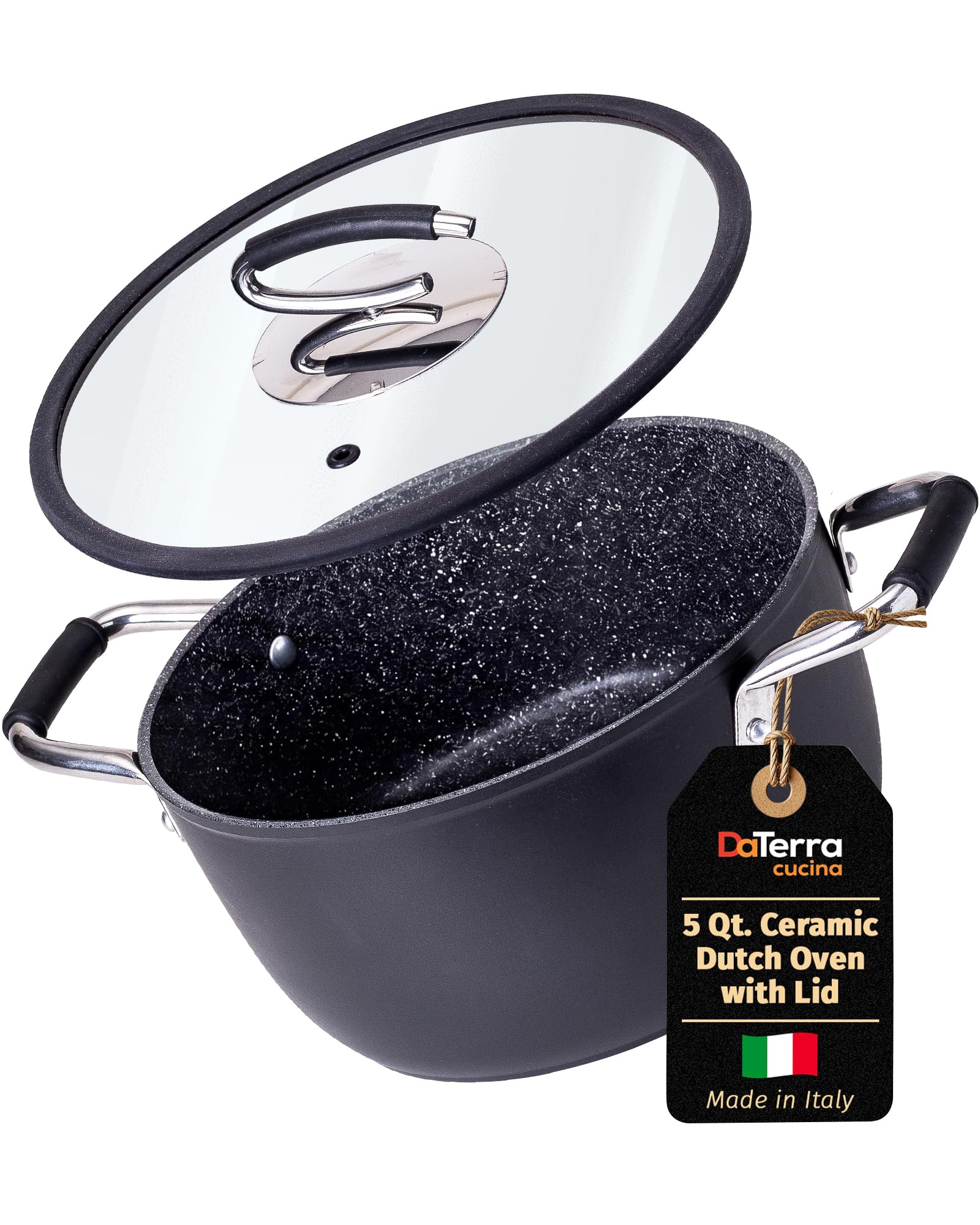
A good dutch oven earns its shelf space on an ordinary Tuesday, when soup needs to simmer while you fold laundry and help with homework. Choosing the best ceramic dutch oven for your home comes down to three things, the room you have to store it, the number of people at your table, and the way you actually cook each week. This guide walks through size, material, and budget in that order, and the product table above sums up the main types side by side.
One naming point matters before you shop. The word ceramic covers two builds, pure ceramic or stoneware pots, and cast iron pots finished with a smooth enamel coating. They look similar, but they differ in weight, stovetop use, and price, so the sections below keep them separate.

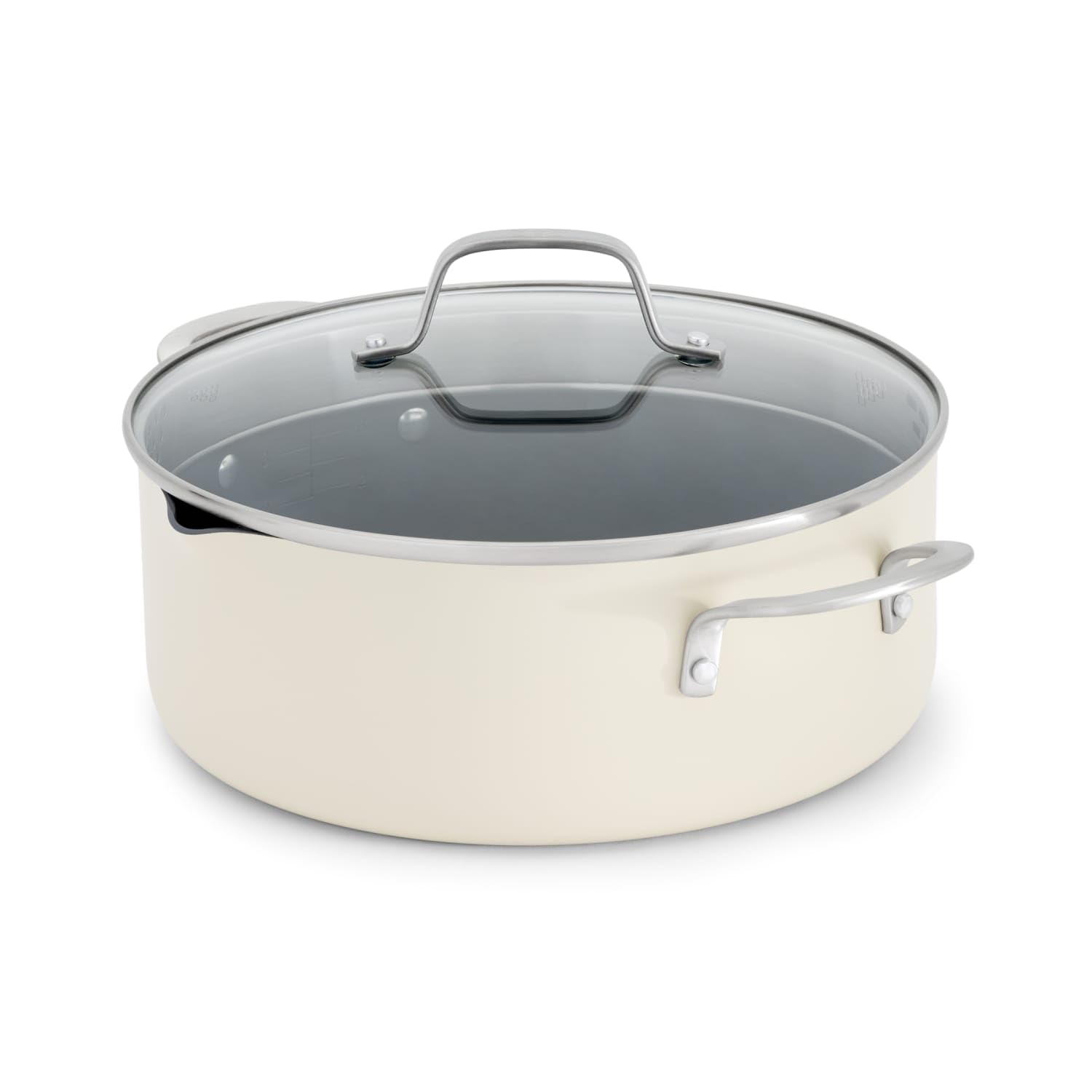

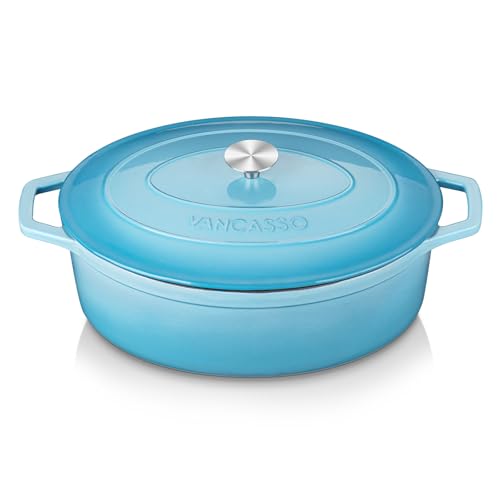
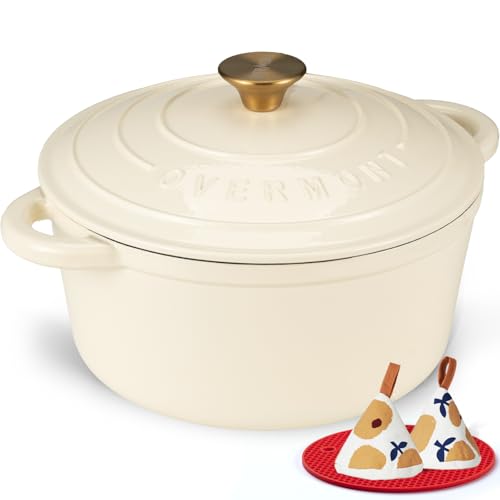
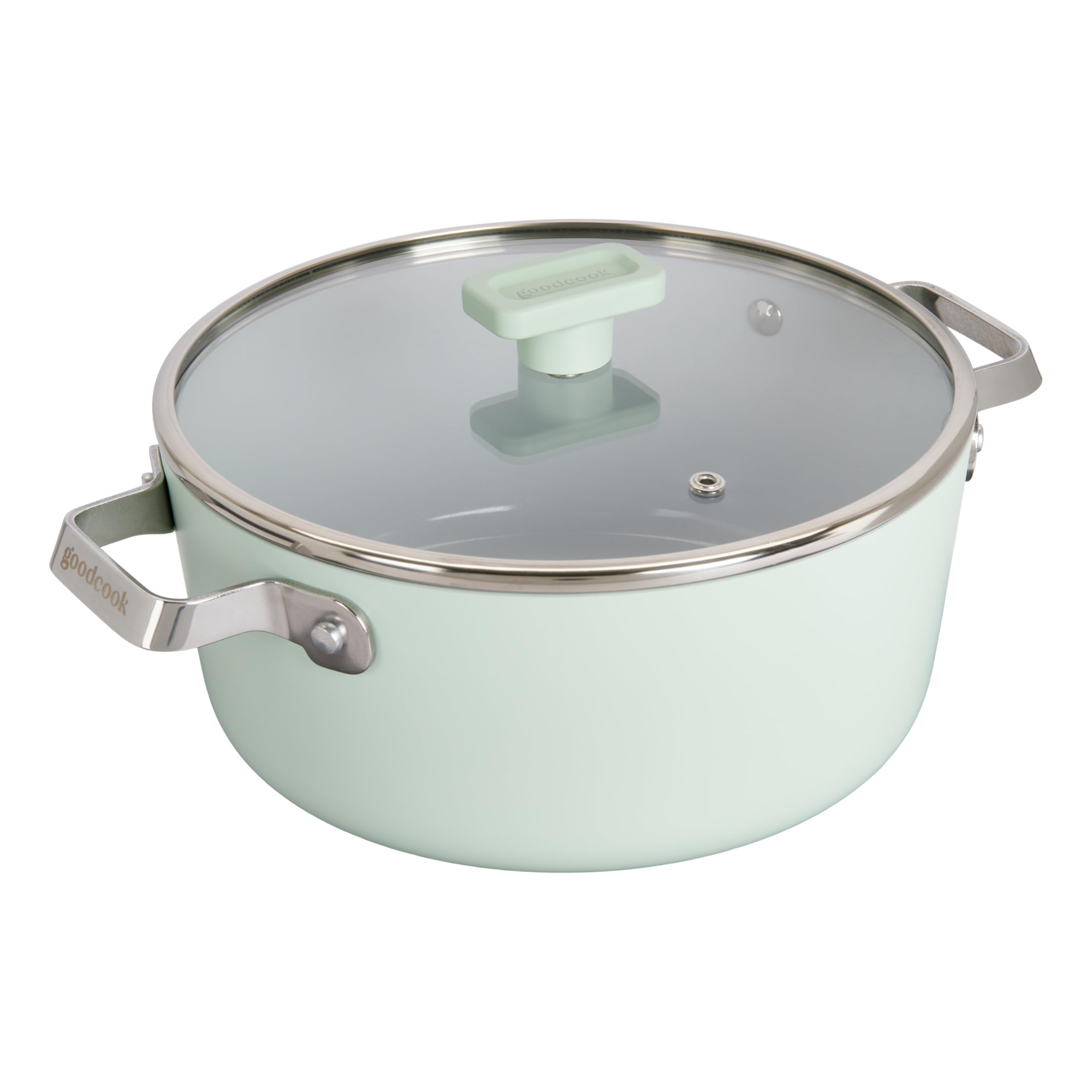

Quick Answer: The Short Version
If you cook for three to five people and want one pot for soup, braises, and oven roasts, a 5.5 quart enameled cast iron pot is the most flexible choice for most homes. Smaller households that cook grains and sauces often do better with 3.5 to 4 quarts. Pure ceramic pots suit oven centered cooking and serving at the table, while enameled cast iron handles stovetop searing and daily wear with more confidence.
Before You Buy: A Quick Checklist for Choosing a Dutch Oven
Work through these points in order. Size and material decide almost everything else, including price and how heavy the pot feels when it is full of stew.
Size: Match It to Your Space
A 2 quart pot handles rice and side dishes for one or two people. Sizes from 3.5 to 4 quarts suit couples who cook soups and small braises. The 5 to 5.5 quart range is the family workhorse for four to six servings, and 7 to 7.25 quarts fits batch cooking and whole chickens. Pots at 8 to 9 quarts need a wide burner and deep shelves, so measure your cabinet first. If you are torn between two sizes, our guide to what size dutch oven do i need walks through serving counts.
Which Type Fits Your Routine
Enameled cast iron is heavy, holds heat evenly, and moves from stovetop to oven without fuss, which suits cooks who sear meat before braising. Pure ceramic and stoneware pots weigh less and look at home on the table, but many cannot take direct stovetop heat, so check the maker guidance before planning a sauce on the burner. Round pots fit a single burner best, while oval pots fit long roasts. If your week is mostly soups on the stove, start with enameled cast iron.
Features Worth Paying For, and Ones to Skip
A lid that sits flat and heavy keeps steam inside, and small raised bumps on the underside help condensed moisture drip back over the food. Handles should be wide enough to grip with oven mitts while the pot is full. A metal knob matters if you bake at high heat, since some plastic knobs have lower oven limits. You can skip decorative finishes and matching accessory sets, because none of them change how the food cooks.
Is a Ceramic Dutch Oven Non Toxic?
Enamel is a glass coating fused onto cast iron, and pure ceramic pots are made from fired clay with a glaze. Neither type relies on the nonstick coatings that raise PFAS and PTFE questions, which is one reason many shoppers choose them. Look for clear maker statements about lead and cadmium compliance for glazes. If a listing gives no material information at all, choose a brand that publishes its specifications instead.
Induction, Gas, and Glass Top Compatibility
Enameled cast iron works on gas, electric, glass top, and induction burners because the iron base responds to magnetic heat. Pure ceramic and stoneware pots are usually oven only, and a direct flame or hot coil can crack one. On a glass top stove, lift the pot instead of sliding it, since a rough base can scratch the surface. Match the base to the burner size your stove maker recommends.
Oven Safe Temperature and Handles
Most enameled cast iron pots are rated for oven use up to about 500 degrees Fahrenheit, but the knob often sets the real limit, so read the rating for the whole pot. Pure ceramic pots often carry lower limits and need gradual heating. Handles should feel secure with mitts on, because a full 5.5 quart pot of soup can weigh more than 15 pounds. Check the handle width in the listed dimensions before you order.
Realistic Budget Ranges
Under $50 usually buys a small pure ceramic pot or a basic enameled pot with a thinner coating. From about $50 to $100 you get family sizes in enameled cast iron with better lids and handles. Between about $100 to $250, coatings get thicker and warranties grow longer. Above about $250 to $500 you pay for finish quality, tighter lid fit, and service support. For a broader view, see our roundup of the best dutch oven options.
Ceramic Types Compared: How to Choose Between Them
Rather than naming individual models, it helps to compare the three builds you will actually meet in stores. Each one cooks a little differently, and the right choice depends on where most of your cooking happens.
Enameled cast iron. This is the build most people picture, and it is the closest match for a best ceramic dutch oven search that includes stovetop work. It sears well, simmers without hot spots once heated, and resists stains on light interiors with normal care. The trade off is weight and price, plus a coating that can chip if you drop a utensil or bang the rim. If this build sounds right, our guide to the best enameled cast iron dutch oven explains coating and lid differences in depth.
Pure ceramic and stoneware. These pots shine in the oven and on the table, and a ceramic cocotte in this style is lovely for gratins, beans, and baked pasta. They heat gently and hold warmth for serving, but they dislike sudden temperature change and most cannot sit on a burner. Choose this build if your cooking starts in the oven and you value a lighter pot for serving guests.
Bare cast iron with a colored outer finish. Some pots wear a colored coating outside while the cooking surface stays bare iron that needs seasoning. They cost less, but acidic tomato sauces can take on a metallic taste during long simmers. This build suits cooks who already enjoy caring for bare iron.
How We Evaluate Ceramic Dutch Ovens
Each type is judged on heat distribution, durability, material safety information, stovetop and oven compatibility, and cleaning effort. This guide relies on maker specifications and patterns in verified buyer feedback. Fit for real homes counts most here, so storage size, household size, and daily ease of use counted more than peak performance alone.
What We Like and What We Do Not About Ceramic Versus Other Dutch Ovens
Ceramic coated and pure ceramic pots need no seasoning, and their smooth surfaces release braised onions and cheese topped bakes with a short soak. Food does not react with the surface, so a long tomato braise tastes clean. Against that, enamel can chip and pure ceramic can crack, and neither fault can be repaired at home.
Other materials trade differently. In the dutch oven vs stock pot comparison, a stock pot wins on weight and volume for pasta water, but its thin base scorches sauces that a dutch oven simmers safely. Stainless steel resists drops, yet it develops hot spots unless the base is thick. Bare cast iron survives almost anything except neglect, but it asks for seasoning and careful drying.
Common Buying Mistakes to Avoid
- Buying a 9 quart pot for a household of two, so the pot crowds your shelves and small meals spread too thin to braise well.
- Choosing pure ceramic for stovetop searing, so the first direct flame cracks a pot that was built for oven use only.
- Ignoring the knob rating, so a pot that is safe at 500 degrees ends up limited to 390 degrees by one small part.
- Paying for a large matching set, so money goes to pieces you rarely use instead of one pot in the size you need.
- Skipping the weight check, so a pot that felt fine empty in the store becomes hard to lift when full of stew.
Cost of Ownership and Care
A ceramic dutch oven has no filters, pads, or parts that wear out on a schedule, so ongoing cost is mostly a soft sponge, a wooden or silicone spoon, and storage space. Protect the rim and lid edge with a cloth or felt pad when you stack other cookware nearby, since those bare edges chip first. Avoid sudden temperature swings, such as moving a hot pot onto a cold stone counter, because thermal shock is the main cause of cracks in pure ceramic and crazing in enamel. Dry the pot fully before you put the lid on for storage, so trapped moisture cannot leave rust spots on any exposed iron at the rim.
Your Questions, Answered
Are ceramic dutch ovens worth it?
For most home cooks, yes, if the pot matches the way you cook. Think in cost per use rather than sticker price. A pot you reach for twice a week for soup, beans, and roasts pays you back in one pot meals that need little attention, while a pot bought for a cooking style you never use is expensive at any price. Try the idea first by cooking a week of meals in your heaviest current pot and noting what felt awkward.
How long does a ceramic dutch oven last?
An enameled cast iron pot often serves for decades, while a pure ceramic pot usually has a shorter life because one hard knock or one episode of thermal shock can end it. Watch for the warning signs that a pot should be retired, deep cracks you can feel with a fingernail, enamel flaking into the cooking area, or a lid that no longer sits flat. Small surface stains and fine lines in the glaze are cosmetic and do not affect cooking.
How do you clean a ceramic dutch oven?
For stuck on tomato or cheese residue, fill the cooled pot with warm water and a spoon of baking soda, simmer it briefly if the material allows stovetop heat, and let it sit for twenty minutes before you scrub with a soft sponge. This gentle soak lifts stains that plain soaking leaves behind. Our step by step guide to how to clean a dutch oven covers burnt on spots and rust at the rim as well.
Can you bake bread in a ceramic dutch oven?
Yes, and the closed pot traps steam that helps the crust turn crisp and deep brown. Use a parchment sling under the dough so you can lower it into a hot pot without touching the sides or deflating the loaf. Pure ceramic pots should warm up gradually with the oven rather than going into a fully heated oven empty, which is a different routine from enameled cast iron. For dough formulas and timing, see our guide to the best dutch oven for bread.
What should you look for in a reliable dutch oven brand?
Look past fame and check the support behind the pot. A reliable maker publishes oven ratings for the knob as well as the body, sells replacement lids and knobs, and offers a written warranty that covers coating defects for home use. Clear care instructions on the maker site are another good sign, since they show the company expects the pot to be used hard and kept for years. Vague listings with no specifications rarely come with that kind of backup.
Final Thoughts
Start with the size your household eats, then pick the build that matches your stove and your habits. For most homes, a 5.5 quart enameled cast iron pot is the safest single purchase, while smaller households and oven focused cooks can save money and weight with pure ceramic. Whichever route you take, the best ceramic dutch oven is the one that fits your shelves, your burners, and your weeknight routine. Check the product table above once more before you decide, and you will choose well the first time.