
Best Central Heating Thermostat: What Actually Matters Before You Buy for 2026
Disclosure: We may earn a commission when you buy through links on this page, at no extra cost to you. As an Amazon Associate I earn from qualifying purchases. Learn more

Use this checklist to choose the best central heating thermostat for your boiler or furnace, wiring, schedule, and comfort, without paying for extras.
A thermostat is the one part of your heating system you touch every day, and the wrong one causes real annoyance. Rooms overshoot and then chill, the boiler runs when nobody is home, or the new unit simply will not talk to your existing wiring. None of that shows up in a glossy feature list.
This guide scores the best central heating thermostat options against a practical checklist: compatibility, control, sensing, and running cost. Anyone comparing a best heating thermostat for a boiler, a furnace, or a mixed system can use the same steps, then check finalists against the comparison table below.


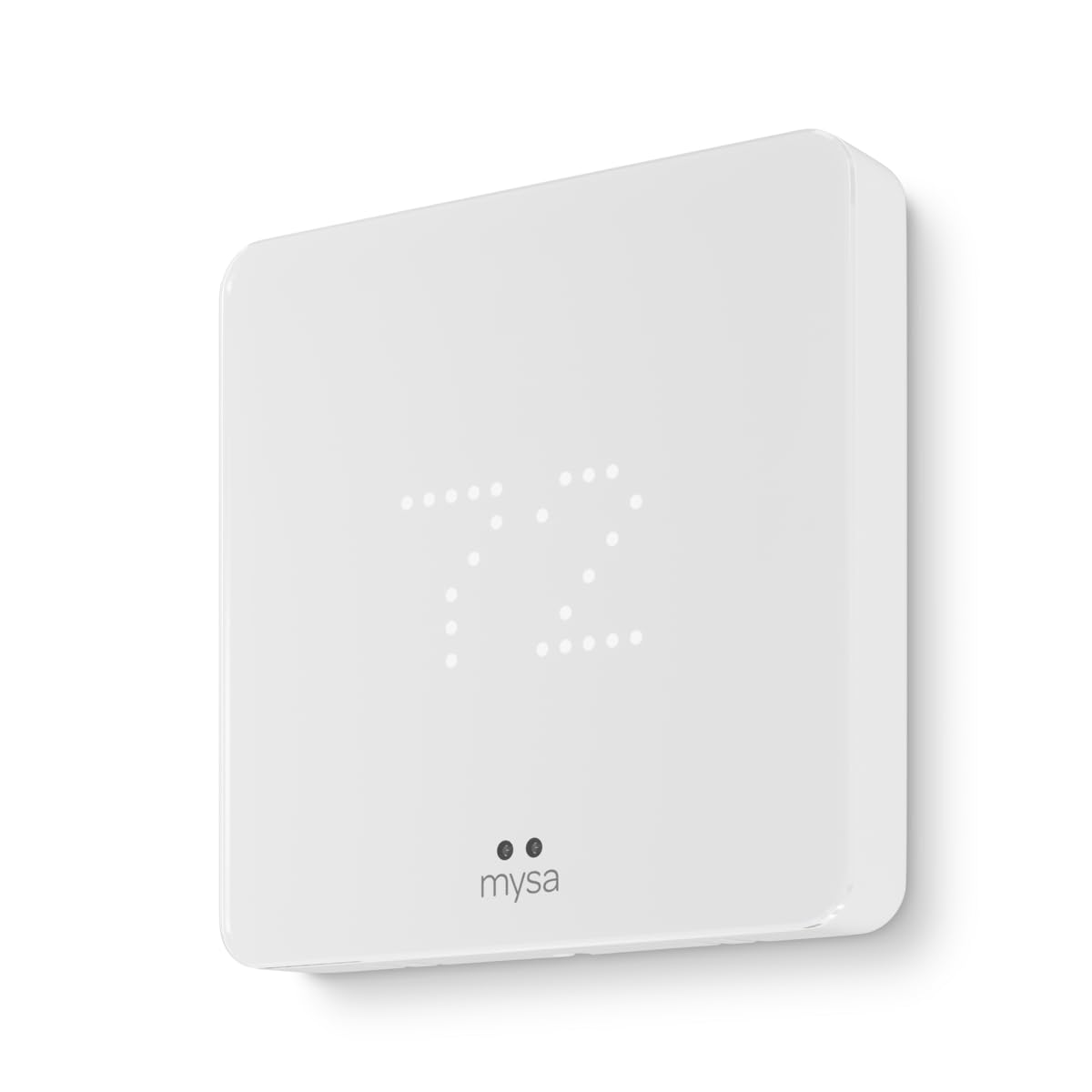
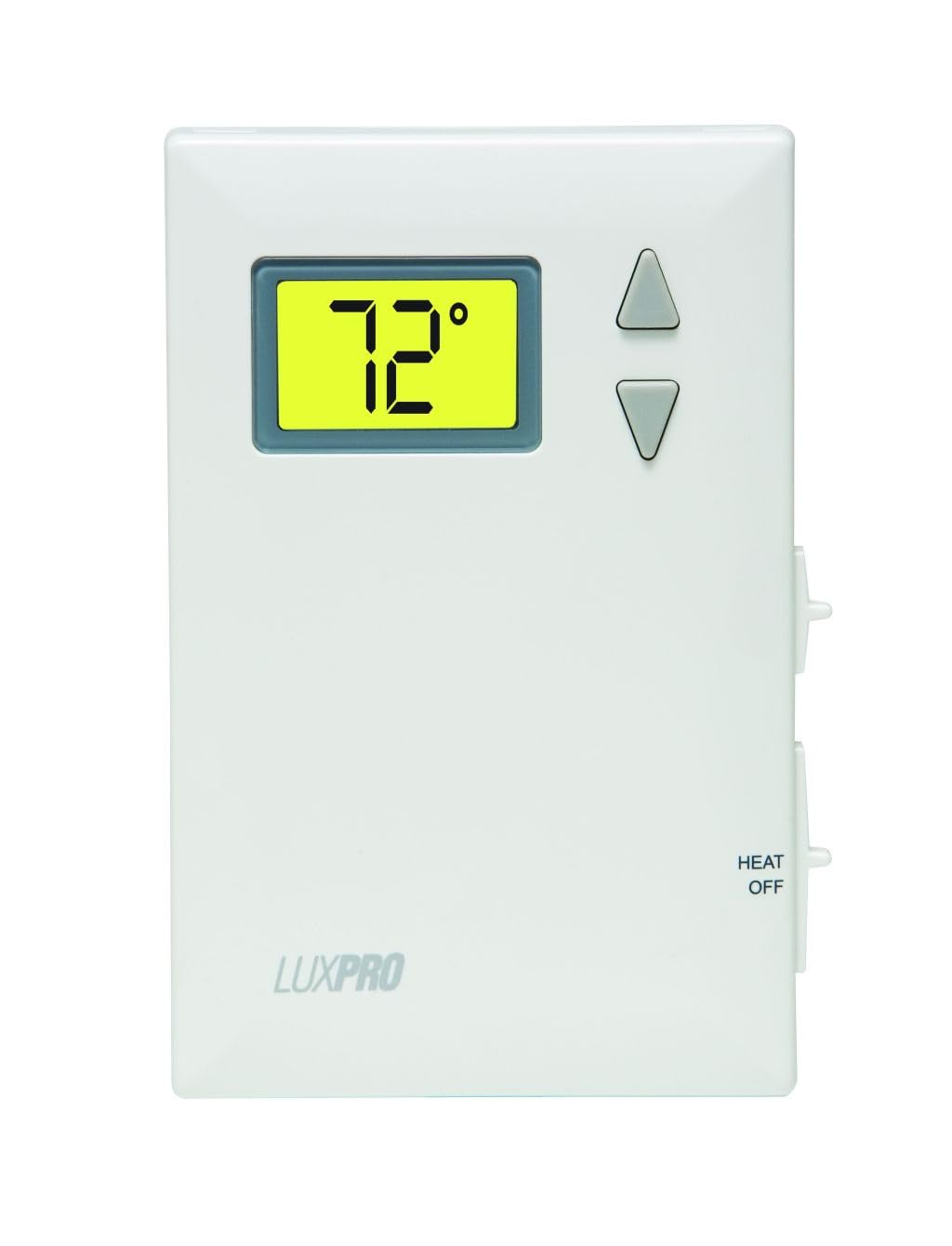


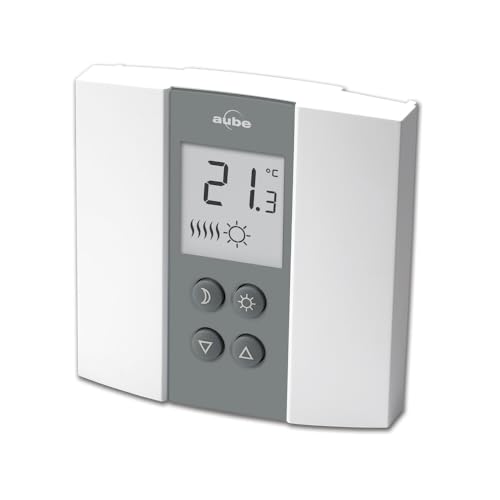
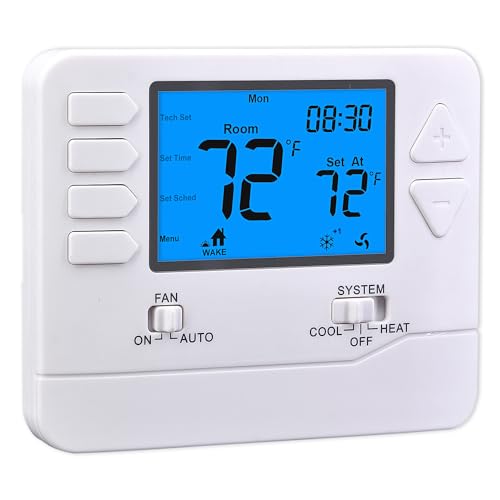
How We Evaluate Central Heating Thermostats
Compatibility comes before features in this scorecard, because a brilliant thermostat that cannot control your system is worth nothing. After that, judge how precisely it holds temperature, how well its schedule fits your life, and what it costs to run and maintain.
System Compatibility and Wiring
Start with your heating system, not with the thermostat. Note whether you have a boiler, a furnace, a heat pump, or underfloor heating, and whether your system uses zones. Check the wiring behind your current thermostat and count the wires, including whether a common wire is present. Many smart models need that wire or a power adapter. A good product listing states supported system types plainly. If yours is silent on heat pumps or zoning, treat that as a no until the maker confirms support.
Temperature Accuracy and Sensor Quality
A thermostat can only hold a room steady if it senses temperature well. Look for accuracy around half a degree and a sensor that reacts to real changes rather than drifting with heat from the unit itself. Remote room sensors are a genuine upgrade in homes where the hallway thermostat reads a different temperature from the living room or bedrooms. They let the system respond to the room you actually sit in, which fixes the common complaint of one cold room and one warm one.
Safety Features
Heating controls carry mains or low voltage wiring, so listings and certifications matter. Choose models with recognized electrical certification and clear wiring diagrams for your system type. Frost protection is a practical safety feature in cold climates, since it runs the heating briefly to keep pipes from freezing when the home is empty. Turn off power at the breaker before you touch any wiring, and if your setup involves mains voltage or a boiler you do not understand, hire a qualified heating engineer instead of guessing.
Installation and Placement
Most thermostats mount on an interior wall about five feet above the floor, away from radiators, sunny windows, kitchens, and drafts. Bad placement is the hidden cause of many comfort complaints, because the sensor reads the wrong air. Wireless models free you from the old wiring location, which is a real advantage in older homes. If you are exploring that route, our guide to the best wireless central heating thermostat options explains the tradeoffs. Budget about an hour for a straightforward swap.
Smart Controls and Scheduling
The best schedule is the one that matches your week without weekly editing. Look for at least weekday and weekend programs, an easy temporary hold, and a vacation mode. App control helps when your routine changes often, and learning models can build a schedule from your adjustments. Voice assistant support is a convenience, not a core feature. Judge the screen and buttons too, because everyone in the home, including guests and older relatives, needs to change the temperature without opening an app.
Energy Efficiency and Operating Cost
A thermostat saves money by not heating an empty or sleeping home. Programmable setbacks during work hours and overnight are where the savings live, and even a modest setback held for eight hours a day adds up across a season. Features such as adaptive recovery, which starts heating early enough to hit your target on time, add comfort without waste. The unit itself draws very little power. Your real operating cost is the fuel your schedule tells the boiler or furnace to burn.
What Passing the Checklist Looks Like at Each Price Tier
Middle Tier
The middle tier covers most homes well. Expect accurate sensing, a clear color or large format display, weekday and weekend scheduling, and app control with remote access. Many models at this level support remote room sensors and work with common voice assistants. Prices are moderate, usually around $100 to $250, and installation stays simple for standard wiring. If your home has one heating zone and a fairly regular routine, start here and only move up if a specific feature, such as multi room sensing, solves a problem you actually have.
Entry Tier
Value tier thermostats, often under $100, focus on the basics done well. You get programmable schedules, a readable display, and reliable temperature control without app extras. That is enough for a rental, a small home, or anyone who sets one schedule and rarely touches it. The compromises are plain screens, fewer sensor options, and limited compatibility with complex systems such as heat pumps with backup heat. Check the compatibility list twice at this tier, because returns usually trace back to wiring surprises rather than faults.
Compact and Simple Tier
Small, simple models suit people who find smart screens fussy. A compact dial or a minimal display with a few buttons can be the right answer for a guest house, a workshop, or an older relative who wants one control that always works the same way. You give up remote access and learning features. In return you get instant understanding and nothing to update, pair, or troubleshoot. Battery powered simple models also keep working during a WiFi outage, which matters more than many feature lists admit.
Quick Buyer Checklist
- Do you know your system type, boiler, furnace, heat pump, or underfloor?
- Have you checked your wiring, including whether a common wire is present?
- Does the model support zoning if your home has more than one zone?
- Can every adult in the home adjust it without an app?
- Does the schedule offer separate weekday and weekend programs?
- Is the mounting spot away from radiators, sun, and drafts?
- Does it include frost protection if your home sits empty in winter?
Red Flags to Watch For
Vague compatibility claims head the list. A listing that says works with most systems without naming heat pumps, zoning, or wiring needs is asking you to gamble. Short warranties under a year are another warning on a device you expect to use for a decade. Be wary of models that require a subscription for basic scheduling or remote control, since that cost never appears in the headline price. Finally, poor documentation is a practical red flag. If the wiring guide is unclear before you buy, installation day will be worse. Shoppers weighing set points as well as hardware can read our guide to the best temperature for central heating thermostat settings for the comfort side of the decision.
Tips to Get the Most From Your Central Heating Thermostat
Set a realistic schedule once, then leave it alone for two weeks before judging comfort, since constant manual changes hide whether the program works. Replace or clean the furnace or boiler filter on the maker schedule, because a clogged filter makes any thermostat look inaccurate by starving airflow. Keep furniture and curtains away from the thermostat so air reaches the sensor. If you also heat floors in one zone, our guide to the best underfloor heating thermostat controls covers the different sensing those systems need.
Frequently Asked Questions
How often should I replace the filter?
For most forced air systems, check the filter monthly and replace it about every one to three months during the heating season. Homes with pets or dust need the shorter end of that range. A clogged filter reduces airflow, makes rooms heat unevenly, and can make a good thermostat seem faulty. Boiler systems without air handlers use different strainers and service points, so follow the boiler maker schedule and book an annual service.
Do central heating thermostats really work?
Yes, a central heating thermostat works by sensing room temperature and switching the boiler or furnace on and off to hold your set point. A modern programmable or smart model adds timing, so the system heats only when warmth is useful. The improvement most people notice is consistency: fewer cold mornings and fewer overheated evenings. It cannot fix an undersized boiler or poor insulation, but it makes a sound system behave the way you intended.
Is it expensive to run heating 24 hours a day?
Running heating around the clock usually costs more than using setbacks, because the home loses heat faster when it is kept warm. A programmable thermostat set to your routine cuts those hours automatically while you sleep or work. The exception is a very well insulated home with a heat pump, where steady low output can be efficient. For most boiler and furnace homes, scheduled setbacks remain the cheaper pattern across a full season.
What type do I need for my heating system?
Match the thermostat to the system first. A simple boiler home needs a model rated for boiler control, a heat pump needs one that manages backup heat correctly, and zoned homes need controls that speak to each zone valve. Hydronic systems have their own requirements, which our guide to the best thermostat for hydronic heating set ups explains. When in doubt, send the maker your system model number before ordering.
Where is the best place to put a central heating thermostat?
Put it on an interior wall in the room you use most, about five feet above the floor. Keep it away from radiators, direct sun, exterior doors, and the kitchen, since all of those fool the sensor. A hallway works only if its temperature resembles your living spaces. If the existing spot is poor and rewiring is impractical, a wireless model with a remote sensor solves the problem without opening walls. Guidance on set points for different rooms is in our guide to the best temperature for heating thermostat choices.
The Bottom Line
Compatibility, sensing accuracy, and a schedule you will actually use decide this purchase, in that order. Confirm your wiring, place the sensor where the air represents your living space, and let setbacks do the saving. The right best central heating thermostat then disappears into daily life, which is exactly what good heating control should do. Compare your finalists in the product table above, and check the wiring notes one last time before you order.


