
Best Budget Programmable Thermostat 2026: First Guide
Disclosure: We may earn a commission when you buy through links on this page, at no extra cost to you. As an Amazon Associate I earn from qualifying purchases. Learn more
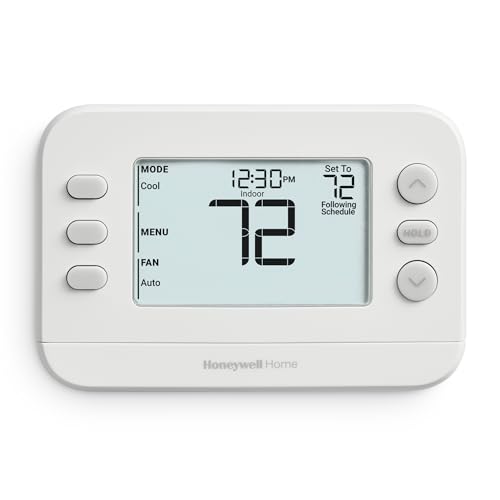
A budget programmable thermostat can cut heating and cooling waste, so this guide explains schedules, wiring, and compatibility in plain language.
Choosing a best budget programmable thermostat is one of the simplest ways to cut heating and cooling waste without replacing your whole system. A programmable thermostat follows a schedule you set, so your home stays comfortable when you are there and saves energy when you are not.
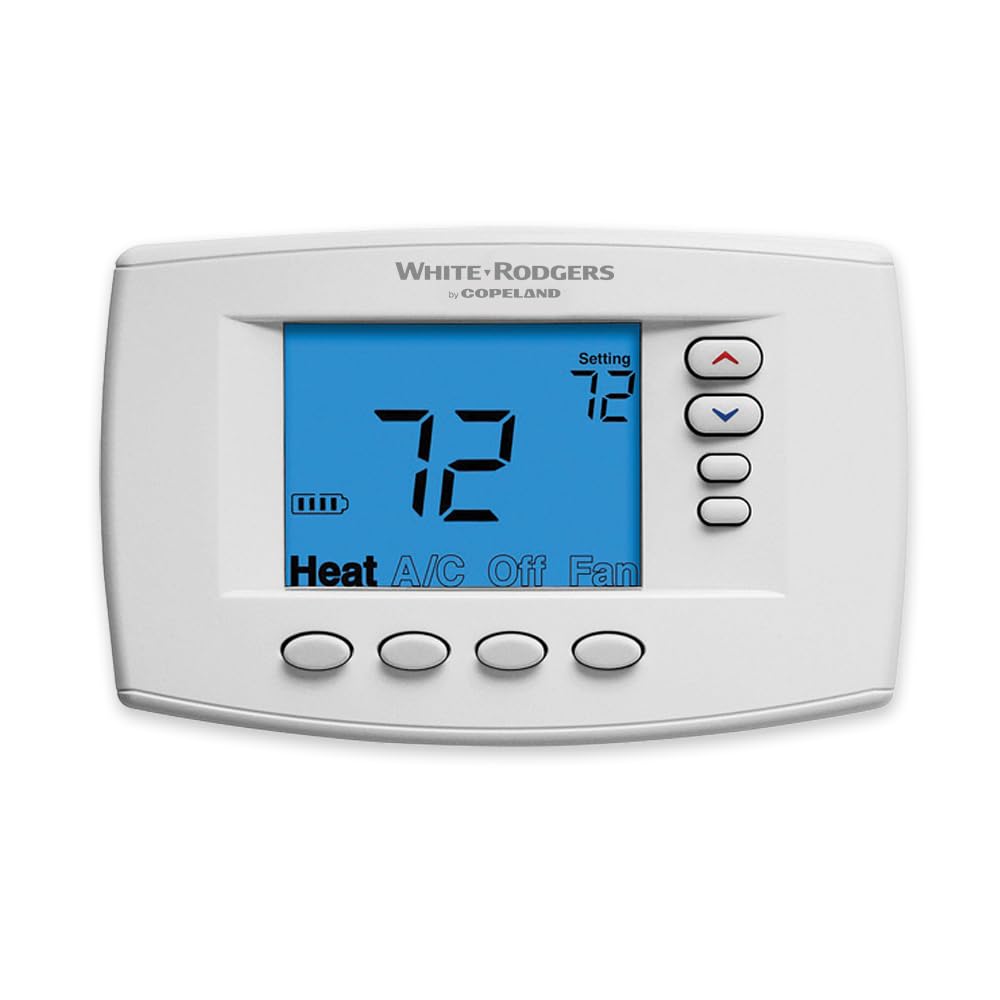
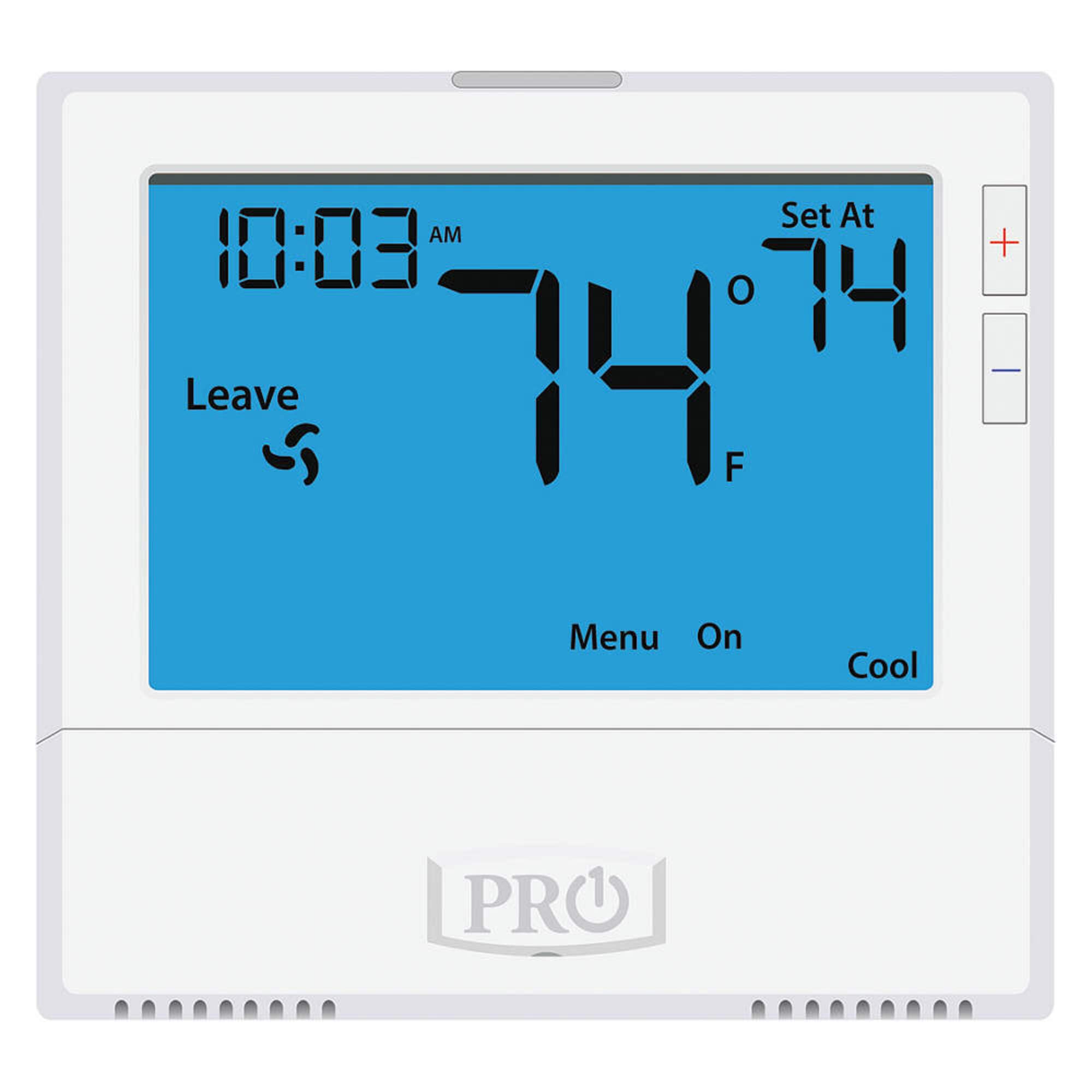
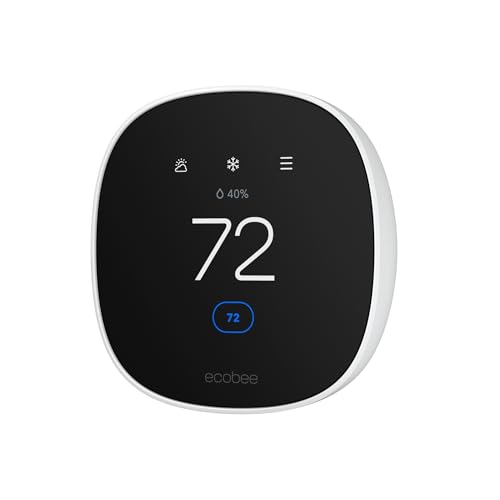
This guide explains schedules, wiring, and system compatibility in plain language, so first time buyers can choose with confidence. The comparison table below sets out the main budget programmable styles side by side, from simple weekday models to flexible seven day versions.





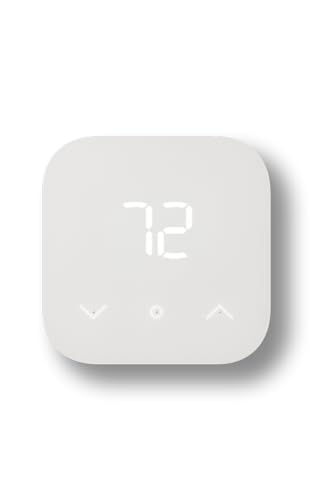
How Programmable Thermostats Save Energy
A programmable thermostat saves energy by lowering heating or raising cooling during hours when comfort matters less, such as overnight or while you are at work. Even small setbacks add up over a season, since heating and cooling dominate most home energy bills. The key is a schedule that matches your real routine, not an idealized one.
Setbacks work best when they are moderate and timed well. Dropping the temperature sharply for a short period may force your system to work hard to recover, wiping out the savings. A gradual schedule that starts recovery before you return home keeps comfort steady while still saving energy.
Key Features Worth Comparing
Schedule Flexibility
Basic models offer one weekday and one weekend schedule, which suits regular routines. Seven day models let you set each day separately, which helps shift workers and families with varied schedules. Choose the simplest schedule that truly fits your week, since complex programming you never use saves nothing.
Wiring and C Wire Needs
Most programmable thermostats need a common wire, known as a C wire, for continuous power. Some budget models run on batteries and avoid the issue, but battery models may lose advanced features. Check your current wiring before buying, and switch off power at the breaker before touching any wires.
System Compatibility
Confirm compatibility with your heating and cooling system type, whether forced air, heat pump, boiler, or baseboard heat. Heat pumps need special handling for auxiliary heat, and some systems need specific thermostat settings to avoid damage. When in doubt, check the maker compatibility guide or ask a qualified installer.
Display and Ease of Use
A clear display and simple buttons matter more than extra features on a budget model. Large digits help in dim hallways, and intuitive menus reduce programming errors. If the thermostat frustrates you, you are less likely to use its schedule, which defeats the whole purpose.
Who Should Buy Which Style
For Regular Weekday Routines
A weekday and weekend model suits nine to five households perfectly. Set a morning warm up, a daytime setback, an evening comfort period, and a night setback, then leave it alone. Simplicity keeps the schedule running without weekly fiddling.
For Varied Schedules
Seven day models suit shift workers, part time home workers, and families with changing routines. Separate daily schedules prevent wasted heating on days nobody is home. Take time to program each day properly at setup, since that one effort pays off all season.
For Rental Homes and Landlords
Simple, durable programmable models suit rentals, since tenants can use basic schedules without training. Lockable settings or limited overrides can prevent extreme temperature choices that waste energy. Keep the manual accessible, so tenants can adjust schedules without calling for help.
Mistakes to Avoid
The most common mistake is buying without checking wiring or system compatibility. A thermostat that does not match your system may not work at all, or may damage equipment in rare cases. The product table above shows the main styles, but compatibility checks must come before style preferences.
Another mistake is setting extreme setbacks that make your home uncomfortable on return. Moderate, well timed schedules save nearly as much energy with far less discomfort. If your home feels cold or hot when you return, adjust the recovery start time rather than abandoning the schedule entirely.
Installation and Safety
Always switch off power at the breaker before removing your old thermostat or touching wires. Label each wire as you disconnect it, and photograph the old wiring for reference. If wires look damaged, or if you lack a C wire and the model needs one, call a qualified installer rather than improvising.
After installation, run heating and cooling modes before relying on the schedule. Check that the system starts and stops correctly, and that the display shows sensible temperatures. A careful install protects both your comfort and your heating system for years.
If you are still narrowing down the choice, related guides can help you compare nearby options. Readers often compare this guide with best budget thermostat, best non programmable thermostat, best wifi programmable thermostat and best honeywell programmable thermostat before settling on a final option, since each one covers a slightly different use case. The comparison table above can help you line up the main features side by side before you decide.
Programming a Schedule That Sticks
A schedule only saves energy if you actually keep it, so design yours around real life rather than ideal habits. Track your household routine for a week before programming, noting wake times, departure times, return times, and bedtimes. Real data beats guesswork, and it prevents schedules that fight your lifestyle.
Start with gentle setbacks of a few degrees, since drastic changes feel uncomfortable and tempt you to override the program constantly. Overrides are fine occasionally, but frequent overrides signal a schedule that needs adjusting. Tweak one period at a time and live with the change for several days before judging it.
Seasonal reviews keep schedules honest. As daylight and weather change, your routine shifts too, so revisit the program each season. A ten minute review every few months keeps the thermostat aligned with your life, and that alignment is what turns a budget device into lasting savings.
Filter maintenance interacts with thermostat performance more than many owners realize. A clogged filter forces your system to work harder, reducing comfort and wasting energy regardless of schedule quality. Check filters monthly during heavy use seasons and replace them on the maker schedule. A clean filter also improves air quality and reduces strain on fans and motors, protecting the system your thermostat controls.
Holiday mode or extended setback settings deserve attention before travel, since an empty home needs far less heating or cooling than an occupied one. Set a moderate protective temperature that prevents frozen pipes in winter or excessive humidity in summer, then restore normal schedules on return. This single setting can save significant energy during longer absences.
Frequently Asked Questions
Will a programmable thermostat work with my heating system?
Most programmable thermostats work with forced air, heat pump, and boiler systems, but compatibility varies by model. Check the maker compatibility guide for your system type, and pay special attention to heat pumps and electric baseboard heat. If your system uses line voltage or lacks a C wire, you may need a specific model or professional installation.
Do I need a C wire for a budget programmable thermostat?
Many models need a C wire for continuous power, while battery powered models can work without one. Battery models may offer fewer features and need battery changes, but they simplify installation. Check your existing wiring before buying, and never improvise wiring if you are unsure. A qualified installer can add a C wire safely when needed.
How much energy can a programmable thermostat save?
Savings depend on your climate, system efficiency, and how well the schedule matches your routine. Moderate setbacks during sleep and work hours typically deliver noticeable savings over a season. Extreme setbacks do not always save more, since recovery can consume extra energy. A realistic schedule you actually follow beats an aggressive one you abandon.
Is it safe to install a thermostat myself?
It can be safe if you switch off power at the breaker, label wires carefully, and follow the manual exactly. However, damaged wiring, missing C wires, or unfamiliar system types call for a qualified installer. Never work on live wires, and check heating and cooling modes after installation. Professional help costs less than repairing a damaged system.
What schedule should I start with?
Start with four periods: morning comfort, daytime setback, evening comfort, and night setback. Set recovery to begin 30 to 60 minutes before you need comfort, so the home feels right on arrival. Adjust gradually over a week based on comfort, rather than making large changes at once. A schedule that feels comfortable is one you will keep using.
Final Thoughts
Choosing a best budget programmable thermostat comes down to schedule fit, wiring compatibility, and ease of use. Get those three right, and the thermostat will quietly save energy season after season.
Check your system, confirm your wiring, and program a realistic schedule at setup. That small effort turns a budget device into one of the smartest home upgrades you can make.


