Best Bluetooth Phone Headsets: A Practical Checklist for 2026
Disclosure: We may earn a commission when you buy through links on this page, at no extra cost to you. As an Amazon Associate I earn from qualifying purchases. Learn more

A practical checklist for choosing the best bluetooth phone headsets: mic clarity, noise control, fit, battery life and red flags.
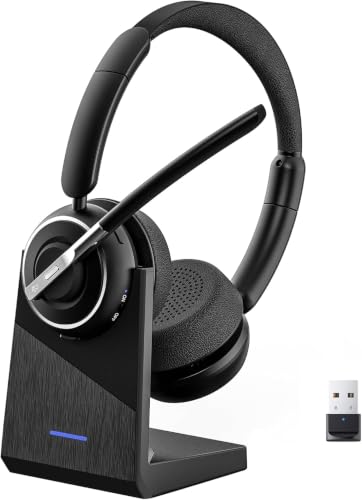
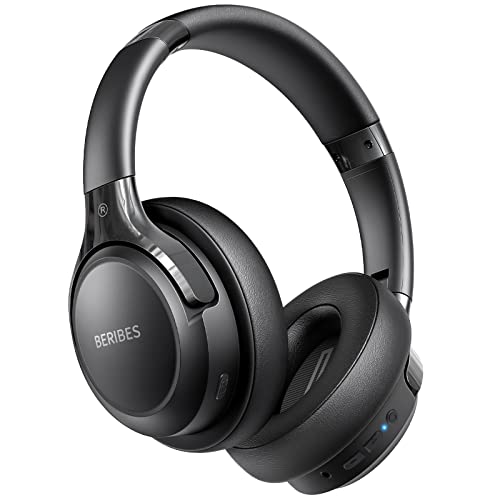
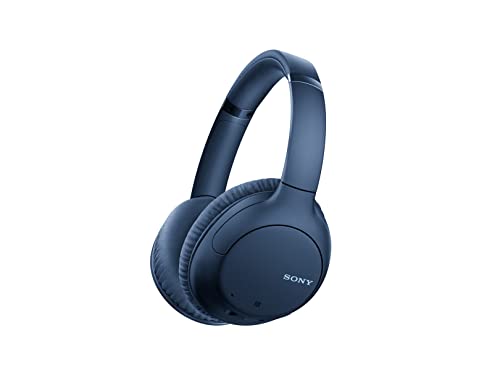
Choosing best bluetooth phone headsets is easier when you work through a checklist instead of comparing every specification at once. Phone headsets live or die on call clarity, comfort during long conversations and a connection that stays steady when you move around. The product table sets out the main options before the checklist that follows.
This guide walks through the features that affect daily phone use, the spending levels worth considering and the warning signs that suggest a model will disappoint. Use it to check any short list against your own calling habits, then pick the model that passes the most checks for your budget.

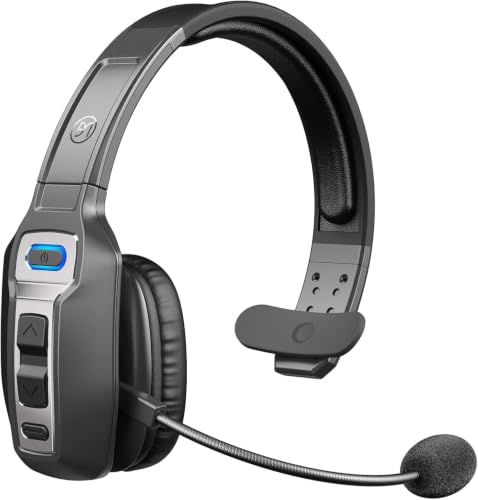
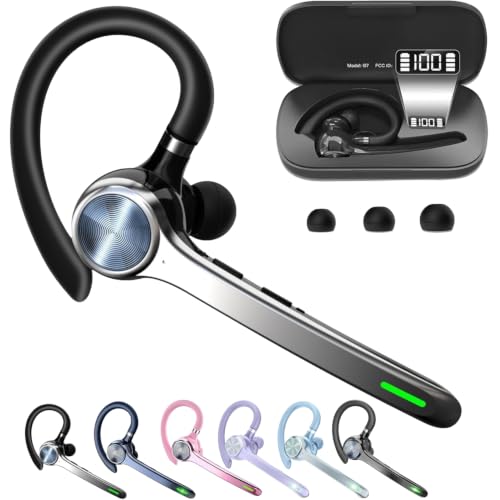


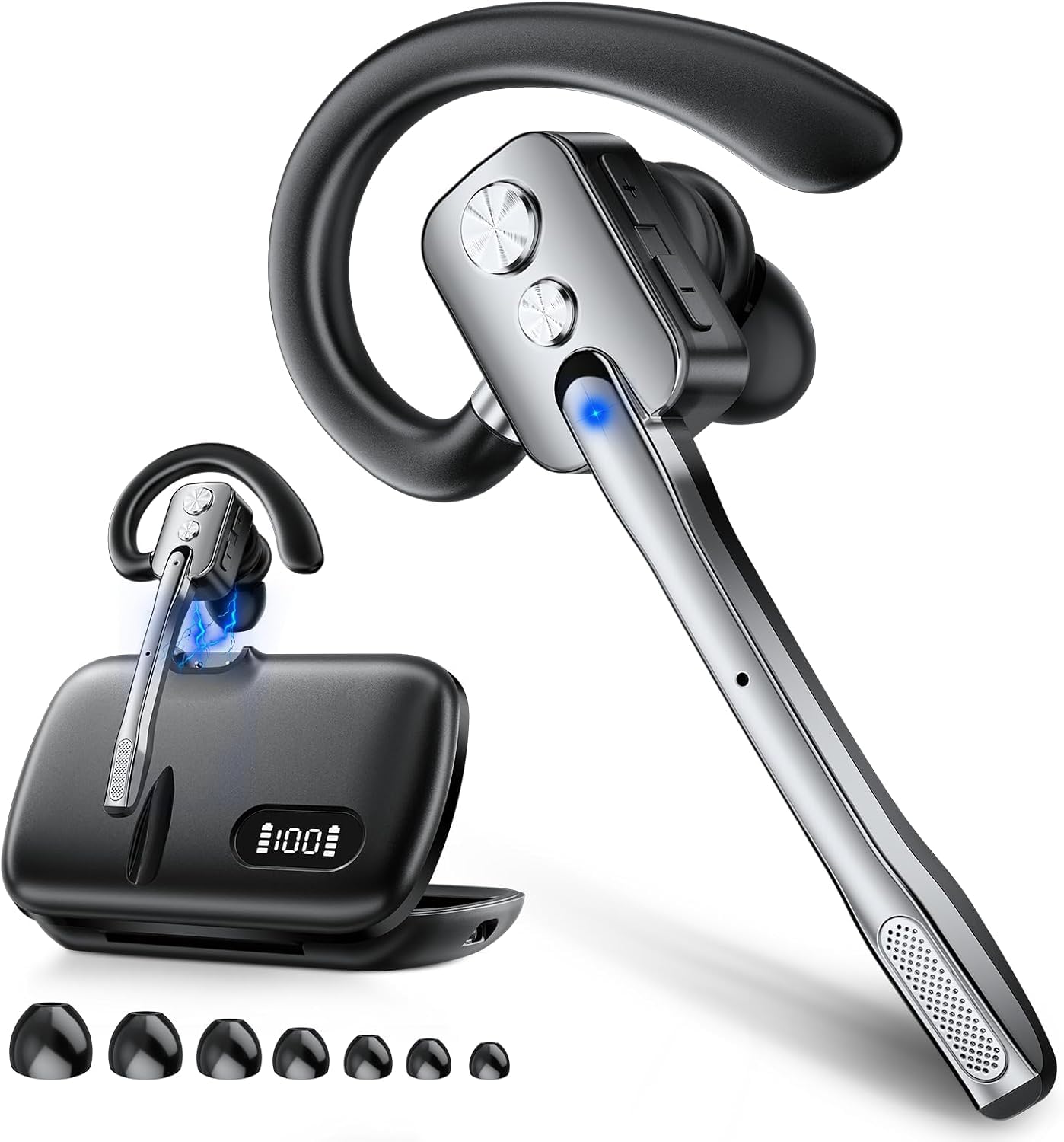

Key Features to Compare
Work through these features in order, starting with the ones that affect every call. A headset can have excellent music sound and still fail as a phone headset if the microphone is weak, the fit slips or the battery dies mid conversation. Score each candidate against the same list, and do not let one strong feature excuse several weak ones.
Sound Quality and Tuning
For phone use, sound quality means clear voices first and music second. A balanced tuning keeps speech easy to follow without turning up the volume, while heavy bass can muddy voices and tire your ears. Driver size and frequency response give a rough guide, but tuning matters more than either number alone. If you take calls in a quiet room, even a modest driver can sound clear when the fit seals well.
Noise Cancellation and Isolation
Noise cancellation helps in two directions: it quiets what you hear, and microphone processing reduces what your caller hears. Passive isolation from a snug ear tip or ear cup seal does much of the work in an office, while active cancellation adds help against steady hum from traffic or air conditioning. Sudden sounds such as a bark or a door slam still get through, so do not expect silence. Check the fit first, since a poor seal undermines both systems.
App and Ecosystem Features
An app can add equalizer settings, firmware updates, battery alerts and control customisation. Those extras help if you like to fine tune sound or remap a button, but they should not decide the purchase on their own. Check whether core controls work without the app, so a phone change or an app update does not leave you stuck. Firmware updates are worth having, since they often fix pairing and microphone issues after launch.
Connectivity
Connectivity covers Bluetooth version, codec support, multipoint pairing and any wired fallback. A recent Bluetooth version usually pairs faster and holds a connection better, while multipoint pairing lets you stay connected to a phone and a laptop at once. That is a real daily benefit if you switch between devices for calls. See our guide to the best bluetooth headsets for phone calls when multipoint use is central to your routine.
Codec support matters mainly for music. A codec such as AAC or aptX can improve music quality when your phone supports it, but voice calls need far less bandwidth, so codec choice rarely changes call clarity. A wired fallback is useful for long desk sessions or for days when the battery runs low, even if you use wireless mode most of the time.
Microphone Quality
Microphone quality is the feature most buyers underrate. A microphone near the mouth, with wind reduction and noise processing, keeps your voice clear outdoors and in busy rooms. A microphone tucked behind the ear or inside a small earbud has a harder job, especially in wind.
Listen for how a model handles your voice at normal speaking volume, not at a shout. If you call outdoors often, this feature should rank above music tuning in your checklist.
Durability and Water Resistance
Durability shows up in hinges, headband joints, charging ports and ear pads. Look for parts that feel solid rather than hollow, and ear pads you can replace when they flatten. For outdoor calls, check the water resistance rating on the headset itself.
An IPX4 rating handles sweat and light rain, while an IP67 rating covers brief immersion. Neither rating makes a headset suitable for swimming, and you should dry a wet headset before charging it.
Spending Levels to Consider
At a lower spending level, around $30 to $80, you can find a solid single ear or compact earbud model with clear calls and decent battery life. Expect simpler noise handling, fewer app features and a plainer build. That level suits occasional callers and buyers who want a backup headset for the car or the office drawer.
At a middle spending level, around $80 to $180, you gain better microphone processing, stronger noise control, multipoint pairing and longer battery life. Fit and build also tend to improve, which matters for all day wear. This level suits people who take several calls a day and want one headset for phone, laptop and music.
At a higher spending level, around $180 to $300, you pay for the best noise control, premium materials and the most refined microphone processing. The gain over the middle level is real but smaller, so it suits frequent callers, travellers and buyers who wear a headset for most of the working day. Above that range, extra cost usually buys brand polish rather than a clear call advantage.
Quick Buyer Checklist
Run through these questions before you buy, and skip any model that fails the ones that matter most to you:
- Does the microphone sit close enough to your mouth for clear outdoor calls?
- Does the fit stay comfortable and secure for a full hour of talking?
- Does multipoint pairing cover both devices you use for calls?
- Does the battery last through your longest calling day, with a quick charge option?
- Does the water resistance rating match how and where you will use it?
- Do the main controls work without opening an app?
- Can you replace the ear tips or ear pads when they wear out?
- Does the warranty and return policy give you time to try call quality at home?
Red Flags to Watch For
Watch for vague specifications that hide weak points, such as a battery claim with no conditions or a noise cancelling claim with no detail on how it works. Missing certification, a very short warranty or no clear return policy are also warning signs. Be cautious when a listing leans on slogans instead of concrete features, or when the only praise comes from short, generic comments.
Another red flag is a microphone described only as high definition, with no mention of placement, wind handling or noise processing. That usually means call quality was not a design priority. The same applies to a headset with no replaceable ear tips or pads, since worn parts can ruin an otherwise good fit within a year.
Choosing the Best Bluetooth Phone Headsets for Your Situation
Match the shape to your calling pattern. A single ear model leaves one ear open for office awareness and road sounds, while a two ear model blocks more background noise and suits music as well as calls. Earbuds travel light and disappear in a pocket, while a headband model spreads weight better for long sessions. Try the shape that fits your day, not the shape that looks most impressive on a product page.
Best Mono Bluetooth Phone Headsets: What to Check
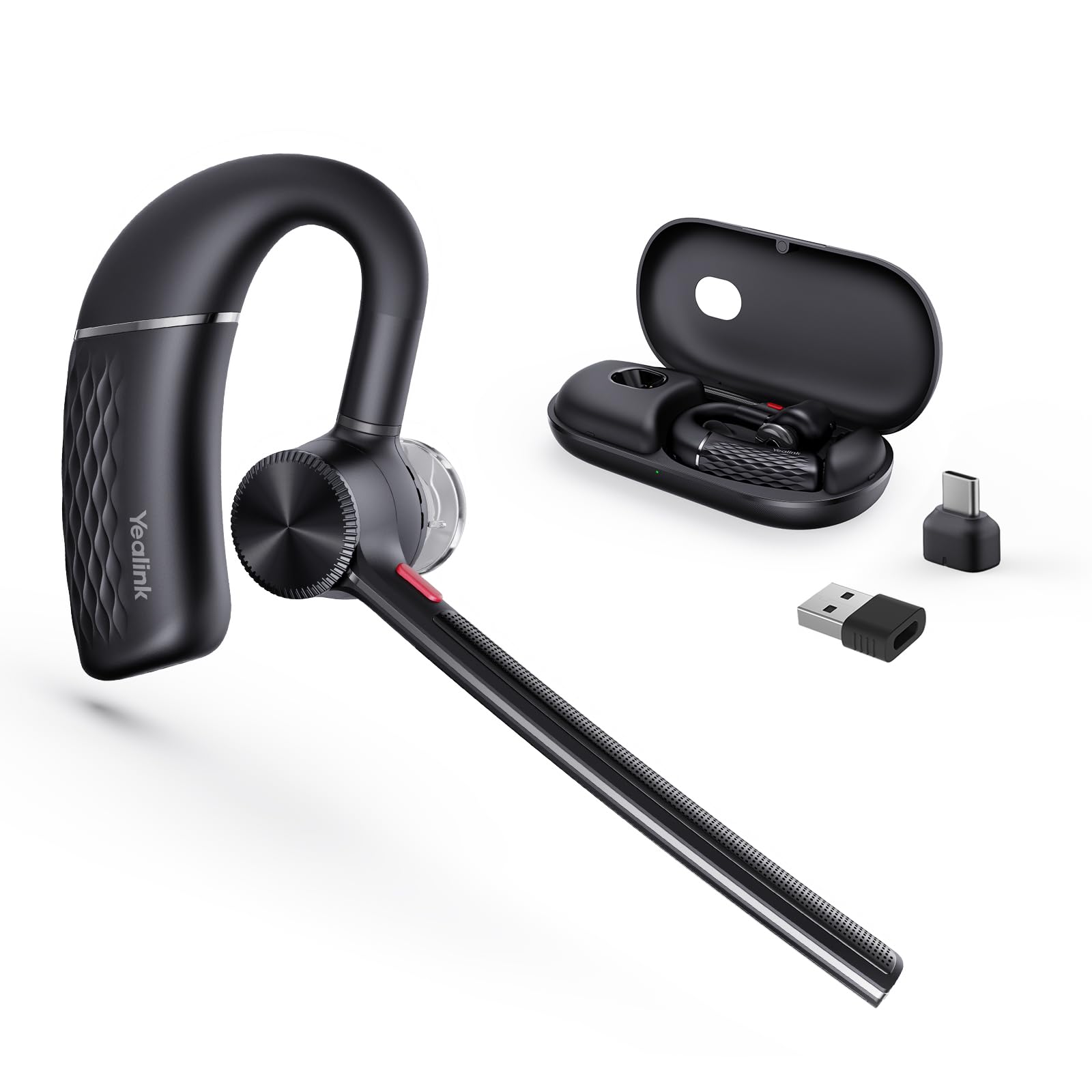
Mono designs suit drivers, office workers and anyone who needs one ear free. Check three points that are specific to mono designs: ear hook stability, so the unit does not slip when you turn your head; microphone boom length, so your voice stays close to the pickup point; and volume control you can reach by touch. See our guide to the best cell phone bluetooth headsets for more single ear options across phone types.
Mono models also benefit from a charging case or dock, since a single ear unit has a smaller battery than a headband model. Check total talk time with the case included, not just per charge. If you switch between a phone and a car system, confirm that multipoint pairing covers both, so you do not have to repair the headset each time you change devices.
How to Make Your Bluetooth Phone Headset Last Longer
Keep firmware updated, store the headset in a case to protect drivers and hinges, and clean ear tips and pads regularly so the seal stays snug. Avoid leaving a headset in a hot car, and charge it before long trips rather than letting the battery sit flat for weeks. See our guide to the best bluetooth headsets for mobile phones for models suited to daily phone use across different handsets.
Look after your hearing too. Keep the volume moderate, especially with in ear models, and take a short break after a long run of calls. If you notice ringing in your ears, turn the volume down, rest your ears and ask your doctor if it continues. See our guide to the best phone headsets for a wider look at phone headset styles, including wired options for desk based work.
Frequently Asked Questions
Does a single ear phone headset sound as clear as a two ear model?
A single ear phone headset can sound just as clear for calls, since call clarity depends mainly on microphone placement and noise processing, not on covering both ears. Two ear models add passive isolation and better music sound, which helps in noisy places. Single ear models keep one ear open, which suits driving, office awareness and long wear. Choose based on how much background sound you need to hear, not on an assumption that two ears always win.
Can I stay connected to my phone and laptop at the same time?
You can stay connected to both devices at once when a headset supports multipoint pairing. With multipoint, the headset holds two connections and switches audio to whichever device rings or plays sound. Without it, you must disconnect from one device before connecting to the other, which gets tedious during a working day. Check the multipoint detail in the specifications, since some models connect to two devices only for music, not for calls.
Why does my voice sound distant on phone calls?
Your voice sounds distant when the microphone sits far from your mouth, when wind hits the microphone or when noise processing cuts too much of your speech. Moving the microphone closer, shielding it from wind and speaking at a normal volume usually help. A boom microphone or a model with a microphone near the cheek often fixes the problem. If the issue persists indoors in a quiet room, the microphone placement is likely the cause, and a different shape may serve you better.
How much battery life do I need for daily phone calls?
For daily phone calls, aim for a headset that covers your longest calling day plus a margin for music and standby time. A single ear model with about 8 to 12 hours of talk time suits most office days, while a headband model often reaches 20 to 40 hours. A charging case extends earbud totals well beyond the per charge figure. Fast charging is a useful backup, since a short charge can often cover one more long call.
What should I check before buying a phone headset online?
Before buying online, check the return policy, warranty length and whether ear tips or pads are replaceable. Read the specifications for microphone placement, multipoint pairing and water resistance, rather than relying on marketing phrases alone. Compare your longest calling day with the stated talk time, and confirm that the headset works with your phone. A generous return window matters, since call quality is hard to judge until you try it in your own rooms.
Final Thoughts
A good phone headset meets three simple standards: clear voice on both ends, comfortable fit for your longest day and a connection that does not drop when you move. Use the checklist above to compare candidates on those points first, then weigh music sound, app features and price. The product table gives a side by side view to support that comparison.
Do not pay for features you will not use, and do not accept a weak microphone to gain a nicer music tuning. When a model passes your must have checks and fits your budget, it is the right choice for your calling routine. That is the standard best bluetooth phone headsets should meet, whatever shape or price level you choose.