Best Cell Phone Headsets for 2026: A Buying Guide for Clearer Calls
Disclosure: We may earn a commission when you buy through links on this page, at no extra cost to you. As an Amazon Associate I earn from qualifying purchases. Learn more

Compare cell phone headsets the clear way: wired and wireless types, microphone quality, price bands, comfort and care tips for clearer calls every day.
The shelf for phone headsets splits into two camps, and the split decides most of the buying decision. Wired models plug in and simply work: they never need a charge, never drop a call to a flat battery, and never lose a pairing at the worst moment. Wireless models trade that certainty for freedom to move around the room. Knowing which camp fits your day is the first step toward the best cell phone headsets for your own routine, and the comparison table below shows how the main types stack up.
After that split, the details that matter are how you sound to the person calling you, how the headset feels in hour three, and how much upkeep it asks for. This guide walks through price bands, the features worth comparing, and the types on sale, in that order.




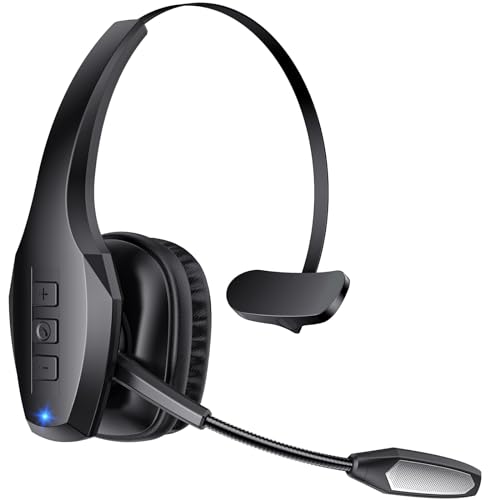
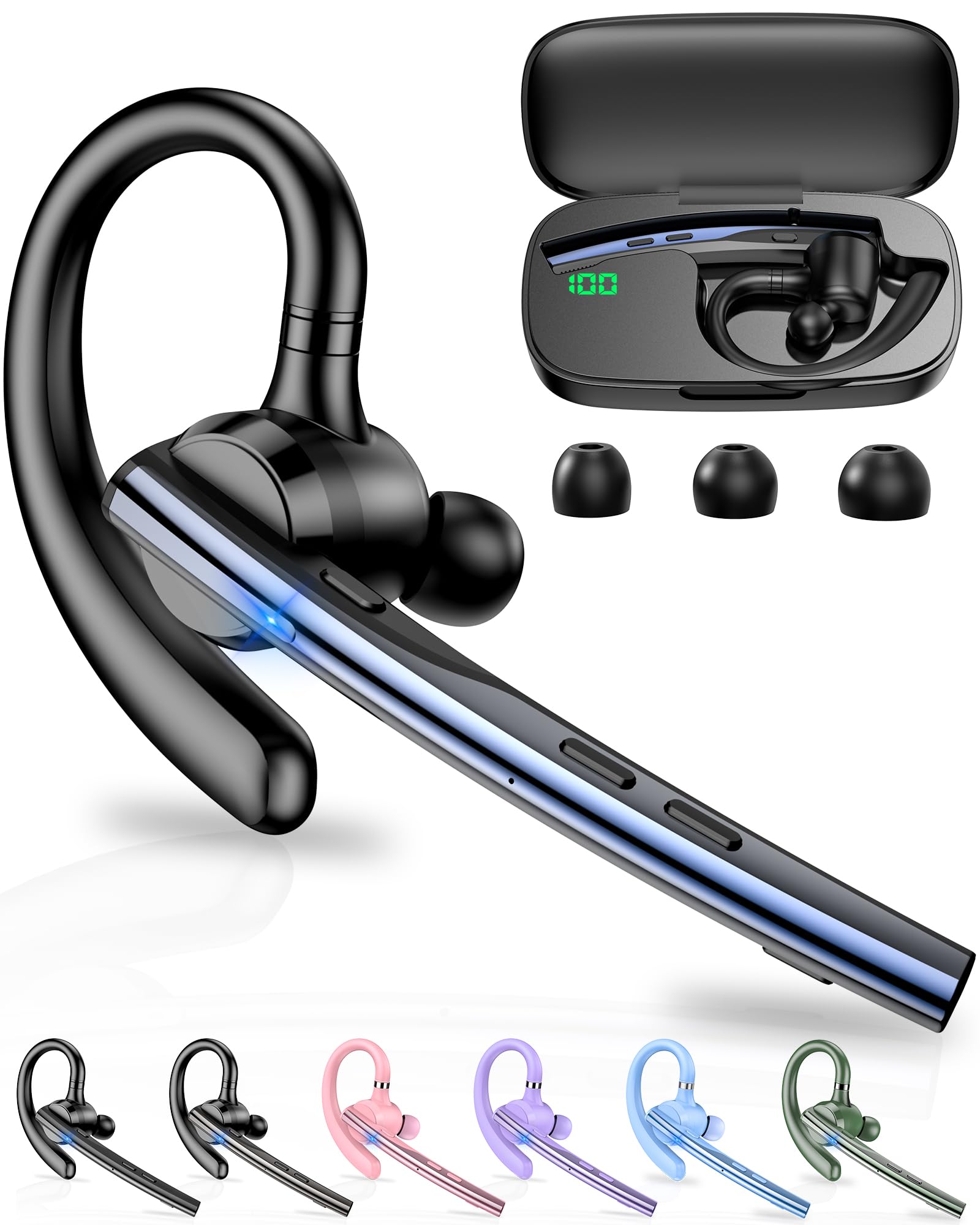
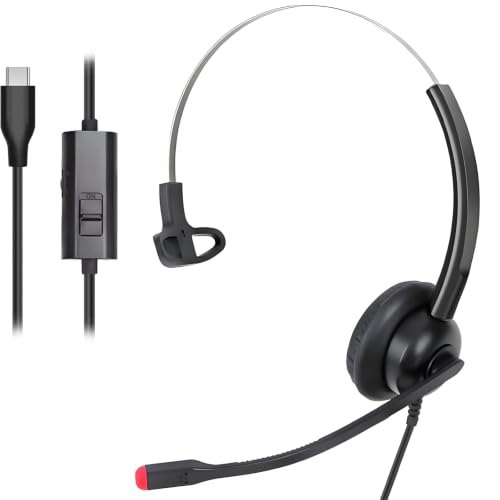
What Your Money Buys: Price Bands for Cell Phone Headsets
Spending Under About $35
The lowest band holds simple wired earbuds with an inline microphone, basic mono headsets, and entry level buds. Sound is serviceable and microphones are adequate in quiet rooms, but cables feel thin and controls stop at a single button. This band suits a spare headset for the car, a backup for a school bag, or a first try before committing real money.
Spending About $35 to $90
Most buyers land in this middle band, and it shows. Microphones gain background noise reduction, bluetooth models add multipoint pairing, and wired models step up to sturdier cables and better ear tips. Comfort improves enough for daily commuting and a full morning of calls. If you take calls for work but do not live on the phone, this is the band where spending stops feeling wasted.
Spending About $90 to $180
The upper band buys refinement rather than a new category. Expect stronger noise cancellation, voice processing that holds up in wind and traffic, wireless charging cases, and builds that shrug off daily drops. Call center style headsets with proper boom microphones also live here. Choose this band when calls are your job, when you talk outdoors often, or when a cheaper headset has already disappointed you twice.
How to Choose: The Features That Matter
Microphone Quality: How You Sound to Others
Judge every headset by how the other end hears you, because your caller never hears the speaker you listen through. The microphone is the product: its position, its wind handling, and its noise reduction decide whether you sound clear or far away. A boom that reaches toward your mouth beats a microphone hidden in an earbud stem almost every time. Buyers who talk for a living should compare the options collected under best headsets for cell phone calls before anything else on this page.
Sound Quality and Tuning
For calls, clarity lives in the midrange, where voices sit, so a neutral tuning serves you better than heavy bass. Large drivers and wide frequency response figures matter more for music than for speech. Some headsets add an equalizer in an app, which helps trim a harsh top end. If you split time between calls and music, favor a mild bass lift you can dial back rather than a fixed boomy tuning.
Connectivity: Wired, Bluetooth, and Codecs
Wired models connect through a 3.5 mm jack or USB C and ask nothing more of you. Bluetooth models depend on version and codec support: recent versions hold connections across rooms, and multipoint lets one headset serve a phone and a laptop together. The dedicated guide to best cell phone bluetooth headsets covers the wireless shelf on its own. Check whether your phone still has a jack before choosing wired, because many recent phones need an adapter.
Noise Cancellation and Isolation
Active noise cancellation reduces the rumble and chatter reaching your ears, which helps concentration and lowers listening fatigue. Passive isolation from a snug ear tip or a closed ear cup blocks higher sounds and costs nothing extra. Neither feature improves your voice for the caller; that job belongs to the microphone system. Frequent flyers gain the most from cancellation, while quiet home workers can skip it and save the money.
Comfort, Fit, and Weight
A headset you remove after twenty minutes has failed, whatever its specifications say. Light weight, soft ear tips in several sizes, and a headband that spreads pressure all matter more than driver size for long calls. Mono headsets can switch ears on many models, which spreads the load across a long day. Try the fit with glasses on if you wear them, because temple arms change how ear cups and hooks feel.
Durability and Water Resistance
Ingress ratings tell you how a headset handles sweat, rain, and dust. A rating around IPX4 covers workouts and light showers, while higher ratings suit outdoor work in rough weather. Strain relief where the cable meets the plug decides wired survival more than cable thickness does. Whatever you choose, a hard case in your bag prevents the crushed hinge and cracked cup damage that ends most headsets early.
Types of Cell Phone Headsets
One neighboring category deserves a clear label before the types below: best cell phone vr headsets belong to the immersion class, built for games and virtual worlds, which is a different purchase from a headset bought for calls. Shorter roundups of best phone headsets sometimes blur that line, so the types below stay strictly with models made for talking and listening on a phone.
Wired Models
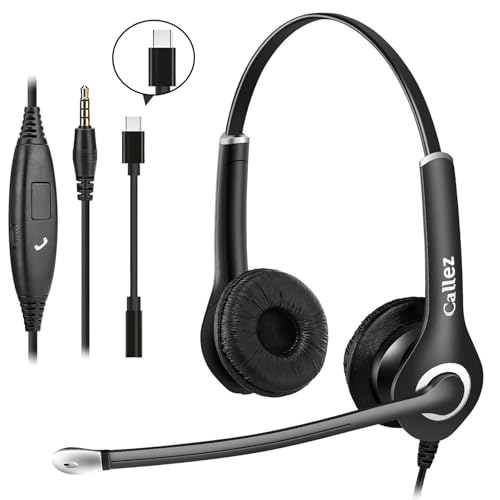
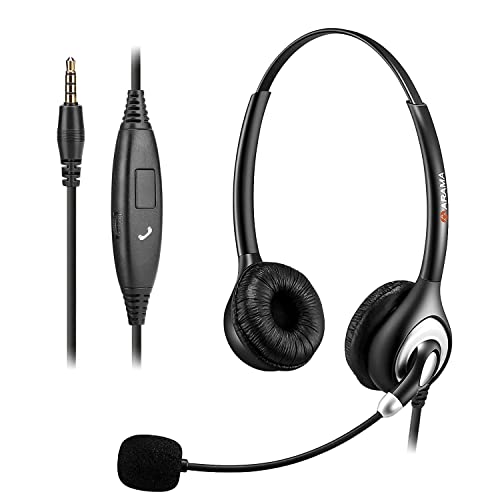
Wired headsets plug in and work with no charging, no pairing, and no delay, which makes them the dependable choice for long calls at a desk. The cable is the trade off: it snags on chairs and limits how far you can wander. The range of best wired headsets for cell phones shows how much microphone quality varies even inside this simple class.
Wireless and Bluetooth Models
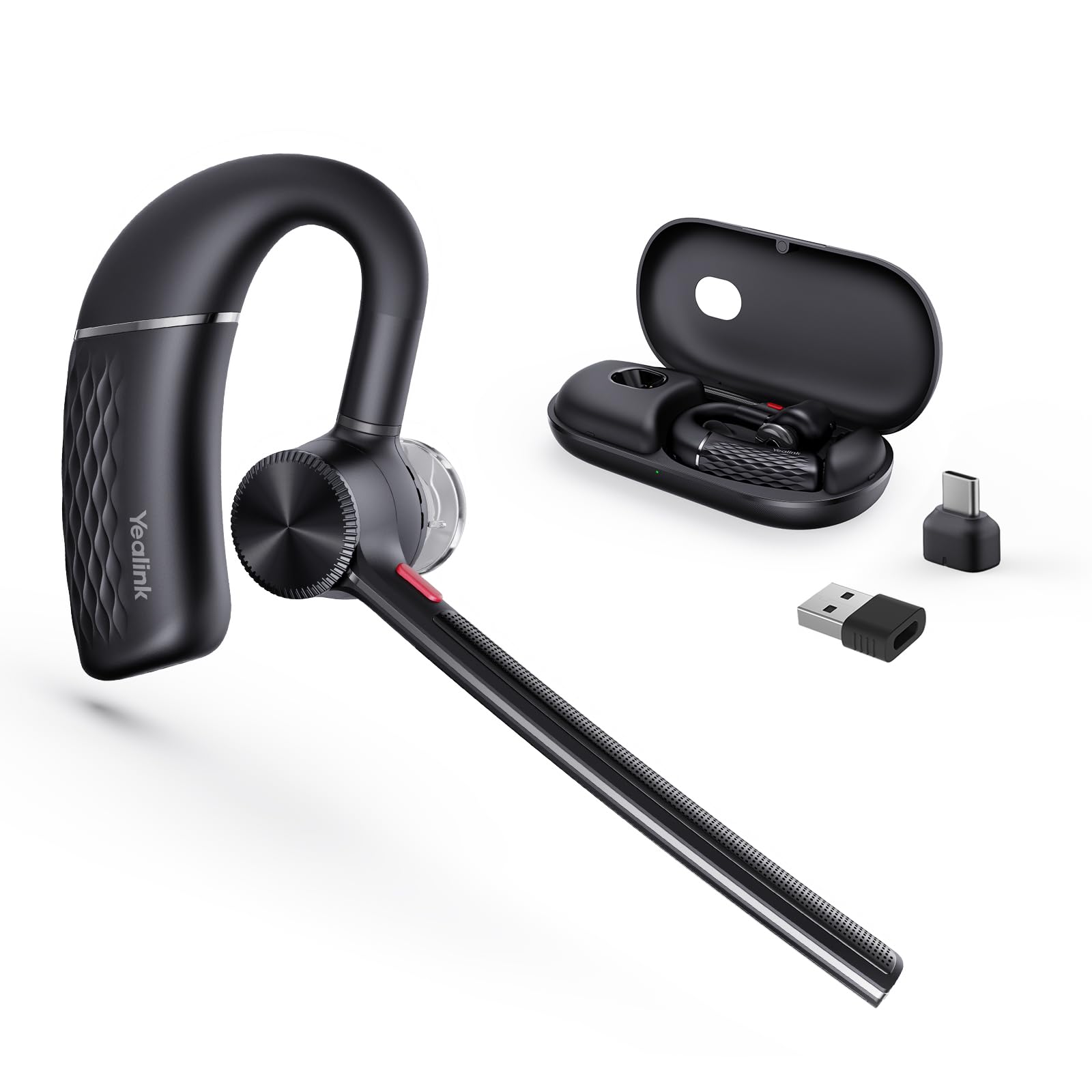
Wireless models free you to pace, cook, or fetch coffee mid call, and modern ones reconnect to your phone the moment the case opens. You pay for that freedom with charging routines and a battery that ages over the years. Buds, neckbands, mono headsets, and over ear designs all live in this class, so pick the shape first and the specification list second.
Noise Cancelling Models
Noise cancelling models add electronics that sample the room and erase steady low sounds before they reach you. They shine on planes, trains, and in open plan offices, and they do nothing for the wind noise your microphone sends to callers. Buy them for your own concentration, and judge their call quality by the microphone section above rather than the cancellation badge.
Setup and Care Tips
- Keep volume moderate and avoid maximum volume for long sessions, because comfortable levels protect your hearing over years of use.
- Update firmware through the maker app when offered, since updates often fix pairing drops and call quality bugs.
- Clean ear tips and pads regularly with a dry or slightly damp cloth so wax and sweat never muffle the sound.
- Store the headset in its case to protect drivers, hinges, and charging contacts from bag damage.
- Coil wired cables loosely instead of wrapping them tight, which keeps the internal wires from breaking at the plug.
Cell Phone Headsets: Your Questions Answered
Wired or wireless cell phone headsets: which sounds better for calls?
For calls alone, the two sound closer than most buyers expect, because speech needs clarity rather than range. People chasing the best sounding cell phone headsets for music usually land on wired models, which avoid compression entirely. Wireless wins the moment you need to move, take notes, or keep your hands free, and modern voice processing closes most of the remaining gap for the person listening to you.
How long does the battery last on a wireless cell phone headset?
Small buds typically talk for about five to eight hours per charge, with the case holding several refills, while larger headsets can run far longer. Wired models, of course, never run out at all. One point the box rarely mentions: every battery loses capacity with age, so a two year old headset may deliver noticeably less than its printed figure even with gentle use.
Is ANC worth the extra cost on a cell phone headset?
It is worth it if your listening happens in aircraft cabins, open plan offices, or busy streets, where steady noise wears you down. It is poor value in a quiet home office, where plain isolation already does the job. Remember that cancellation also adds weight and cost, and it does nothing to make your own voice clearer for the person on the other end of the call.
What IP rating does a cell phone headset need for outdoor use?
IPX4 is the practical floor for outdoor use, since it shrugs off sweat and passing rain during walks and workouts. Higher ratings make sense for runners in all weather and workers around dust. The rating covers the headset only, not a charging case, and it says nothing about surviving a drop onto concrete, so outdoor buyers still need a case habit.
Do special codecs matter for phone calls on a cell phone headset?
Barely at all. Calls run through voice channels set by your phone and carrier or calling app, and those channels were designed for speech long before premium music codecs existed. Codec support still matters for music detail and for keeping video voices in sync, so it is a fair tiebreaker between two headsets you otherwise like equally. It should never outrank microphone quality when calls are the priority.
The Bottom Line
Decide wired or wireless first, then judge by the microphone, then by comfort across your longest call day. The best cell phone headsets are simply the ones your callers hear clearly and you forget you are wearing. Compare your shortlist in the product table above against those three tests, and the right choice usually names itself.