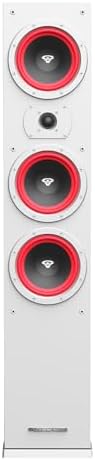
Best Celestion Speakers For Metal 2026 for Everyday Use
Disclosure: We may earn a commission when you buy through links on this page, at no extra cost to you. As an Amazon Associate I earn from qualifying purchases. Learn more

Learn which Celestion speakers suit metal guitar tone, how to match tight bass and aggressive mids, and what power and cabinet setup works best.
Metal guitar tone demands tight bass, cutting mids and clarity under high gain, and best celestion speakers for metal choices shape all three. The comparison table below outlines the main options, and this guide explains how to match speakers to metal styles. A speaker that sounds great clean may turn muddy under distortion, so test with gain, not just clean tones.
High gain amplifies every weakness in a speaker. Loose bass becomes flabby. Harsh highs become piercing. Weak mids disappear in a band mix.


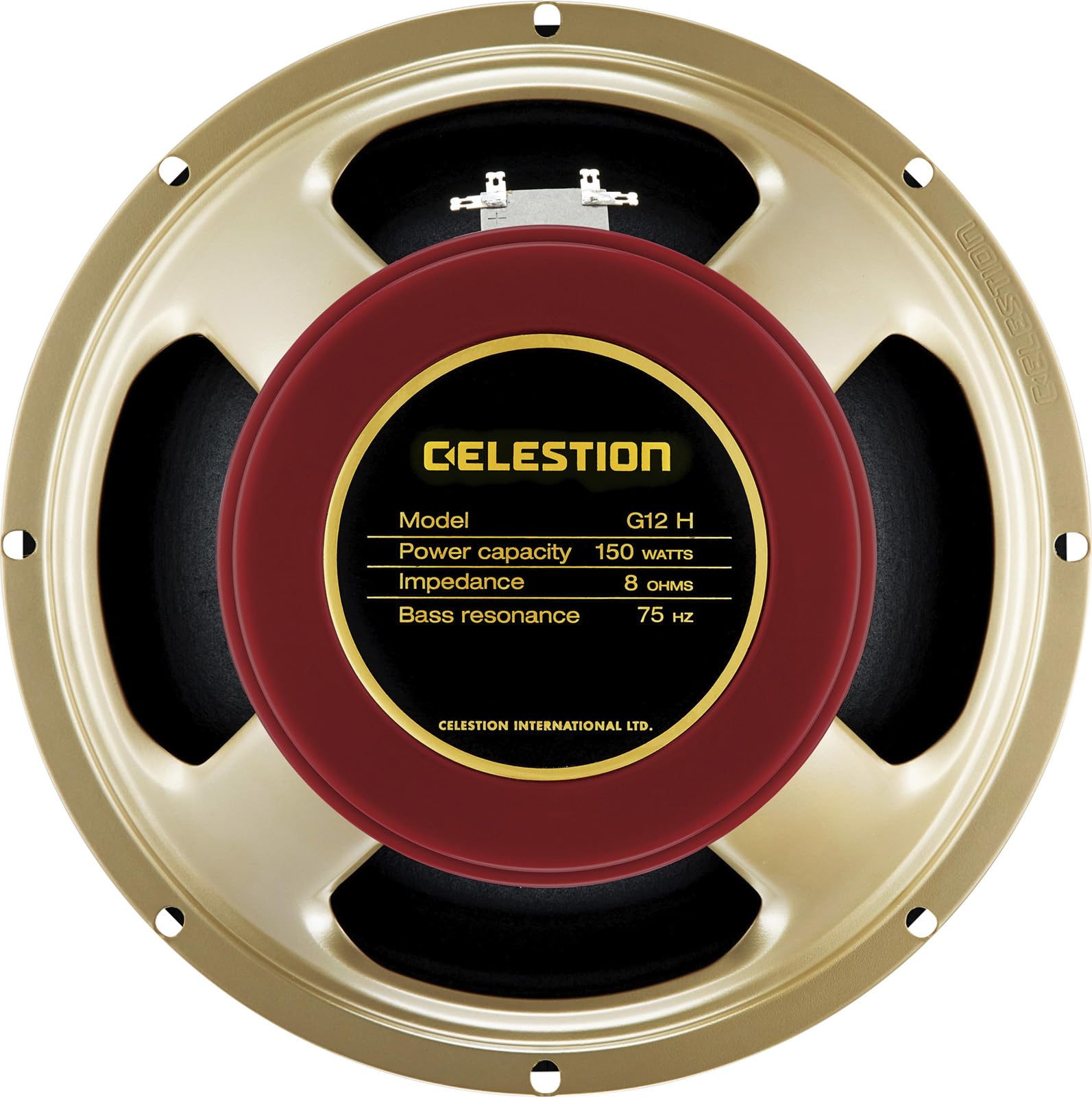

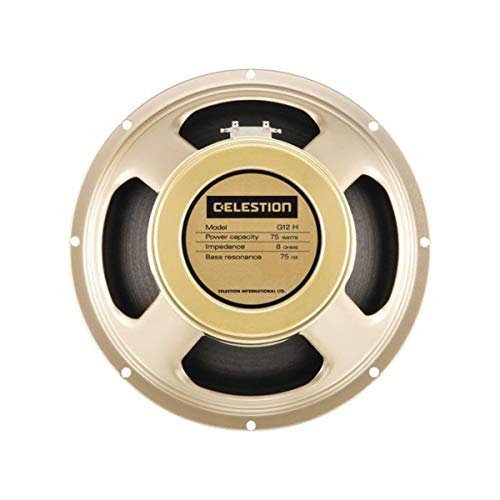

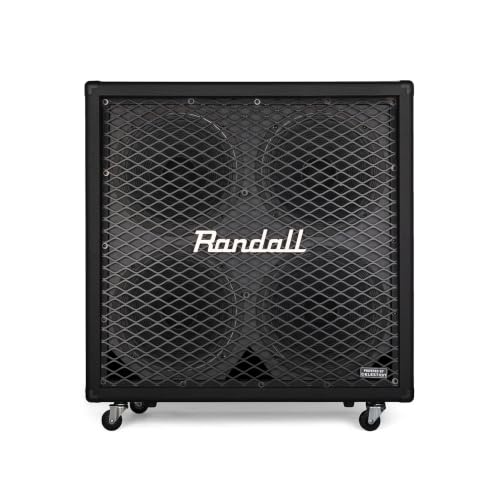


The right Celestion model keeps low end controlled, mids present and highs smooth enough for long sessions without fatigue.
Cabinet design matters too. Closed back cabinets tighten bass, while open backs sound looser and more spacious. Speaker choice and cabinet type work together, so judge them as a system rather than isolated parts.
Band context changes metal speaker needs. A bedroom tone with scooped mids and huge bass sounds impressive alone but disappears against bass guitar and drums. Live metal tone needs focused mids and controlled bass to cut through. Recorded metal tone needs clarity that survives mixing.
Judge speakers in context, not isolation, whenever possible.
Who Should Choose Celestion Speakers for Metal
Metal and hard rock players benefit most from speakers designed for tight, aggressive tones. If you play drop tunings, fast riffs or high gain leads, a speaker with controlled bass and strong mids keeps notes defined. Rhythm players especially need clarity, since muddy chords ruin heavy riffs.
Versatile players who also play clean or blues may prefer a balanced speaker that handles metal without sacrificing other styles. Extremely specialised metal speakers can sound harsh clean. If metal is one style among many, favour a versatile model with strong mids and tight bass rather than the most aggressive option.
Key Features to Compare
Bass tightness is the top priority for metal. Speakers with strong motor control and stiff cones keep low notes articulate at high volume. Check low frequency response and user feedback on drop tuning performance. A speaker that booms on open chords may still work for metal if palm muted notes stay tight and defined.
Midrange presence decides whether you cut through a mix. Scooped mids sound huge alone but vanish with bass and drums. Speakers with upper mid emphasis help leads and riffs stand out. High frequency smoothness matters for long practice sessions, since harsh highs cause ear fatigue quickly.
Power Handling and Volume
Metal players often play loud, so power handling matters. Speaker ratings should meet or exceed amplifier output, especially for single speaker cabinets. For multi speaker cabinets, total handling sums across speakers, but each speaker still needs sensible matching. Check ratings for your exact wiring configuration.
Sensitivity affects gig volume. Higher sensitivity speakers play louder from the same amp, which helps on stage. However, very sensitive speakers also reveal noise and harshness. Balance volume needs with tone smoothness.
Test at gig volume where possible, since bedroom tones change dramatically when pushed.
Cabinet and Setup Choices
Closed back cabinets suit metal by tightening bass and focusing projection. A 4x12 cabinet moves more air and sounds bigger, while a 2x12 offers portability with strong tone. A 1x12 suits practice and recording but may lack low end weight for live metal. Match cabinet size to your gigging needs.
Mixing speakers can blend strengths, such as pairing a mid focused model with a bass tight model. Mixed cabinets need careful impedance and power matching. Start with a matched set if you are new to speaker swaps, and experiment with mixes only after understanding each model alone.
Budget and Value
Affordable ceramic Celestion models offer excellent metal tone for the price and suit most players. Mid range models add power handling and refinement. Premium models suit players chasing specific recorded tones or touring reliability. Value peaks where tone, power and cabinet needs align.
Used speakers can save money, but inspect cones, surrounds and voice coils for damage. Avoid speakers with rubbing, tears or distorted sound. A single great speaker in a good cabinet often beats a cheap full stack. Spend where tone is created: the speaker and cabinet, not just the amplifier badge.
Quick Checklist Before You Buy
- Test speakers with high gain, not just clean tones.
- Favour tight bass and present mids for metal mixes.
- Match power handling to your amplifier and wiring.
- Choose closed back cabinets for tighter low end.
- Check sensitivity for stage volume needs.
Related guides on metal speakers, Celestion models and guitar speakers for heavy styles can help you compare tone families for your rig. best speakers for metal, best celestion speakers, best guitar speakers for metal, best speakers for metal music, best speakers for heavy metal.
Getting the Most From Your Choice
Pick attack and clarity define tight metal rhythm playing. Speakers with fast transient response articulate fast palm muted riffs cleanly, while slow speakers blur notes together. Pick thickness and material also affect attack, so experiment with picks alongside speakers. Tight playing plus a responsive speaker creates the precision modern metal demands.
Down tuning and extended range guitars stress speakers further. Seven and eight string guitars produce very low notes that demand controlled bass response. Standard speakers may struggle below certain frequencies. If you play extended range instruments, prioritise speakers and cabinets known for tight low end, and test with your lowest tuning before committing.
A Final Check Before You Order
Hearing protection matters for metal players who rehearse loud. High volume rehearsals damage hearing gradually and permanently, and speaker choice does not prevent that. Use quality ear protection that preserves tone while reducing volume. Protecting hearing keeps you playing metal for decades, while careless volume shortens careers silently.
Practice volume versus stage volume creates a dilemma. Tones dialled at bedroom volume rarely translate directly to stage. Use attenuators, master volume controls or modelling tools to practise at lower volume, then verify tones at rehearsal volume before gigs. Planning for both volumes avoids nasty surprises on stage.
Rehearsal room acoustics shape metal tone as much as speakers do. Small, reflective rooms exaggerate harsh highs, while large, damped rooms swallow bass. Test your speaker setup in your actual rehearsal space, not just at home, and adjust equaliser settings for the room. Angling cabinets slightly and raising them off the floor can tighten bass and improve clarity for everyone, and a speaker that sounds perfect alone may need small room adjustments to shine with a full band.
Frequently Asked Questions
Which Celestion speaker is best for metal?
Speakers with tight bass, strong upper mids and high power handling suit metal best, since they keep riffs defined under high gain. Vintage 30 style models are popular for aggressive mids, while heavier magnet models offer tighter bass. The best choice depends on your amp, tuning and cabinet, so test with your own rig at gig volume.
Do I need a 4x12 cabinet for metal?
A 4x12 cabinet sounds big and moves plenty of air, but it is heavy and often unnecessary. A good 2x12 with the right speakers delivers strong metal tone for most gigs and rehearsals. A 1x12 suits practice and recording. Choose cabinet size by venue, transport and volume needs, not by image alone.
Can one speaker handle drop tunings well?
Yes, if the speaker controls low frequencies tightly and the cabinet is closed back. Loose speakers turn drop tuned riffs muddy. Check feedback on low tuning performance and test palm muted chords at volume. A tight, well damped speaker keeps low notes articulate even in very low tunings.
How much power handling do metal speakers need?
Speaker power handling should meet or exceed your amplifier output for single speaker setups. For multi speaker cabinets, total handling sums across speakers, but check each speaker rating and wiring. Playing loud metal with underrated speakers risks damage. When in doubt, choose higher handling for safety and headroom.
Why does my metal tone sound muddy live?
Muddy live tone often comes from scooped mids, loose bass or too much gain. Boost upper mids slightly, reduce bass a little and lower gain until notes clarify. Speaker choice matters too: tight bass speakers help enormously. Test in a band mix, since tones that sound huge alone often vanish with drums and bass.
Final Thoughts
Great metal tone comes from tight bass, present mids and a cabinet that supports them. Use the product table above to compare Celestion models for metal, then test with your amp, tuning and cabinet at real volume. Specs guide you, but your ears decide.
Choose speakers that keep riffs clear in a full band mix, not just in isolation. With the right match, your rig will sound heavier, clearer and more inspiring on stage and in rehearsal.
Tight bass, cutting mids and real world testing define great metal tone, and best celestion speakers for metal reward players who judge speakers in a band mix. Use the product table above to compare models, then dial in clarity that survives drums and bass.