Best Car Speakers for Heavy Metal 2026: Clarity at Volume Buying Guide
Disclosure: We may earn a commission when you buy through links on this page, at no extra cost to you. As an Amazon Associate I earn from qualifying purchases. Learn more

Dense guitars and double kicks need clarity at volume. Learn how to choose the best car speakers for heavy metal, with power, fit and tweeter advice.
Heavy metal is one of the hardest tests you can give a car speaker. Dense guitars, fast double kick drums, and shouted or soaring vocals all fight for the same space, and weak speakers turn that wall of sound into mush. Choosing the best car speakers for heavy metal means prioritizing clarity at real volume, strong midrange detail, and enough headroom that riffs stay sharp instead of collapsing into distortion.
This guide explains the profiles that work, the specs that decide whether guitars cut through cleanly, and the setup habits that keep a loud system under control. Use the comparison table below to check your shortlist against each point as you read.



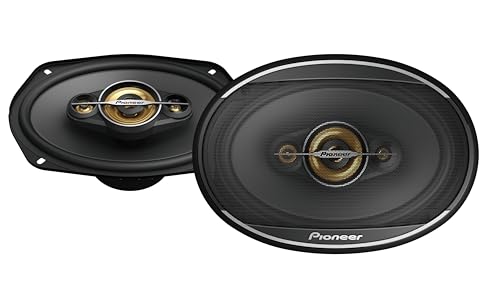


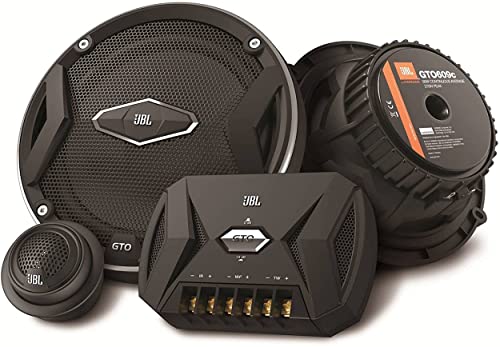
What Strong Metal Performance Looks Like at a Glance
Think in profiles rather than single products. Your amplifier, your cabin, and how loud you honestly listen will point to one of these profiles more clearly than any headline watt number.
The Balanced Profile
An overall profile for metal is a front component set with rigid woofers, smooth but detailed tweeters, and crossovers you can adjust. It keeps rhythm guitars defined, lets lead lines sing above them, and holds vocals in the center of the mix at strong volume. Expect around $250 to $600 for the front set, plus an amplifier that matches its RMS needs. The strength is separation under pressure. The cost is installation time, because tweeter placement and level setting decide whether the result sounds fierce or simply harsh.
The Value Profile
A value profile puts the money into the front doors and keeps everything else simple. A capable coaxial or entry component set around $120 to $250, paired with door deadening, delivers most of the clarity gain metal fans want. You give up some output and fine tuning compared with pricier sets, but you gain a balanced system you can finish in a weekend. Set gains carefully, because value speakers punish clipping quickly. For many daily drivers that mostly play classic and modern metal at sensible volume, this profile is the smart stopping point.
The Beginner Profile
A beginner profile favors high sensitivity and simple installation. Efficient coaxial speakers play loud enough on modest power, forgive small setup errors, and let you learn what you like before spending on amplifiers and component sets. Budget around $80 to $180, and spend what you save on a wiring harness and basic door treatment. Choose smooth tweeters over bright ones at this level. New metal listeners often mistake brightness for detail at first, then find long albums fatiguing once the novelty fades and every cymbal starts to dominate the guitars.
How to Choose the Best Car Speakers: Buying Guide
Features That Matter for Heavy Metal
Metal lives in the midrange. Guitars, snare, and vocals occupy overlapping ground, so a speaker needs a controlled, detailed midrange more than extreme bass or sparkling highs. Look for rigid cone materials that resist flexing during fast passages, and tweeters described as smooth rather than aggressive. Crossover quality matters because a harsh tweeter at loud volume ruins long listening sessions. Also value power handling with real headroom. A set that stays calm at your loudest honest volume will always sound heavier than a strained set playing slightly louder.
Vehicle Compatibility
Confirm size, mounting depth, and impedance for your exact vehicle before anything else. Deep component woofers can foul window mechanisms, and some factory amplified systems filter the signal so heavily that a speaker swap alone cannot fix the balance. Check whether your car sends full range sound to the doors. If it does not, plan for signal correction or choose locations that receive a full signal. For related reading on voicing, see our guide to the best speakers for heavy metal, which covers the same clarity priorities in home systems.
Warranty and Brand Support
Loud genres stress equipment, so warranty and parts support carry real weight. Check coverage length, how voice coil damage is treated, and whether replacement tweeters or crossovers are available for component sets. Keep receipts and serial numbers, and photograph your gain and crossover settings once tuned. If a driver fails, that record restores your setup quickly after a claim. Brands with full published specifications and accessible manuals also tend to support owners better, because their documentation shows they expect informed questions from serious listeners.
Ease of Installation
Coaxial speakers offer plug and play simplicity in most doors, while component sets ask you to mount tweeters, place crossovers, and sometimes run new wire. Neither route is wrong. The right choice matches your skill and your weekend. If you install components, test tweeter positions with temporary mounts before drilling or cutting anything, because a few inches of placement change the brightness dramatically in a small cabin. Work with the battery disconnected, test each side before refitting panels, and keep factory parts until the new system has survived a week of real driving.
Build Quality and Weather Resistance
Doors bring heat, vibration, and moisture, and metal listening adds long sessions at high excursion. Favor rubber surrounds over foam, cones that resist humidity, and baskets that feel stiff when handled. Terminals should grip firmly, because a loose connection crackling during a quiet intro will drive you mad. Inspect glue joints and check that the cone moves without scraping. If you are comparing close variants of the genre, our guide to the best car speakers for metal looks at similar build questions from a slightly broader angle.
Safety Features
Safe installation is part of good sound. Disconnect the battery before wiring audio, fuse any amplifier power wire correctly near the battery, and keep cables clear of pedals, seat rails, and sharp edges. Correct speaker polarity keeps bass and imaging strong, while reversed wiring thins the low end and smears the center image where vocals should sit. Never ignore a blown fuse or a hot amplifier. Stop, let things cool, and inspect with power off. A qualified installer is the right call when wiring looks damaged or faults repeat.
Types of Car Speakers
Premium Options
Premium options deliver refined tweeters, advanced cone materials, and crossovers with fine adjustment. For metal, the payoff is long session comfort and detail in complex mixes, where lesser speakers blur layered guitars. They suit finished systems with good amplification and treated doors. Their weakness is value for casual listeners, because the gains shrink at low volume and in untreated cabins where rattles and road noise mask fine detail anyway.
Budget and DIY Options
Budget and DIY options suit owners who enjoy the work. You choose honest, efficient speakers, install them slowly, and invest effort in sealing and deadening the doors. Done well, the result handles metal respectably for around $80 to $180 per pair. The risk is uneven results, since small errors in polarity, sealing, or gain setting stand out with dense recordings. Take photos as you go so every wire and clip returns to a known place when panels go back on.
Pro Grade Options
Pro grade options are high output component sets built for listeners who play loud often. Strong motors, generous RMS handling, and adjustable crossovers keep fast double kick patterns and downtuned riffs distinct at volume. They need real amplifier power and careful tuning to earn their price, often around $300 to $700 for the front stage. If your listening is mostly moderate, this capacity sits unused. If your weekends involve long loud drives, it is exactly the headroom that keeps metal exciting instead of exhausting.
Compact and Portable Options
Compact options here mean shallow coaxial speakers for tight doors and small cars. They install easily, run well on limited power, and keep the cabin looking factory fresh. For metal at everyday volume they do a fine job, especially with tone controls set flat and a modest subwoofer helping the lowest notes. Their limits are output and midbass weight, so very loud listening exposes them quickly. Our guide to the best car speakers for metal music explores similar compact trade offs for genre focused builds.
Setup and Care Tips
- Check your manual for specs first. Match RMS range and impedance to your amplifier or head unit before any wire is connected.
- Disconnect the battery before wiring audio. This prevents shorts and protects both the car electronics and your new speakers.
- Set gains below the point of harshness. Raise volume slowly with a dense track, stop when guitars harden, then back off slightly and leave that margin.
- Deaden and seal the front doors. Firm mounting and fewer rattles give you cleaner midbass and let detail survive at lower volume.
- Keep tone controls near flat while tuning. Large boosts invite distortion. Fix problems with placement and crossover settings first.
- Recheck screws and clips after a week. Vibration from loud low notes loosens hardware, and a quick check prevents new buzzes.
For overall clarity comparisons beyond genre, see our guide to the best sounding car speakers. And if you are weighing genre specific home options as well, our guide to the best speakers for metal covers the room listening side of the same questions.
Car Speakers: Your Questions Answered
What features matter most in car speakers for heavy metal?
A controlled midrange, smooth tweeters, and real RMS headroom matter most. Metal mixes are dense, so separation beats raw loudness every time. One extra point is tweeter level adjustment. The ability to trim tweeter output by a small step often decides whether a system stays thrilling or turns fatiguing, because car cabins with hard glass surfaces exaggerate high frequencies more than most living rooms do.
Do I need professional installation for heavy metal speakers?
Not for simple coaxial swaps, which most careful owners can complete with trim tools and patience. Component sets with amplifiers, new tweeter mounts, and gain setting by ear are where professional help shows its value. A good middle route is a self install followed by a paid tuning check. The installer verifies polarity, gains, and crossovers, and you keep the savings from the basic mounting work you did yourself.
Will heavy metal speakers fit my vehicle?
They fit when diameter, depth, and impedance match your car and the signal at that location is full range. Measure depth with the window down, and check adapter availability for your model before ordering. Some premium factory systems split frequencies electronically, so a location may receive only bass or only highs. In that case a direct swap disappoints, and you should choose a full range location or plan signal correction with professional advice.
How long do car speakers for heavy metal last?
Quality sets often last five to eight years, even with frequent loud listening, when power stays clean. Clipping is the main killer, because a small amplifier pushed into distortion heats voice coils fast. Heat inside parked cars and cracked surrounds also age drivers. Inspect surrounds yearly, keep gains honest, and your speakers should survive many albums. Replace a damaged surround early before a tear grows and the cone starts to buzz.
What specs matter most for heavy metal speakers?
RMS handling, sensitivity, impedance, and frequency response through the midrange matter most. Match RMS to your amplifier, favor sensitivity if power is limited, and treat peak watt claims as advertising. Crossover slope also counts, because it protects tweeters during loud high frequency passages. A published response graph, when available, reveals midrange smoothness that a single range number hides, and smooth midrange is where metal clarity is won or lost.
Our Verdict on Car Speakers for Heavy Metal
Buy for midrange clarity, honest headroom, and smooth tweeters, in that order. Beginners do best with efficient coaxial sets and treated doors, while committed listeners gain most from component sets and real amplifier power. Check your finalists in the product table above, confirm fit and power twice, and the best car speakers for heavy metal for your car will keep every riff defined long after the first loud drive. Compare the best car speakers for heavy metal in the table above one last time before you order.