Best Bose Home Theater System for 2026: Every Type Explained Side by Side
Disclosure: We may earn a commission when you buy through links on this page, at no extra cost to you. As an Amazon Associate I earn from qualifying purchases. Learn more
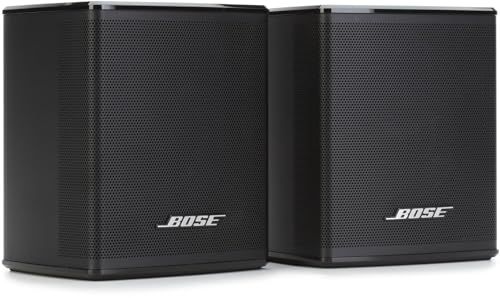
Compare types of the best bose home theater system by size, sound layout, setup, and price, so you can match a system to your room and budget.
A home theater system turns a television into something closer to a cinema, and Bose has sold complete systems for decades, from compact speaker sets to soundbar based packages with a separate bass module and rear speakers. The best bose home theater system for you depends on room size, TV connections and how much wiring you will accept, not on the biggest box in the catalog. The product table below shows current systems, and this guide explains how to choose among them.
A system fails in predictable ways: dialogue you cannot follow, bass that rattles but adds no weight, and a setup that needs three remotes. Keep those problems in mind as you compare layouts.
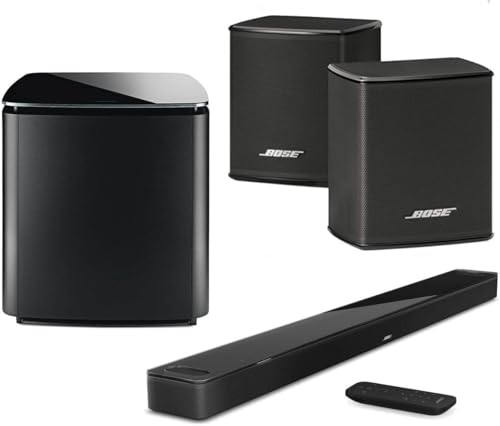
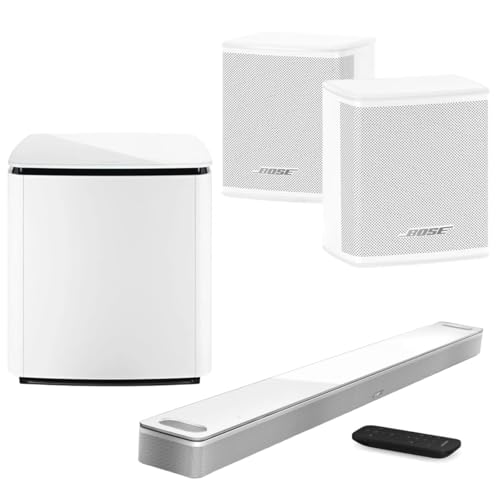


Types of Bose Home Theater Systems
Most systems fall into four layouts. Each has a different balance of sound, space and setup effort.
| Layout | Best For | Strength | Trade Off |
|---|---|---|---|
| Compact surround set | Small rooms, wired setups | Small speakers, true separate channels | Needs cable runs and a control unit |
| Soundbar with bass module | Most living rooms | One bar under the TV, adds weight to effects | Less true surround without rear speakers |
| Soundbar, bass and rear speakers | Dedicated movie spaces | Wide, immersive sound with wireless rears | Higher cost, more power points |
| Premium lifestyle system | Large rooms, design focus | Strong output, simple control | Highest price |
Compact Surround Sets
Compact sets use small cube style speakers and a control or bass unit. They suit apartments and bedrooms where space is tight, and the speakers disappear on shelves or stands. Because each channel is a separate speaker, they can place sound around you more precisely than a single bar, but they need cable routing and a spot for the control unit.
Soundbar and Bass Module Systems
A soundbar with a wireless bass module is the most popular choice, because it is a big step up from television speakers without much setup. One cable from the TV carries sound and control, and the bass module can sit anywhere near an outlet. These systems suit average living rooms and leave room to add rear speakers later if the bar supports them.
Full Soundbar Surround Systems
Adding wireless rear speakers to a bar and bass module creates a full surround layout with minimal wiring. Rear speakers still need power, so plan outlets near your seating. This layout suits movie nights, sports and gaming in a room where you can place speakers behind the sofa.
Premium Lifestyle Systems
Premium systems combine a larger soundbar, a stronger bass unit and extra speakers for big rooms. They add detail and output that small rooms cannot use, so match the system to the space you actually have.
How to Choose the Right System
Work through these checks in order. They narrow the field faster than comparing specifications.
Room Size and Seating Distance
Small rooms under about 150 square feet rarely need more than a compact set or a bar with a bass module. Larger living rooms and open plan spaces benefit from rear speakers and stronger bass. If your sofa sits against a back wall, check that rear speakers can be placed to the sides rather than directly behind you.
TV Connection and Control
Look for an HDMI eARC or ARC connection so one cable carries sound from the TV and lets your TV remote control volume. An optical input is a useful backup for older sets. Confirm that the system supports the surround formats your streaming apps use, since unsupported formats fall back to plain stereo.
Dialogue Clarity and Night Listening
Most of a film is speech, so a dialogue mode or center emphasis setting matters more than headline bass figures. If you watch late at night, look for a night mode that tames sudden loud scenes and bass control that keeps low notes from carrying through shared walls.
Expandability
A system you can grow protects your budget. Check whether you can add a bass module, rear speakers or a second room speaker later, and whether those parts work with the app you already use.
Placement and Cables
Put the soundbar or center speaker at ear height when seated, keep the front edge of the bar near the front of the stand, and avoid placing a bass unit tightly in a corner where it will boom. Use cable ties and cover strips for wired rears, and rerun any room tuning after you move furniture.
Budget Guidance
Compact wired sets and simple bar systems often start around a few hundred dollars. Full soundbar surround packages commonly land between about $1,000 and $2,000, and premium lifestyle systems can cost more than that. Spend first on dialogue clarity and the right layout for your room, and treat extra features as a bonus.
Common Mistakes to Avoid
- Buying a system for a room much larger or smaller than yours.
- Skipping the TV port check and discovering that the system needs an adapter.
- Placing rear speakers where cables cross a walkway.
- Putting the bass unit in a corner, then blaming the system for boomy sound.
- Ignoring return terms, even though placement problems often appear only after a week of use.
Care and Maintenance
Dust grilles with a soft brush, keep vents clear so amplifiers stay cool, and check cables for wear every few months. Keep firmware updated through the app so HDMI control and streaming features stay reliable. Store the remote where it will not collect dust or liquids.
Frequently Asked Questions
Is a Bose home theater system worth it over a soundbar alone?
A full system is worth it when you have a medium or large room and care about movies, sports or gaming. In a small room or apartment, a good bar with a bass module often delivers most of the benefit for less money.
Do I need rear speakers?
Rear speakers add surround effects and make action scenes feel larger, but they are optional. If you cannot place them well, spend the money on a stronger bar or bass module instead and add rears later if the system allows.
Will it work with any TV?
Most systems work with TVs that have HDMI ARC or eARC or an optical output. Check your TV ports before you buy, and confirm which surround formats your streaming apps and TV pass through.
How much space does a full system need?
Plan for the bar under the TV, a bass module on the floor and two rear speakers near your seating. Measure the shelf and the floor space, and make sure outlets are close to each piece.
How long does a home theater system last?
Speakers and bass units often last many years with basic care, while remotes and cables are the parts most likely to need replacement. App support can age sooner than the hardware, so check that a system is still receiving updates.
The Bottom Line
Room size, listening habits and budget decide the layout. Small rooms suit compact sets or a bar with a bass module, average living rooms suit a bar and bass module with room to grow, and large media rooms suit a full surround package. Compare the product table against those checks, and the best bose home theater system for your space will become clear.
For speaker only options, see our guide to best bose speakers for home theater, and for wider layout ideas see our guide to best home theater system speakers.