
Best Ceiling Fan Under 500 Dollars 2026: Buying Guide
Disclosure: We may earn a commission when you buy through links on this page, at no extra cost to you. As an Amazon Associate I earn from qualifying purchases. Learn more

See where a $500 budget adds real value: DC motors, strong light and smart control in the best ceiling fan under 500 dollars.
A ceiling fan should cool the room, light it well, and run quietly for years, yet prices climb fast once you add smart controls and designer finishes. The good news is that the best ceiling fan under 500 already covers the features most homes use daily, from strong airflow to dimmable LED light. This guide compares the main fan types and the specs that matter at this budget, so you can spend on comfort instead of decoration. The product table below sums up the types side by side.
Work through size and mounting first, then brightness, controls, and noise. By the end you will know where a budget near $500 adds real value and where a simpler fan does the same job for less money, so the room feels right from the first evening.


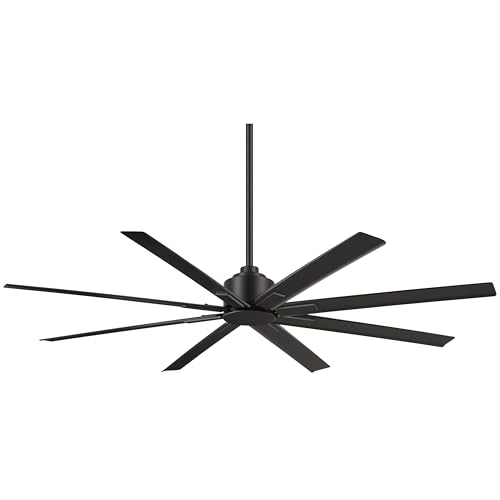


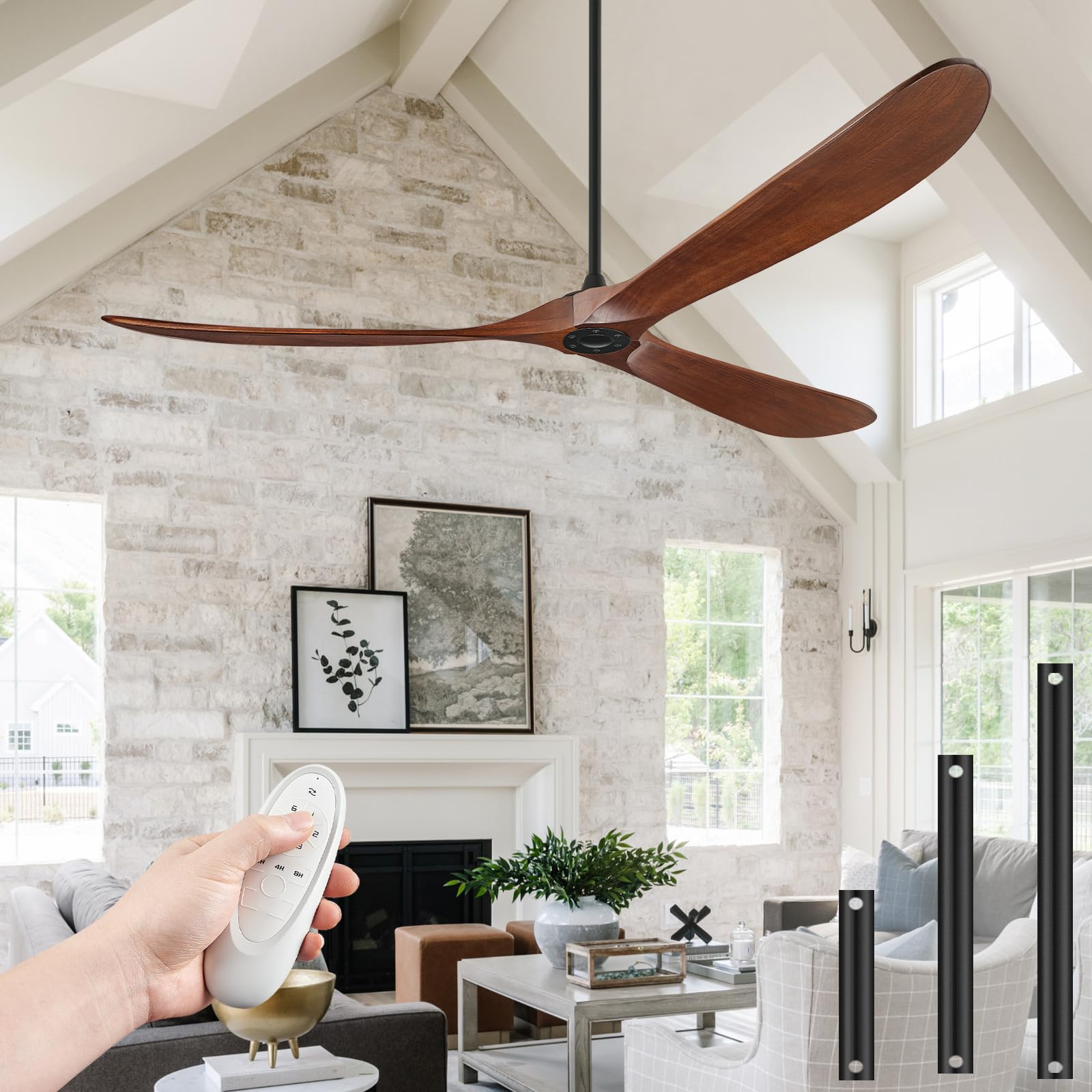

Fan Types at a Glance
Four types cover nearly every home at this budget. The list below shows what each type does best, so you can rule out poor fits before you compare spans, motors, and lights in detail.
- Standard fan with light: the default choice for bedrooms and living rooms that need air and light from one fixture.
- Flush mount fan: sits close to the ceiling and suits rooms with low headroom or tall furniture.
- Smart fan: adds app and voice control for homes that already run lights and speakers by phone.
- Outdoor rated fan: uses sealed parts and moisture resistant blades for covered porches and open patios.
Three Ways to Spend Under $500
The Balanced Choice for Most Rooms
Pick this path if you want one fan that does everything well: a 52 inch span, a quiet DC motor, an integrated LED light, and a remote in the box. It suits a primary bedroom or a medium living room and leaves money for a downrod or a fan rated box if your ceiling needs one. If quiet sleep matters most, compare the room specific advice in our guide to the best ceiling fan for bedroom before you decide.
The Value First Choice
Pick this path if the room is small or the fan will run only in the warm months. A 42 to 44 inch fan with an AC motor and a pull chain or basic remote often costs well under $300 and still moves plenty of air for a guest room, office, or kitchen. You give up smart control and the softest low speeds, but the savings can pay for professional installation, which does more for safety and comfort than a decorative motor housing.
The Feature Rich Choice
Pick this path if you want the fan to serve as the main light and a smart home device as well. Fans near $500 in this group add WiFi control, selectable light color on some models, wider spans, and finishes that match wood or metal accents you already own. The trade off is complexity, since the app, the remote, and the wall switch must all work together, so keep the manual and any pairing codes somewhere safe.
How We Chose the Criteria for This Guide
We built the criteria around specs that change daily comfort at this price: brightness and color temperature, style and finish, installation needs, energy use, and value for money. They come from manufacturer specification sheets and from the questions buyers ask most often, such as how loud a fan runs on low speed and how its light looks at night. Instead, each section below shows you how to read a spec sheet yourself, so any fan you consider can be judged on the same fair basis.
How to Choose the Right Ceiling Fan
Work through the points below in order. Size and mounting come first, because the wrong span or the wrong mount cannot be fixed later by a better remote or a brighter light.
Size and Form Factor
Match blade span to room size before anything else. Fans of 42 to 44 inches suit rooms up to about 144 square feet, a 52 inch fan suits rooms up to about 225 square feet, and fans of 54 to 60 inches suit larger open plans. For a big shared space, our guide to the best ceiling fan for living room goes deeper on layout. Blade shape matters too, since wide paddles push air gently while narrow blades at higher speeds feel more direct.
Type
Pick the type from your ceiling and your room rather than from a photo. Flush mount fans sit close to the ceiling and suit rooms where headroom is tight, while downrod fans hang lower and move air better under tall ceilings. Modern and farmhouse models change the look more than the airflow, and caged or bladeless designs stay niche picks for specific tastes. For a porch or patio, choose a damp or wet rated model from our guide to the best outdoor ceiling fan so moisture cannot reach the motor.
Features Worth Paying For
Spend first on the motor, because it sets noise, speed range, and energy use. A DC motor uses less energy than a similar AC motor, runs more quietly, and usually offers six speeds plus a reverse mode for cooler months. Our explainer on dc vs ac ceiling fan covers the trade offs in full. After the motor, pay for an integrated LED light and a remote you will use daily, since those two touches shape every evening in the room.
Lumens and Color Temperature
Treat the fan light as a real ceiling light, not as decoration. A bedroom feels comfortable with about 800 to 1200 lumens, while a kitchen or a large living room may want about 1600 lumens or more from the fan and other lights combined. Color temperature sets the mood: 2700 to 3000 Kelvin looks warm and calm, 4000 Kelvin looks neutral, and 5000 Kelvin looks crisp and cool. If a listing hides its lumen output, treat that silence as a warning sign and keep looking.
Fixture Size and Placement
Placement decides how the fan feels once it is installed. Center the fan over the main seating or sleeping area, with blades at least 7 feet above the floor and ideally about 8 to 10 feet up for a clear breeze. A flush mount keeps that clearance under an 8 foot ceiling, while taller ceilings need a downrod to bring the fan into the right zone. Keep blades at least 18 inches from any wall and well clear of tall shelves and bunk beds.
Dimmable and Smart Options
Check dimming before you buy, because many integrated LED lights dim only through the included remote or app, not through an older wall dimmer. If you want wall control, confirm that the fan keeps speed and light on separate controls, so one switch cannot cut power to the smart features. Voice control needs a steady WiFi signal at the ceiling, which can be weak in far corner bedrooms. A plain remote stays the most reliable option for guests, kids, and anyone who skips apps.
Installation
Nearly every fan in this budget is hardwired, so plan for a ceiling box rated for fan weight, tidy wiring, and a helper for the heavy lift. Switch power off at the breaker and confirm it is off before you touch any wire. Sloped ceilings need a compatible mount and often a longer downrod, and tall or steep installs are a fair reason to hire an electrician. Our step by step guide on how to install a ceiling fan walks through the whole process.
How Much Should You Spend?
Each step up in price buys something specific. Fans under $100 are basic and best kept for small spare rooms. About $100 to $250 adds nicer finishes, a remote, and calmer motors. About $250 to $400 is where DC motors, strong LED light, and smart control become common.
Near $500 you pay for larger spans, refined style, and smoother running at low speed, not for a different kind of cooling. Pick the lowest tier that covers your room size, your light needs, and the controls you will actually use.
What You Get and Give Up Under $500
A budget cap of $500 still buys a great deal. At this level, the best ceiling fan under 500 will usually include a DC motor, dimmable LED light, a remote, and a span up to 60 inches. Finishes look convincing, blades run true, and smart control is easy to find in this range. What you give up sits at the extremes: very large custom sizes, rare wood or metal finishes, and the near silent running of flagship fans that cost far more.
Remember what a fan cannot do: it cools people with moving air rather than lowering the temperature of the room itself. That limit is also its strength, since gentle air movement costs little to run and makes a warm room feel usable within seconds. For real temperature control you still need open windows on cool nights or air conditioning on the hottest days of summer.
FAQs
What is the best ceiling fan under $500?
It depends on the room, since span, mount, and light needs change the right answer. For most homes it is a 52 inch DC motor fan with dimmable LED light and a remote. Use motor warranty length as the tie breaker between two similar finalists, because the motor is the part you least want to replace and a longer warranty signals maker confidence.
Can you get a good ceiling fan for under $500?
Yes, and most homes never need to spend the full amount. A fan at about $200 to $350 usually covers a quiet motor, useful light, and controls that feel solid. Keep a little money aside for parts the sticker price leaves out, such as a downrod in the right length or a fan rated support box, so the total project cost holds no surprises.
How long does a ceiling fan last?
A well kept fan can run for many years, and the motor usually outlasts the light and the controls. Early signs that service is due include new wobble, clicking, or a hum that was not there before. Tightening hardware and balancing the blades often settles mild wobble, while a motor that slows down or smells hot should be switched off and checked by a professional.
Is a ceiling fan worth it?
For rooms you use daily, yes. Moving air makes skin feel cooler, so you can often raise the thermostat by a few degrees and still feel comfortable while the air conditioner runs less. The value drops in rooms you rarely enter, where a fan spinning in an empty space only adds to the power bill. Run the fan while people are present and switch it off when you leave.
How do you clean a ceiling fan?
Switch the fan off and let the blades stop fully before you start. Slide an old pillowcase over each blade and pull it back slowly, so dust stays inside the fabric instead of falling onto the bed or floor. Wipe the motor housing and light cover with a dry or slightly damp cloth, and never spray cleaner straight onto the fan, since liquid can reach the motor and wiring.
What is the most reliable ceiling fan brand?
No single brand wins for every home, and reliability depends more on the model line than on the badge. Favor makers that publish full specifications, stock spare remotes and light covers years later, and back their fans with clear warranty terms. A fan you can still buy parts for will almost always outlast a stylish fan whose maker has dropped that design.
Final Thoughts
The right fan is the one sized for your room, mounted at the right height, and easy to control every day. Spend on the motor, the light, and a safe install, and let style follow those choices. Chosen that way, the best ceiling fan under 500 will keep its room comfortable for years. Look back at the product table above to compare the types once more, and readers who want a wider search can see our guide to the best ceiling fan across all budgets.


