
Best Cedar for Raised Garden Beds in 2026: Which Cedar Fits How You Garden?
Disclosure: We may earn a commission when you buy through links on this page, at no extra cost to you. As an Amazon Associate I earn from qualifying purchases. Learn more

Which is the best cedar for raised garden beds? Compare species, heartwood, thickness and grade, then plan a cut list and soil depth.
There is no single cedar that suits every yard, because species, thickness and grade change how long a bed holds soil and how much it costs. The best cedar for raised garden beds for you depends on your climate, your crops and the size you plan to build. Use the comparison table below to match those needs before you buy lumber.
Start with how you will garden. A bed for salad greens needs less depth than a bed for carrots, and a wet yard punishes thin boards faster than a dry one. The sections below sort buyers by use, then cover species, size and grade.
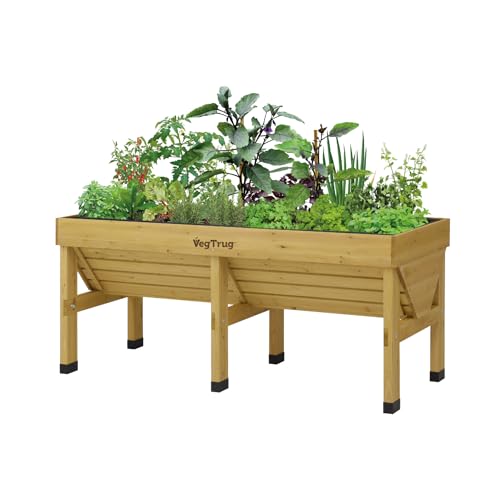
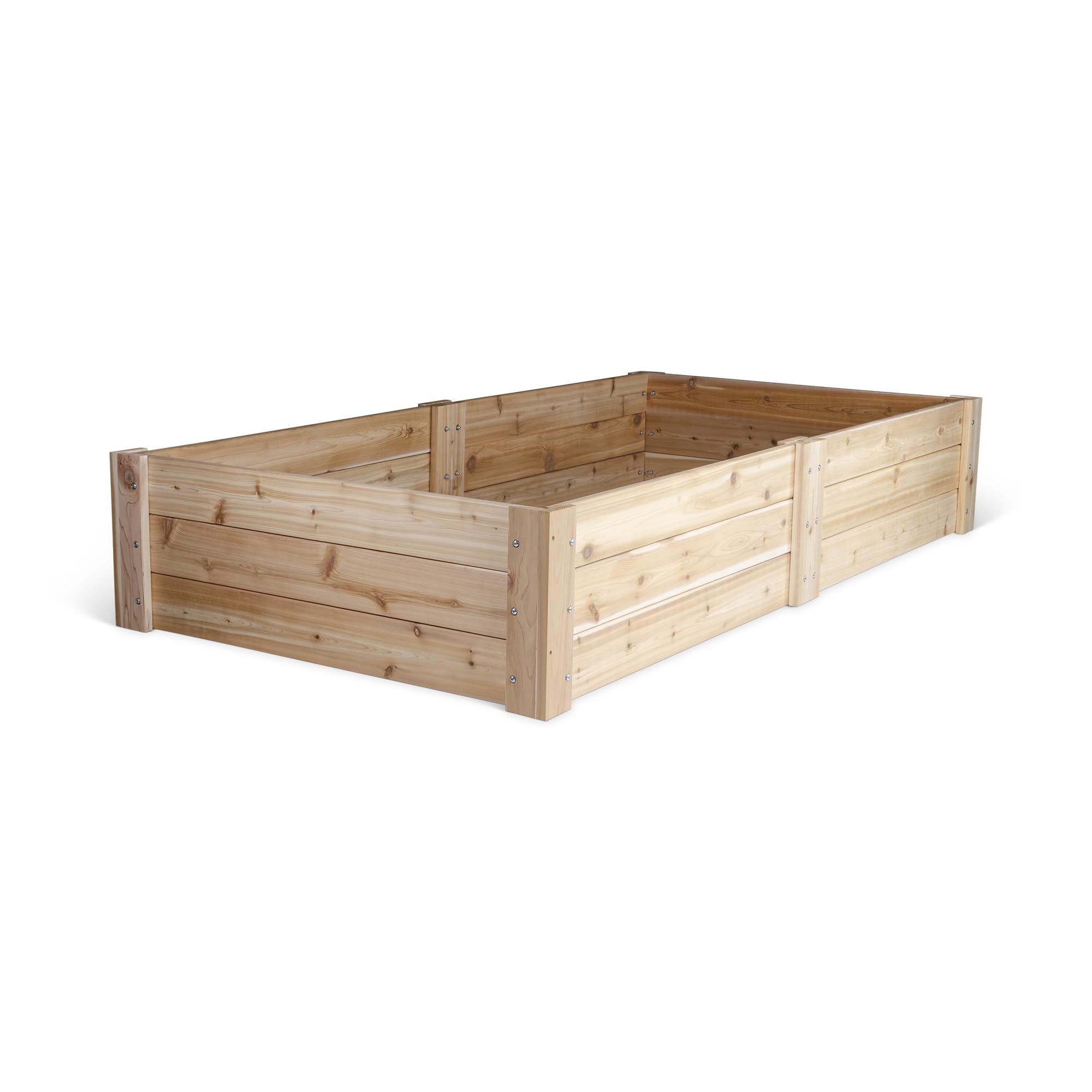


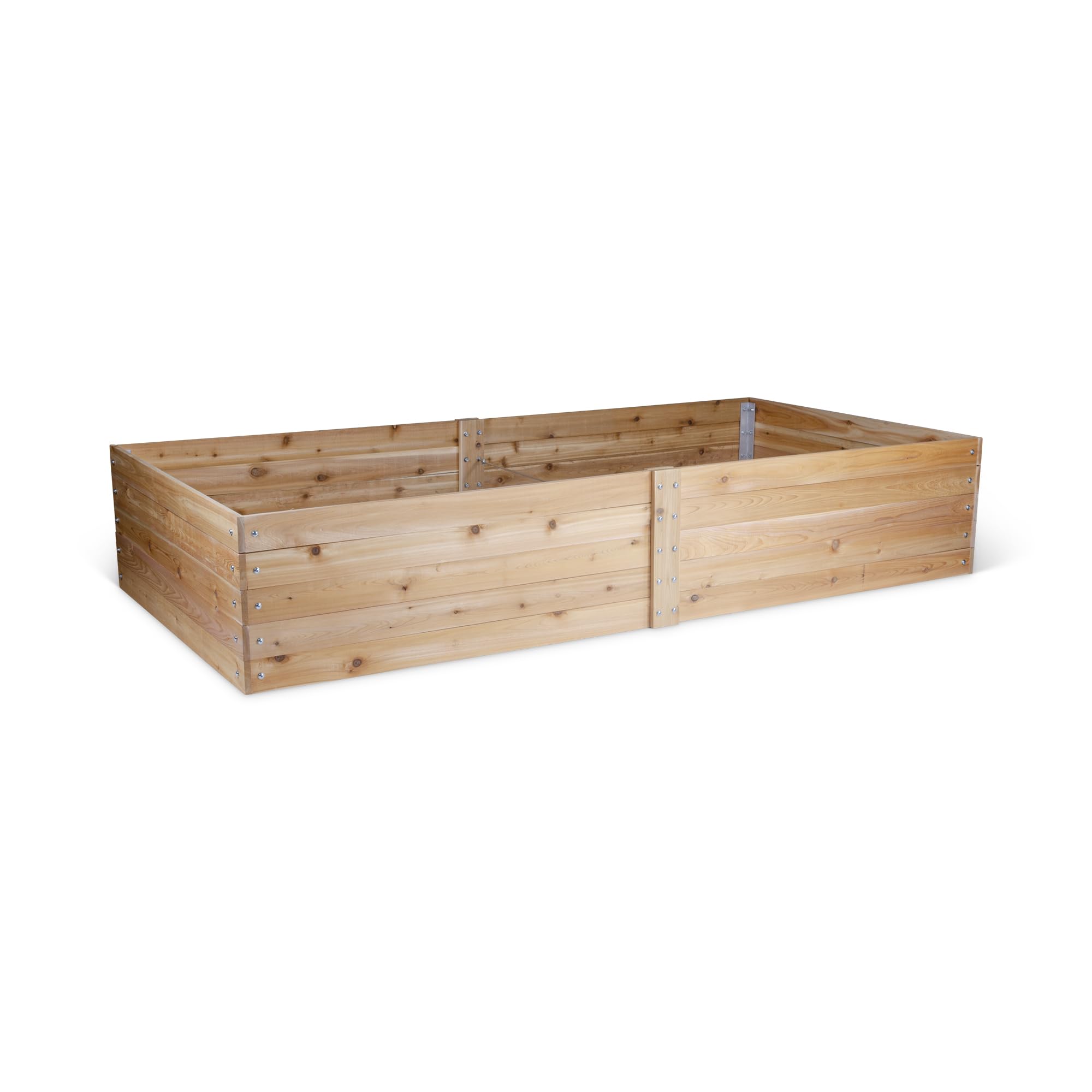


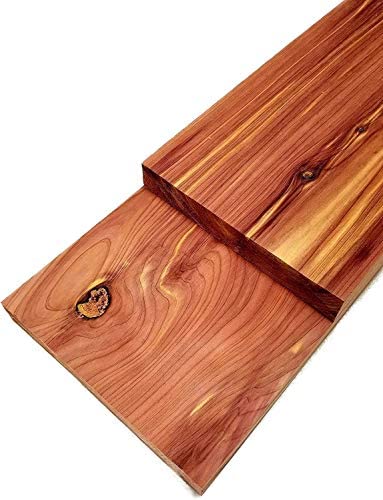
Who Should Buy Which Cedar Boards?
Your crop, climate and plan should decide the cedar, not rack color alone. Find your group below.
Vegetable Growers Who Want Untreated Boards for Edible Crops
You grow food, so your first filter is a clean board with no added preservative. Choose untreated western red cedar or northern white cedar, with no painted or stained finish. Plan your crops first, then read our guide to the best plants for raised garden beds before you set the depth. Shallow rooted greens work in a lower bed, while tomatoes and root crops reward a deeper one.
Gardeners in Wet Climates Who Need Strong Rot Resistance
You garden where rain is frequent and the lower boards rarely dry fully. Prioritize boards cut mostly from heartwood, and choose thicker stock so the wall can lose a little surface wood and still stay sound. Eastern red cedar and western red cedar both suit this use well. Set the bed on gravel rather than bare mud, since standing water at the base shortens the life of any cedar.
First Time Builders Who Want One Small Starter Bed
You want a bed that goes together in a weekend without a large lumber bill. Start with one bed about 4 by 8 feet, built from a common board size your yard stocks in straight pieces. Northern white cedar often costs less in the Northeast and Great Lakes area, while western red cedar is the easy find in the West. Keep the design low and simple for one season, and add more beds later.
Key Features to Compare
Compare species first, then the cut of the board. That order matters, because the best cedar for raised garden beds on paper can still disappoint if you buy thin or pale stock.
Cedar Species and Where Each One Shines
Western red cedar is light, straight grained and rich in compounds that slow decay, and it is widely sold in long boards. Eastern red cedar is a juniper rather than a true cedar. Its dense and aromatic heartwood resists decay very well, but boards run narrower and vary more in color. Northern white cedar is pale and soft, with good decay resistance and a lower price where it grows. To compare cedar with other lumber, see our guide to the best wood for raised garden beds.
Heartwood Content and Natural Decay Resistance
The inner heartwood carries the oils that protect cedar, while the outer sapwood is pale and decays far sooner in damp soil. Favor pieces where rich brown or red heartwood runs through most of the thickness, not only along one edge. A mostly sapwood board may be sold as cedar and still fail years early at the soil line. Reject any board with soft patches or a sour smell.
Board Thickness and Resistance to Bowing
Nominal 1 inch boards measure about 0.75 inch thick, and nominal 2 inch boards measure about 1.5 inches thick. Wet soil pushes outward, so thin boards on a long 8 foot side often bow unless you add a mid span stake. Thicker stock stays straighter, holds screws better and lasts longer at corners. For a short or low bed, 1 inch stock can be enough.
Board Width, Soil Depth and Root Room
Board width sets your soil depth, and depth sets what grows well. One nominal 2 by 6 board gives about 5.5 inches of wall, while a 2 by 12 gives about 11.25 inches. Most vegetables grow well in about 10 to 12 inches of soil, and long carrots want a taller bed. Before you buy, see our guide to the best dimensions for raised garden beds and check that you can reach the center without stepping into the soil.
Grade, Knots and Surface Finish
Clear grades have few knots and cost the most, while knotty grades cost less and perform well if knots are small and tight. Avoid boards with loose knots near an end, deep checks or a visible twist. Rough sawn boards hide scuffs, and surfaced boards feel smoother during planting. If looks lead your project, see our guide to the best looking raised garden beds for design ideas.
Price, Lifespan and Value per Season
Price cedar by the whole bed, not by a single board. Boards for one 4 by 8 foot bed often run about $150 to $350, with thicker and clearer stock at the top of that range. Spread over about 10 to 15 seasons, a thicker bed can cost less per season than a thin bed you rebuild early. Lumber rarely carries a warranty, so inspect each board before you pay.
Planning Board Lengths and Your Cut List
Draw the bed on paper before you shop. Write the length, width, boards per side and height, then add four corner posts inside the corners. Posts give screws solid material to bite into and keep walls square while you fill the bed. Most builders use butt joints, with side boards screwed into those posts.
Buy lengths that minimize cuts. Two 8 foot boards and two 4 foot boards make one level of a standard bed, so a two board high bed needs twice that count. Sight along each board for straightness, use coated deck screws, and drill pilot holes near ends to reduce splitting.
Plan soil volume too, since a deeper bed needs far more fill. A 4 by 8 foot bed about 11 inches deep takes roughly 24 cubic feet of soil mix. To choose that fill, see our guide to the best dirt for raised garden beds. Keep fabric out of the walls, where trapped moisture can sit against the wood.
Common Mistakes to Avoid
Most early failures trace back to these errors.
- Buying mostly sapwood boards gives you pale wood that decays quickly where it touches damp soil.
- Choosing 1 inch boards for a long and tall bed lets soil pressure bow the walls outward within a few seasons.
- Skipping corner posts leaves butt joints weak, so corners pull apart as the soil swells and dries.
- Setting the bed in a low spot that holds standing water keeps the base boards wet and shortens their life.
- Using reclaimed wood of unknown origin near food crops risks old paint or treatments you cannot identify.
- Ordering boards before you fix the bed size leads to extra cuts, waste and mismatched heights.
Care and Maintenance for Cedar Raised Beds
Cedar asks for little care. Once a year, brush soil and debris off the outside walls and check corners for gaps or loose screws. Tighten hardware gently, since overtight threads can crush soft fibers and lose their grip. Clear leaves from the base so bottom boards get air after rain.
Expect the color to fade from warm brown to silver gray over one to three seasons. This change is cosmetic only. If you prefer the original tone, coat the outside faces with a plant friendly oil finish, and leave inside faces bare where they touch soil. Top up soil each spring, and replace a single soft board rather than rebuilding the bed.
Cedar for Raised Garden Beds: Your Questions Answered
Which cedar species lasts longest in a raised garden bed?
Eastern red cedar heartwood usually lasts longest, thanks to its dense and oil rich core. In practice, thickness and drainage often matter more than the species ranking, so a thick western red cedar board in a drained spot can outlast a thin eastern board in mud. Choose the most heartwood rich option your yard stocks in your size.
Are cedar raised garden beds safe for growing vegetables?
Yes, untreated cedar raised garden beds are widely used for growing vegetables and herbs. The caution point is added material, not the wood itself. Skip boards with unknown stains, and never use old railroad ties or painted demolition lumber for a food bed, since past treatments on that wood cannot be verified. Buy new and plainly labeled untreated boards.
Should you seal cedar boards before building a raised garden bed?
You do not need to seal cedar boards before building a raised garden bed. Sealing the outer faces can slow color fade, but coatings add cost and upkeep without adding much life at the soil line. Leave a new bed bare for its first season, then decide about the outside faces once you see the color change.
How long do cedar raised garden beds last before a board needs replacing?
Cedar raised garden beds often last about 10 to 20 years before a board needs replacing. Beds in dry yards sit near the top of that range, while thin boards in constant shade and wet soil sit near the bottom. The lowest board usually goes first, so inspect it each spring and plan a swap before it crumbles.
How much soil does a cedar raised garden bed hold?
A cedar raised garden bed that measures 4 by 8 feet and about 11 inches deep holds roughly 24 cubic feet of soil mix. Soil is often sold in bags of 1 to 2 cubic feet, so that bed can take 12 to 24 bags. Mixing in compost you already have can cut both the bag count and the cost.
The Bottom Line
Match the species to your region, buy boards that are mostly heartwood, and choose a thickness that keeps long walls straight. Those three choices decide most of your result, and the product table above can help you compare final options.
Chosen with those points in mind, the best cedar for raised garden beds gives you a clean and durable frame for years of planting. Start with one bed built well, and let a good first season guide the rest.


