
Best Cast Iron Fire Pit: Thickness, Size and Safe Placement (2026)
Disclosure: We may earn a commission when you buy through links on this page, at no extra cost to you. As an Amazon Associate I earn from qualifying purchases. Learn more

The best cast iron fire pit guide: bowl thickness, size, finish and safe placement.
Cast iron holds heat long after flames fade, and that steady warmth is why many buyers choose it over thinner steel. The challenge is that bowls vary a lot in thickness, diameter, leg design, and finish, so two pits that look alike in photos can perform very differently in your yard. This guide to the best cast iron fire pit options explains the types, sizes, and features that matter most, and the product table below lists current options.
Use this article to match a pit to your space, your fuel, and how you plan to cook, gather, or simply stay warm outside. If you want a broader view first, see our guide to the best fire pit styles before you narrow your choice to cast iron.
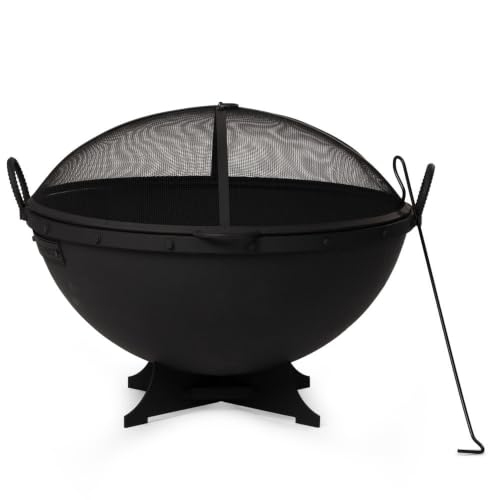
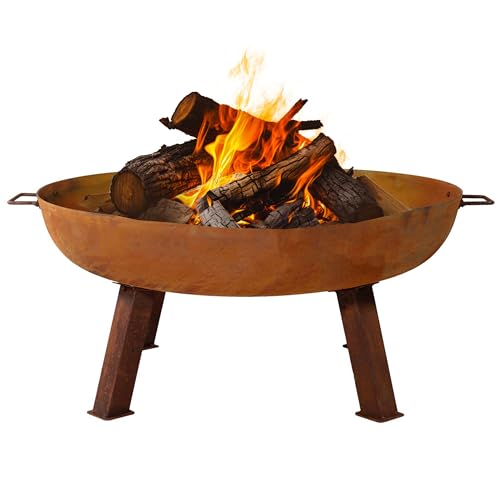

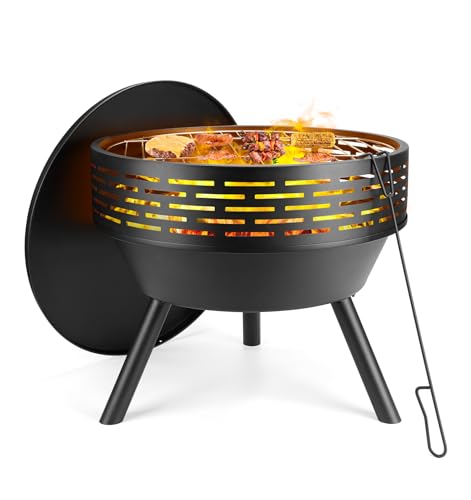
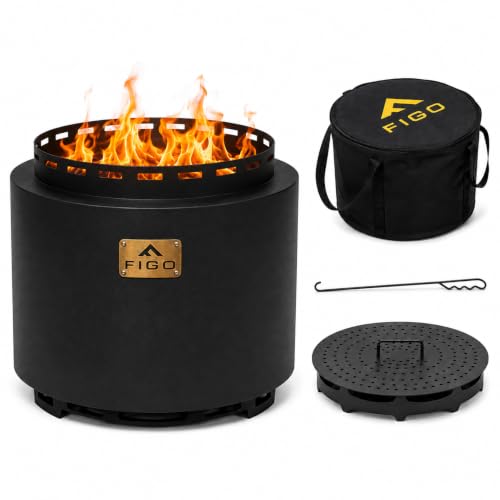

Types of Cast Iron Fire Pits Compared
Most cast iron pits fall into a few clear forms, and the form shapes heat, portability, and care more than decoration does. Choosing a form first keeps you from paying for size or features you will not use.
Bowl Pits on Legs
The classic bowl sits on three or four legs and burns logs in the open. Air reaches the fire from above and from the sides, so lighting is simple and flames stay visible from every seat. Bowls suit casual gatherings and occasional cooking on a grate placed over the top. Their open design gives little smoke control, and wind can push embers, so placement and a spark screen matter.
Deep Cauldron Style Pits
A deeper cauldron holds more wood and shields flames from wind, which helps on exposed patios and in cooler weather. The taller walls contain ash and give a more settled fire that needs less tending once it is going. That depth adds weight, and cleaning takes more effort. Choose this form if you burn often and have a fixed spot where the pit can stay.
Fire Pit Tables and Tabletop Models
Some cast iron designs sit inside a table frame, with the bowl at the center and a rim where you can set drinks. Others are small tabletop bowls made for a single log or a small fire on a patio table. Table forms save floor space and suit smaller groups, but heat output is lower. Check that the bowl lifts out for ash removal.
Key Features to Compare
Iron Thickness and Bowl Construction
Thickness is the single best clue to how a pit will age. Thin cast iron can crack under repeated heating and cooling, while a thicker bowl spreads heat evenly and resists warping over many seasons. Look for a bowl cast as one piece where possible, with no sharp thin edges at the rim. Weight tells part of the story, since a very light large bowl is usually a thin one.
Size and Capacity
Diameter decides how many logs fit and how much heat reaches your seating. Small bowls of about 19 to 24 inches suit two to four people and short logs. Bowls of about 30 inches or more heat a larger circle and accept standard length firewood without cutting. Depth matters too, since a shallow wide bowl burns fast and throws more sparks. Match capacity to your group and your wood supply.
Weather Resistance and Finish
Cast iron rusts when it sits wet, so the finish is a working feature, not just a color choice. Many bowls carry a black high heat paint or an enamel coat that slows rust and makes ash easier to brush off. No finish makes iron waterproof, and paint will fade and need renewal after heavy use. Look for a small drain hole or plan to use a cover and tip the bowl after rain.
Airflow and Spark Control
How air enters the bowl changes how cleanly wood burns. Raised bowls with vents low on the side feed oxygen to the base of the fire, which helps logs catch and reduces smoldering. A fitted spark screen is worth having if your yard has dry leaves, nearby fences, or children moving around the fire. If you compare fuel types, our guide to the best wood burning fire pit covers log burning basics in more depth.
Legs, Stability, and Assembly
A heavy bowl needs legs that will not wobble on uneven ground. Wide set legs or a ring base give the steadiest footing, and bolted joints should sit flush with no rocking when you press the rim. Most pits need only basic assembly, often just attaching legs and handles. Follow the steps in our guide on how to assemble a fire pit and tighten each bolt evenly.
Features Worth Paying For
A cooking grate turns a warming fire into a simple grill for corn, peppers, or a pan placed on top, and a grate with handles is easier to lift when hot. A fitted cover protects the finish between uses and keeps rain out of the bowl. A poker and a spark screen are useful daily tools, while glass rocks and decorative rims add looks only. Spend first on bowl thickness, a screen, and a cover, and skip extras that do not change heat, safety, or care.
How to Choose the Right Size for Your Space
Start with clearance. Place a wood burning pit on stone, gravel, or bare earth, well away from fences, sheds, overhanging branches, and house siding, and check local rules before your first fire. Leave open room around the pit so people can move chairs back as the fire grows. Never set a hot bowl directly on a wood deck, and use a heat safe pad rated for fire pits if a deck is your only option.
Then match the pit to the seating you actually use. For a small patio, a compact bowl keeps heat close without crowding the space, a point covered further in our guide to the best fire pit for backyard layouts. For a large lawn, a wider bowl and a clear ring of chairs make better use of the heat.
How Much Should You Spend?
Simple small bowls often cost under $100, and they suit occasional fires if you accept thinner iron and fewer extras. Many solid mid size bowls fall around $100 to $250, which is where thicker casting, a spark screen, and a cooking grate often appear together. Larger designs can run about $250 to $500, with the extra money going to size, weight, and finish. Set your budget by bowl quality first and looks second when you shop for the best cast iron fire pit.
Cast Iron vs Other Fire Pit Materials: Pros and Cons
Cast iron holds heat longer than thin steel, so the bowl keeps radiating warmth after flames die down, and it feels solid and stable in wind. The trade offs are weight and rust care. A large bowl can be too heavy for one person to carry, and it needs a cover to stay sound.
Steel pits are lighter and often cost less, but thin steel can warp and rust through sooner. Stone and brick pits stay in place and shrug off weather, yet they cannot move and cost more to build. If you dislike smoke, wood handling, and ash, fuel based options work differently, and our guide to the best propane fire pit explains that route. Cast iron makes the most sense when you want a real wood fire, strong radiant heat, and a bowl that can last for years with basic care.
Care and Off Season Storage
Let ash cool fully, then scoop it out and brush the bowl with a stiff brush. Old ash holds moisture against the iron and speeds rust, so do not leave a full bowl sitting for weeks. Wipe the inside dry, and touch up bare spots with high heat paint made for grills and stoves once the surface is clean. Our step by step guide on how to clean a fire pit walks through tools and timing in detail.
For winter, clean the bowl, let it dry in the sun, and store it under a fitted cover in a shed or garage if you can. If it must stay outside, raise it slightly so water does not pool under the legs, and tip it after storms so rain does not sit inside. Oil is not needed on a painted bowl, but a bare seasoned bowl can take a very light coat of cooking oil to slow rust, much like a cast iron pan. Check legs and bolts each spring and tighten anything loose before the first fire.
Common Mistakes to Avoid
- Buying by looks alone, which can leave you with a thin bowl that cracks after a season of hard fires.
- Choosing a bowl too large for your wood, so logs stick out past the rim and drop embers outside the pit.
- Setting the pit on grass, a wood deck, or under branches, where heat and sparks can start a fire you did not plan.
- Leaving ash and rainwater in the bowl, which rusts the iron from the inside and weakens the base.
- Burning trash, painted wood, or softwood full of sap, which coats the bowl, smells bad, and throws extra sparks.
- Moving the pit while it is still warm, since cast iron holds heat long after the flames look out.
FAQ
Are cast iron fire pits worth it?
Yes, if you value heat that lingers and a bowl that can serve for many seasons. Cast iron costs more than thin steel and weighs more, so the value shows up over years of regular fires rather than in the first month. If you only light two or three fires a year, a simpler steel bowl may serve you just as well for less money and far less lifting.
How long does a cast iron fire pit last?
A thick bowl that is cleaned, covered, and stored dry can last well beyond a decade of regular use. Life shortens fast when ash and water sit in the bowl, because rust works from the inside where you cannot see it. Surface rust alone is not the end, since you can brush it off and recoat the spot. Deep pitting or a crack through the bowl wall is the point where replacement makes more sense than repair.
Can you cook on a cast iron fire pit?
Yes, with a grate set over the bowl or a heavy pan placed on the coals. Wait until flames settle into steady coals, since open flames scorch food and coat pans with soot. Keep raw and cooked food apart, use long tools, and let the grate cool before you brush it clean.
Can a cast iron fire pit stay outside all year?
It can, but it will age faster than one stored under shelter. A fitted cover, a raised base, and prompt emptying after rain will limit rust through wet months. Paint will fade and small rust spots will appear, and you should treat those spots each spring. If hard winters with standing snow are normal where you live, moving the bowl into a garage or shed for the coldest months is the safer habit.
What size cast iron fire pit do you need for six people?
A bowl of about 30 inches or wider usually heats six chairs set in a loose circle, as long as the fire itself is built to a good size. Seat distance matters as much as diameter, since guests can pull chairs closer on calm nights. For six people who gather often, a deeper wide bowl also means fewer trips for logs.
Final Thoughts
Choose thickness first, size second, and extras last, and a cast iron bowl will reward you with steady heat and years of use. The product table above lists current options so you can compare diameter, form, and features. Whichever best cast iron fire pit style fits your yard, place it safely, keep ash and water out of the bowl, and it will be ready whenever the evening turns cool.


