
Best Cedar Raised Garden Beds: Buying Guide for 2026
Disclosure: We may earn a commission when you buy through links on this page, at no extra cost to you. As an Amazon Associate I earn from qualifying purchases. Learn more

Choose the best cedar raised garden beds by size, board thickness, depth and drainage, with tips for building, filling and caring for them.
Choosing the best cedar raised garden beds starts with your yard, not with a catalog. A bed that fits a sunny patio may fail in a shady corner, and a deep bed for root vegetables may be wasted on shallow herbs. The comparison table below sets out the main bed types side by side, so you can compare size, depth and price before you commit.
This guide explains cedar quality, bed depth, drainage, soil volume and assembly in plain terms. It then matches each choice to a real garden situation, from a first herb bed to a full vegetable plot. By the end, you should know which bed size and style fits your space, your plants and your budget.
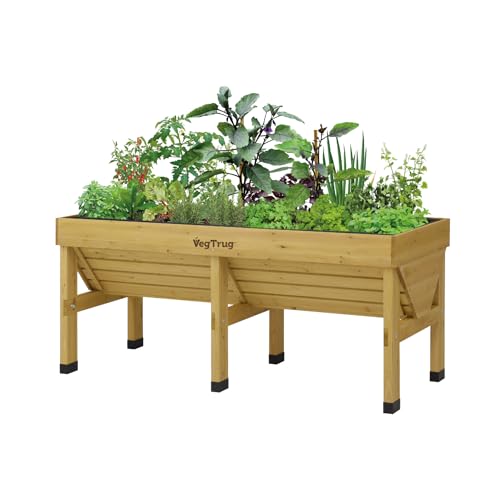
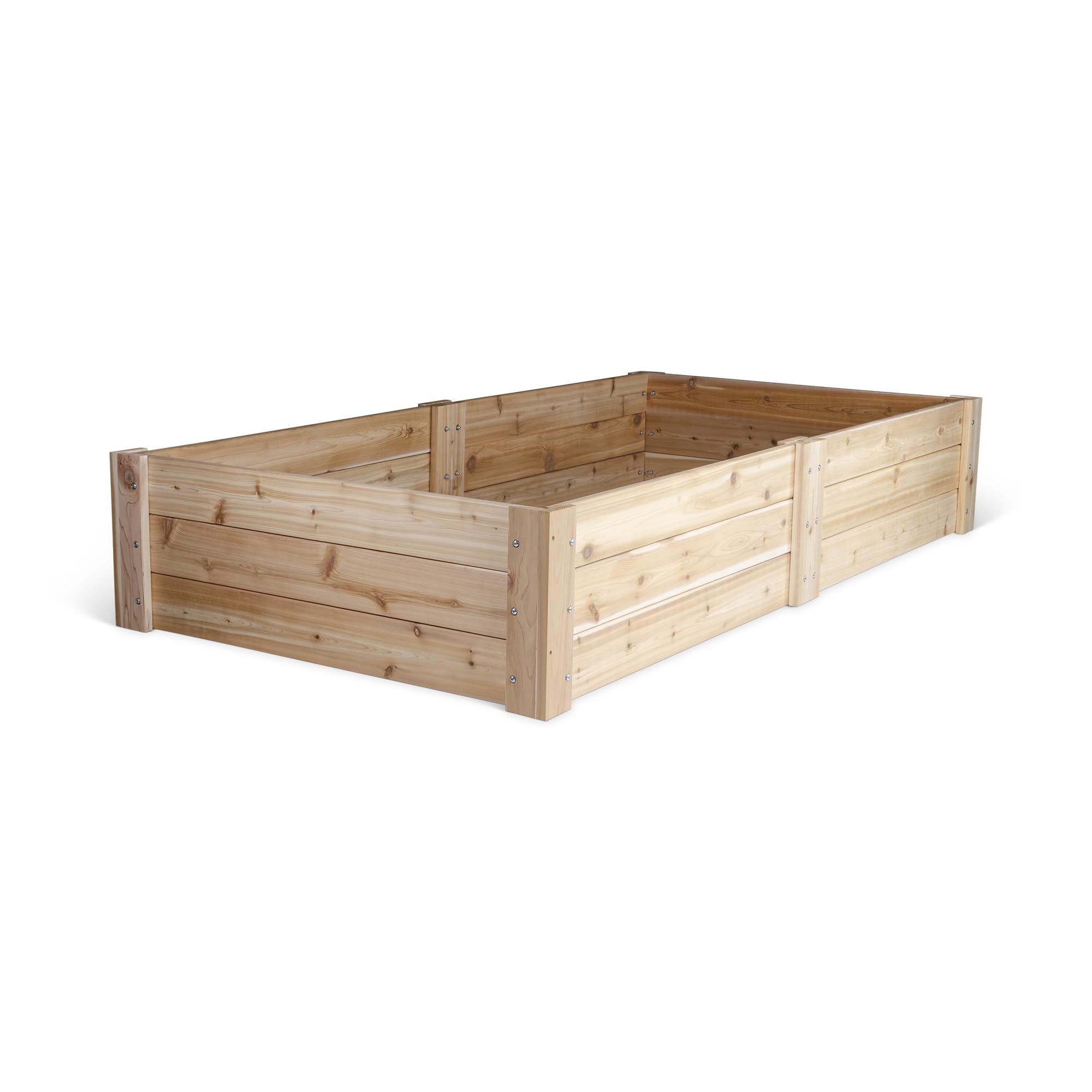


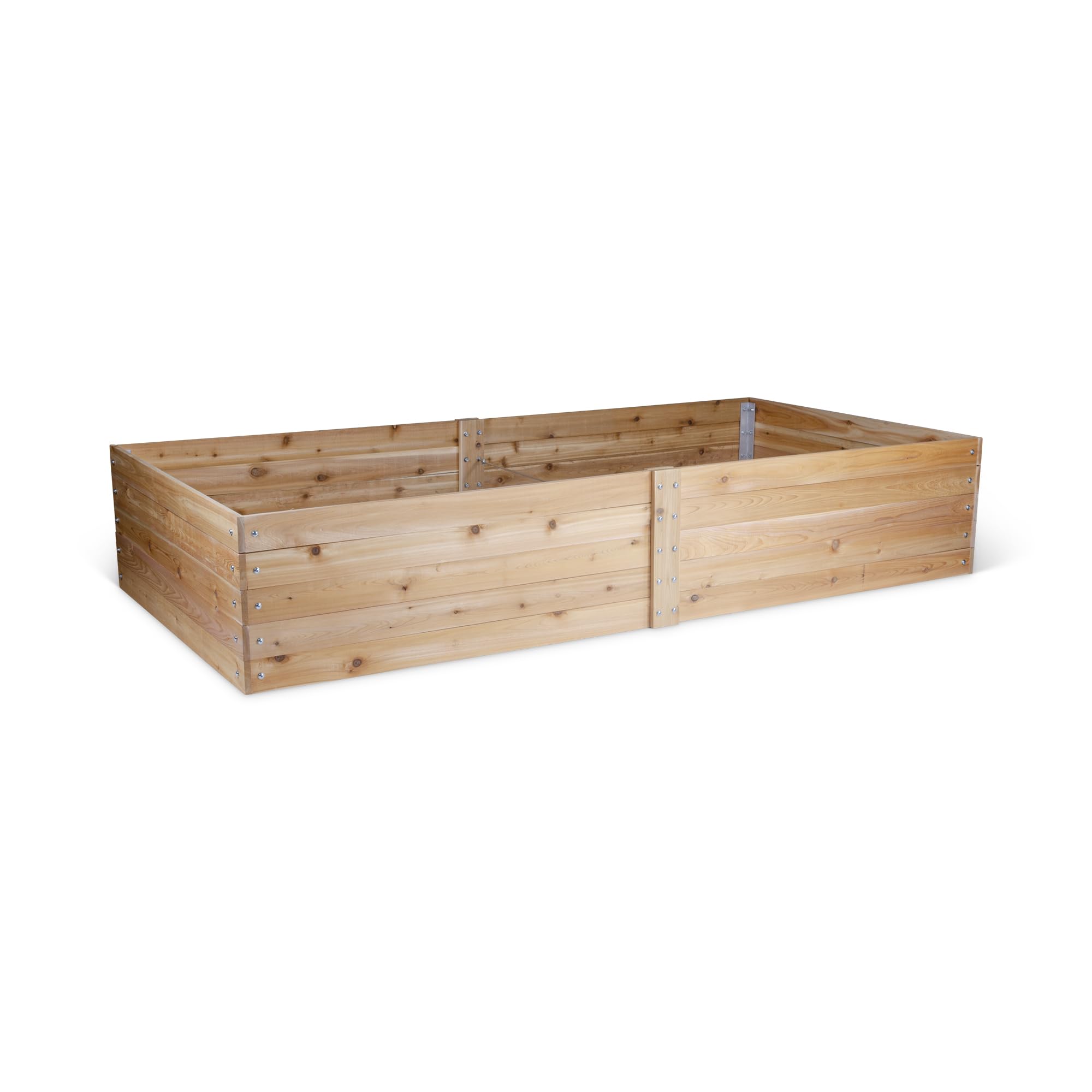


Spending Levels at a Glance
Spending levels describe what you get at each price point, not a ranking of individual beds. Use them to set a realistic budget before you compare sizes and features. The right level depends on how long you want the bed to last, how much assembly you accept, and how large a garden you plan to grow.
Budget Level
Budget beds usually use thinner cedar boards and simpler corner joints. They suit a first garden, a trial plot or a bed that may move in a year or two. Expect basic hardware and a shorter service life than thicker beds, and plan to check joints and boards each season. For herbs and shallow greens, a budget bed can work well, provided the soil depth matches the plants you grow.
Mid Range Level
Mid range beds usually use thicker boards, stronger corners and better hardware. They suit most home vegetable gardens, because they balance cost, durability and appearance. Assembly is often easier, since parts fit more precisely and instructions cover common layouts. For a bed you expect to keep for several seasons, this level usually gives the best balance of price and service life.
Premium Level
Premium beds usually use the thickest boards, the strongest joints and the most careful finishing. They suit a permanent garden feature, a large plot or a bed that must look good year round. You pay more for longer service life, steadier walls under heavy wet soil, and details like capped edges and reinforced corners. For a long term garden, the extra cost can be worth it if the bed will stay in place for many years.
How to Choose the Best Cedar Raised Garden Beds: Buying Guide
The factors below shape how a bed performs, how long it lasts and how pleasant it is to garden in. Read them in order, and note which ones matter for your own yard. A factor that matters greatly for a large vegetable plot may matter little for a small herb bed.
Intended Use and Who It Is For
Start by naming what you will grow, because plant choice sets bed depth, bed size and sun needs. Herbs and salad greens need shallow soil and a small footprint, while tomatoes, carrots and squash need deeper soil and more room. A first time gardener should start with one manageable bed rather than several large ones. For planting ideas matched to bed size, see our guide to the best plants for raised garden beds.
Maintenance and Long Term Costs
Long term costs include soil, mulch, replacement boards and time spent on upkeep. Cedar resists rot better than many woods, but it still weathers, so plan to inspect boards and joints each spring. Soil settles after the first season, so budget for topping up the bed before replanting. A bed with easy access on all sides saves time on weeding, watering and harvesting, and that time saving matters over several seasons.
Safety and Certifications
Safety starts with the wood itself, so favor natural cedar over lumber treated with chemicals you cannot identify. Untreated cedar is a common choice for food gardens, because it avoids adding unknown treatments to the soil. Check the maker description for the wood source and any finish used, and avoid beds with a strong chemical smell. Follow local rules for garden structures, and keep beds clear of buried utility lines when you dig or level the site.
Ease of Use and Setup
Setup should match your tools, your time and your site. Some beds arrive as flat packed kits with pre drilled parts, while others need cutting, drilling and leveling on site. Measure the site first, and allow room to walk around the bed and to reach the center without stepping on the soil. Level ground matters, because an unlevel bed drains unevenly and puts stress on the low corner joints.
Build Quality and Materials
Build quality shows in board thickness, joint design and hardware. Thicker boards resist bowing under wet soil, and strong corner joints hold the bed square through freeze and thaw cycles. Look for smooth, sanded edges and hardware that resists rust, since rough edges snag gloves and rusted screws weaken joints. For a closer look at timber choices, see our guide to the best wood for raised garden beds, which compares cedar with other common options.
Price vs Value
Value means matching price to service life, not buying the cheapest bed you can find. A budget bed may cost about $50 to $120, a mid range bed about $120 to $300, and a premium bed about $300 to $600 or more, depending on size. Larger beds cost more in both wood and soil, so compare the total cost, not the bed price alone. A bed that lasts twice as long can cost less per season than a cheap bed replaced every few years.
Size, Weight, and Fit for Your Space
Size should fit both your yard and your reach. A bed about 4 feet wide lets most gardeners reach the center from either side without stepping inside. Length can vary freely, but very long beds need mid supports to keep the walls straight under wet soil.
Height matters too, since a taller bed eases bending but needs far more soil to fill. Measure gates, paths and sun patterns before ordering, so the bed arrives where it can actually be used.
Types of Cedar Raised Garden Beds
The types below differ mainly in price, board thickness and intended life. Use them to narrow the field, then compare individual beds within one type. The product table above shows the same types in a compact form for quick comparison.
Premium Options
Premium beds use thick boards, strong joints and careful finishing. They suit permanent gardens, visible front yard beds and large vegetable plots. They cost more up front, but they usually last longer and need fewer repairs. Choose this type when the bed will stay in place for many years and appearance matters.
Mid Range Options
Mid range beds balance cost, durability and ease of assembly. They suit most home gardens, from a first vegetable bed to a set of matching beds along a fence. They use boards thick enough to resist bowing, with hardware that survives several seasons outdoors. Choose this type when you want a reliable bed without paying for premium finishing.
Compact Options
Compact beds suit patios, balconies and small yards where space is tight. They use less soil, warm up faster in spring, and let you garden without a large plot. Their small size limits root crops, so they suit herbs, greens and flowers best. Choose this type when space, not yield, is the main constraint on your garden.
Budget Options
Budget beds use thinner boards and simpler joints to keep the price down. They suit trial gardens, short term plots and beds that may move within a year or two. They need more frequent checks for bowing and loose joints, especially after heavy rain. Choose this type when you want to test raised bed gardening before investing in a permanent setup.
Best Cedar Raised Garden Beds for Specific Needs
Best Untreated Cedar Raised Garden Beds
Untreated cedar beds suit food gardeners who want to avoid added chemical treatments in the soil. Look for boards described as natural or untreated, with no stain, sealant or preservative named in the maker description. Untreated boards weather to gray over time, which is normal and does not mean the bed has failed. Choose thicker untreated boards when you can, since they last longer without a protective finish, and inspect the joints each season for early signs of wear.
Care and Maintenance Tips
- Read the maker manual before first use, so you know the assembly order, the hardware and any care limits for the bed.
- Clean and inspect the bed regularly, clearing debris from the corners and checking for loose screws, cracks and bowing walls.
- Store spare boards and hardware in a dry place, so a quick repair does not wait for a new order in the middle of the season.
- Top up soil each spring, because soil settles and compacts, and a low bed dries out faster and gives roots less room.
- Mulch the surface after planting, since mulch slows evaporation, suppresses weeds and keeps soil temperature steadier.
Soil choice matters as much as bed choice, so see our guide to the best dirt for raised garden beds before you fill a new bed. Good soil, matched to your plants, will do more for your harvest than any single bed feature.
FAQs
What features matter most when buying cedar raised garden beds?
Board thickness, joint strength, bed depth and drainage matter most, because they decide how long the bed lasts and how well plants grow. Thick boards resist bowing under wet soil, strong joints hold the bed square, and adequate depth gives roots room to spread. Drainage matters too, since waterlogged soil harms most vegetables. Compare these four features first, and treat cosmetic details like color and trim as secondary.
How much should I spend on a cedar raised garden bed?
Most home gardeners spend about $120 to $300 for a mid range bed, plus the cost of soil and mulch to fill it. Budget beds cost less but may need earlier replacement, while premium beds cost more and usually last longer. Remember that soil can cost as much as a small bed, especially for deep or large beds. Set your budget for the bed plus the fill, not for the bed alone, to avoid a surprise at planting time.
How do I maintain a cedar raised garden bed?
Inspect the bed each spring, tighten loose hardware, and replace any board that has cracked or bowed badly. Top up the soil before planting, mulch the surface, and keep the bed clear of debris that traps moisture against the wood. Avoid stepping inside the bed, since compaction harms soil structure and root growth. With this routine, a well built cedar bed can serve for many seasons before major repairs are needed.
How long does a cedar raised garden bed last?
A cedar bed often lasts about 8 to 15 years, depending on board thickness, soil moisture and climate. Thicker boards, good drainage and regular inspection extend service life, while constant wet soil and thin boards shorten it. Boards in contact with wet soil age fastest, so the lowest boards usually fail first. When only one board fails, replacing that board can extend the life of the whole bed by several years.
Are expensive cedar raised garden beds worth it?
Expensive beds are worth it when you want a permanent garden feature, a large bed or a bed that must look good for many years. Thicker boards, stronger joints and better finishing all add service life and reduce repair work. For a trial bed or a short term garden, a cheaper bed makes more sense, since you may move or resize the garden soon. Match the price to how long you expect to keep the bed, and judge value over its full life, not just its first season.
The Bottom Line
The best choice comes down to three decisions: bed size and depth for your plants, board thickness and joint quality for durability, and a total budget that includes soil. Get those three right, and the bed will serve your garden well for many seasons. Check the site, the sun and the soil volume before you order, and use the product table above to compare the main types side by side. A best cedar raised garden beds choice made this way should fit your yard, your plants and your budget.


