
Best Cascading Plants for Window Boxes in 2026: A Clear Beginner Guide
Disclosure: We may earn a commission when you buy through links on this page, at no extra cost to you. As an Amazon Associate I earn from qualifying purchases. Learn more

The best cascading plants for window boxes match your light and trail far enough to cover the front; here are the basics for a first box.
A window box looks its best when plants spill softly over the edge, softening the line of the box and the wall below it. If you are buying for the first time, the choice can feel large, because sun, box size, soil, and watering habits all change which plants will thrive.
This simple guide explains the best cascading plants for window boxes in plain terms, from basic words to setup steps you can follow on day one. Check the product table for live plants and cuttings to start with as you read.

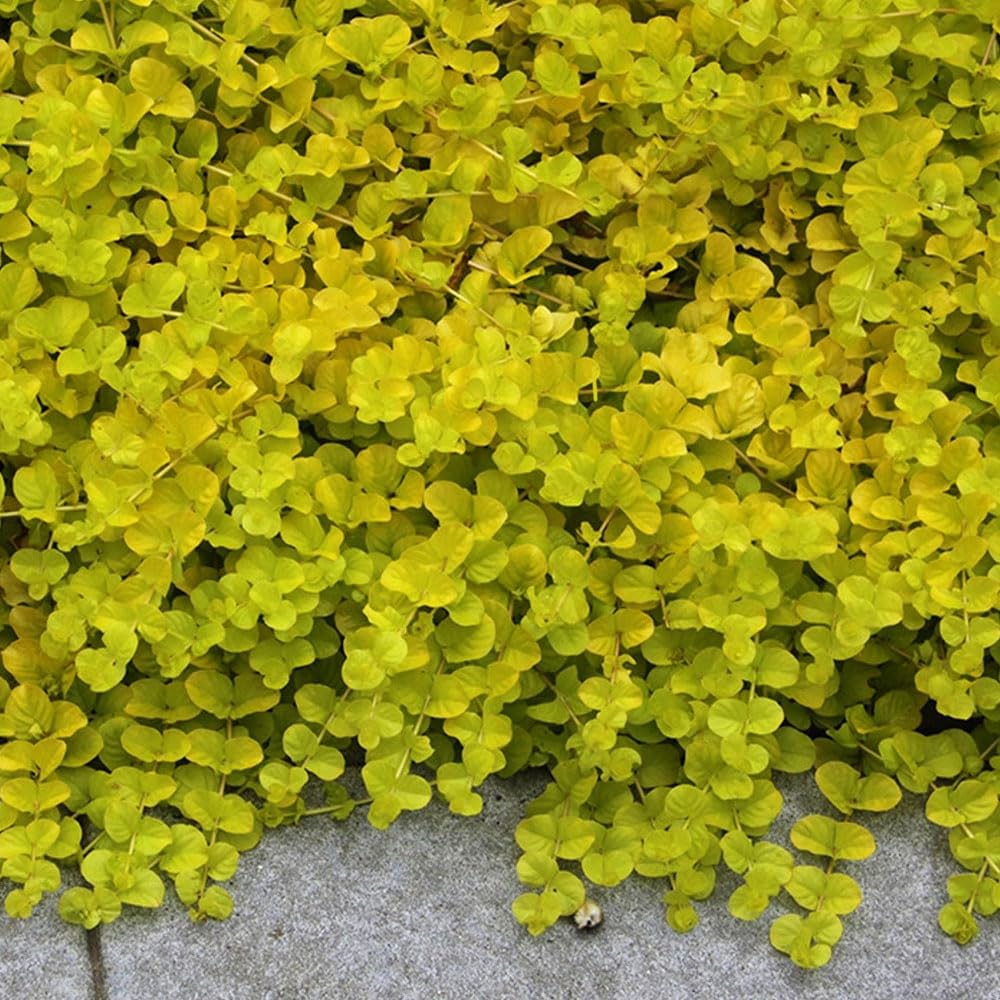

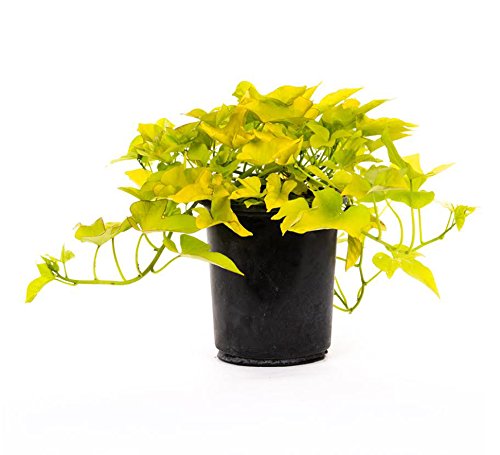
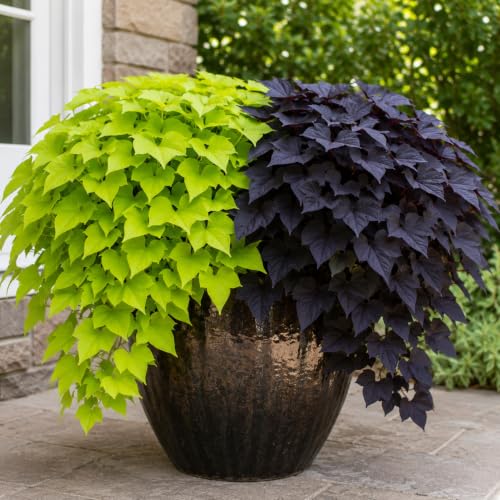
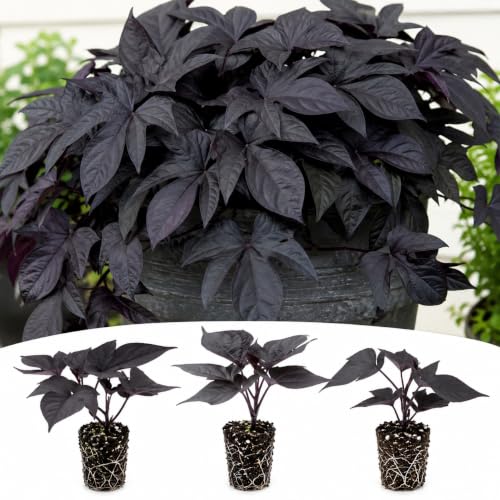
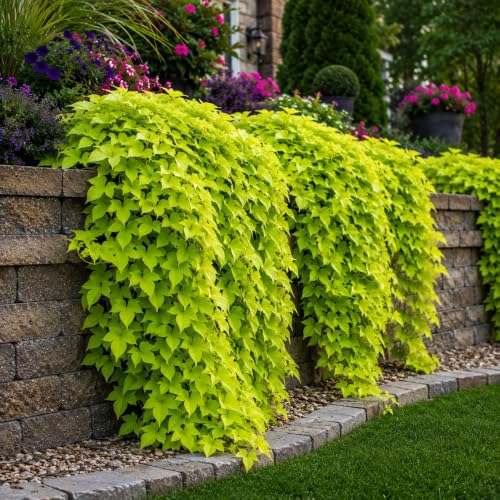

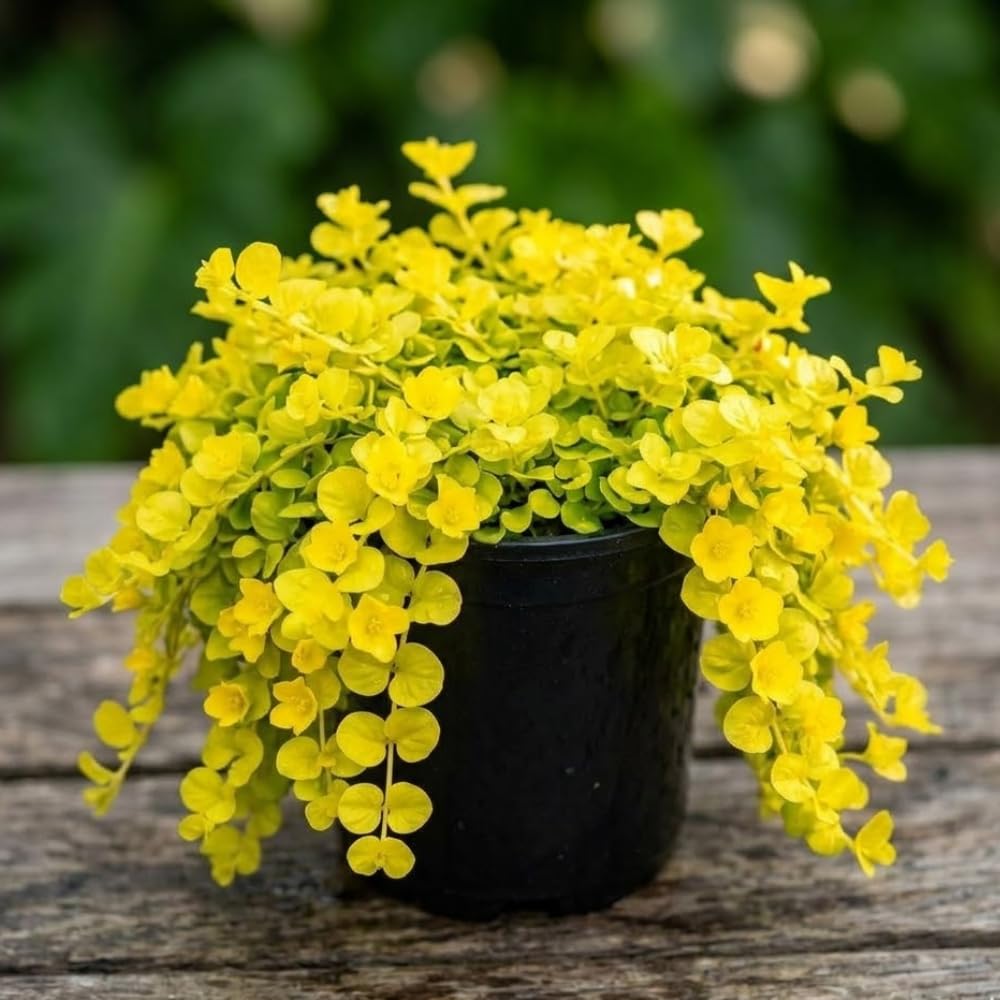
Cascading Plants 101: The Basics
Cascading plants grow outward and then trail downward instead of standing upright. In a window box, they cover the front edge, hide the container rim, and make a small planting look full. Common trailing habits include long soft stems, vines that root along the stem, and mounding plants that spill as they grow.
A balanced box usually mixes three roles: an upright plant for height at the back, a mounding plant for fullness in the middle, and a cascading plant at the front. You do not need many varieties. Two or three well matched types, chosen for the same sun and water needs, almost always beat a crowded mix with clashing needs.
Key Specs Explained in Plain English
Plant labels use shorthand that can confuse a new buyer. The sections below translate the main terms into decisions, so you can read a label, a soil bag, or a box specification and know what it means for your window, your weather, and your weekly routine.
Features That Matter for Window Boxes
Window boxes hold far less soil than a garden bed, so they dry faster and heat up faster in sun. That means trailing plants for boxes need steady moisture, roots that tolerate a confined space, and stems strong enough to handle wind at height. Check mature trail length too, since a plant that trails only a few inches will not cover the box front.
Look for labels that state sun needs, mature spread, and whether the plant is annual or perennial. Annuals give a full season of growth and then end, while perennials can return in mild climates if the box is protected in winter.
Match the Plants to Your Box Size and Layout
Start with box length and depth. A shallow box suits small trailing plants with modest roots, while a deeper box holds moisture better and supports fuller growth. Space plants by their mature spread, not their size in the pot, or the box will crowd within weeks and airflow will suffer.
Note your sun pattern before you shop. A south or west facing window gives strong sun suited to heat loving trailers, while a north or shaded wall needs shade tolerant types. Our guide to the best time to plant window boxes helps you time planting for your season.
Durability and Weather Resistance
Window boxes face wind, driving rain, and strong sun reflecting from walls and glass. Choose plants known to handle your conditions rather than hoping a delicate type will adapt. In hot sun, thick or small leaves lose less water. In exposed sites, flexible stems bend in wind instead of snapping at the base.
Winter needs thought as well. Many trailing annuals end at first hard frost, while tougher perennials may survive if the box is insulated or moved. If winter display matters, see our guide to the best winter plants for window boxes for cold season options.
Performance Specs: Length, Coverage, Drainage, and Feeding
Trail length tells you how far stems will spill, and coverage tells you how much box front one plant can fill by mid season. Drainage is the speed water leaves the box, and it must be free, because roots sitting in water rot quickly in a small container. Every box needs drainage holes, without exception.
Feeding numbers on fertilizer, shown as three values for nitrogen, phosphorus, and potassium, guide growth and flowering. A balanced feed suits mixed boxes, applied lightly and often rather than heavily at once. For flower heavy displays, our guide to the best flowering plants for window boxes explains feeding in more depth.
Ease of Use and Storage
For a first box, ease matters as much as looks. Choose plants that forgive a missed watering, need little deadheading, and grow at a similar pace so one type does not swamp the rest. Self cleaning flowering types drop spent blooms on their own, which saves weekly tidying at a window you may reach only with effort.
Think about end of season storage too. Lightweight boxes are easier to take down, empty, and store, and removable liners make cleaning and replanting simple. Keep spare potting mix, plant labels, and a small watering can near the window you use most.
Material and Build Quality
Box material changes weight, moisture, and life span. Wood looks warm and insulates roots but needs treatment against rot. Metal looks sharp but heats quickly in sun and can stress roots on hot walls. Plastic and resin weigh little and hold moisture well, though thin walls can crack after repeated frost.
Check brackets and fixings with the same care as the box itself. Brass or coated metal fittings resist rust better than plain steel, and the full weight of a wet, planted box is far higher than the empty weight, so fixings must be rated for the load.
Rookie Mistakes to Avoid
- Mixing sun loving and shade loving plants in one box, so one group always struggles.
- Using garden soil from the ground, which compacts in boxes and drains poorly.
- Planting too many varieties too closely, causing crowding and weak airflow.
- Forgetting drainage holes, then wondering why roots rot and plants yellow.
- Watering on a fixed schedule instead of checking soil moisture first.
Most first time problems come from water and light, not from plant quality. If a box fails, check those two factors before you blame the plants, and adjust one thing at a time so you can see what actually helped. For low light walls, our guide to the best shade plants for window boxes prevents the most common mismatch.
Getting Started: Setup and First Use
Fix the box securely first, check that it sits level, and confirm drainage holes are open. Line the base only if the maker advises it, then fill with fresh potting mix to about an inch below the rim. Water the mix once before planting so it settles, top it up if the level drops, and then set plants at the same depth they grew in their pots.
Place cascading types near the front edge, spaced by mature spread, and firm the mix gently around each root ball. Water early in the morning after planting, so leaves dry during the day and roots settle in cool soil. Check moisture daily for the first two weeks while roots establish.
FAQs
What features matter most in cascading plants for window boxes?
Matching sun needs, mature trail length, and steady moisture matter most. A plant that suits your light and trails far enough to cover the box front will look good with basic care. Similar water needs across the box also matter, because you water the whole box at once and cannot easily treat one dry plant alone.
What is the difference between garden soil and potting mix?
Garden soil is made for ground beds and often becomes dense and slow to drain in a container. Potting mix is lighter, usually soil free, and built from materials such as composted bark, coir, and perlite that hold moisture while letting excess water escape. For window boxes, always choose potting mix for healthier roots.
How many cascading plants fit in a window box?
Count by mature spread, not pot size. A standard box about 24 to 36 inches long usually takes two or three trailing plants at the front, with room left for an upright plant behind. Crowding invites weak airflow and fungal problems, so leave the gaps and let the plants fill in.
Is organic worth it?
Organic mix and feed are worth it if you grow herbs you will eat, garden near children or pets, or prefer to avoid synthetic inputs. Look for clear ingredient lists and recognized organic marks such as OMRI on products sold for that purpose. Results depend more on light, water, and drainage than on the organic label alone.
How often should I water cascading plants in a window box?
Check the soil with a finger each morning and water when the top inch is dry. In hot sun or wind a window box can dry out daily, while in cool weather every two or three days may be enough. Water slowly until it drains from the holes, and avoid leaving the box standing in water.
Our Verdict
Keep three checks at the center of your choice: light that matches the plants, a box with free drainage, and fresh potting mix suited to containers. Those basics decide success far more than rare varieties or complex feeding plans, especially for a first box on a sunny or windy wall.
Compare options in the product table, look at our guide to the best trailing plants for window boxes for more trailing ideas, and choose the best cascading plants for window boxes for your light and routine. Start simple, learn your window, and expand next season.


