Best CCTV Security Cameras for Home 2026: Matching the Right Model to Your Routine
Disclosure: We may earn a commission when you buy through links on this page, at no extra cost to you. As an Amazon Associate I earn from qualifying purchases. Learn more

Compare the best cctv security cameras for home by routine, with checks on detection, storage, power, weather rating and placement to guide your choice.
There is no single camera setup that suits every house, street and daily routine. A porch that receives parcels all day needs different coverage from a quiet side gate or a nursery. The best cctv security cameras for home are the ones matched to the entrances you actually use, the light at those spots and the way you want alerts handled. Start with the comparison table below, then use the checks in this guide to narrow the style, power source and storage plan that fit your household.
Think in terms of jobs rather than brands. One camera may guard the driveway while another watches the hall where children and pets move around. When each position has a clear job, the feature list becomes easier to judge, and you spend on detail where it matters.
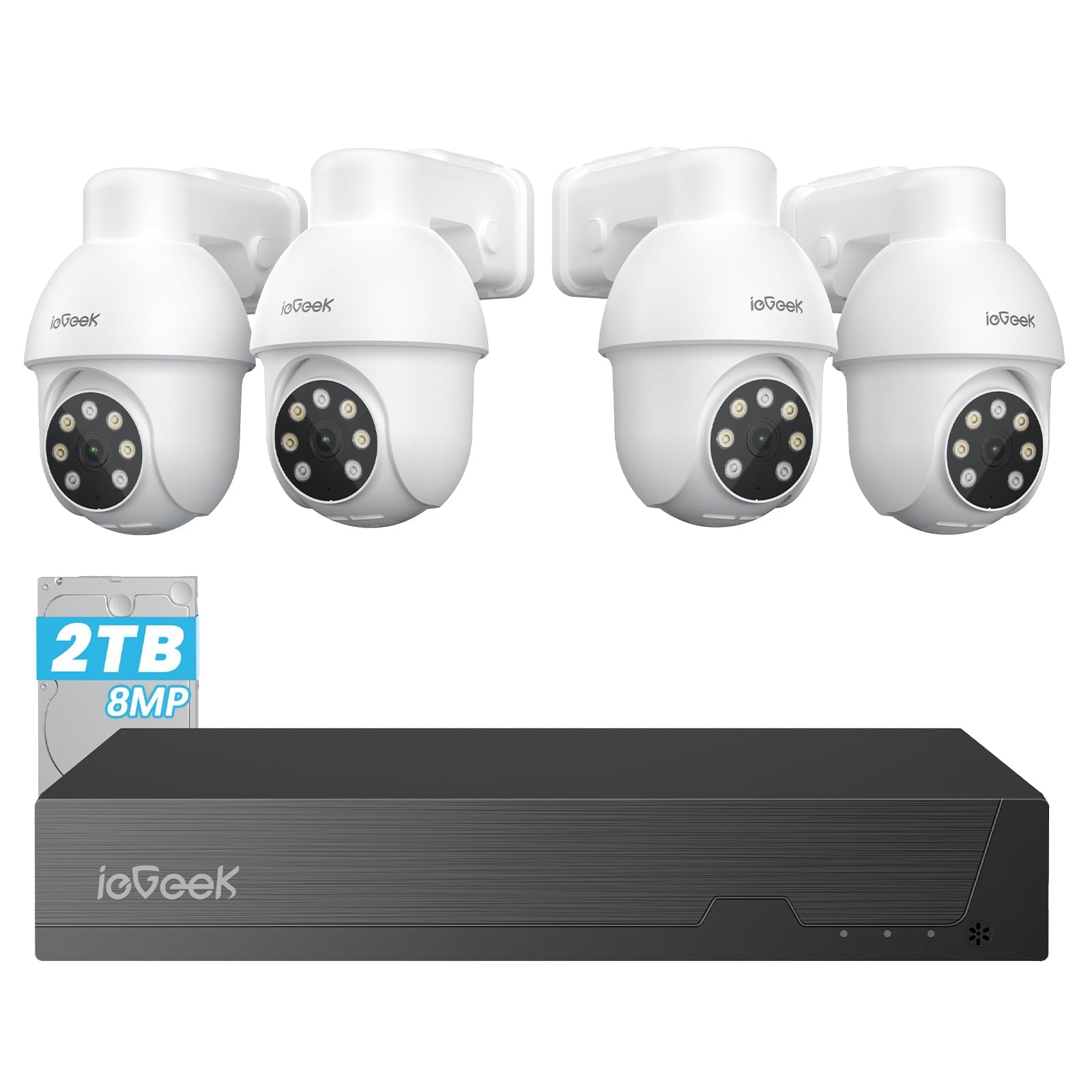
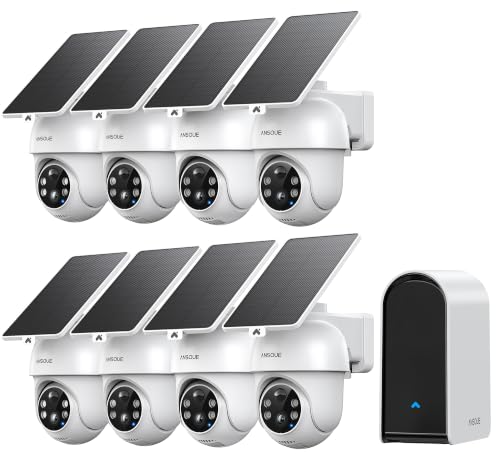
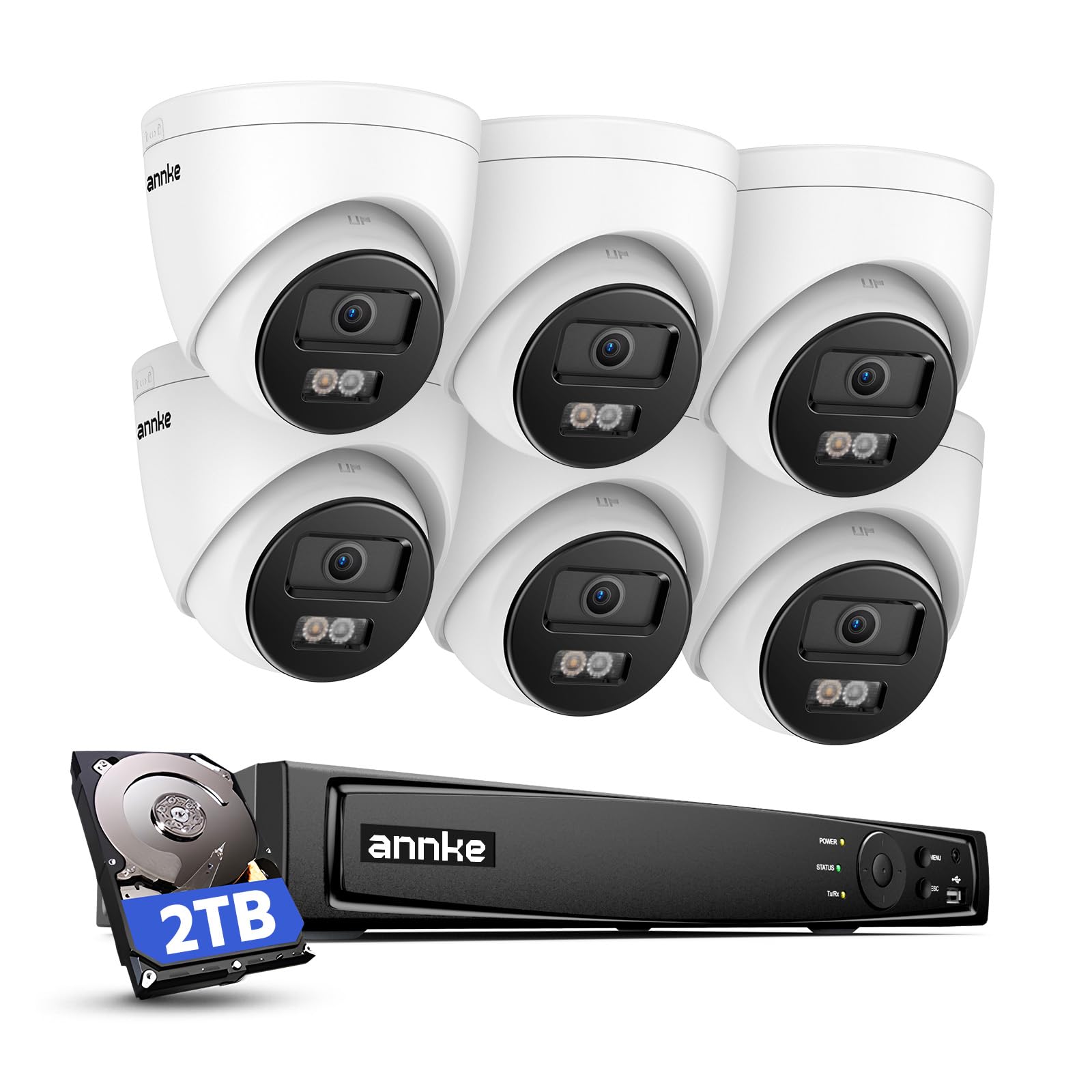
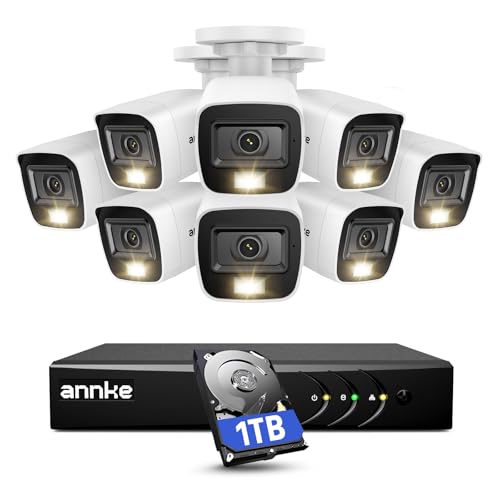


Who Should Buy Which CCTV Cameras for Home Use?
For Porch and Driveway Coverage in a Busy Family House
If your front door handles parcels, visitors and school runs, prioritize a camera with person detection, a wide view and clear night images. A spotlight or siren can help at a dark driveway, and two way audio lets you speak to a courier from work. Wired power suits this busy spot, since frequent motion drains a battery quickly. For more outdoor positions, see our guide to the best outside home security cameras before you fix the mounting point.
For Indoor Checks on Kids, Pets and Older Relatives
Indoor cameras serve a different job: quick checks rather than evidence gathering. Renters often prefer a small camera on a shelf because it needs no drilling and can move rooms when routines change. Look for a privacy shutter or a clear off mode for living spaces, plus alerts that separate people from pets so a roaming dog does not fill your phone. A hall camera can also reassure you about an older relative home alone, although it should support, never replace, regular visits and calls.
For Larger Properties With Garages, Gates and Outbuildings
Long distances change the math. A detached garage or rear gate may sit far from the router, and a battery camera there can mean long ladder walks to recharge. Wired camera systems with a central recorder suit these layouts, because one recorder stores footage from several cameras and keeps recording when battery units sleep. Plan cable routes first, and count every entrance, since a system that misses the garage door leaves the most tempting target unwatched.
Key Features to Compare
Many shoppers find that the best cctv security cameras for home are not the models with the longest feature list, but the ones whose detection, storage and power choices match one clear job per position.
Smart Detection and Activity Zones
Person detection alerts you for people rather than for every moving branch or passing headlight. Package and vehicle detection add useful sorting at a driveway, although extra classes can raise the subscription tier. Activity zones let you mark the path and gate while ignoring the sidewalk beyond. Set zones tightly at first and adjust them after a week, since a zone that includes a busy road will train you to ignore the app.
Resolution, Field of View and Night Vision
Resolution decides how much detail survives when you zoom into a face or plate. 2K resolution is a sensible middle ground for porches and halls, while 4K helps on a wide driveway where subjects stand farther away. Field of view, often about 130 to 160 degrees, decides how much of a yard one camera covers, though a very wide view makes people look small. At night, infrared gives discreet black and white images, while a small spotlight keeps color detail at close range.
Power Source and Connection Reliability
Wired cameras draw constant power and suit busy positions, but they need an outlet or a cable run to each point. Battery models install almost anywhere, yet they record in shorter clips and need regular charging. Wireless cameras depend on a strong WiFi signal at the mounting point, so test your phone signal there first. If you lean toward cable free fitting, see our guide to the best wireless home security cameras.
Storage Choices: Local Recording and Cloud Plans
Local storage keeps footage on a memory card, a recorder hard drive or a home hub, with no monthly fee and clips kept inside the house. Cloud storage keeps copies away from the home, so footage survives even if a camera is stolen, and it unlocks longer clip history. Check how many days of history each option keeps, because a short window can erase an incident you notice late.
Weather Resistance and Outdoor Durability
An outdoor camera needs a sealed body that shrugs off rain and dust. Ratings such as IP65 and IP66 describe protection against water jets and dust, with the higher number giving stronger cover for exposed walls. Temperature range matters too on sun baked walls. Mount under shelter where you can, so water runs off the lens.
Two Way Audio, Sirens and Visible Deterrence
Two way audio lets you answer the door from the kitchen or from another town. A clear speaker matters more than sheer volume at a sheltered porch. A siren or spotlight adds deterrence at a side gate or garage, where a sudden light can make an intruder leave before touching a lock. Use these tools with restraint around neighbors, since repeated night alarms may breach local noise rules.
Planning Camera Placement Before You Mount Anything
Walk the property in the morning glare and after dark, and list every way in: front door, back door, side gate, garage and ground floor windows. Mount cameras about 8 to 10 feet high, angled down enough to capture faces and hands rather than the top of a head. Too high shows hats and shoulders, while too low is easy to reach and knock aside.
Check the light before you drill: a camera facing a bright sunrise can turn visitors into silhouettes, so a slight side angle often works better than a straight on view. Test WiFi strength at the exact spot, and keep the view on your own property where possible, since aiming into a neighbor window invites complaints and legal trouble. Audio rules vary by area, so check local guidance first. For wired layouts see our guide to the best cctv cameras for home, and for whole home layouts see our guide to the best home cameras for security.
Common Mistakes to Avoid
Most regrets with home cameras come from buying habits rather than faulty hardware.
- Choosing by price alone and ending up with alerts so vague that you stop checking them.
- Covering the front door twice while leaving the side gate and garage with no camera at all.
- Mounting a camera where afternoon glare washes out faces at the busiest hour of the day.
- Skipping the storage plan and discovering after an incident that clips were kept for only one day.
- Using a weak account password, which leaves the camera feed exposed even when the hardware is sound.
Care and Maintenance for Home CCTV Cameras
Wipe each lens with a soft dry cloth every few months, since a fine film softens night images first. Check mounts and seals at the change of seasons, tighten any bracket that has worked loose, and clear webs and leaves from the housing so insects do not block the view.
Turn on automatic firmware updates where the app offers them, and protect the account with a strong unique password plus two factor authentication, since the account guards every camera at once. Recharge battery cameras before they run flat, ideally at about a quarter of charge, and test alerts, playback and night images with a short recording each month.
CCTV Security Cameras for Home: Your Questions Answered
Do home CCTV cameras need a subscription to record video?
No. Many home CCTV cameras record to a memory card or a home recorder with no subscription at all. A paid plan usually adds longer cloud history, smarter alert labels and easier sharing of clips with family members. Check what stays free after any trial ends, because some cameras move person detection behind the plan.
Are wired home CCTV cameras more reliable than wireless models?
Yes, in most fixed positions wired home CCTV cameras are the more reliable choice. Constant power removes flat battery gaps, and a cable does not fade when walls weaken WiFi. The trade off is installation effort, since each camera needs a route back to power or to the recorder. A backup power unit for the recorder adds protection during short cuts.
How can you protect home CCTV cameras from hacking?
You can protect home CCTV cameras through the account and the router, not just the camera itself. Use the maker's official app, decline unknown login requests, and review signed in devices every few months. A separate guest network for cameras limits what a compromised device could reach. Remove unused cameras, since an old unit can stay signed in long after you forget it.
Can home CCTV cameras work without WiFi?
Yes. Home CCTV cameras can work without WiFi when they record to a local recorder or memory card, and wired systems often run on their own cables alone. What you lose is remote viewing, phone alerts and cloud backup, since those services need a connection. A middle path records locally and uses WiFi only when you open the app.
How much storage does a home CCTV camera system need?
A home CCTV camera system needs less storage than most buyers fear when it records on motion only. Busy porches can still fill a small card within days, so confirm the oldest clips are replaced automatically. Download any clip you may need before you travel, because a card that loops every week can erase the very footage you went home to find.
Wrapping Up
Start with the entrances, then match detection, power and storage to the routine at each one, and let placement make the images usable. A modest camera aimed well beats a flagship sensor aimed at the sky. Review the product table above, and you will see why the best cctv security cameras for home for your household are the ones that fit your doors, your light and your habits.