
Best CCTV Cameras for Business Tampa at Every Price: What Your Money Gets You in 2026
Disclosure: We may earn a commission when you buy through links on this page, at no extra cost to you. As an Amazon Associate I earn from qualifying purchases. Learn more

What each budget buys in the best cctv cameras for business tampa: resolution, night range, storage, weather rating and common mistakes.
Camera systems for a Tampa business range from a few hundred dollars to several thousand. The gap reflects how many areas you can cover, how clearly faces read at a distance, and how long footage stays stored. This guide to the best cctv cameras for business tampa explains what each budget level actually buys, so you spend on coverage that matters. Start with the comparison table below.
Tampa adds its own pressures. Heat, heavy humidity, salt air near the bay, and storm driven rain punish outdoor hardware, while bright storefront glass and dark lots test image quality at the same site. The sections below compare price tiers, core features, long term costs, and common mistakes.
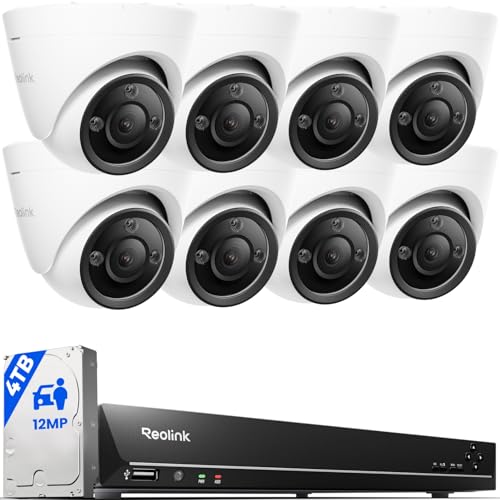


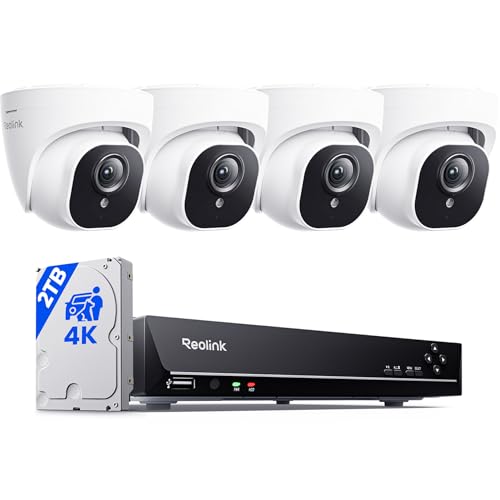
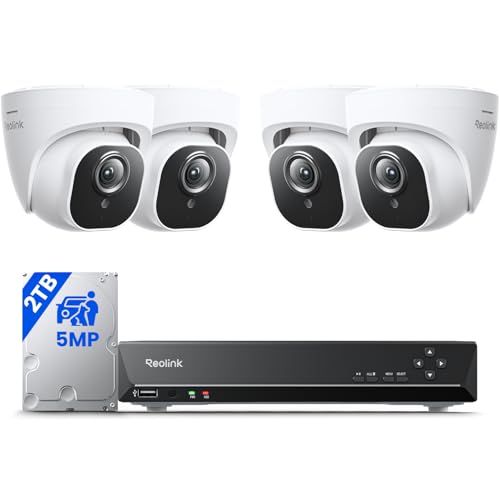


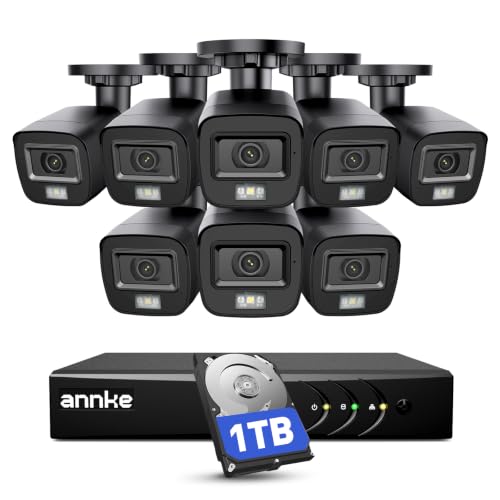

Who Should Buy Which CCTV Setup in Tampa?
Your layout and hours should set the camera count before your budget does.
Small Retail Shops and Cafes in Busy Districts
A compact shop usually needs coverage at the entrance, the register, and the stock room door, which a small set of dome or turret cameras handles well. Wide views matter more than long range here, since most activity happens within about 30 feet. Choose a recorder with a few spare channels, because adding a camera later costs far less when capacity already exists.
Restaurants, Bars, and Businesses Open Late
Late hours shift the priority to low light performance and coverage of the parking area, patio, and rear delivery door. Kitchens also fill the air with steam and grease, so cameras there need sealed housings that wipe clean easily. Plan one camera facing outward from the entrance, since a backlit doorway is where faces are most often lost at night. For wider context on alarm ready setups, see our guide to the best security cameras for business tampa.
Warehouses, Lots, and Light Industrial Sites
Larger sites need longer viewing distances, more storage, and cameras built for constant outdoor exposure. Bullet cameras with adjustable lenses suit loading docks, fence lines, and rows of parked vehicles. Add surge protection on outdoor cable runs, because Tampa is among the most lightning active areas in the country and one nearby strike can damage connected equipment.
Budget Steps for Covering a Tampa Business Site
When you shop for the best cctv cameras for business tampa options on a set budget, compare capability per camera position rather than the headline price of a boxed kit.
Entry Tier: Basic Coverage for a Compact Site
Entry level kits, often about $200 to $500, usually provide 1080p video, fixed wide lenses, and infrared night vision over short distances. That is enough to confirm what happened at a register or doorway. Trade offs include retention of a week or less, basic alerts, and housings meant for sheltered spots rather than open weather. This tier fits a small office or boutique with two to four positions.
Mid Tier: Clearer Identification for Busy Sites
Mid tier systems, often about $500 to $1,500, step up to 4K or strong 4 megapixel sensors, better night range, and recorders holding several weeks of footage. Many add adjustable lenses, so one position covers a wide floor while another frames a gate more tightly. For most Tampa shops and restaurants, this is where identification quality and storage both become dependable.
Upper Tier: Wide Coverage and Longer Retention
Upper tier systems, often about $1,500 to $4,000 or more, add stronger low light sensors, motorized zoom, and analytics such as person and vehicle detection that cut false alerts. Recorders grow in capacity, and outdoor models carry tougher seals. This tier pays off when footage may be needed weeks later, or when one missed incident costs more than the upgrade.
Key Features to Compare
Compare these five factors at any tier.
Resolution and Identification Distance
Resolution only helps if enough pixels land on the subject you need to identify. A 1080p camera shows clear facial detail across a small room, yet over a wide lot it spreads those pixels too thin to read a face or plate. Match each camera to its distance: wide views for awareness, and higher resolution or a narrower view where identification matters, such as entrances and gates.
Lens Type and Field of View
A fixed lens gives one wide view and keeps setup simple, which suits small interiors. A varifocal lens can be adjusted during installation, roughly from a wide 2.8 mm setting to a tighter 12 mm setting on many models, so the installer frames exactly the aisle, dock, or door you care about. That adjustability costs a little more but can remove the need for an extra camera.
Low Light Performance and Wide Dynamic Range
Infrared night vision shows black and white images in darkness, and its rated range tells you how far that light effectively reaches outdoors. Some cameras use sensitive sensors to keep color images in dim light instead, which helps describe clothing or vehicle color. Wide dynamic range balances a sunlit window against a shaded interior, so a person entering at noon is not a dark silhouette.
Storage, Retention, and Remote Viewing
Footage is stored on drives inside a recorder, on memory cards in the camera, or in a cloud service, and each choice sets how many days you keep. More cameras and constant recording shorten retention, while motion based recording stretches it. Set a target first, such as 14 to 30 days, then size the drive to match. Protect app access with a strong password. While planning, see our guide to the best surveillance cameras for business tampa.
Weather Rating, Heat, and Corrosion Resistance
Outdoor cameras should carry at least an IP65 rating, with IP66 or IP67 better for spots exposed to wind driven rain during Tampa storms. Sealed metal housings shed heat better than plastic in direct sun, and cameras near the coast benefit from corrosion resistant finishes, since salt air attacks exposed screws and brackets over time. Mount units under an eave where possible, and add drip loops so water runs off the cable instead of into the connector.
Costs That Keep Coming After the Kit Is Installed
The kit price is only the starting point. Budget for installation labor, extra drive capacity when you extend retention, and replacement cameras as units age out. Cloud plans charge a recurring fee per camera, which can pass the cost of a larger local drive within a couple of years. Surge protectors and a backup power supply are small costs that protect the whole system. Owners weighing options beyond dedicated CCTV can see our guide to the best cameras for business. If an incident involves injury or a dispute, consult a licensed security professional or your insurer about retention and placement rather than guessing.
Common Mistakes to Avoid
- Using wide views only, so no camera is framed tightly enough to identify a face at the door.
- Mounting cameras too high, which records the tops of heads instead of usable facial detail.
- Buying the cheapest kit for an unsheltered spot, so humidity and rain fog the lens within a season.
- Leaving retention on the default, so the drive overwrites incident footage before anyone reports it.
- Keeping the factory recorder password, which exposes your video to anyone who finds the system online.
- Pointing a camera at storefront glass at noon, so glare washes out the entrance at your busiest hours.
Care and Maintenance for Business CCTV Cameras
Clean each lens and dome cover every few months with a soft cloth, because dust, pollen, and salt film soften the image long before anyone notices. Clear spider webs from outdoor housings, since webs near the lens catch infrared light at night and create glare. Each month, check every live view, confirm the recorder clock is correct, and play back a clip from the oldest day of storage to prove retention matches your setting. After a major storm, inspect mounts and seals for water intrusion.
FAQ
How many CCTV cameras does a small Tampa business usually need?
Most small businesses start with four to eight cameras. Count one per entrance, one over each register, one for the stock area, and one or two for parking and rear doors. Walk the site at your busiest hour, note any spot where money or stock moves unseen, and add a camera only for that gap.
Are wired or wireless CCTV cameras better for a Tampa business?
Wired cameras powered over Ethernet cable are usually better for a permanent business installation. One cable carries power and video, the connection does not drop when WiFi gets busy, and recording continues if internet service fails. Wireless models suit a leased space where cable runs are not allowed, or a temporary position.
How long should a Tampa business keep CCTV footage?
Keeping about 14 to 30 days is a common target for retail and hospitality sites. The right number depends on how quickly incidents surface: a slip reported three weeks later is lost if your system overwrites at ten days. Check whether your lease or insurer sets a minimum. Extending retention usually means a larger drive, not new cameras.
Can one CCTV camera cover an entire parking lot?
One camera can show general activity across a whole lot, but it rarely identifies faces or plates at the far side. Lots need a layered plan: a wide camera for awareness, plus narrower views at entrances and the rows nearest the building. Lighting matters as much as the camera, because a subject between bright lamps and deep shadow stays hard to identify.
Do CCTV cameras record audio at a Florida business?
Many cameras can record audio, but Florida law restricts recording conversations where people expect privacy, and the rules differ from video only recording. A safer default is video without audio in public areas, no cameras in restrooms or changing areas, and posted signs that recording is in use. Ask a Florida attorney before enabling audio.
Final Thoughts
Start with the positions you must cover, set a retention target, and let the tier that meets both guide your spending. Most Tampa shops and restaurants land in the mid tier, while large lots justify the upper tier. Whichever level you choose, the best cctv cameras for business tampa setup has no blind spot at the door, register, or rear exit. Compare the finalists in the product table above.


