
Best Cc Generators in 2026: Which Type Is Right for You?
Disclosure: We may earn a commission when you buy through links on this page, at no extra cost to you. As an Amazon Associate I earn from qualifying purchases. Learn more

Compare the best cc generators by type, fuel, and running watts, with sizing, safety, and setup guidance to choose the right option for your home.
Shopping for a generator gets confusing fast because the same wattage can come in very different forms, from a loud open frame unit to a quiet inverter or a large battery station. This guide compares the main types side by side so you can match a style to your home, your budget, and how you plan to use it. The best cc generators for you will depend less on a headline number and more on fuel access, noise tolerance, and the loads you truly need to run.
Use the comparison table below to see the main styles at a glance, then read on for sizing help, connection safety, and care steps that keep any generator ready when an outage hits.
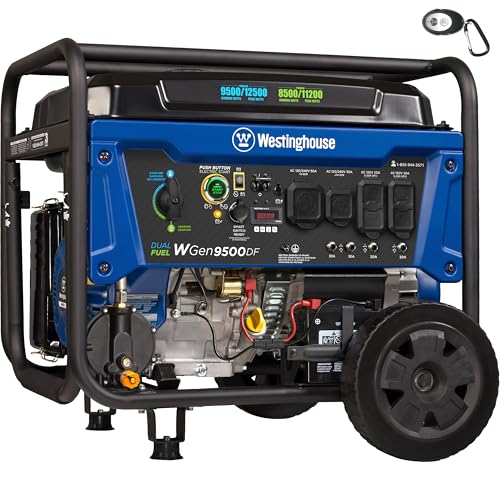
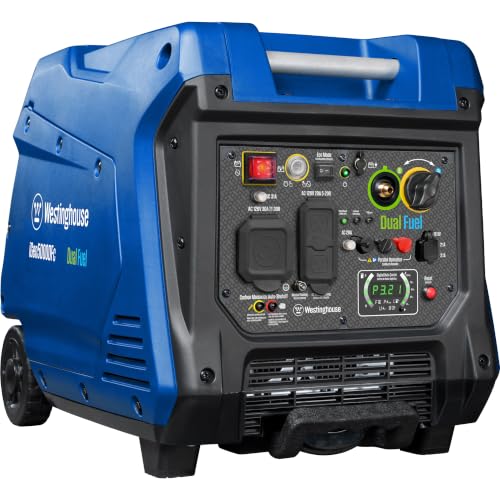


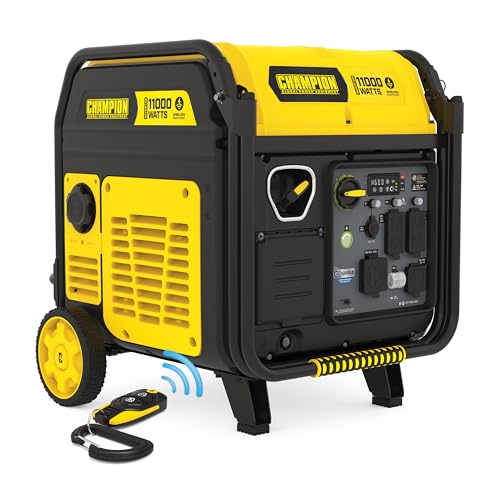
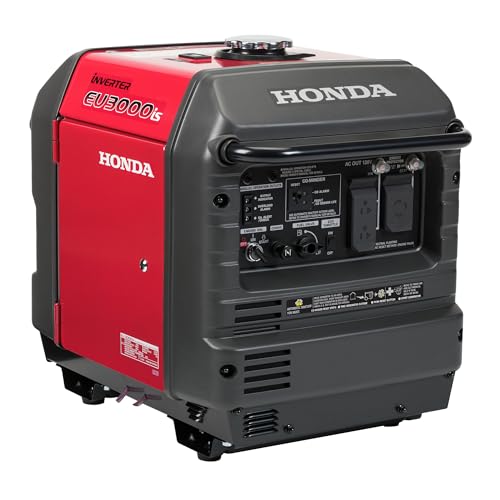
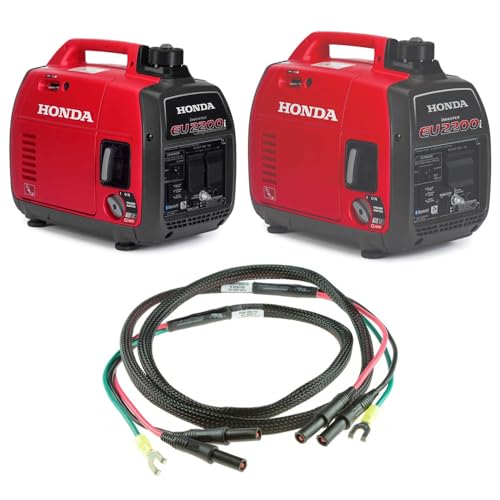
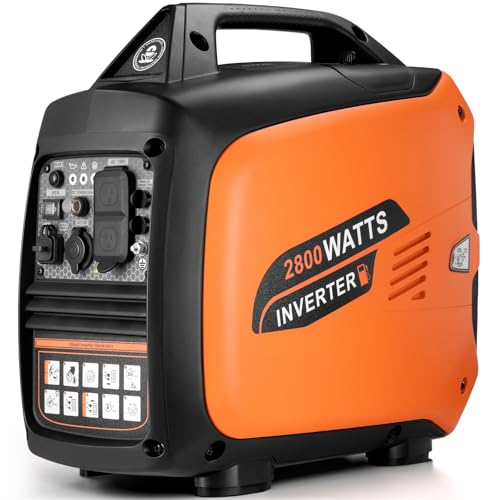
Types of Cc Generators Compared
Three broad families cover most home and portable needs. Dual fuel and conventional portable units burn fuel and make power on demand. Inverter units also burn fuel but clean up the output and vary engine speed. A fourth option, the solar power station, stores energy in a battery and makes no power at all until you recharge it, so treat it as a separate category when you compare runtime.
Dual Fuel Generators
A dual fuel generator runs on gasoline or propane, switched with a dial or valve. Gasoline usually gives a bit more power and is easy to find during an outage. Propane stores for years without going stale, burns cleaner, and connects to a large home tank for long runs.
The trade off is size and complexity. Dual fuel models are often larger, and you must plan for both fuel types, their regulators, and safe storage. Choose this style if outages in your area can last a day or more and you want a backup fuel when one runs low.
Portable Generators
A conventional portable generator uses a fixed speed engine and an alternator to produce power for tools, appliances, and home backup through cords or a transfer switch. It delivers the most watts per dollar, which is why it remains the common choice for whole home backup on a budget and for job sites.
The limits are noise, fuel use at light loads, and rougher power quality. Total harmonic distortion, often shortened to THD, can be high enough that sensitive electronics need extra care. Choose a portable unit when raw output matters most and the generator will sit far from living spaces. If you want a broader view of rated home models, see our guide to the best rated generators for context on sizing categories.
Inverter Generators
An inverter generator makes raw power, converts it, and then inverts it back into clean alternating current with low THD. The engine also speeds up and slows down with the load, so it uses less fuel and runs much quieter at partial loads, which is common during real outages.
You pay more per watt, and the largest inverter models still trail big portable units on peak output. Two smaller inverters can sometimes be paired for more power. Choose an inverter if you will camp, tailgate, run medical or computer gear, or place the unit close enough that noise would bother neighbors. Readers who want stored energy with no engine at all can compare that path in our guide to the best backup generators, which covers battery based options alongside fuel models.
Dual Fuel Generators vs Portable Generators: Which Should You Choose?
Start with fuel security. If you already store propane or have a large tank, dual fuel gives you a second supply when gasoline stations are crowded or closed. If you only keep fresh gasoline for a mower and a car, a gasoline only portable may be simpler and cheaper.
Next, look at runtime and storage. Propane does not degrade, so a dual fuel unit suits homes that may go months between uses. Gasoline needs stabilizer and rotation. Then weigh power and price. For the same money, a conventional portable usually offers more running watts. Finally, consider maintenance. Dual fuel adds a propane regulator and hose to inspect, while a simple portable has fewer parts to check.
How to Choose the Right Cc Generator
Wattage: Running vs Starting Watts
Running watts are what an appliance uses once it is on. Starting watts are the brief surge a motor needs to start. Add the running watts of everything you want at once, then add the largest single starting surge on top of that total.
For example, a refrigerator might run at about 150 watts but surge to around 800 watts at start. A sump pump can run near 800 watts and surge past 1,500 watts. A small window air conditioner can run near 1,000 watts and surge higher. If your total lands near a generator limit, move up one size so the engine is not straining all day.
Transfer Switch and Home Connection
A transfer switch lets you power hardwired circuits such as a furnace, well pump, or refrigerator circuit without running cords through windows. It also prevents backfeeding, which is when generator power flows into utility lines and endangers line workers and your own equipment.
Have a licensed electrician install the switch and inlet box, and follow local codes and permits. Never plug a generator into a wall outlet to feed a house. If you want power that starts on its own during an outage, read our guide to the best automatic generators to understand how automatic standby systems differ from portable setups.
Generator Type (Portable, Inverter, Standby, Solar Power Station)
Portable and inverter units are movable and store in a garage or shed, but you must set them up outdoors during each outage. Standby generators are fixed in place, connect to natural gas or propane, and start automatically, at a much higher installed cost.
Solar power stations use a lithium battery, often LiFePO4 chemistry, and an inverter. They run silently indoors and suit apartments, short outages, and light loads such as phones, lights, and a router. They cannot match a fuel generator for days of heavy use unless you have large panels and steady sun. For outage planning focused on essentials, our guide to the best emergency generator choices explains how families prioritize loads.
Fuel Type (Gasoline, Propane, Dual Fuel, Natural Gas, Solar)
Gasoline is widely available and energy dense, but it stores poorly and needs stabilizer after about a month. Propane stores almost indefinitely in a sealed tank, though it delivers slightly fewer watts and needs tank swaps on long runs.
Natural gas suits fixed standby units because the supply is continuous, but output is often lower than on propane. Solar charging is free once you own panels, yet weather and season limit how fast a station refills. Match the fuel to what you can store safely and replenish locally. If portability matters most, compare shapes and weights in our guide to the best rated portable generators before you commit to a heavy frame.
Setup and Care Tips
Safety comes first. Never run a fuel generator indoors or in a garage, even with the door open. Place it at least 20 feet from doors and windows, with the exhaust pointing away from the house, and let it cool before you refuel. A carbon monoxide shutoff sensor is a valuable extra, but it does not replace correct placement, and you should still have working carbon monoxide alarms inside your home.
- Run the generator under a light load for about 20 minutes each month so seals, fuel lines, and the battery for electric start stay in good shape.
- Change the oil on schedule, check the air filter, and keep fresh fuel or a full propane tank ready before storm season.
- Store the unit dry, with the fuel valve closed, and note the next service date on a tag attached to the handle.
- Keep heavy duty outdoor rated cords in good condition, and replace any cord with cuts or loose plugs.
Frequently Asked Questions
What size generator do I need to power a house?
Most homes can run essentials on about 5,000 to 7,500 running watts, while running central air and many circuits at once can need 10,000 watts or more. List your must run loads, add running watts, add the largest starting surge, and then add a margin of about 20 percent. A transfer switch panel also limits which circuits you can feed, regardless of generator size.
How long can a cc generator run continuously?
Many portable models run about 8 to 12 hours on one tank of gasoline at half load, and longer on propane with a large tank. Check the manual for oil change intervals and cool down guidance, because some makers advise a rest period after long runs. Running at a lighter load usually stretches runtime and reduces wear compared with running near full output all day.
Do I need a transfer switch?
You need a transfer switch or an interlock kit installed by an electrician if you want to power hardwired home circuits safely and legally. You do not need one if you only plug individual appliances and tools directly into the generator with suitable cords. Never use a cord with two male ends, and never feed a panel without an approved device that isolates utility power.
Can a generator run a refrigerator?
Yes, almost any home generator can run a refrigerator because the running draw is modest, often about 100 to 200 watts. The challenge is the starting surge when the compressor kicks on, which can be several times the running draw for a moment. Keep the doors closed during an outage, and stagger starts so the refrigerator and a pump or air conditioner do not surge at the same instant.
Inverter or conventional: which is better?
An inverter is better when quiet operation, fuel savings at light loads, and clean power for electronics matter most. A conventional model is better when you need the most watts for the lowest purchase price. Neither is best in the abstract. Your distance from neighbors, your load list, and how often you expect outages should decide which trade off fits your home.
Our Verdict
Focus on three decisions: the loads you must run, the fuel you can store and refill, and how you will connect power safely. Get those right and the product table above will narrow quickly to a short list that fits your home and budget. The best cc generators are not the biggest or the cheapest, they are the ones whose type, fuel, and connection plan match the way you will actually use them during an outage.


