Best Bathroom Tubs Made Simple: A Clear Buying Guide 2026
Disclosure: We may earn a commission when you buy through links on this page, at no extra cost to you. As an Amazon Associate I earn from qualifying purchases. Learn more

A friendly guide to bathroom tubs, covering alcove, freestanding, and drop in types, sizing, materials, soaking depth, and installation basics.
Buying a tub feels simpler once you know the basic types and the measurements that matter, and best bathroom tubs shoppers often start with style before size. The product table below gives you a quick overview, and this guide walks from the basics to the final choice. A tub is a long term fixture, so it pays to get the fit, the material, and the installation right the first time.




Bathroom Tubs 101: The Basics
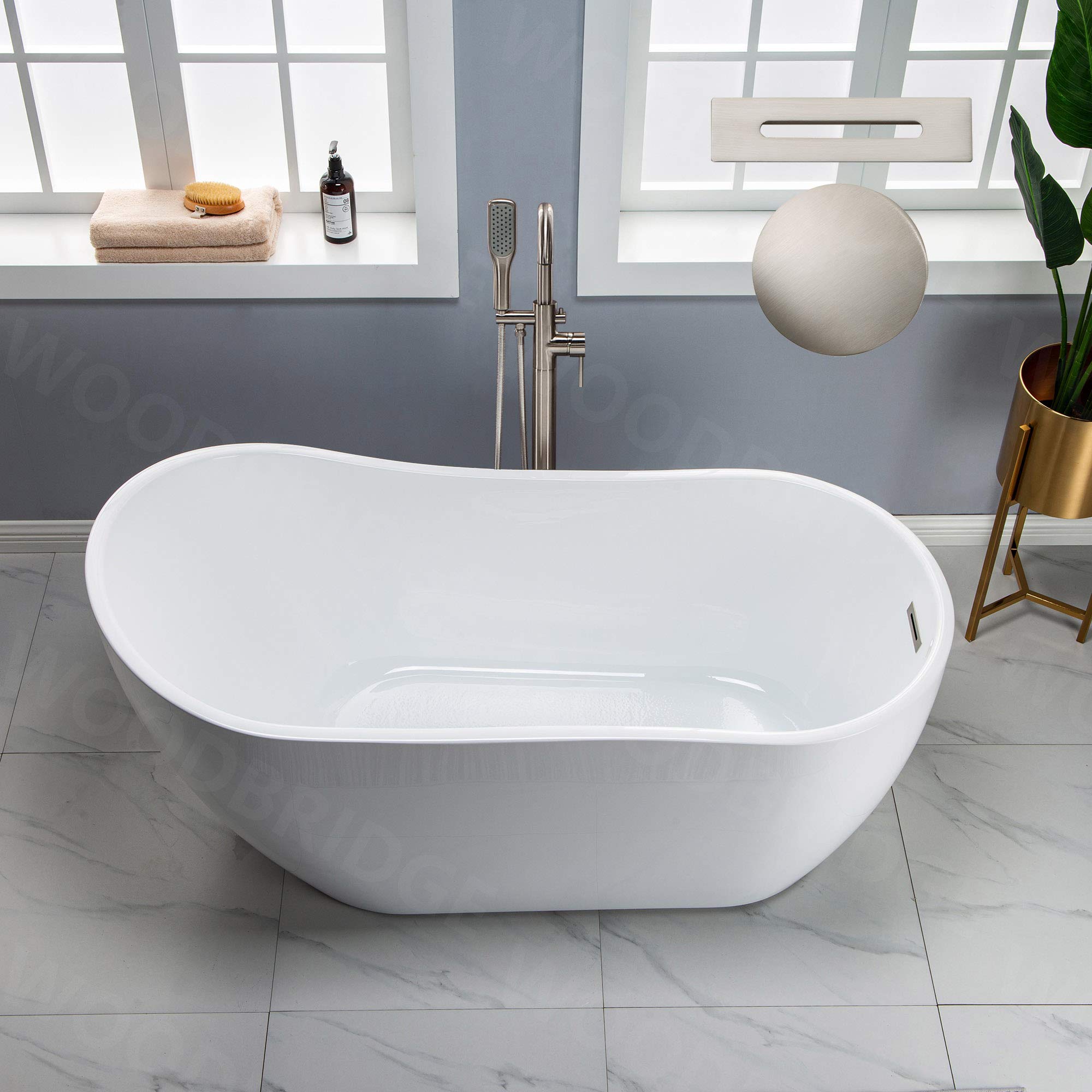
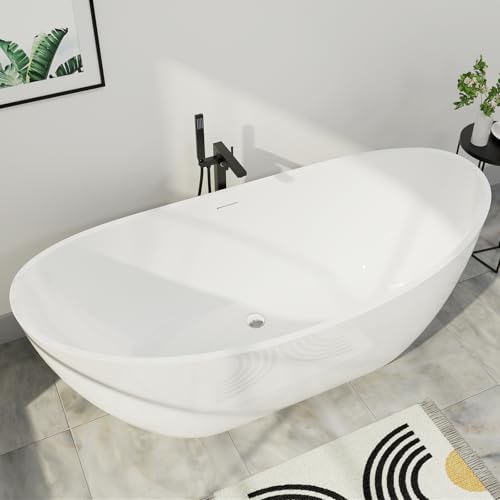
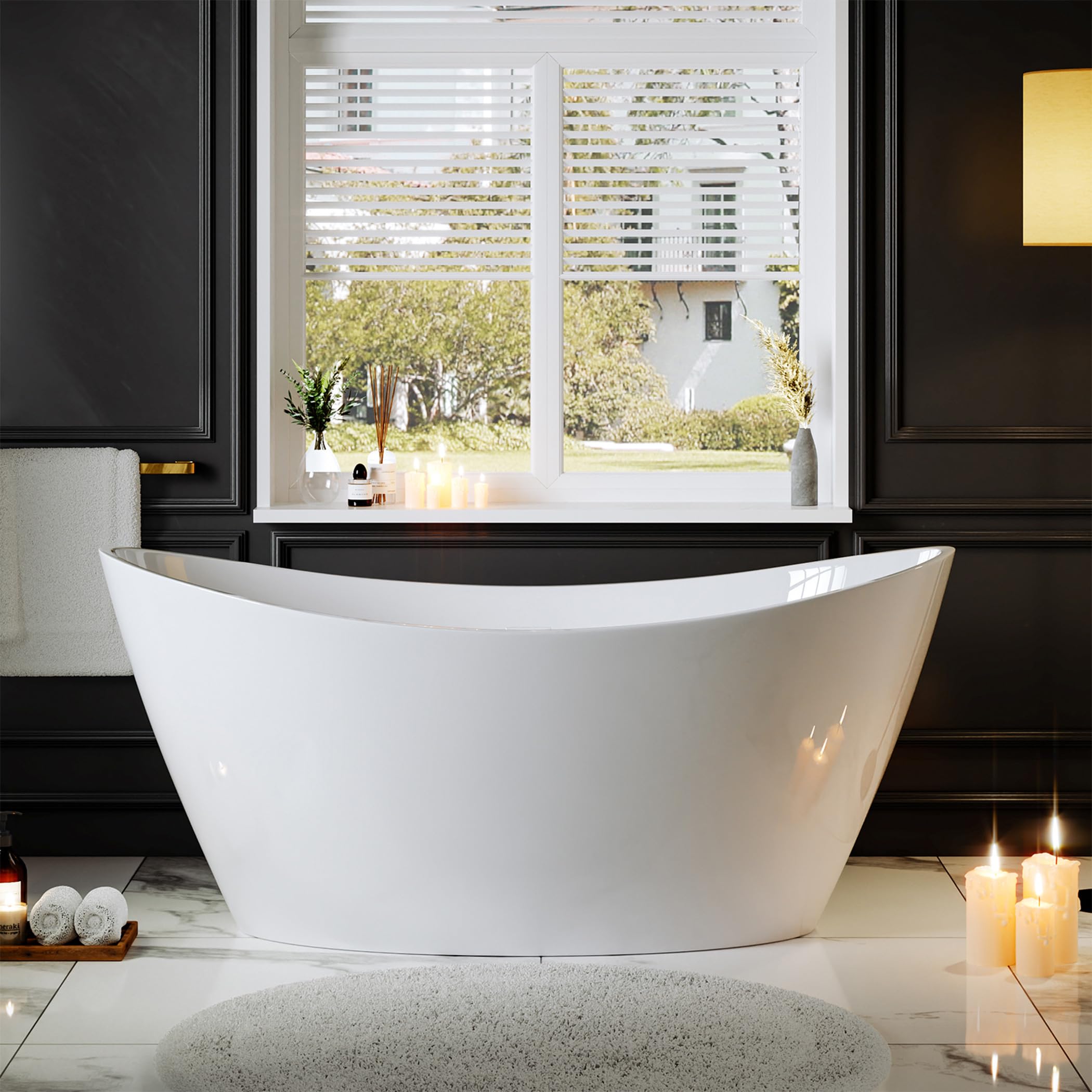
A bathtub holds water for bathing and soaking, and the main types differ in how they sit in the room. An alcove tub fits into a three wall recess and is common in smaller bathrooms. A freestanding tub stands on its own and becomes a feature of the room, but it needs more floor space and careful plumbing. A drop in tub sits into a built platform, which can look neat and offer a shelf around the edge.
Corner tubs use an angled space and can suit larger bathrooms. Each type has trade offs in space, cost, and installation work. Start by measuring your room and noting where the plumbing and door are, because those fixed points limit your options more than style alone.
Size, Shape, and Measuring
Measure the length, width, and height available, and leave room to get in and out safely. Also measure the doorways and hallways the tub must pass through during delivery, since a large freestanding tub can be hard to move into a small bathroom. Check the height of the rim, because a high rim can be hard to step over for children, older adults, or anyone with limited mobility.
Soaking depth matters for comfort. A deeper tub lets you sit with water up to your shoulders, while a shallower tub is easier to step into and uses less water. Think about who will use the tub most often, and balance comfort against ease of access and water use.
Materials Compared
Acrylic tubs are light, warm to the touch, and available in many shapes. They are easy to install and resist chipping, though they can scratch over time. Cast iron tubs are very heavy and durable, and they hold heat well, but they need a strong floor and professional installation. Steel tubs sit between these options, offering good durability at a moderate weight.
Stone resin and composite tubs offer a solid, premium feel and many freestanding shapes. They can be heavy and costly, so check the floor load and the delivery route. Whatever the material, ask about the finish and how it should be cleaned, since harsh cleaners can dull some surfaces.
Soaking Comfort and Features
Comfort comes from the shape of the tub as much as its size. A sloped back supports your shoulders, while armrests and a contoured base help you relax. Some tubs include jets for a spa like experience, but jets add cleaning work and need access for maintenance. Decide whether you value simple soaking or extra features.
Consider the water heater as well. A large, deep tub needs more hot water than a standard tub, and an older heater may struggle to fill it. Check the tub capacity against your heater before you buy, so your first soak is not a lukewarm disappointment.
Installation, Plumbing, and Safety
Installation is usually a job for a professional, especially when plumbing moves or the floor needs support. Get quotes that include delivery, fitting, sealing, and removal of the old tub. Ask about access panels for future maintenance, because reaching the plumbing later without one can be costly.
Safety deserves attention in every bathroom. A non slip base or mat, a grab bar, and a hand shower reduce the risk of slips. Keep the floor dry around the tub, and consider a lower rim or a walk in design if anyone in the household has limited mobility.
Care and Long Term Value
Clean the tub with gentle products suited to its material, and rinse after each use to prevent soap buildup. Check the sealant around the edges regularly, and reseal promptly if it cracks or pulls away. Small care habits keep the tub looking good and prevent water damage to the floor and walls.
A well chosen tub adds comfort and value to a bathroom for many years. The product table above can help you compare the shortlist, and a careful measure before ordering avoids the most common and costly mistake.
Related Guides to Explore
If this topic connects with your plans, read our guide to best tubs for small bathrooms for a closer look at that angle. If this topic connects with your plans, read our guide to best caulk for bathroom tubs for a closer look at that angle. If this topic connects with your plans, read our guide to best soaking tubs for small bathrooms for a closer look at that angle. If this topic connects with your plans, read our guide to best quality tubs for a closer look at that angle.
Planning a Tub Renovation Smoothly
A tub replacement is easier when you plan the sequence carefully. Start with measurements, plumbing locations, and delivery access, then choose the tub type that fits those constraints. Ordering a tub that cannot fit through a doorway or hallway is a costly mistake that careful measuring avoids.
Coordinate trades in the right order. Plumbing and floor support come before tiling and sealing, and the tub should be protected once installed while other work continues. A clear schedule reduces the time your bathroom is out of use, which matters in a home with one bathroom.
Think about the finishing details early, including taps, shower fittings, and storage. A hand shower is practical for rinsing the tub and washing hair, while a shelf or niche keeps toiletries tidy. Small details chosen early look integrated, while late additions can look improvised.
Budget for extras beyond the tub itself, such as plumbing changes, tiling, sealing, and removal of the old tub. A contingency fund for unexpected issues, such as damaged flooring under an old tub, prevents stress when surprises appear. Honest budgeting makes the whole project calmer.
After installation, test the tub thoroughly before the trades leave. Fill it, check for leaks, test the drainage speed, and inspect the sealing. Catching a small issue on installation day is far easier than calling someone back weeks later when water damage has spread.
Choosing with Confidence
Compare tubs on fit, material, and installation requirements before falling in love with a style. A beautiful tub that does not fit your plumbing or floor load creates cost and delay, while a well fitting tub in a simpler style serves happily for decades.
Ask installers for itemised quotes that separate the tub, plumbing, tiling, and finishing work. Itemised quotes make comparisons fair and reveal where costs concentrate, so you can decide where to save and where to spend for quality.
Check the warranty for the tub and for the installation separately, since they often come from different parties. Understand what each covers and for how long, and keep all documents together for future reference.
Consider future needs as well as present style, including ageing, children, and resale. A tub that is easy to enter, easy to clean, and timeless in style serves a household through changing circumstances better than a fashionable but impractical choice.
Finally, take time with the decision, since a tub is a long term fixture. Visit showrooms, sit in display models, and measure twice. A careful, unhurried choice avoids the most common regrets in bathroom renovation.
Frequently Asked Questions
What tub size fits a small bathroom?
An alcove tub around standard length often fits a small bathroom best, because it uses a three wall recess efficiently. Measure the recess carefully, including the height of the rim and the space needed to step in safely. A shorter tub can work if you mainly shower, while a deeper soaking tub needs more floor space and more hot water.
Is a freestanding tub practical for everyday use?
A freestanding tub can be practical if you have enough floor space and the plumbing can reach it neatly. It is easy to clean around, but it needs room for access on all sides. In a small bathroom it can feel cramped and make cleaning harder. Choose it when space and plumbing allow, not only for its appearance.
Which tub material is easiest to maintain?
Acrylic is generally the easiest to maintain, because it is light, warm, and resists chipping. It can scratch, so use soft cloths and gentle cleaners. Cast iron is very durable but heavy, and its enamel needs care to avoid chips. Whatever you choose, follow the maker's cleaning advice for that material.
How deep should a soaking tub be?
A soaking tub should be deep enough to cover your shoulders when seated, which many people find relaxing. Deeper tubs use more water and need a larger hot water supply. If ease of access matters more, a shallower tub with a comfortable back slope is a better balance. Try sitting in display models when you can.
Do I need a professional to install a tub?
Yes, in most cases a professional installer is the safe choice. Plumbing, sealing, floor support, and drainage all affect the long term result. A poor installation can cause leaks and water damage that cost far more than the fitting itself. Get a written quote that covers delivery, fitting, and removal of the old tub.
Final Thoughts
Measure first, choose the type that fits your room and plumbing, and pick a material you can maintain happily. The product table above can help you compare the shortlist. With best bathroom tubs as your guide, you can choose a tub that feels comfortable and lasts for years.