Best Cat Tree Under $100 in 2026: What to Look For and What to Skip
Disclosure: We may earn a commission when you buy through links on this page, at no extra cost to you. As an Amazon Associate I earn from qualifying purchases. Learn more

How to choose the best cat tree under 100: sturdy bases, sisal posts, platform size and safe materials.
A cheap cat tree that wobbles, sheds its covering in a month, or turns out too small for your cat is not a bargain at all. The good news is that a best cat tree under 100 dollar budget can still buy a stable frame, real scratching posts, and a perch your cat will actually use. The comparison table below lines up the main types side by side so you can match one to your space and your cat.
At this price you are choosing trade offs, not perfection. This guide explains which types fit which homes, what to check in the frame and materials, and where spending a little more inside the budget pays off. If your budget can stretch further, our guide to the best cat tree options covers larger and more durable designs.

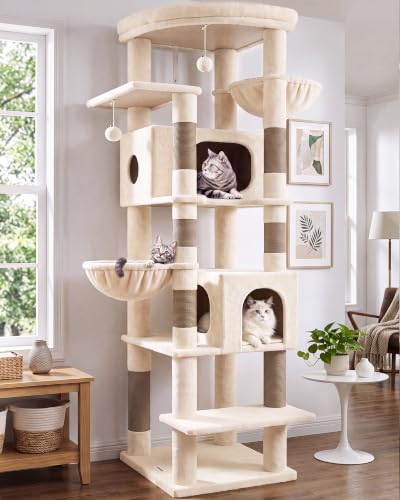


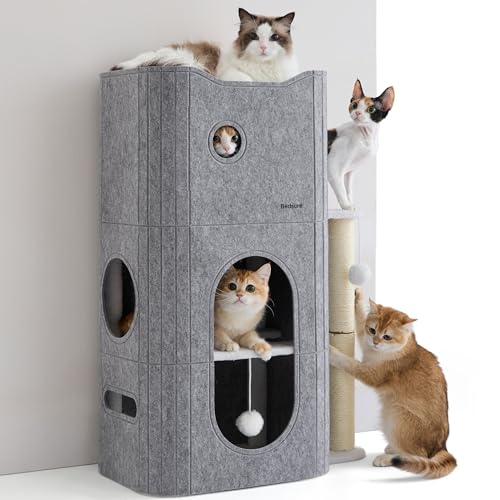
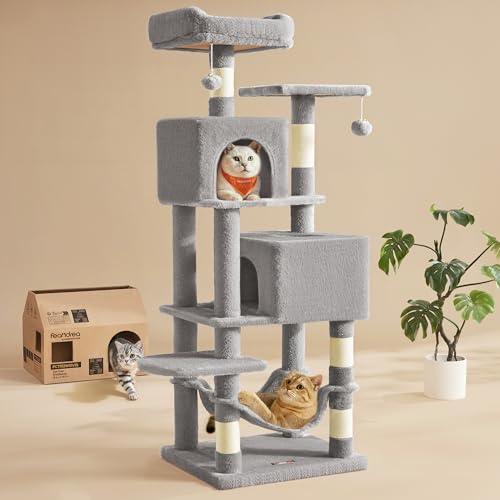

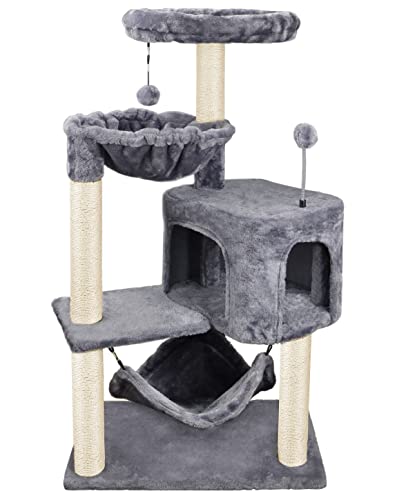


Types of Cat Trees You Can Get Under $100
Instead of chasing a single winner, think in types. Three broad styles cover most homes at this budget, and each one suits a different cat and a different room.
Compact Trees and Small Towers
Compact trees usually stand about 24 to 36 inches tall with one or two platforms, a small condo, and a post or two wrapped for scratching. They suit kittens, smaller adult cats, and apartments where floor space is tight. A compact tree also works as a second station near a desk or bed. The limits are reach and room to stretch, so a large or very active cat may outgrow this style fast and need a taller option instead.
Mid Height Trees With Condos and Hammocks
Mid height trees, often about 40 to 55 inches tall, are the most common shape under this budget. They combine several platforms with an enclosed condo, a hammock, or a padded top perch, which gives a cat places to climb, hide, and nap in one footprint. This layout is a sensible default for a single cat household, and it can also serve two cats that take turns. Check that platforms are wide enough for your cat to turn around without backing down.
Tall Narrow Trees That Use Vertical Space
Tall narrow trees climb to about 60 to 72 inches while keeping a modest base, so they reward cats that love height without taking over the room. If this style appeals to you, our guide to the best tall cat tree designs explains the height options in more depth. Stability matters most here, because a tall frame with a small base can rock when a cat lands on the top perch. Look for a broad, heavy base board and a wall anchor strap in the box.
How to Judge Value at This Budget
Five criteria separate a good value tree from a flimsy one. Start with size and fit, since a tree your cat cannot use comfortably fails no matter how sturdy it is. Next comes durability, which mostly means frame material, post wrapping, and how the covering is attached. Safety and materials follow, then ease of cleaning, and finally value, meaning how much usable climbing and scratching space you get for the money. Manufacturer dimensions, weight limits, and buyer feedback on wobble and wear are the most useful sources when you compare listings.
For a fuller walk through of these criteria, see our notes on how to choose a cat tree before you order. That order of checks matters at this price, because listings often lead with toys and colors while the base size and post details sit further down the page.
How to Choose the Right Cat Tree
Size and Form Factor
Measure the floor spot first, then check the listed footprint against it, leaving a little clearance so your cat can approach from more than one side. Small trees fit corners and studio rooms, large trees need a clear patch of floor, and tall designs trade floor space for height. Floor to ceiling models usually sit above this budget, so a tall freestanding tree is the realistic way to gain height here. Always confirm the assembled height clears your ceiling and any shelves above the spot.
Types and Layouts
Modern wooden trees show the frame and tend to wipe clean, while plush covered trees feel softer and warmer for napping. Wall mounted pieces save floor space but need solid fixing and sit outside most budget bundles. Corner designs tuck into unused angles, and window side perches add a lookout point if you place the tree near glass. Sisal covered posts should appear in any layout you pick, because a tree without a proper scratching surface misses half its job.
Features Worth Paying For
A scratching post tall enough for a full stretch is worth more than extra dangling toys. A condo gives a shy cat a retreat, and a hammock suits cats that like to curl in a sling of fabric. A litter box enclosure is a niche extra that only helps if you truly need the litter area hidden. Spend on the features your cat already shows interest in at home, such as perching on chair backs or hiding under tables, and skip the rest.
Sizing for Your Pet
Match platform size and weight rating to your cat, not to the average cat in the listing photos. A perch should let your cat lie down fully without hanging over the edge, and condo openings should clear the shoulders with room to spare. Homes with heavier cats should read our guide to the best cat tree for large cats for the stronger frames that group needs. Growing kittens call for the next size up, since they reach adult size within the first year.
Materials and Scratching Surfaces
Most frames at this price use engineered wood panels covered in plush fabric or faux fur, which keeps weight and cost down but wears faster than solid wood. Sisal rope is the standard scratching wrap and holds up well when it is glued and tightly wound. Loose, spaced wrapping is an early sign of short life. Cats that chew fabric edges do better with smoother wooden surfaces and fewer hanging parts, and any frayed rope should be trimmed before strands come free.
Cleaning and Odor Control
Plush coverings trap hair and hold odors, so plan on vacuuming the platforms weekly and spot cleaning marks as they happen. Removable cushions and pads you can wash are a real advantage at this price. Placing the tree away from the litter area also keeps smells from settling into the fabric. Our full routine for how to clean a cat tree covers deep cleaning steps, stain care, and when a covering is too worn to save.
Safety and Stability
Set the tree on a flat, hard floor rather than thick carpet, which lets a narrow base shift under load. Tighten every bolt during assembly, then test each platform with firm hand pressure before your cat climbs. Use the wall anchor strap on tall models, fixing it to a stud where you can. Keep the tree clear of cords and curtains a cat could pull down, and check that small toys hang from short, secure attachments rather than long loose strings.
How Much Should You Spend Under This Budget
Trees at about $30 are small and light, suited to kittens or a single scratching post with a perch. The about $50 to $75 range is where mid height trees with a condo and several posts appear, and it fits most single cat homes. Spending about $75 to $100 usually buys a taller frame, a wider base, and thicker covering. Designs at about $200 to $300 move into solid wood and much larger footprints, which is more than most buyers here need.
What You Get and Give Up Under $100
Under this budget you can expect a stable frame for one or two average size cats, two or more sisal posts, at least one enclosed hiding spot, and a top perch high enough to satisfy most climbers. Assembly with basic tools is standard, and most models go together in under an hour. For homes with several cats sharing one tree, our guide to the best cat tree for multiple cats explains the wider, stronger layouts that sharing demands.
What you give up is material quality and scale. Solid wood frames, thick replaceable cushions, and spare parts support are rare at this price, and very tall or extra wide trees are hard to build well for under $100. Coverings tend to thin after a year or two of daily scratching. Accepting those limits up front helps you pick the tree that spends its cost on the base, posts, and platforms, where the money matters most.
Common Mistakes to Avoid
- Buying by photo alone and skipping the listed footprint, so the tree swallows the room or blocks a doorway.
- Choosing the tallest tree at the price even though its narrow base wobbles every time your cat jumps up.
- Picking a small condo and low platforms for a large cat, which leaves the tree unused from day one.
- Placing the tree in a quiet corner far from the family, when most cats prefer a spot near daily activity.
- Ignoring the weight rating in the listing, then blaming the frame when a heavy cat loosens the joints.
FAQ
What is the best cat tree under $100 for most homes?
For most homes it is a mid height tree with a wide base, two or more sisal posts, a condo, and a padded top perch. That mix covers climbing, scratching, hiding, and napping without the wobble risk of the tallest budget frames. Measure your space and your cat first, since the right answer changes if your cat is unusually large or your room only fits a corner footprint.
Can you get a good cat tree for under $100?
Yes, as long as your expectations match the price. A good budget tree feels steady under hand pressure, has tightly wrapped posts, and gives your cat platforms it can reach in easy steps. What the money will not buy is solid wood or coverings that look new for many years. Reading recent buyer comments about wobble and fraying helps you spot the stronger frames among similar looking listings.
How long does a cat tree under $100 last?
With daily use, the frame often lasts several years while the coverings and sisal wear out sooner, commonly within one to two years on the most scratched post. You can extend that span by rotating which post faces outward and by re wrapping a worn post with new sisal rope from a hardware store. A tree that rocks even after bolt tightening has reached the end of its safe life.
Is a cat tree worth it for an indoor cat?
Yes, because an indoor cat still needs to climb, scratch, and rest above floor level, and a tree gathers all three into one approved place. It also gives your cat a territory of its own, which can calm tension in homes with dogs or children. Start with the tree near a window or the sofa where your cat already spends time, since placement drives use more than any single feature does.
How do you keep a cat tree from smelling?
Odor control starts with keeping the tree out of the litter zone and airing the room daily. Sprinkle plain baking soda on the platforms, let it sit for about an hour, then vacuum it up to lift trapped smells from the fabric. Wash removable pads often, since they hold the most scent. If a urine smell survives two deep cleans, the padding underneath has likely absorbed it and that part needs replacing.
Final Thoughts
A modest budget does not have to mean a flimsy tree. Pick the type that fits your room, favor a wide base and well wrapped posts over extra toys, and size every platform for the cat you actually have. Compare your shortlist against the product table above, and the best cat tree under 100 dollars for your home should stand out clearly.